
School resources

Supporting neurodivergent teachers in schools and early childhood settings
What the research says about supporting neurodivergent teachers in the workplace.

Why (or why not) teach Shakespeare?
Approaches to teaching and learning Shakespeare that draw on critical and performance history.

From family involvement to partnership
A summary on the research behind family involvement and home-school partnership.

What families and whānau can do to support home-school partnerships
The key contributions that families make to home-school partnerships.

What school leadership can do to support home-school partnerships
What leaders can do to positively impact the relationship between school and students' parents and whanau.

Partnerships with families from diverse cultural backgrounds
Tips and suggestions for improving partnership with culturally diverse families.


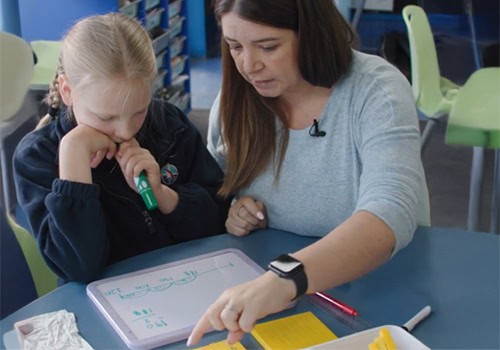


















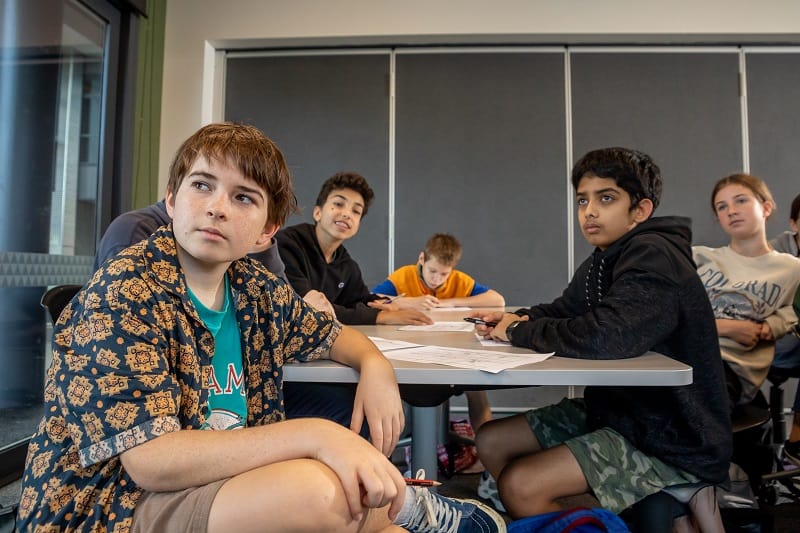




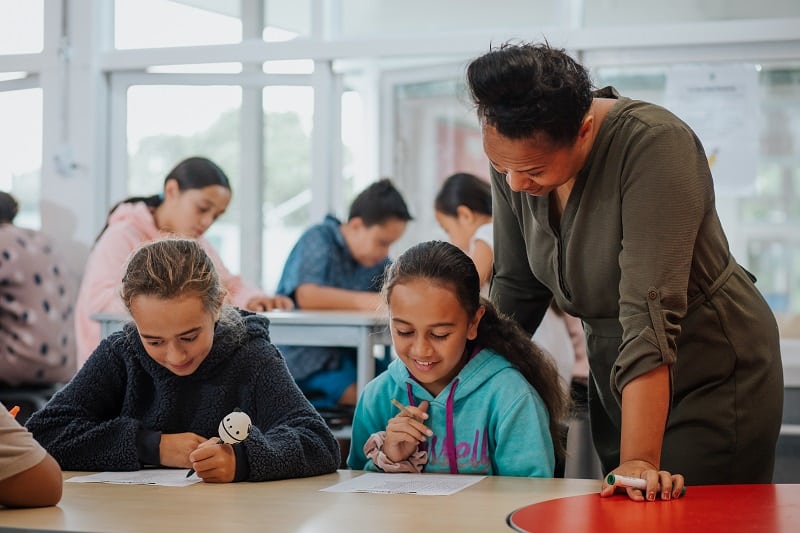
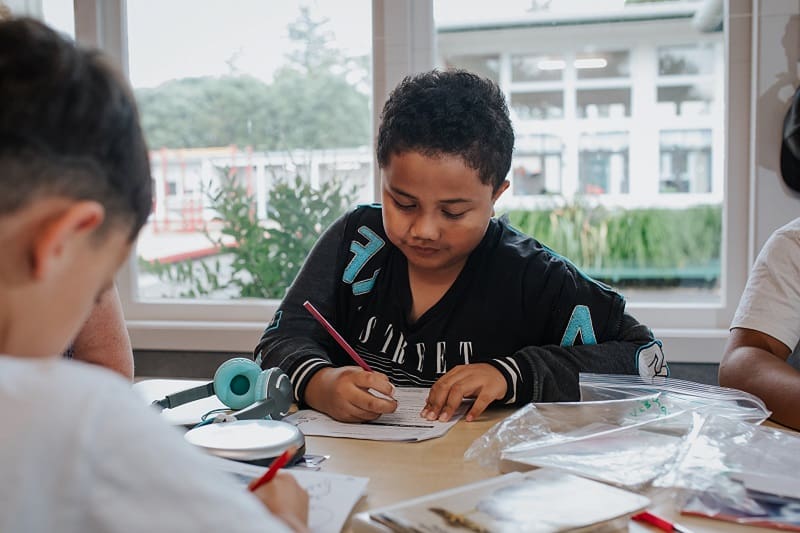






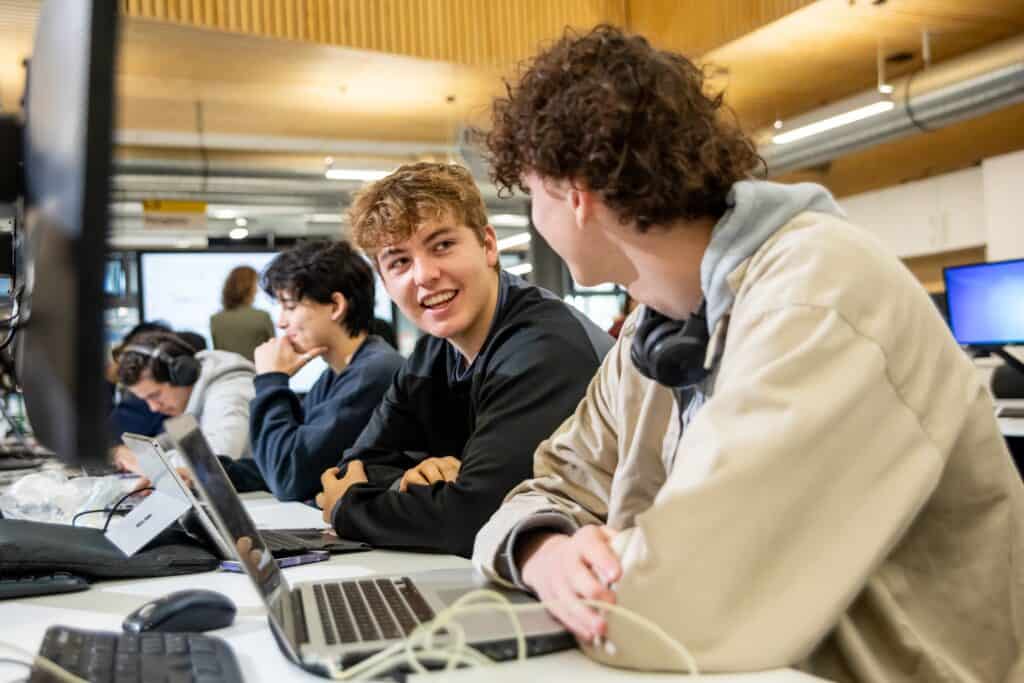

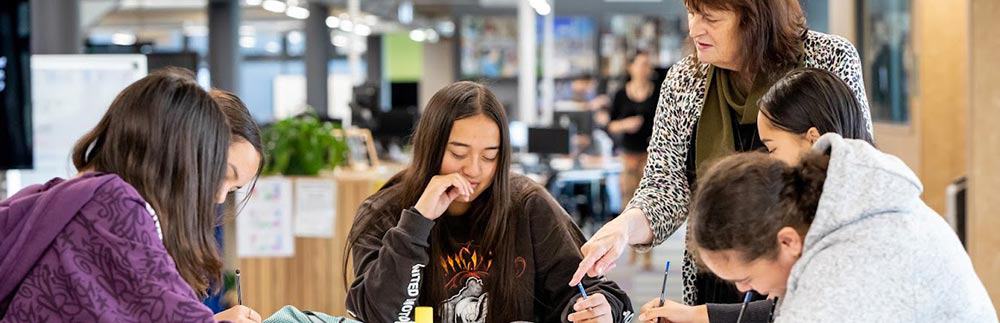



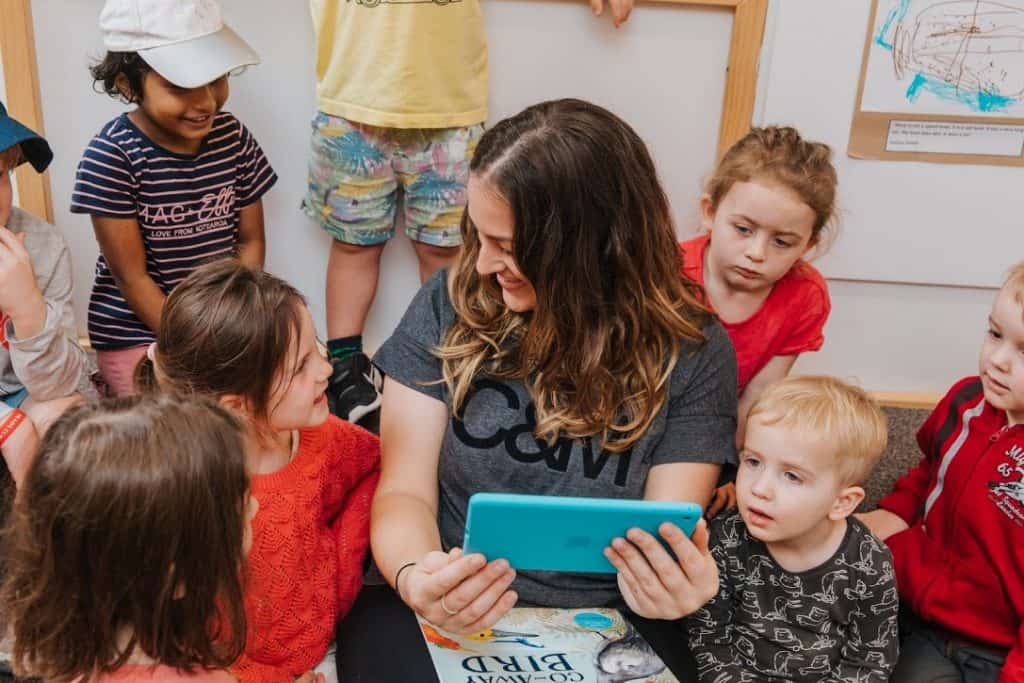





















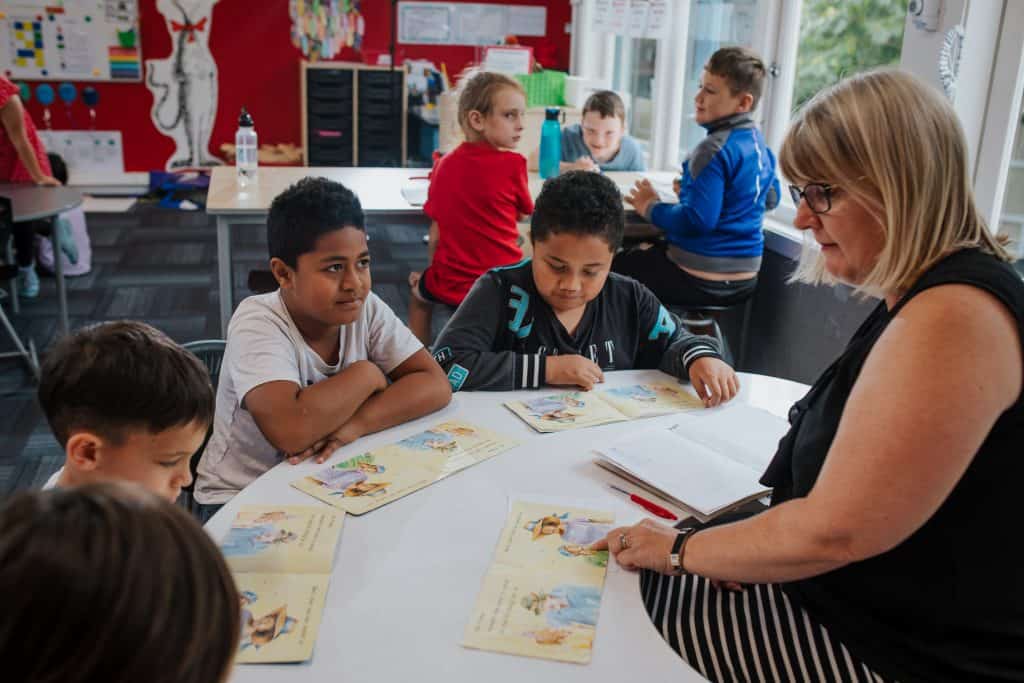
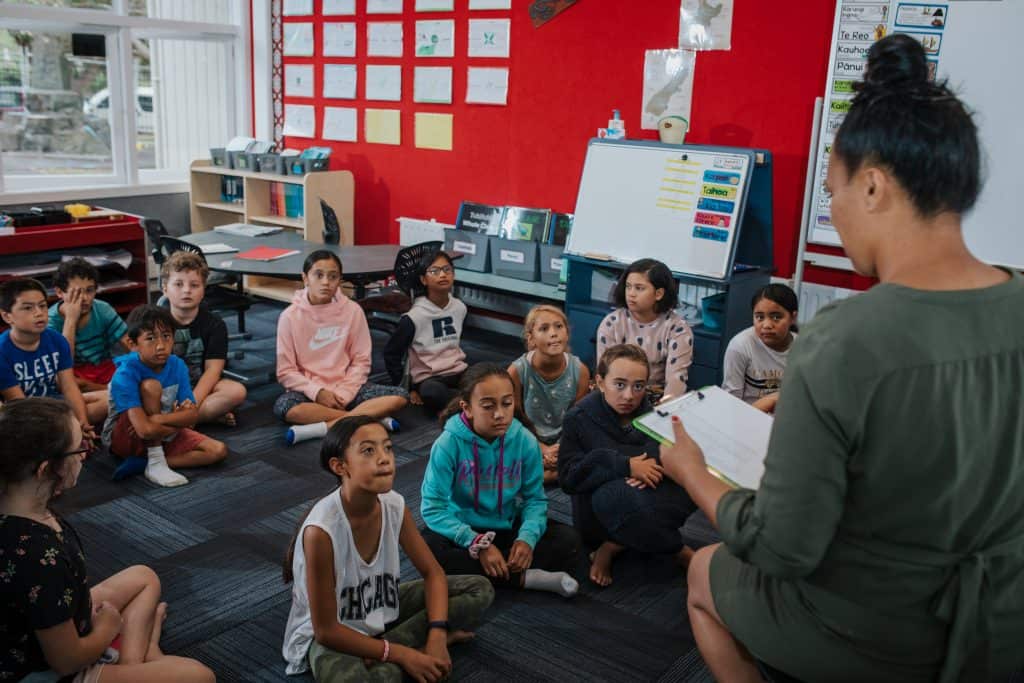
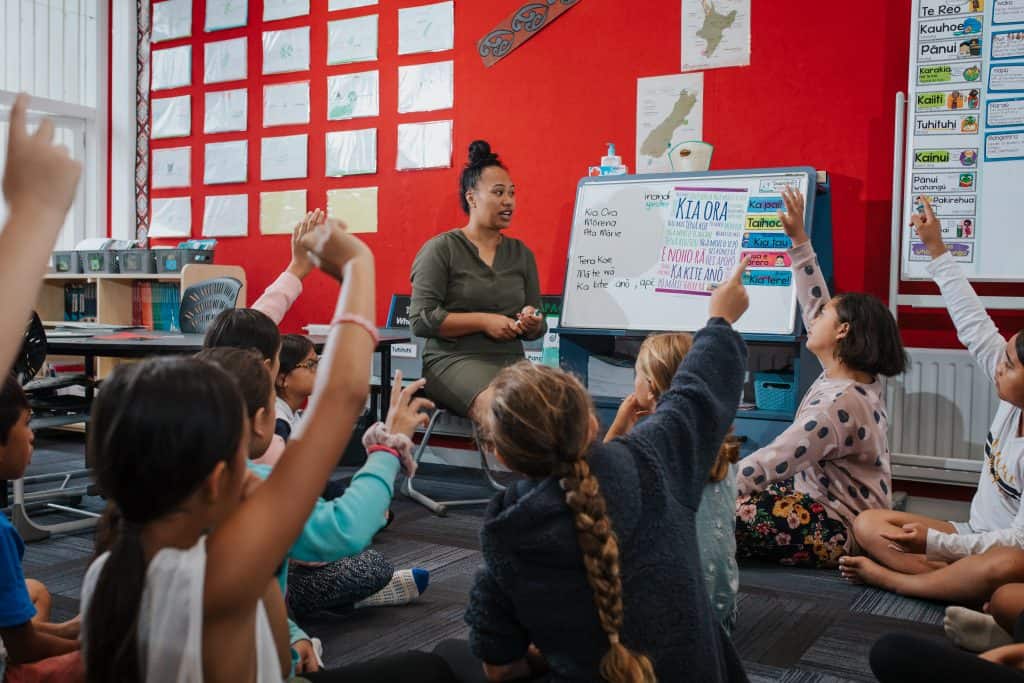
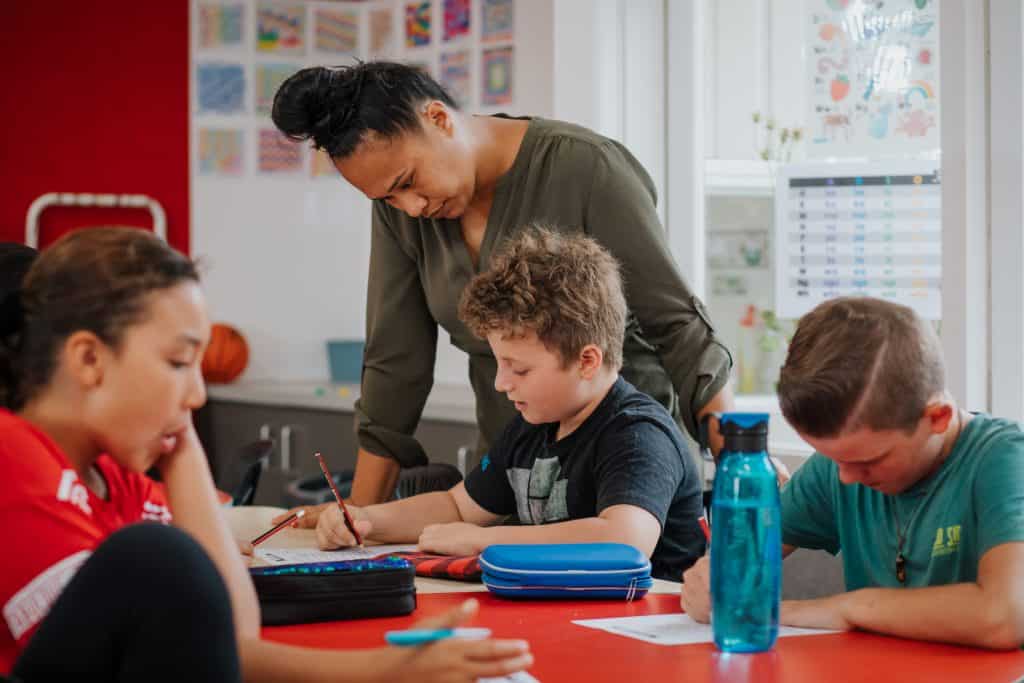










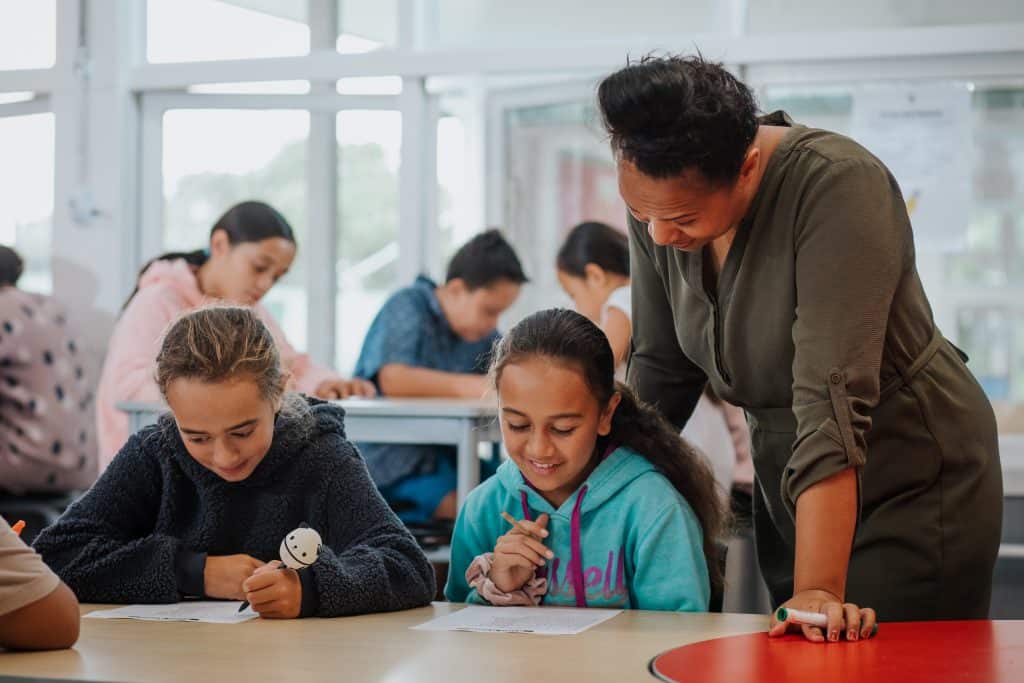





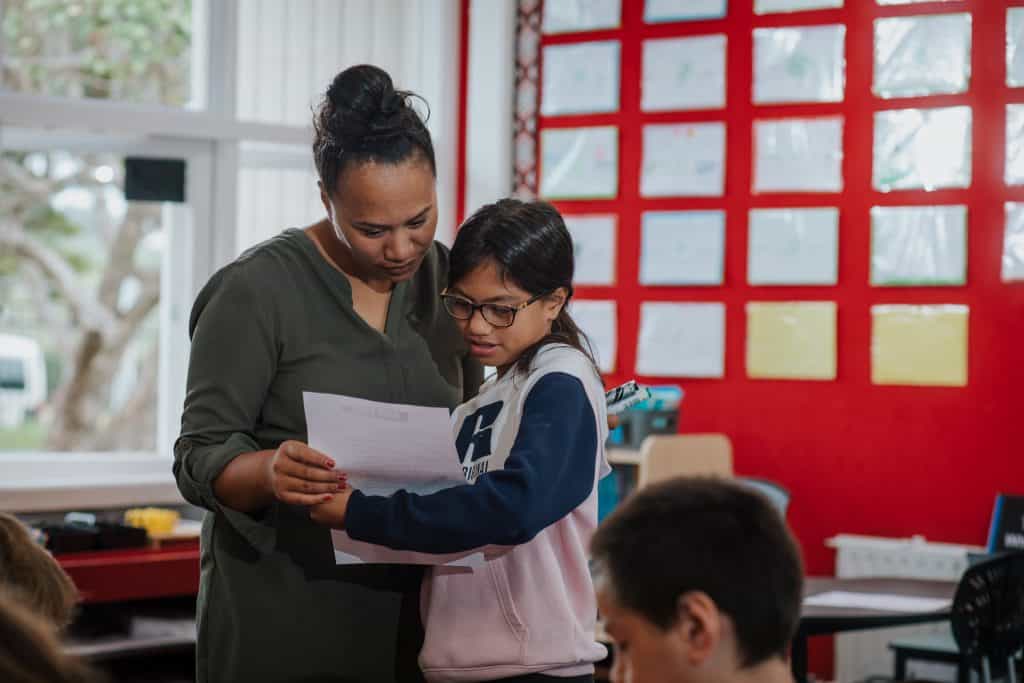

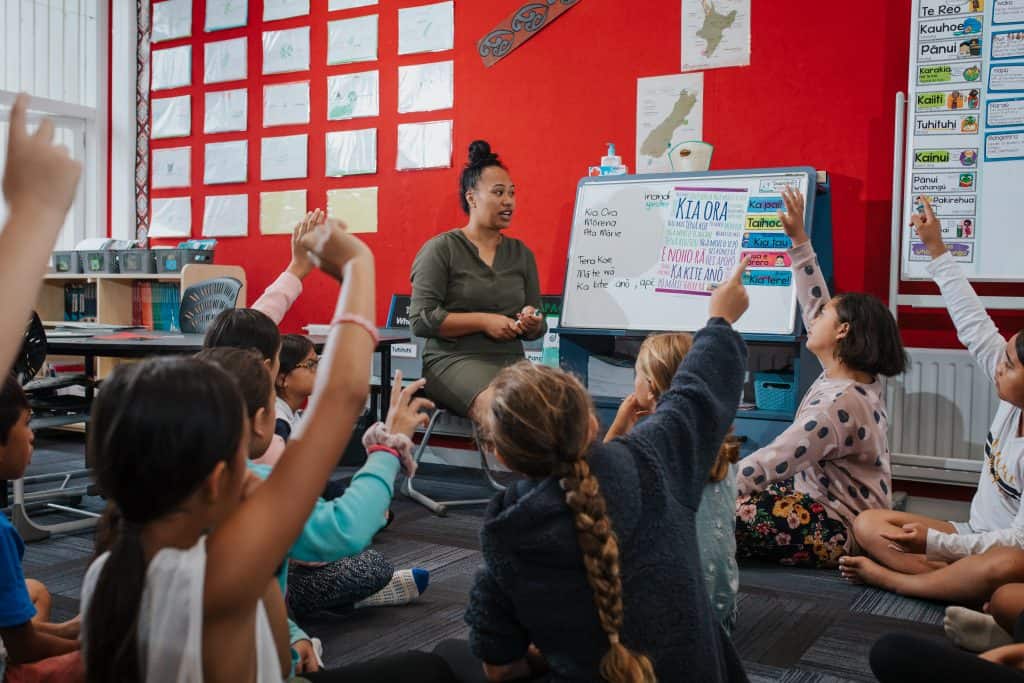

























































Walking in students’ shoes: What every teacher can learn about expectations and bias
Coming in November
In this webinar, Emeritus Professor Christine Rubie-Davies and Associate Professor Frauke Meyer will share findings from the Elevate Empathy project.
Unpacking the science of learning
Coming in September
This webinar with Dr Stephanie Macmahon will offer educators the opportunity to build a richer, deeper, and more nuanced understanding of the science of learning—one that both extends beyond and strengthens the ideas they may already be familiar with.

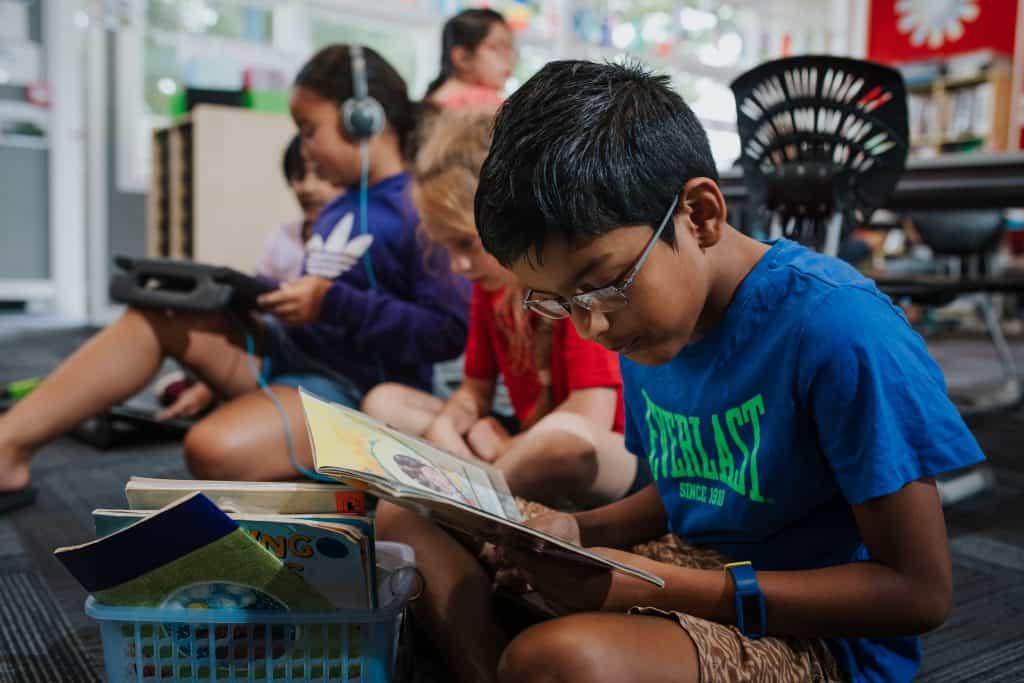
Reading for pleasure and why it matters
In this webinar, Dr John Milne discusses how reading not only improves wellbeing directly — through the joy of stories and the connections they create — but also indirectly, by building the social cohesion and shared experiences that communities thrive on. He also shares insights into his own research on reader identity, and explore ways that teachers can help further the joy of reading in their own classrooms.
Everyday wellbeing: Evidence-based strategies for schools
Dr Madeline Hayward and Dr Seungyeon Kim share some of the key findings from Koi Tū’s long-running research in youth mental health and wellbeing.

‘Crossing the border’: Navigating maths learning in early primary school
In this webinar, Dr Jo Knox and Marie Hirst share some maths activities that can be useful in the classroom to help learners with early concepts of maths and bridge the gap between play-based approaches in ECE and the significantly more structured approach of the refreshed New Zealand Curriculum.

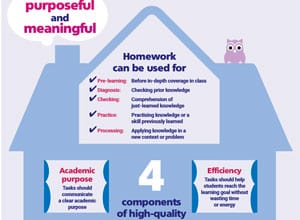
What does the research say about homework?
Cathy shares a wealth of knowledge and practical expertise on how teachers and schools should be thinking about homework.
















































































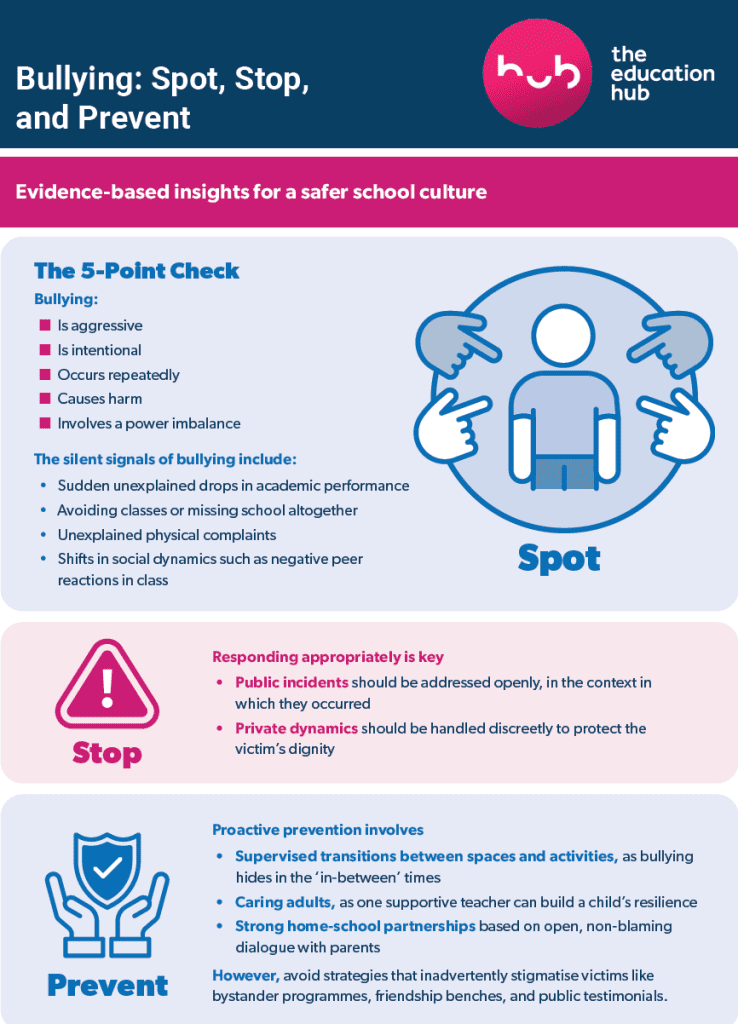
Bullying in schools infographic
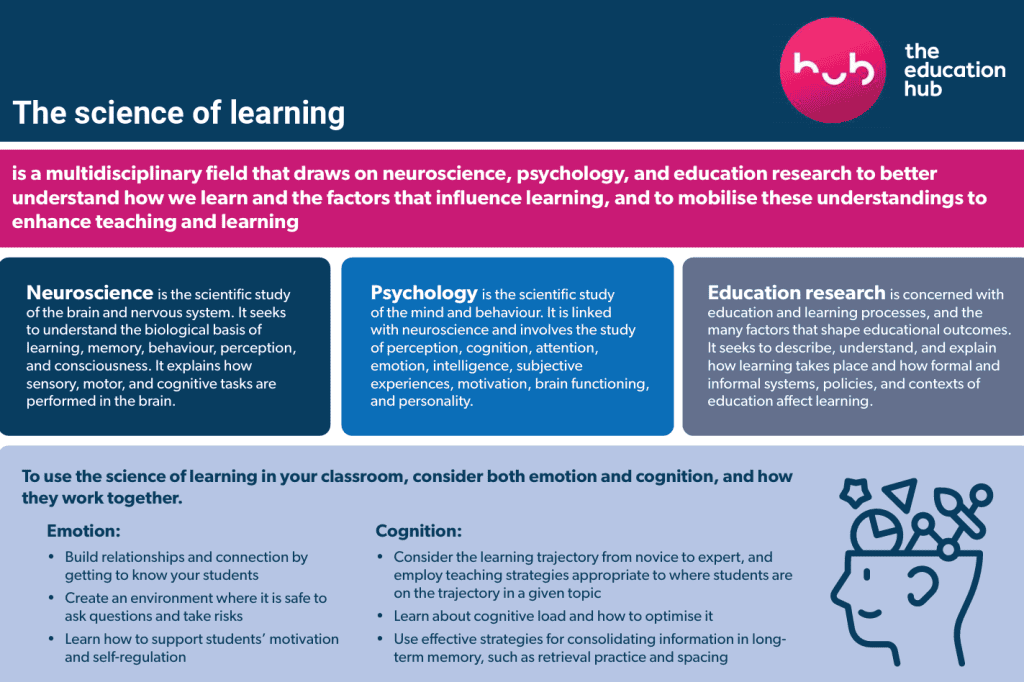
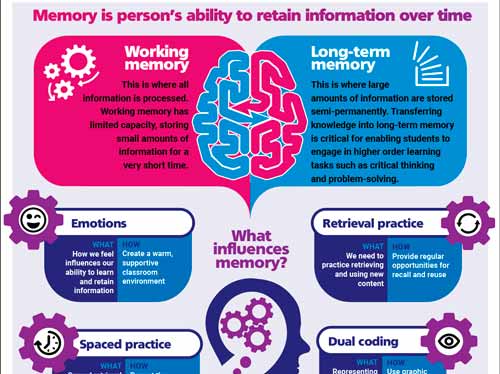
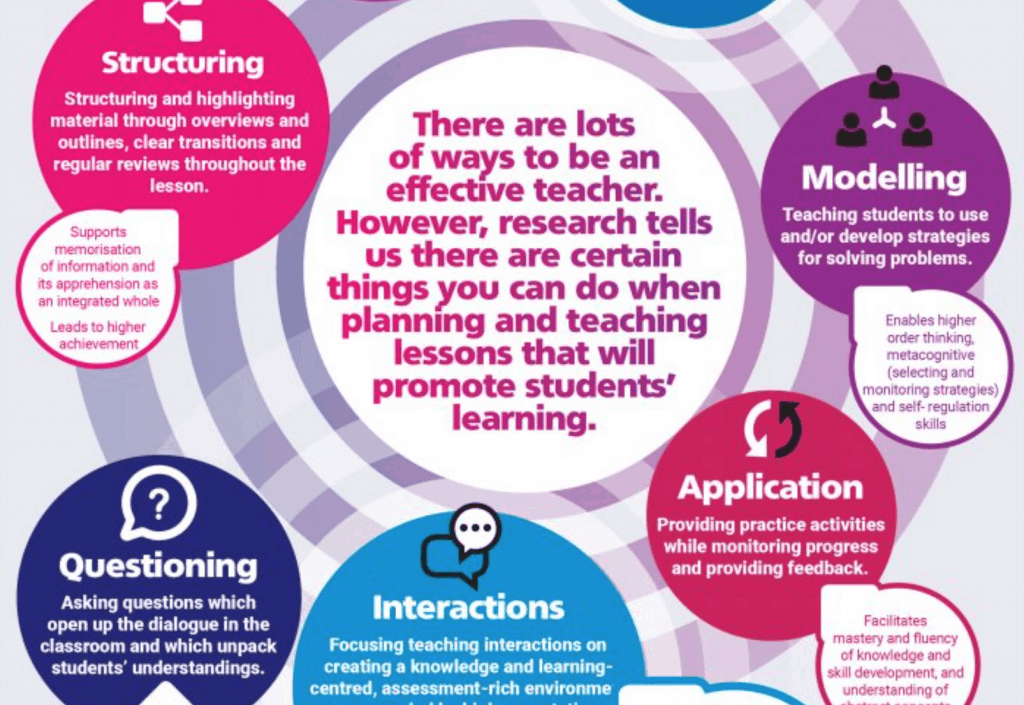
The science of learning infographic
A very quick introduction to the science of learning

Guidelines for using digital technology in the classroom
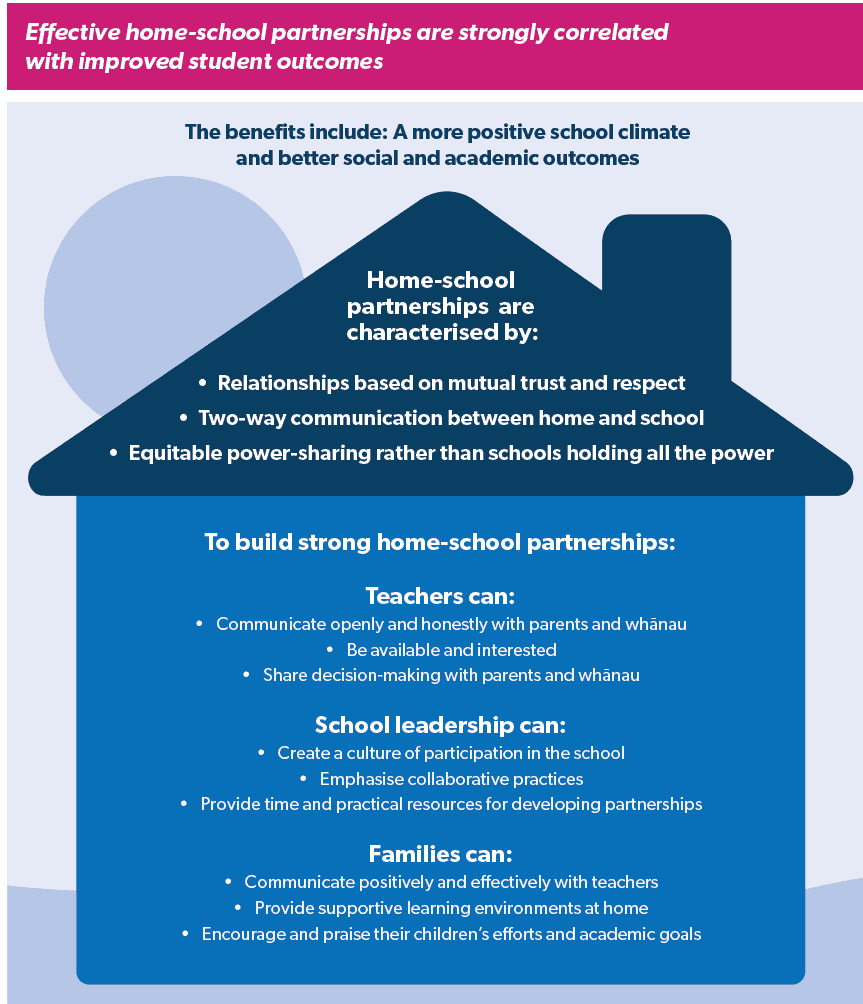
Home-school partnerships infographic
What are home-school partnerships and how can they be built?
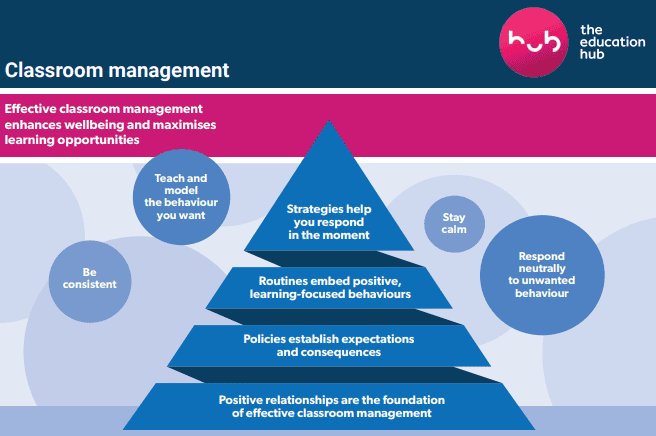
Classroom management infographic
Learn about the building blocks for effective classroom management in this infographic.
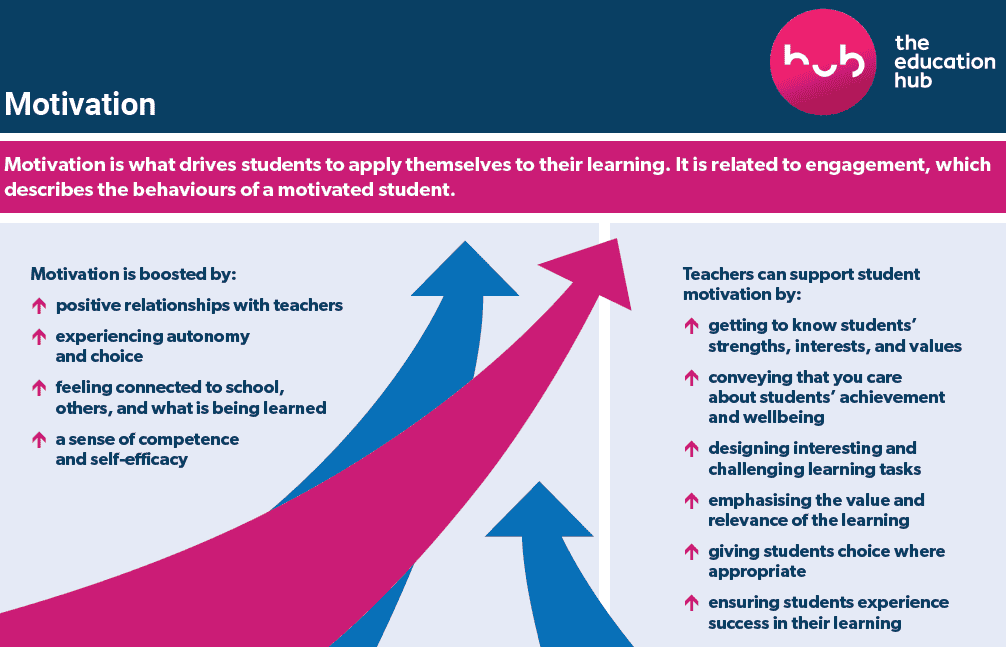
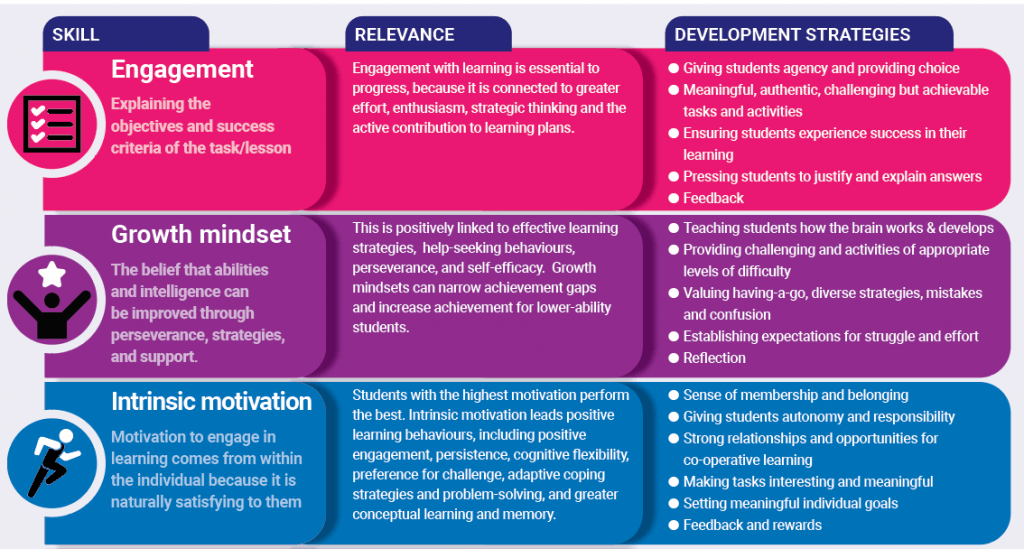
Motivation infographic
What is motivation and how can teachers support student motivation?
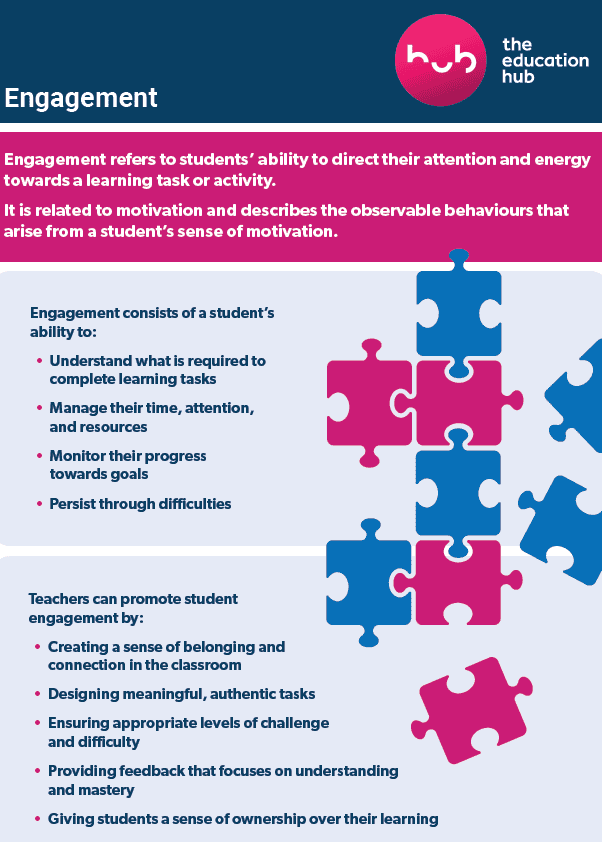
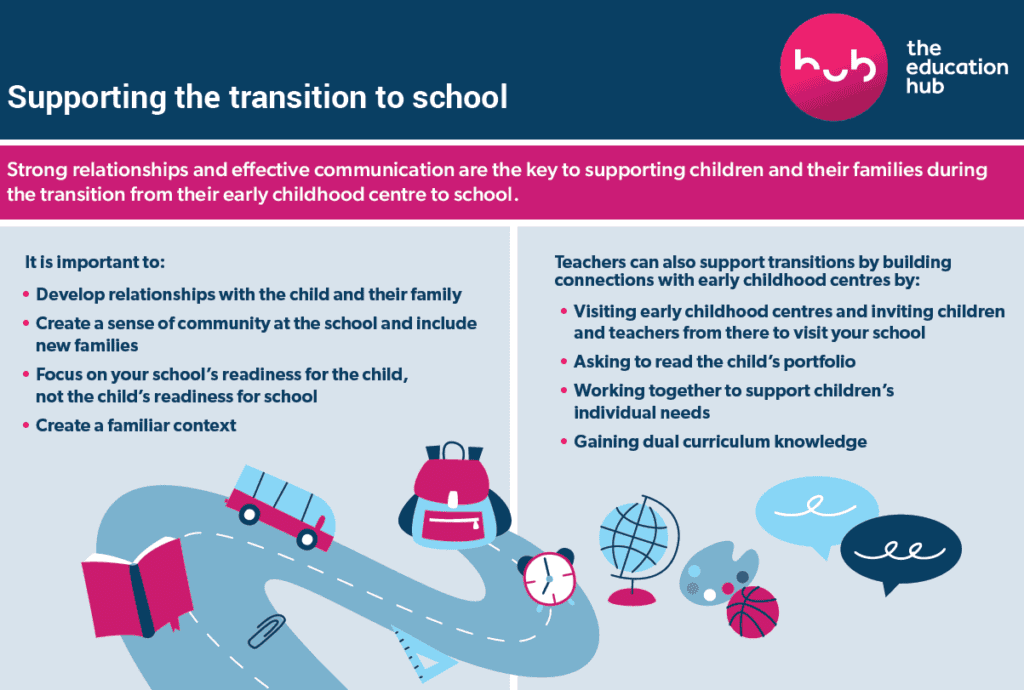

Reading for pleasure and reader identity
Key insights from a webinar with Dr John Milne from AUT.

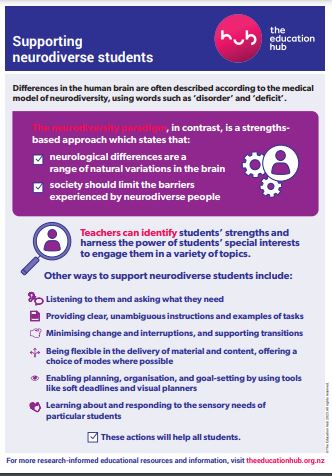
Transitioning neurodiverse tamariki into school: Insights from the Acorns to Oaks project
Key insights from a webinar with Tami Harris from Acorn Neurodiversity and Tara Solomon and Lisa Winiata from Kaitiaki Kindergartens.

Understanding what supports student wellbeing
Key insights from a webinar with Dr Seungyeon Kim and Dr Madeline Hayward from Koi Tū.
How a strengths-based approach supports the success of ākonga Māori
Key insights from a webinar with Dr Hana Turner-Adams from Waipapa Taumata Rau | University of Auckland.

How metacognition supports learning and transfer
Key insights from a webinar with Dr Melissa Barnes from La Trobe University.

Positive transitions into school and early childhood settings for refugee and migrant children
Key insights from a webinar with Professor Sally Peters and Dr Hazel Woodhouse.












































































Mātauranga Māori in education
This webinar explores questions related to mātauranga Māori in education.

Unschooling and self-directed education
This webinar focuses on the concept of unschooling, an approach to self-directed education, which puts children in control of their learning.

Principles of quality teaching and school leadership
Professor Rob Coe discusses his work developing the Great Teaching Toolkit, an evidence-based curriculum for teacher learning, plus tools and instruments to provide feedback for professional development
Social connectedness
Associate Professor Hunter Gehlbach talks about how teachers and schools can help support social connectedness.
The science of learning with Professor Matt McCrudden
Associate Professor Matt McCrudden of Penn State University talks to Dr Nina Hood about his research into the science of learning and how teachers can apply the principles of learning science in their classrooms
Debunking neuromythsby Assistant Professor Vanessa Rodriguez
Assistant Professor Vanessa Rodriguez debunks her top 5 neuromyths.