


















































































































































































































































































































theteam@theeducationhub.org.nz
Postal Address
The Education Hub
Suite 4, Palm Space
PO Box 69-234
Glendene
Auckland 0645

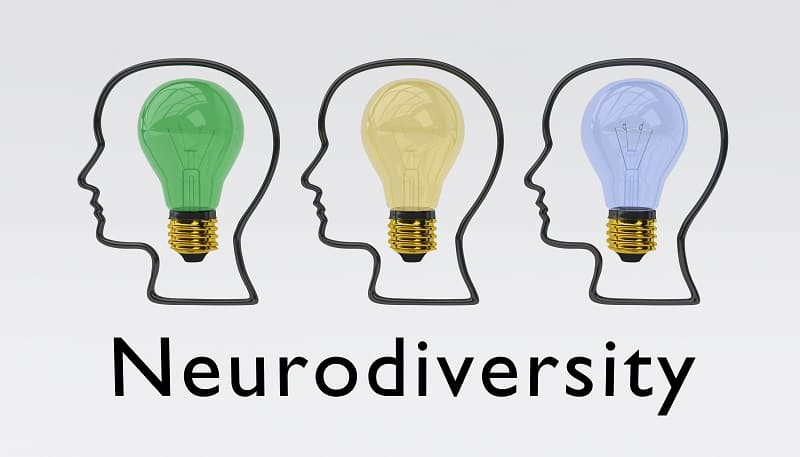
What the research says about supporting neurodivergent teachers in the workplace.

Approaches to teaching and learning Shakespeare that draw on critical and performance history.
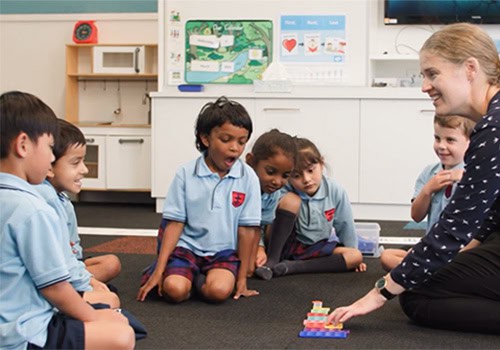
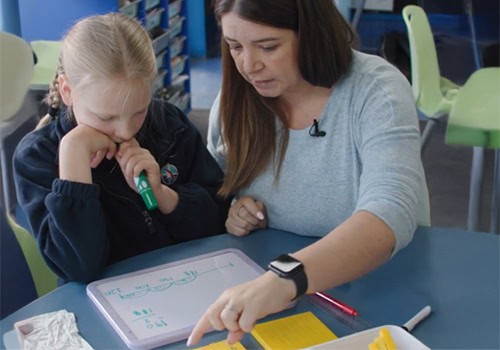
A series of short videos showcasing the principles of effective maths teaching in action in classes from Year 1 to Year 6

A summary on the research behind family involvement and home-school partnership.

The key contributions that families make to home-school partnerships.

What leaders can do to positively impact the relationship between school and students' parents and whanau.
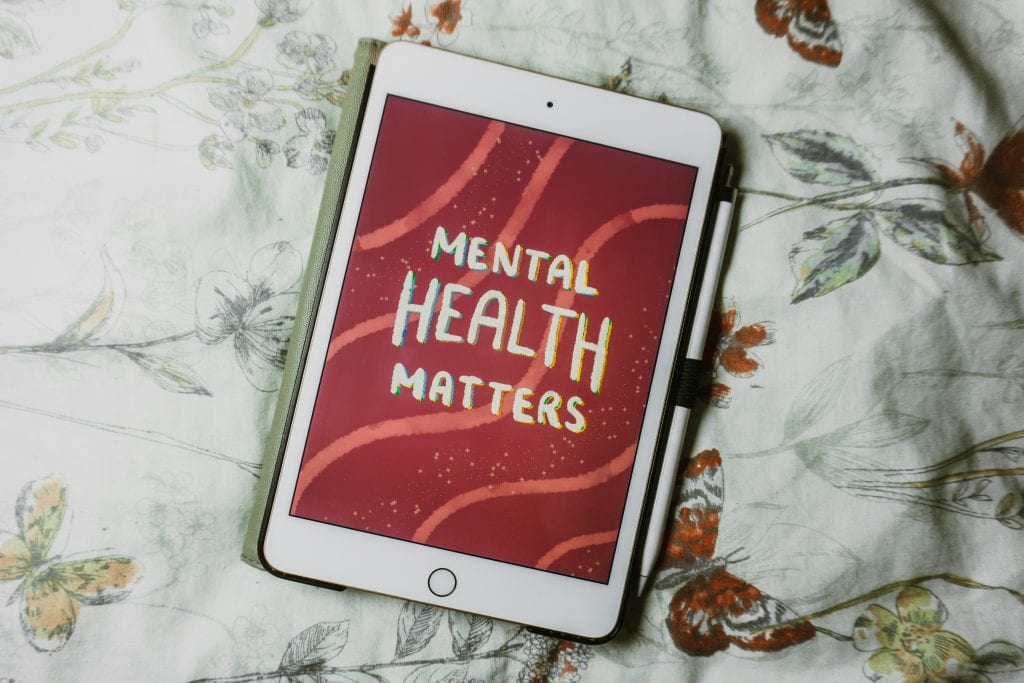
Dr Madeline Hayward and Dr Seungyeon Kim share some of the key findings from Koi Tū’s long-running research in youth mental health and wellbeing.

In this webinar, Dr Jo Knox and Marie Hirst share some maths activities that can be useful in the classroom to help learners with early concepts of maths and bridge the gap between play-based approaches in ECE and the significantly more structured approach of the refreshed New Zealand Curriculum.
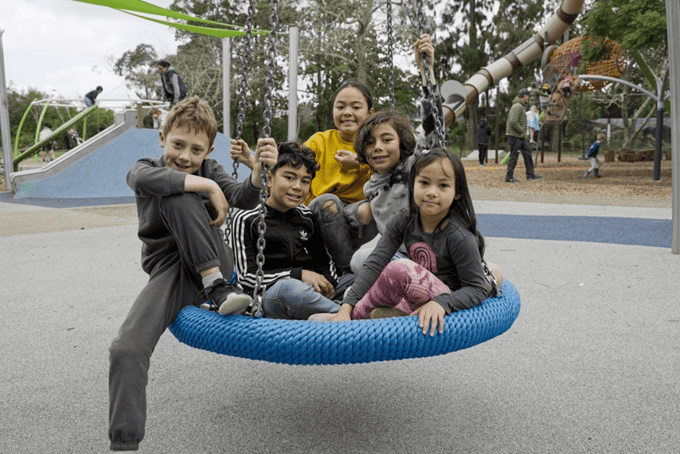
In this webinar, Dr Hana Turner-Adams will explore how relationships, identity, and culture shape learning experiences, and why educators play a crucial role as agents of change within their classrooms and wider school communities.

Coming in November
In this webinar, Emeritus Professor Christine Rubie-Davies and Associate Professor Frauke Meyer will share findings from the Elevate Empathy project.
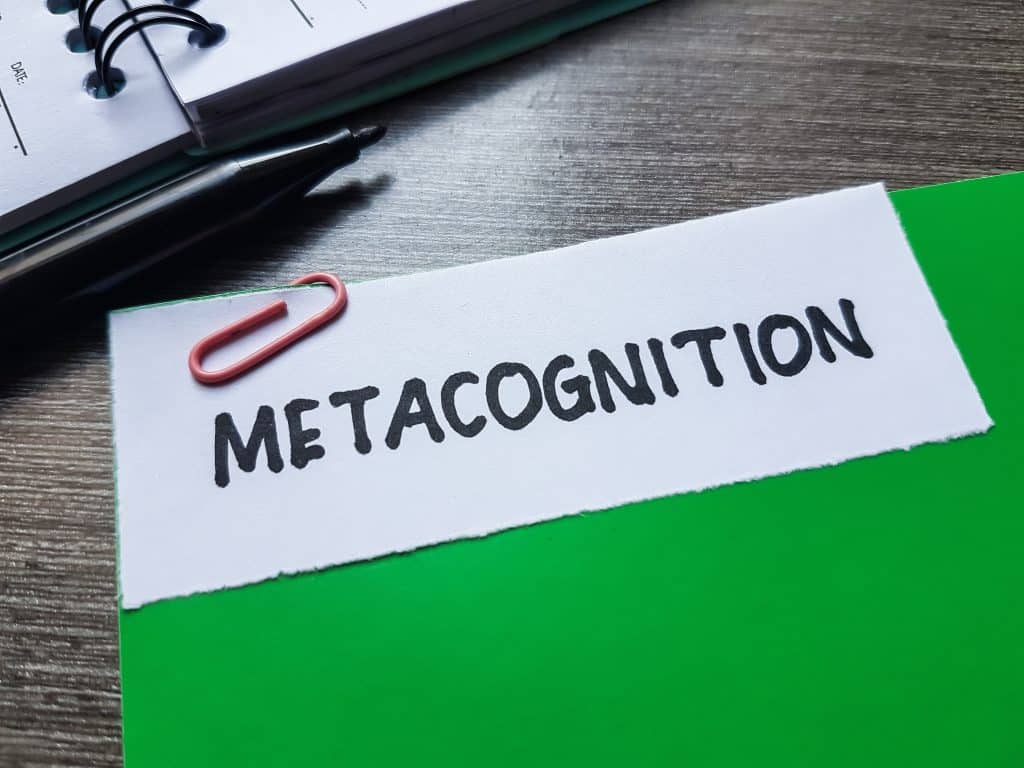
This webinar with Professor Melissa Barnes from La Trobe University will examine the research behind metacognition and discuss why it has such a powerful impact on learning outcomes.

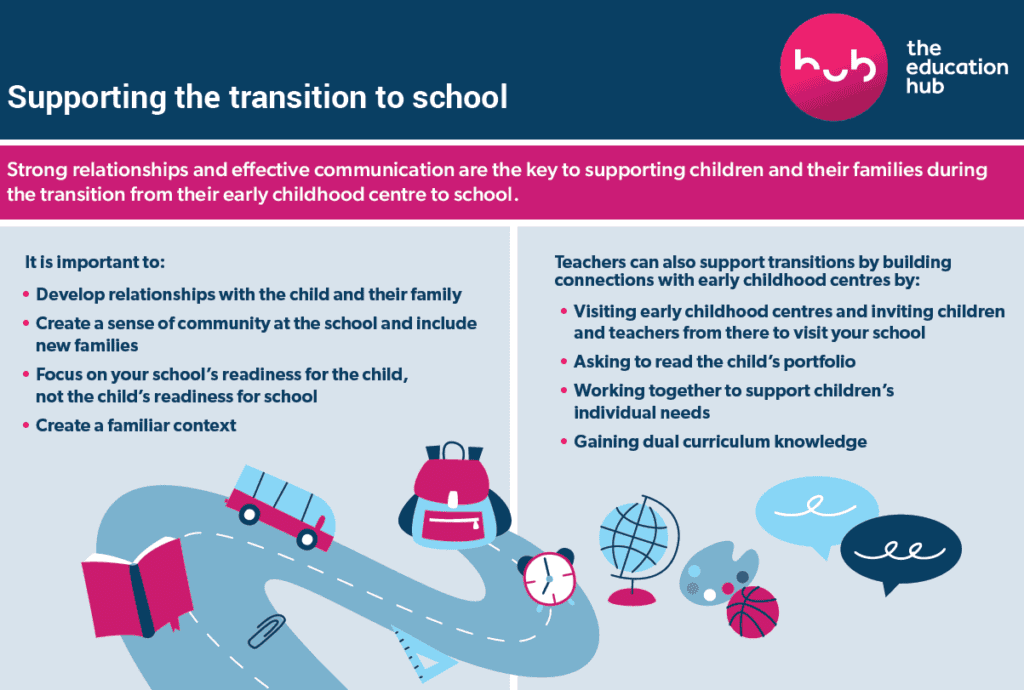
This webinar for early childhood and school teachers and leaders shares insights from research by Professor Sally Peters and Dr Hazel Woodhouse which highlights the powerful role of early childhood settings, schools, Settlement Centre staff, and families in supporting positive educational experiences and transitions.
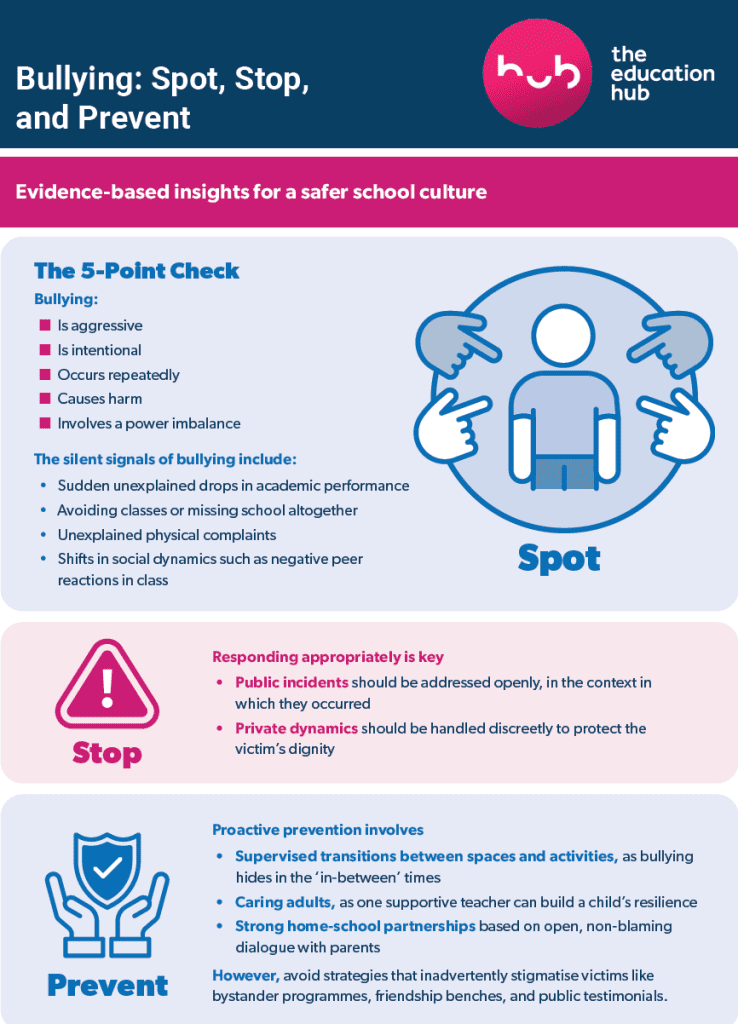
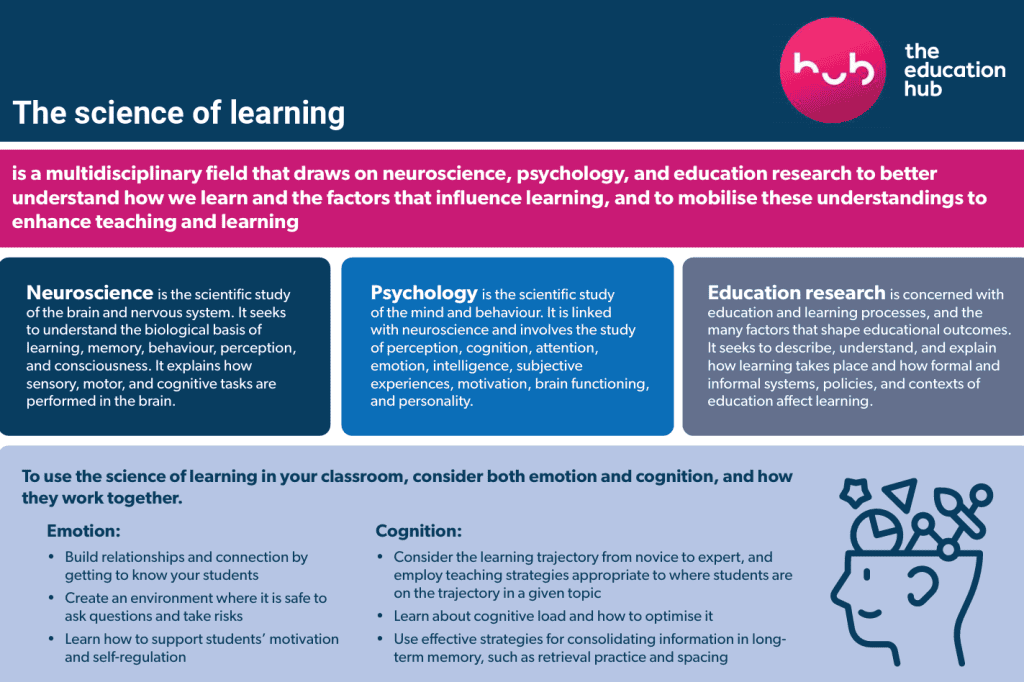
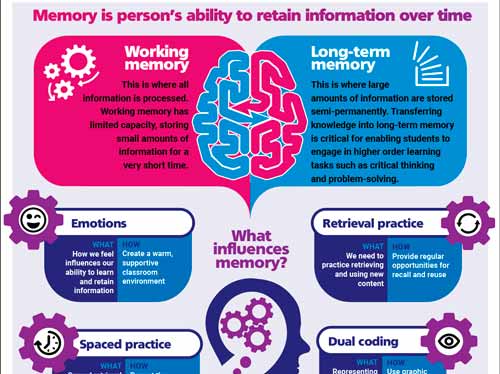
A very quick introduction to the science of learning

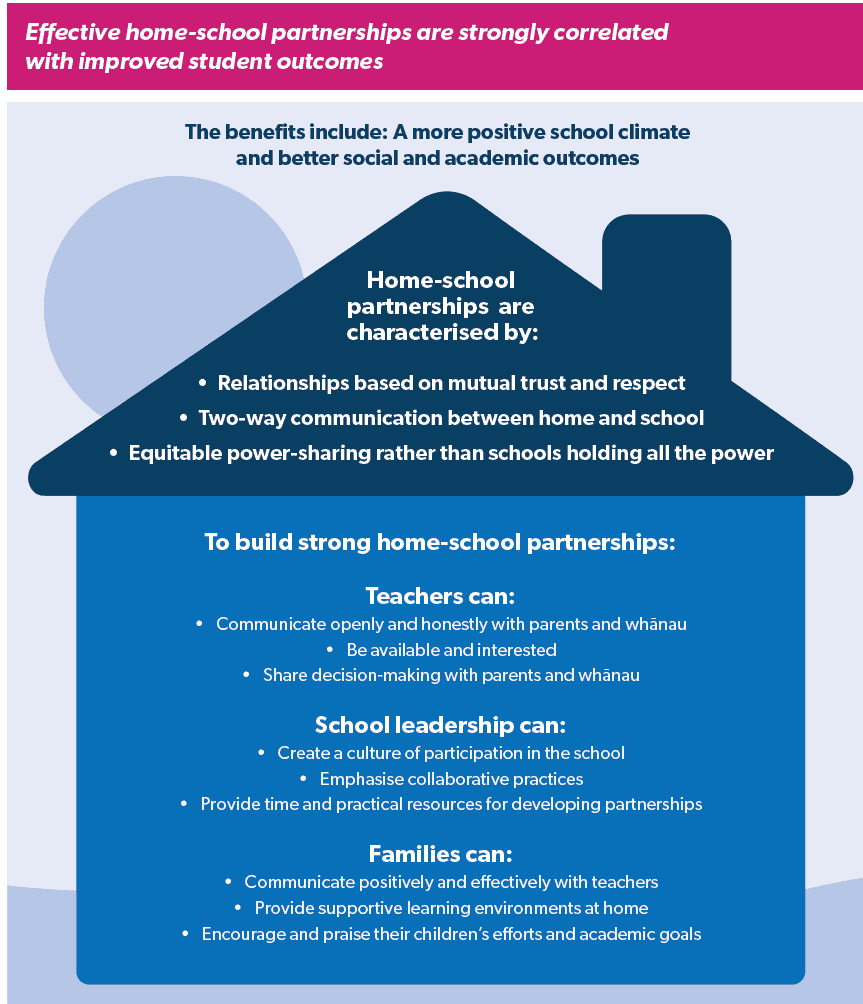
What are home-school partnerships and how can they be built?
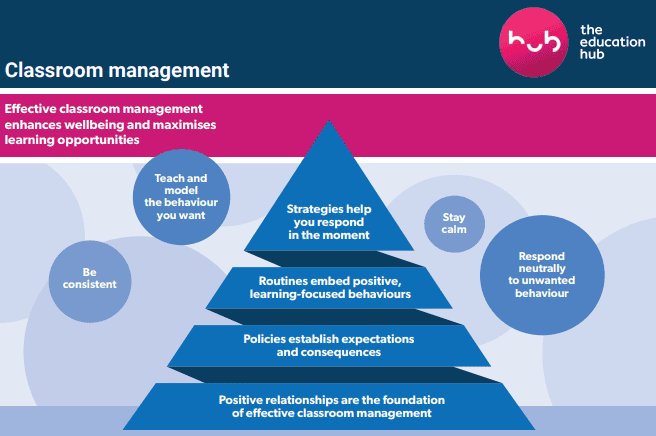
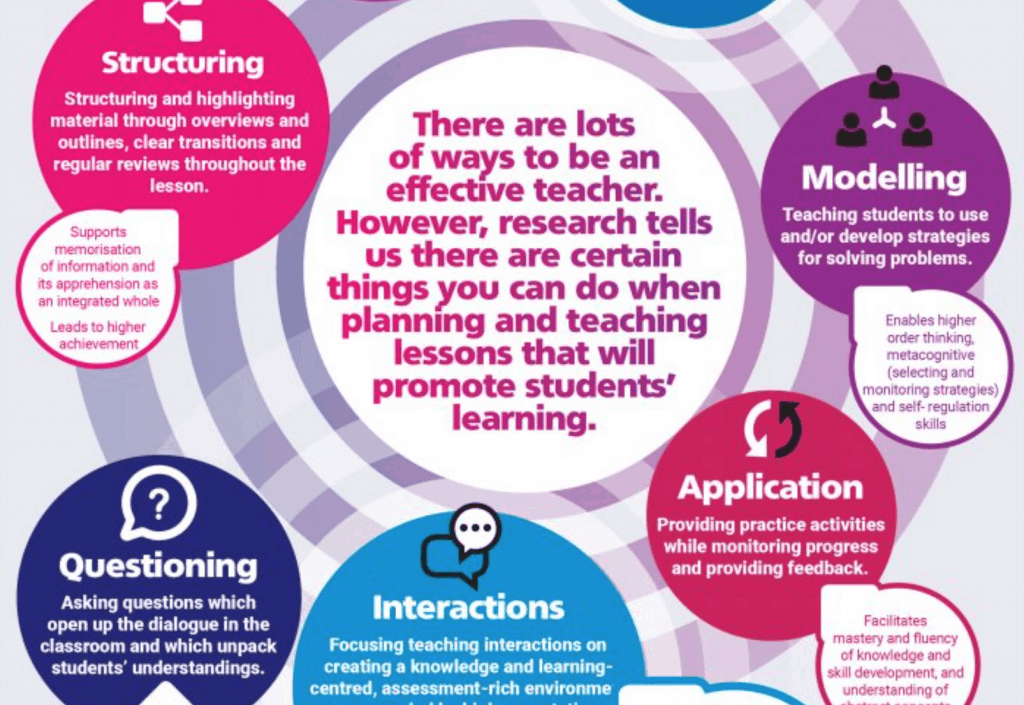
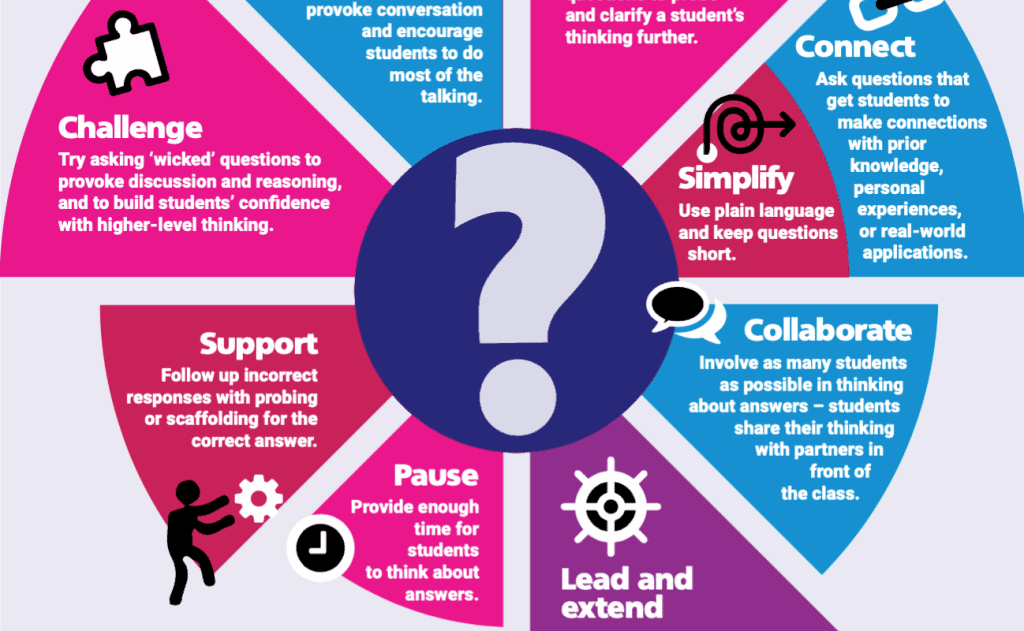
Learn about the building blocks for effective classroom management in this infographic.
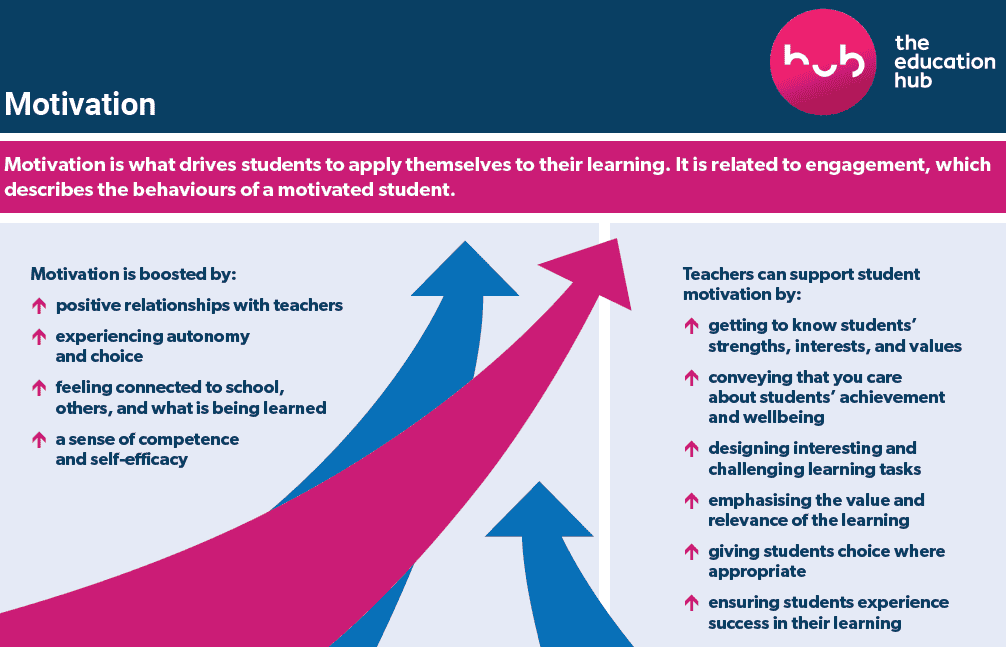
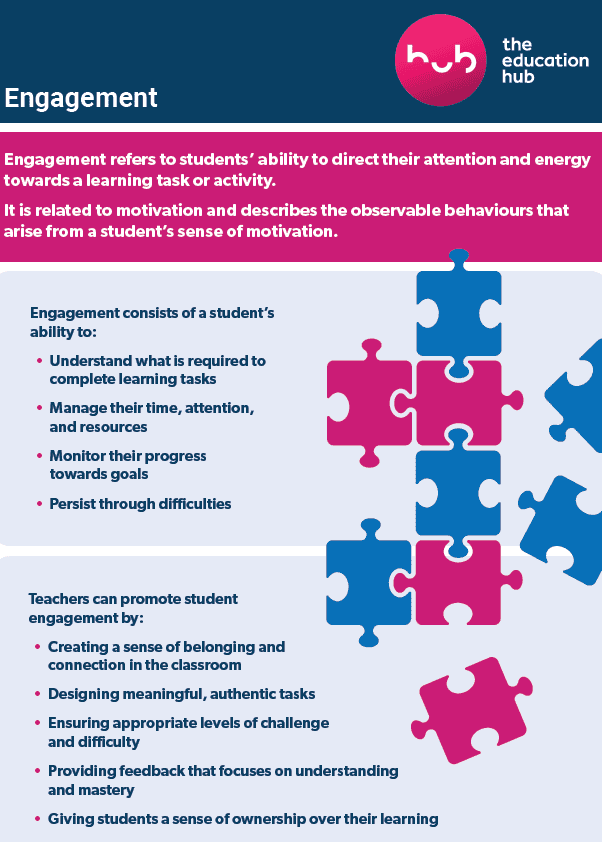
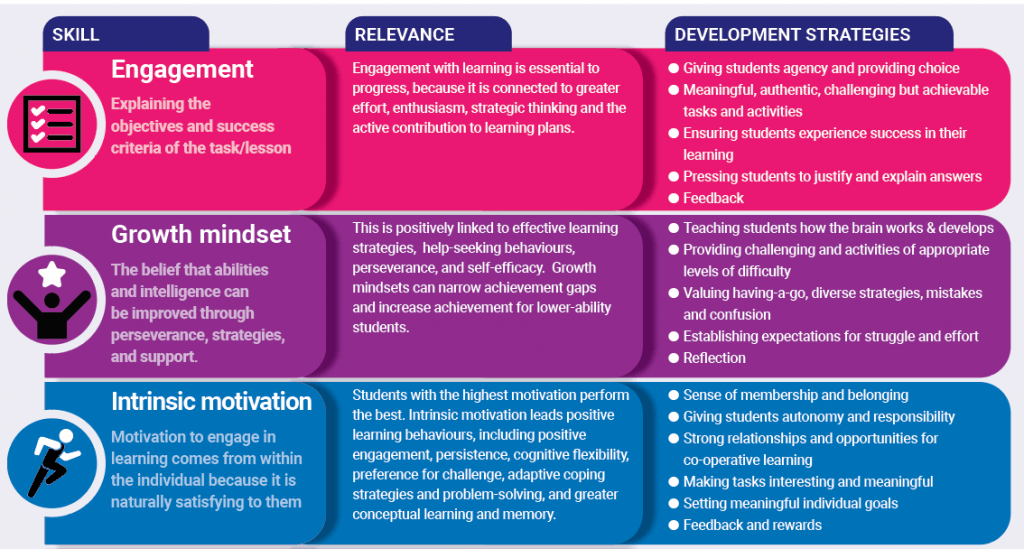
What is motivation and how can teachers support student motivation?

Key insights from a webinar with Dr Seungyeon Kim and Dr Madeline Hayward from Koi Tū.
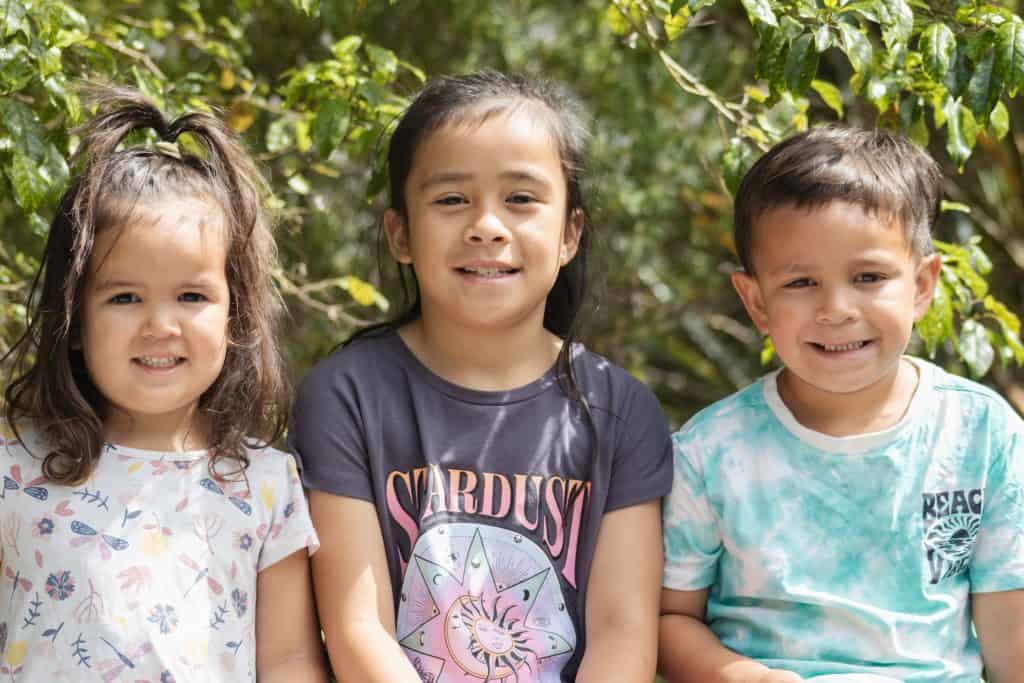
Key insights from a webinar with Dr Hana Turner-Adams from Waipapa Taumata Rau | University of Auckland.

Key insights from a webinar with Dr Melissa Barnes from La Trobe University.

Key insights from a webinar with Professor Sally Peters and Dr Hazel Woodhouse.
Key insights from a webinar with renowned linguist Emeritus Professor Paul Nation.
Key insights on supporting dyslexic students from a webinar with Associate Professor Rebecca Gordon from University College London.