

theteam@theeducationhub.org.nz
Postal Address
The Education Hub
Suite 4, Palm Space
PO Box 69-234
Glendene
Auckland 0645
A number of international approaches to early childhood education may offer a source of pedagogical and philosophical principles to guide teaching.
The early childhood curriculum Te Whāriki expects early childhood settings to weave a set of pedaogical and philosophical principles that are meaningful and relevant to their own context. Reviewing internationally respected educational approaches associated with key thinkers (Maria Montessori, Rudolf Steiner) or places (Reggio Emilia, Northern Italy), can provide some provocation for teachers’ reflection on pedagogy and curriculum design.
Approaches associated with Reggio Emilia, RIETM Montessori or Steiner education have some similiarities with the goals and aspirations of Te Whāriki.
While there is limited research evaluating these frameworks against outcomes for children in early childhood, some of the key features and guiding principles underpinning these approaches are based on robust research evidence.

An introduction to Dr Alison Clark's theory of slow pedagogies.

An introduction to enacting the principles of social justice in early childhood settings.

The main tenets underpinning Vygotsky’s theory of education

An overview of Piaget’s key educational principles

A description of some of the key principles underpinning Steiner education.

A summary of the key tenets of the Pikler/RIE philosophy of early childhood care and education.

Associate Professor Gloria Quiñones from Monash University explores how infants and toddlers’ interactions with their bodies, peers, environments, and even non-human entities can be supported through thoughtful, slow pedagogies.

Love has been positioned as a contested emotion in early childhood education, but there are strong arguments for exploring this in early childhood practice

Professor Marek Tesar (University of Auckland) and Dr Vicki Hargraves discuss the importance of incorporating children’s voices in to curriculum design and implementation in early childhood settings.

Key insights from a webinar with Associate Professor Gloria Quiñones from Monash University.
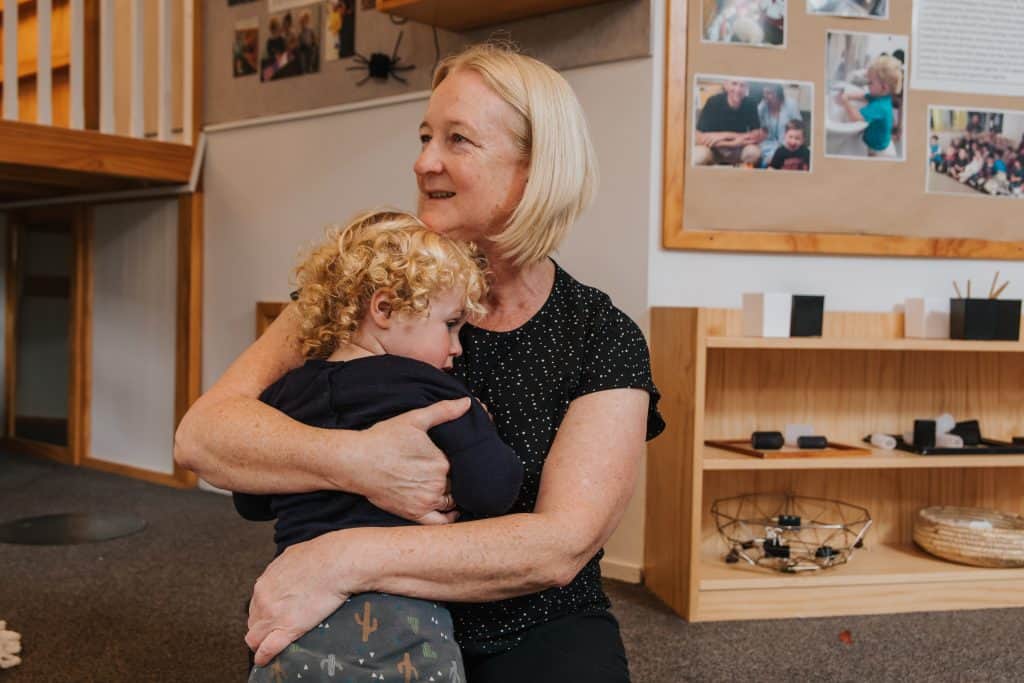
Key insights from a webinar with Dr Andrea Delaune.
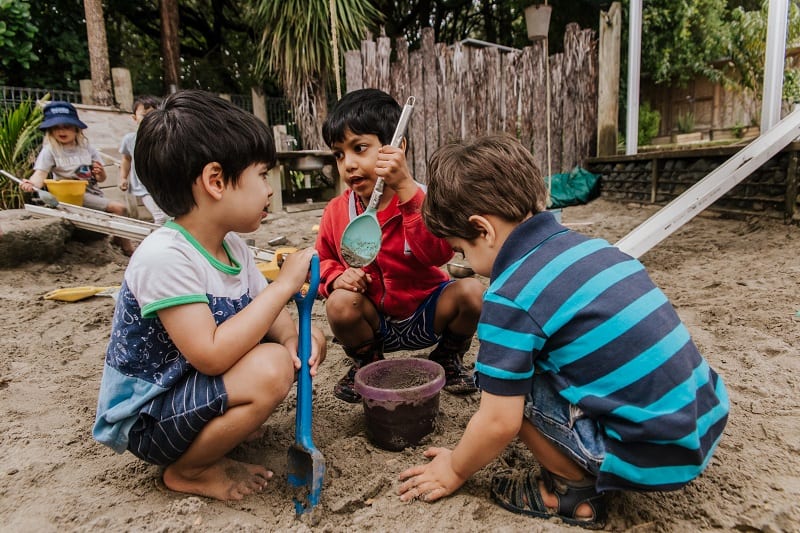
The key insights from our webinar with Marek Tesar exploring the vital role of children's voices in early childhood education.
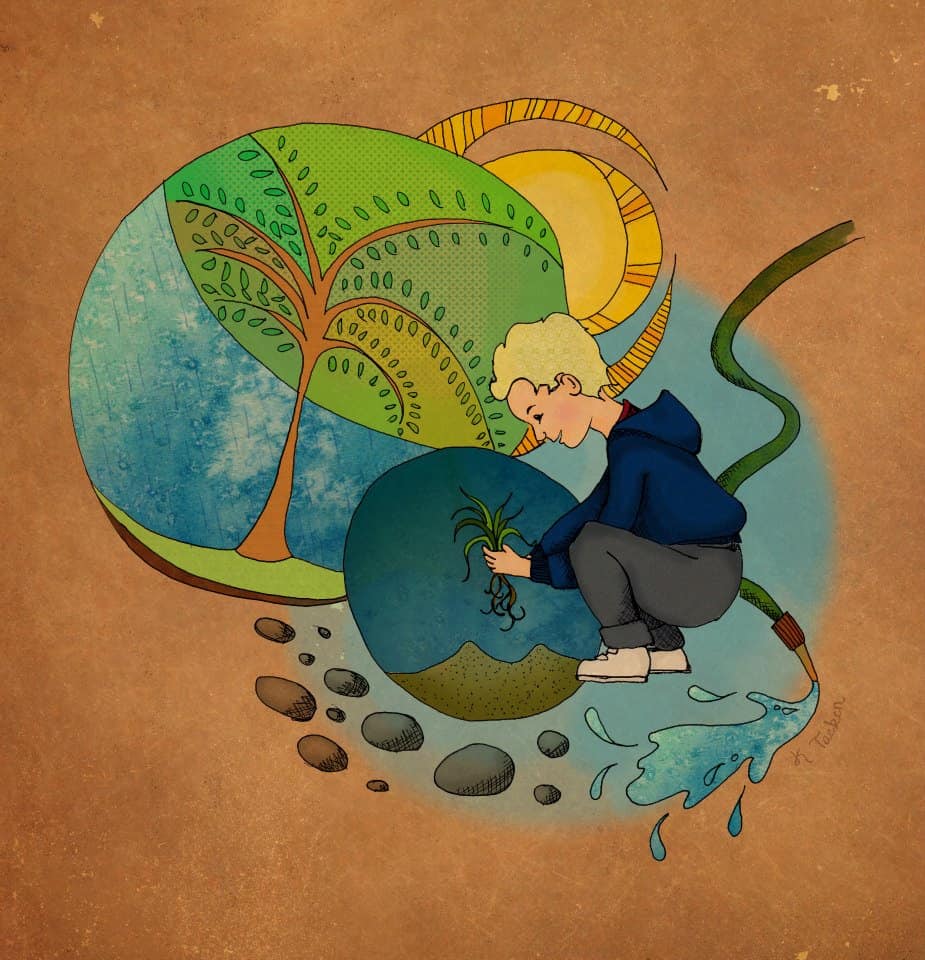
Tina Tacken, leader or the infant and toddler space at the AUT Childcare Centre, discusses how she balances Magda Gerber’s concept of respectful practice with the need to develop a rich language environment