
theteam@theeducationhub.org.nz
Postal Address
The Education Hub
110 Carlton Gore Road,
Newmarket,
Auckland 1023
The main purpose of mentoring in education is to support teachers and leaders to reflect critically on their knowledge, skills and dispositions in order to improve and enhance their practice and wellbeing.
Mentoring usually involves a one-to-one relationship where one teacher or leader mentors another who is less experienced. There are also more specific forms of mentoring such as peer mentoring, networks of mentoring, e-mentoring, and mentoring circles or networks.
Mentoring is most often associated with the induction of new and early career teachers, although ideally it should be available throughout a teacher’s career. As a teacher or leader progresses in their career, other forms of mentoring such as instructional coaching, peer mentoring or group mentoring may be more appropriate than a traditional model of a more experienced teacher/leader guiding a less experienced teacher/leader.
Research from New Zealand and around the world has found that mentoring can have positive impacts on teaching. Studies have reported that, in addition to new learning, mentors gained new perspectives, confidence in their own teaching and a re-invigoration of their teaching and professional identity. Mentees new to teaching benefit from emotional and psychological support that increases their confidence and morale. However, it is important to be aware that research about mentoring in educational settings is still in its developing stages and there is a lack of empirical evidence in this field.
It is important to recognise the range of expertise, skill and knowledge mentors require, and to ensure they receive appropriate training, support and resources. Leaders should also take care when setting up mentoring partnerships to ensure there is an appropriate match between mentor and mentee. Mentors can use a range of strategies to ensure that they provide appropriate pedagogical challenge and guidance as well as emotional and social support for mentees.
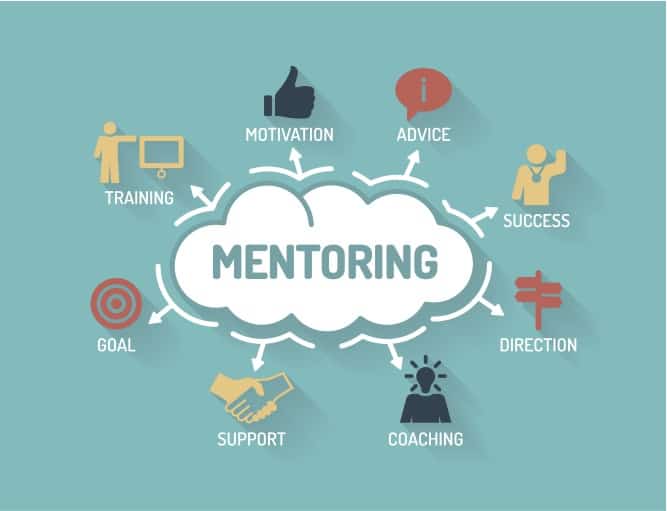
The key principles of effective mentoring and how to use them in practice.

How to build trusting relationships and establish roles and responsibilities in mentoring partnerships.

A set of questions to help structure and guide productive mentoring conversations.
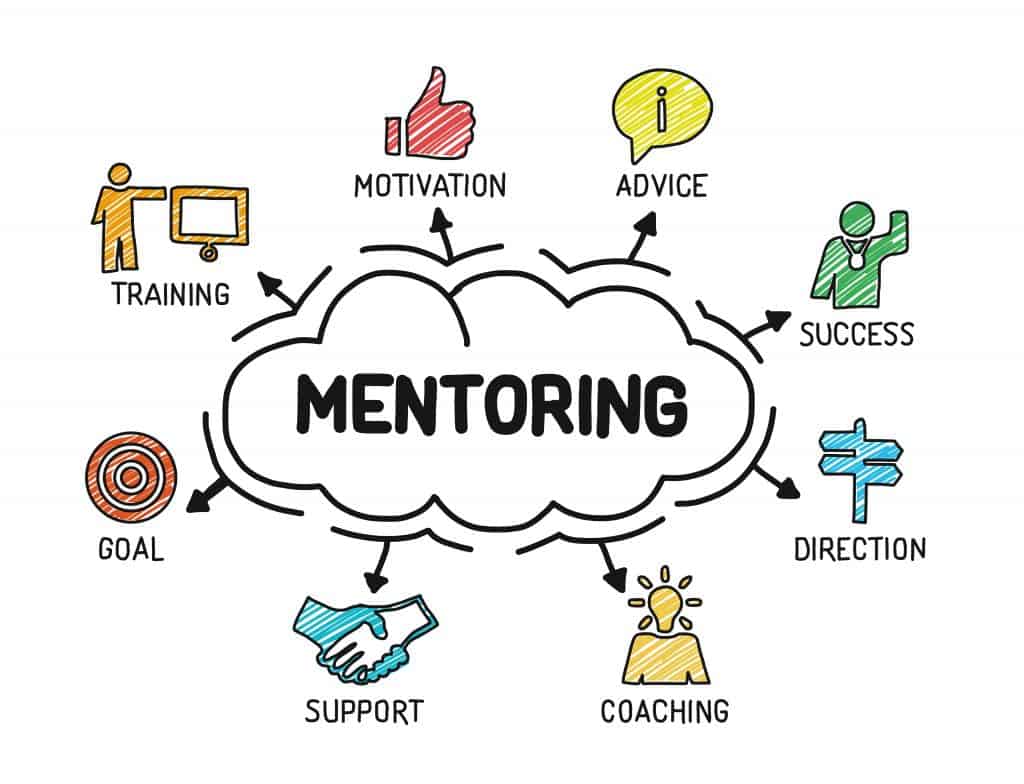
An introduction to the research on mentoring and its benefits for both mentors and mentees.

Sue Cherrington, Kate Thornton, and Rachel Denee explore recent research into the role of professional learning communities (PLCs) in early childhood education and discuss the role of both within-centre and network PLCs.

This webinar explores the importance of teachers’ relationships with each other in early childhood settings.

Key insights from our webinar with Sue Cherrington, Kate Thornton, and Rachel Denee on the role of PLCs in teacher professional learning.

Important ideas for building trustful relationships among teachers in ECE settings