Culturally responsive pedagogy
Culturally responsive pedagogy can validate children’s cultural identities and enable them to access and engage with the cultural practices of their homes and communities.
Definition
Culturally responsive pedagogy involves teachers adapting and transforming their practice as a result of a deep engagement with and understanding of children’s and families’ diverse cultures. Culturally responsive pedagogy affirms, values and draws from children’s cultures, and actively supports and maintains children’s cultural identities and practices.
It is important to note that culturally responsive pedagogy involves more than an awareness of the festivals and diets of major national groups. Individuals are guided by cultural beliefs, values and norms for everyday actions and interactions, leading to significant differences among people from the same cultural background. Culture cannot be reduced to set of practices around food, costume and holidays.
Relevance
Cultural differences between home practices and those of early childhood settings can negatively affect children’s adjustment to the setting and their subsequent learning. Culturally responsive pedagogy can mitigate the difficulties and marginalisation families experience when their home cultural practices are in conflict with those of the early childhood setting and mainstream culture.
State of the evidence
While there is currently little evidence that directly links culturally responsive practices to increased learning and achievement, the incorporation of aspects of children’s home culture into early childhood settings in New Zealand has been shown to successfully mediate the learning experiences of Chinese immigrant children in comparison to children in settings where their home cultures are not supported. Research also demonstrates reduced stereotypes and increased parent partnership when teachers’ practices are culturally responsive.
In practice
- Develop an awareness of the cultural basis of your thoughts, actions, and beliefs, and reflect on how your perceptions and practices influence your expectations of families
- Interrogate how culture is connected to power and inequality, and how the pedagogical and bureaucratic practices of the early childhood setting privilege some families over others
- Seek to understand the practices, perspectives and beliefs of families
- Develop sensitive, long-term relationships and connections to learn about families
- Use discussion and dialogue to co-construct mutually agreed pedagogies with families that incorporate families’ values into the curriculum and programme
Guiding questions
- Have you created forums for discussion with families in which different perspectives co-exist and are valued?
- What do you do when the values, aspirations or expectations of families are different to your own?
- What do you do to find out about children’s home lives and families’ approaches to learning?
- Do you adapt practices according to the needs and preferences of diverse families?
- How do you develop your knowledge and understanding of cultural differences?
Kaupapa Māori and leadership in early childhood education
An introduction to the key principles of kaupapa Māori leadership and their implications for early childhood settings.
Culturally responsive mathematics teaching in early childhood education
The importance of culture in children's early maths learning.
Understanding the families you work with: Reflective questions to uncover cultural differences
A set of useful questions to help you notice and understand the beliefs, values and practices of diverse families.

Principles for culturally responsive teaching in early childhood education
A closer look at the key principles underlying culturally responsive teaching in early childhood settings.
How to use a superdiversity approach to work with migrant families in early childhood care and education settings
Understanding superdiversity and what it means in early childhood settings.
How to support recently immigrated children and families with culturally responsive practice
Strategies specifically designed to help you work with children and families who are recent immigrants to New Zealand.


Bicultural and place-based inquiry with children
Coming in November
In this webinar, Dr Sarah Probine from Auckland University of Technology will share insights from a collaborative project undertaken with kaiako, children, and whānau in six early childhood settings. The project explored how bicultural and place-based approaches can deepen children’s connections to their local environments and strengthen shared knowledge-building across communities.
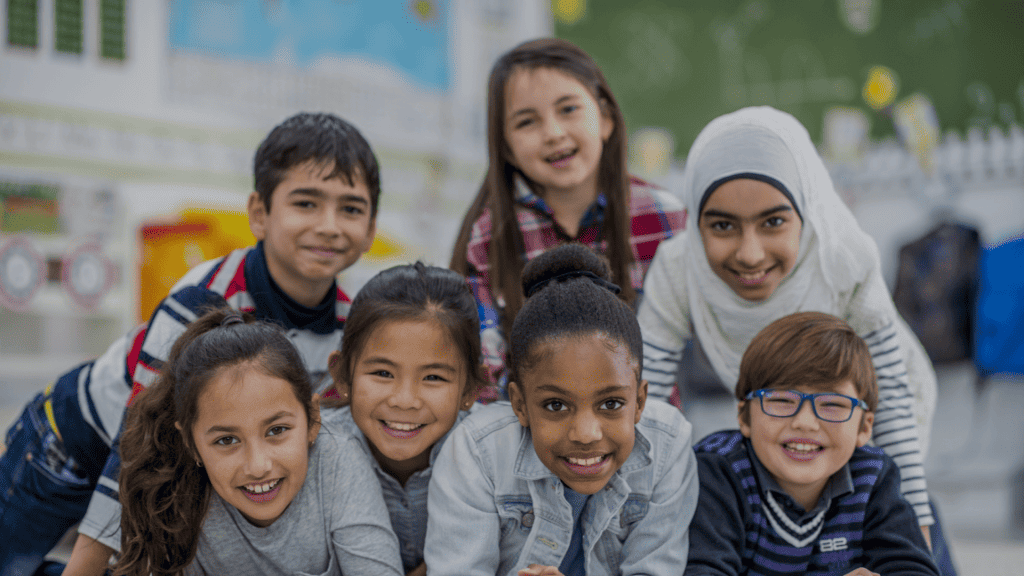
Supporting positive transitions for refugee and migrant children
This webinar for early childhood and school teachers and leaders shares insights from research by Professor Sally Peters and Dr Hazel Woodhouse which highlights the powerful role of early childhood settings, schools, Settlement Centre staff, and families in supporting positive educational experiences and transitions.

Mātauranga Māori principles from a Kaupapa Māori perspective
Dr Tui Summers talks about some of the key principles that underpin kaupapa Māori leadership
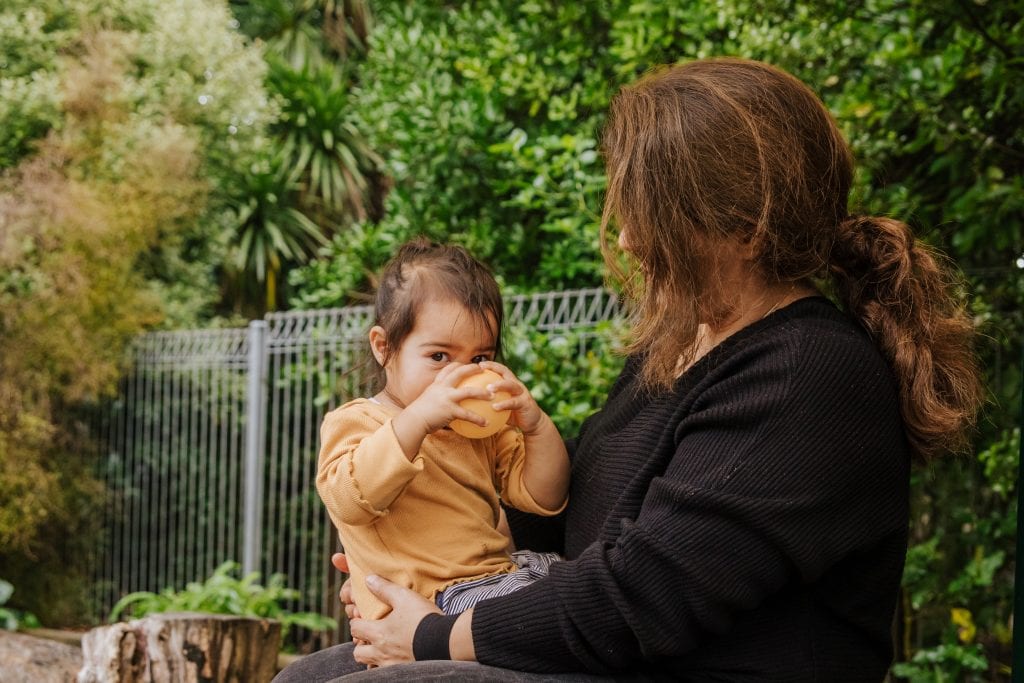
Autism and culturally responsive practice
Dr Jessica Tupou (Victoria University Wellington) shares insights from her ongoing research into supporting autistic children and the importance of taking a culturally responsive approach
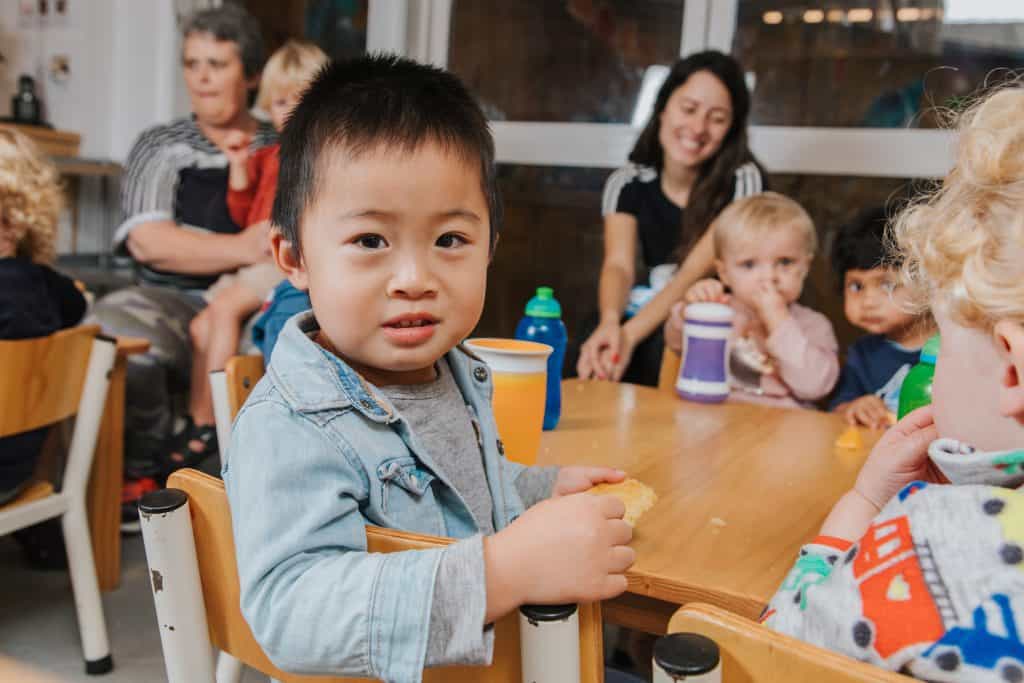
Bilingualism in early childhood settings
Associate Professor Mere Skerrett from Victoria University of Wellington shares insights into her work on bilingualism and language development in early childhood settings.
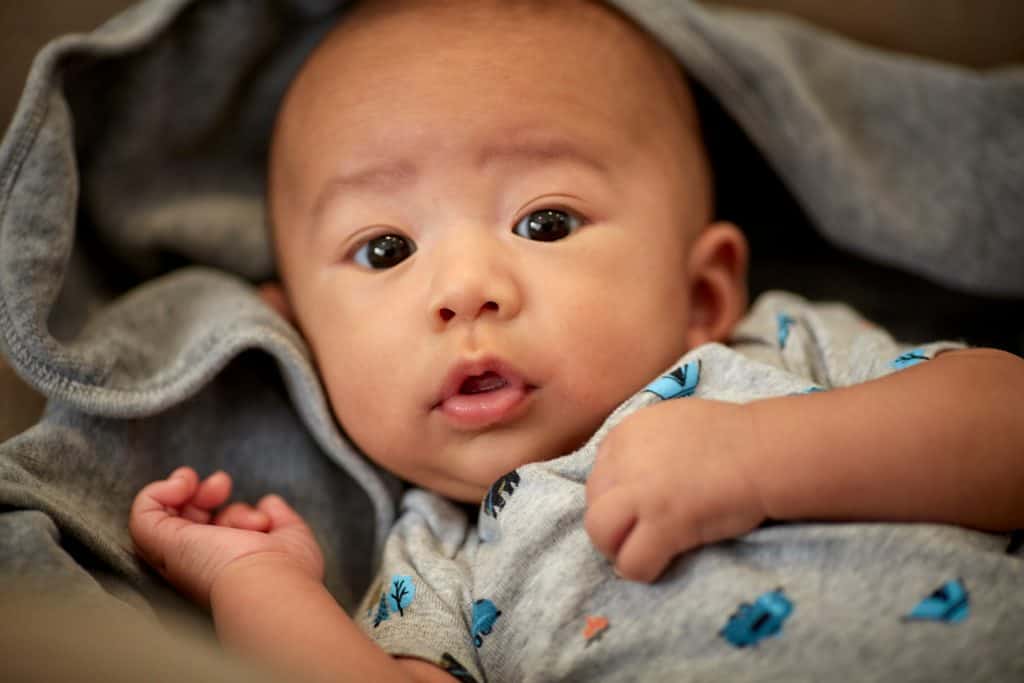
Samoan indigenous philosophy and practice in early childhood education
Insights from the second stage of the TLRI (Teaching and Learning Research Initiative) study that aims to develop New Zealand’s first Samoan Indigenous framework for Samoan infant and toddler pedagogy.

Positive transitions into school and early childhood settings for refugee and migrant children
Key insights from a webinar with Professor Sally Peters and Dr Hazel Woodhouse.
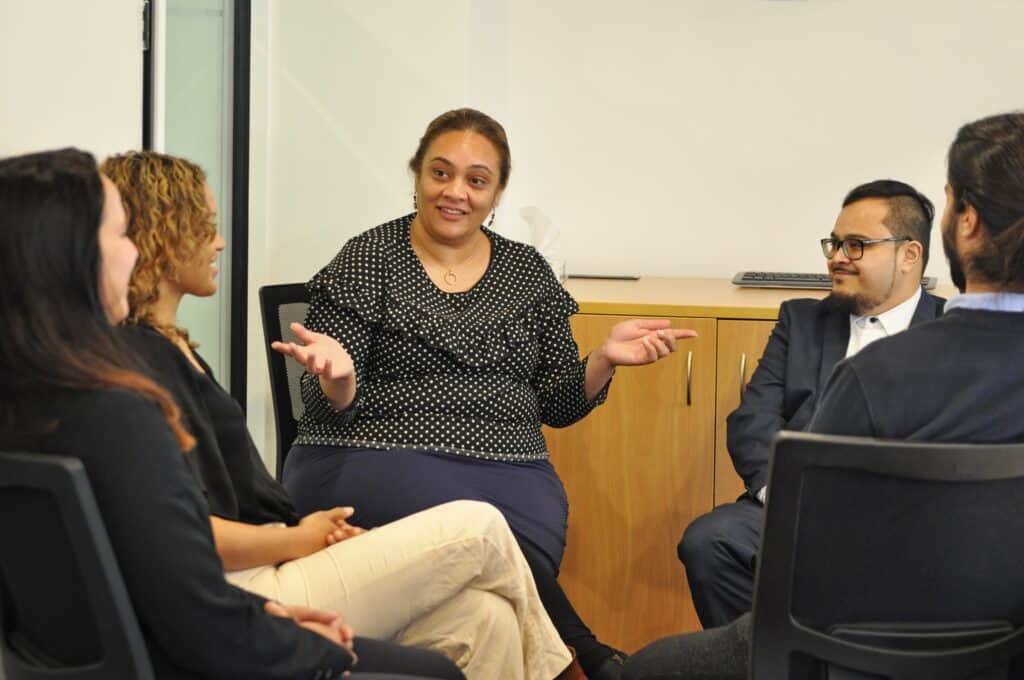
Mātauranga Māori principles from a Kaupapa Māori perspective
Key insights from a webinar with Dr Tui Summers from Te Rito Maioha.

Supporting autistic tamariki Māori in early childhood settings
Key insights from a webinar with Dr Jessica Tupou.
Supporting children to become bilingual in Aotearoa New Zealand
Key insights from our webinar on bilingualism with Associate Professor Mere Skerrett.
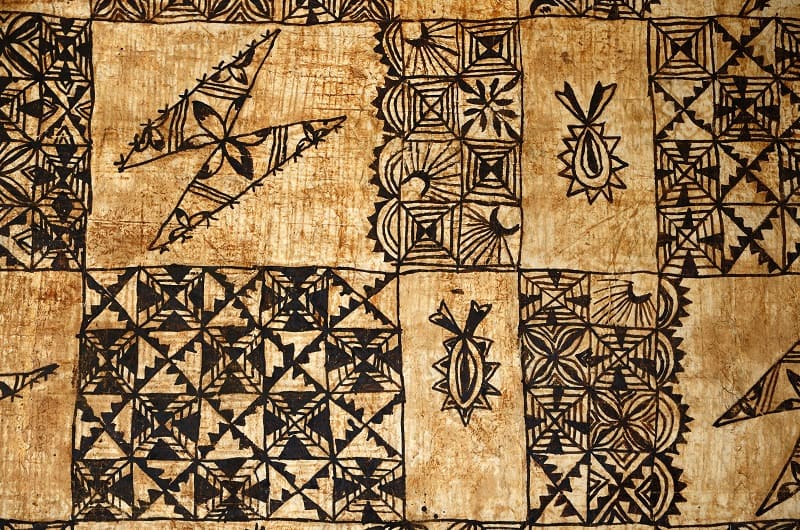
Exploring Samoan epistemology and pedagogy for culturally responsive practice with infants and toddlers
Key insights from our second webinar with Jacoba Matapo, Salā Faasaulala Tagoilelagi-Leota, and Tafili Utumapu-McBride.
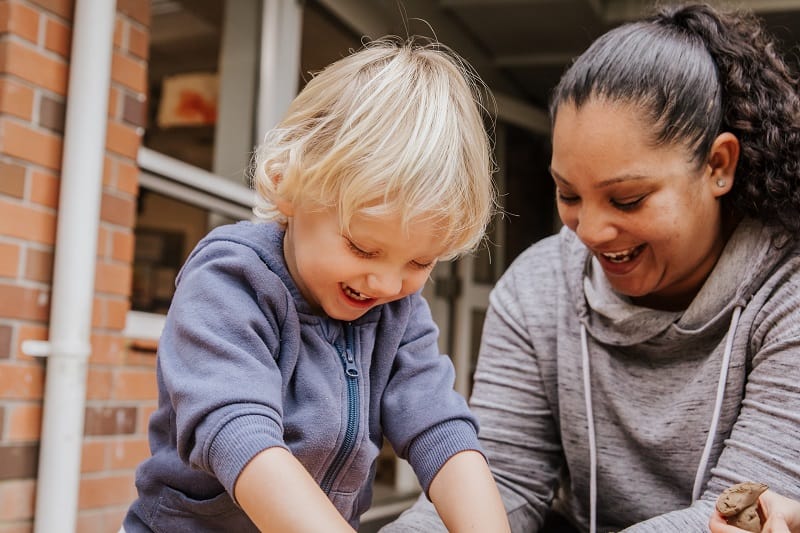
Enhancing mana through kaitiakitanga for children’s wellbeing in early childhood education
Key insights from our webinar with Lesley Rameka.