
theteam@theeducationhub.org.nz
Postal Address
The Education Hub
110 Carlton Gore Road,
Newmarket,
Auckland 1023
Research shows that children are capable of and interested in engaging with a range of scientific and STEM concepts from a young age.
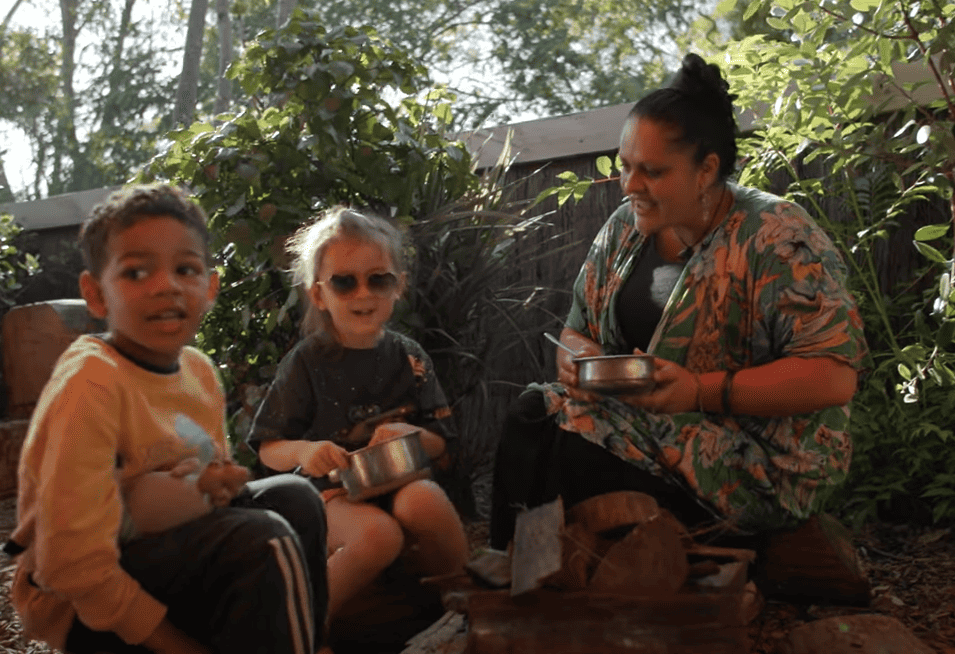
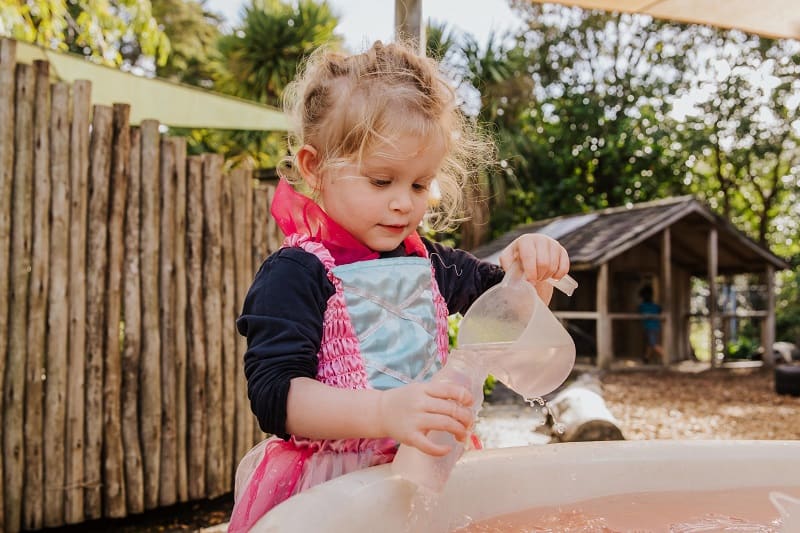
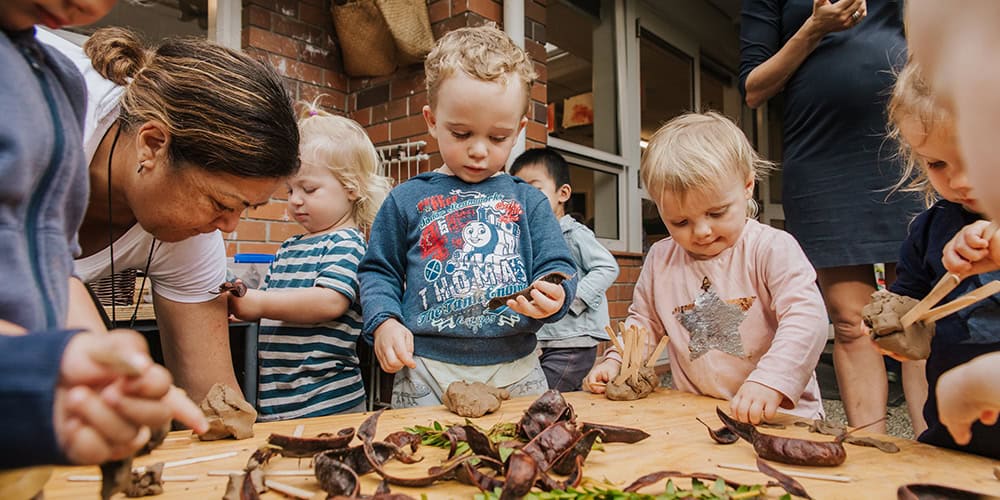
STEM stands for science, technology, engineering, and mathematics, and encompasses a wide range of concepts, skills, and processes. In early childhood education, science learning can include lifecycles, gardening, seasons, biodiversity, water, ecosystems, indigenous knowledge, properties of substances, and chemical changes through cooking. Engineering might involve experimenting, construction play, sand play, water play, building treehouses, using pulleys, and designing and making boats. Technology might include use of tools, art materials, pulleys, levers, magnifying glasses, and digital technologies. Mathematics might include counting, estimation, measuring, sorting, spatial awareness, and noticing patterns. STEM learning also involves engaging deeply with cultural and indigenous knowledge and beliefs about the world.
STEM learning encompasses both content knowledge and process skills that are fundamental to later school and tertiary education. Introducing STEM learning in developmentally appropriate ways in early childhood settings can provide foundational knowledge, support the development of valuable process skills such as experimentation and problem solving, and encourage dispositions such as curiosity and perseverance through failure. Providing learning opportunities that recognise and build on children’s natural interest in exploring and understanding the world around them can support their readiness for school in a number of ways, while continuing to foster and enhance their curiosity and enthusiasm.
Many studies have demonstrated that young children are motivated and proactive when it comes to exploring and engaging with all kinds of STEM learning. A play-based curriculum provides endless opportunities for children to explore scientific concepts, engineering skills, high- and low-tech technologies, and mathematical concepts. Children are highly capable of instigating and leading the exploration of STEM concepts and the use of scientific approaches to learning and discovery. Research has also found that it is important for teachers to take the role of co-investigator alongside children, while enriching children’s STEM learning through the intentional provision of learning opportunities.
While children are naturally inclined to demonstrate many of the habits of scientific thinking, such as asking questions and engaging in sensory exploration of the world around them, the process skills involved in STEM learning require support and scaffolding to develop into the more sophisticated skills that children need as they process through school and beyond. A child-led approach to STEM involves noticing what the children notice and facilitating their interest, and teachers should try to be responsive to children’s play without stepping in unnecessarily to share their own knowledge or provide immediate answers to children’s questions. But teachers can also provide provocations, structured learning opportunities, and repeated exposure to places or experiences to allow for observation and learning over time. Deep and engaging STEM learning happens when teachers employ processes of discovery, observation, classification, hypothesising, experimentation, problem-solving, and analysis alongside children.
In this webinar, internationally recognised researcher Professor Marilyn Fleer shares practical insights into how play worlds and narratives can be used to achieve meaningful science outcomes in early childhood and primary classrooms.
A team of academics from the USA shares insights from a project exploring inquiry-based sustainability pedagogies and practices in early childhood settings
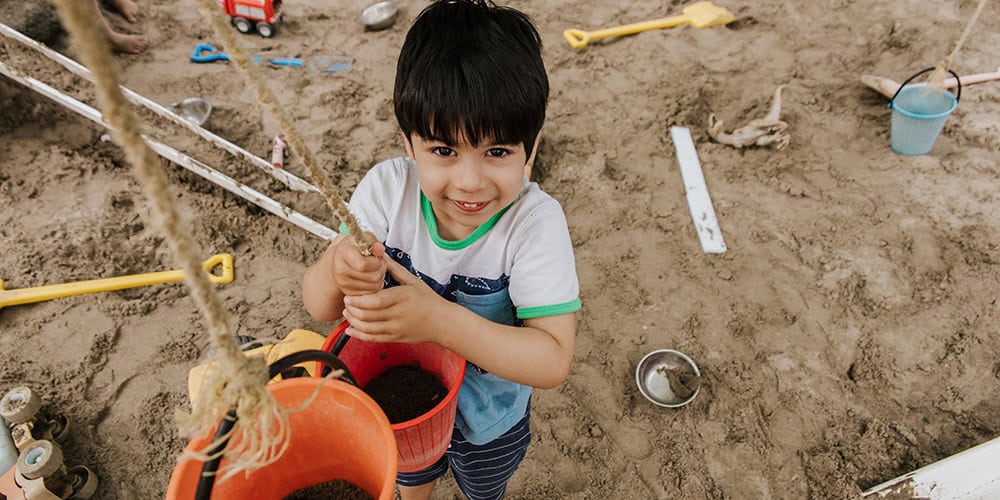
Professor Karen Malone shares insights from her research with teachers into ethical practices for engaging with nature in early childhood settings
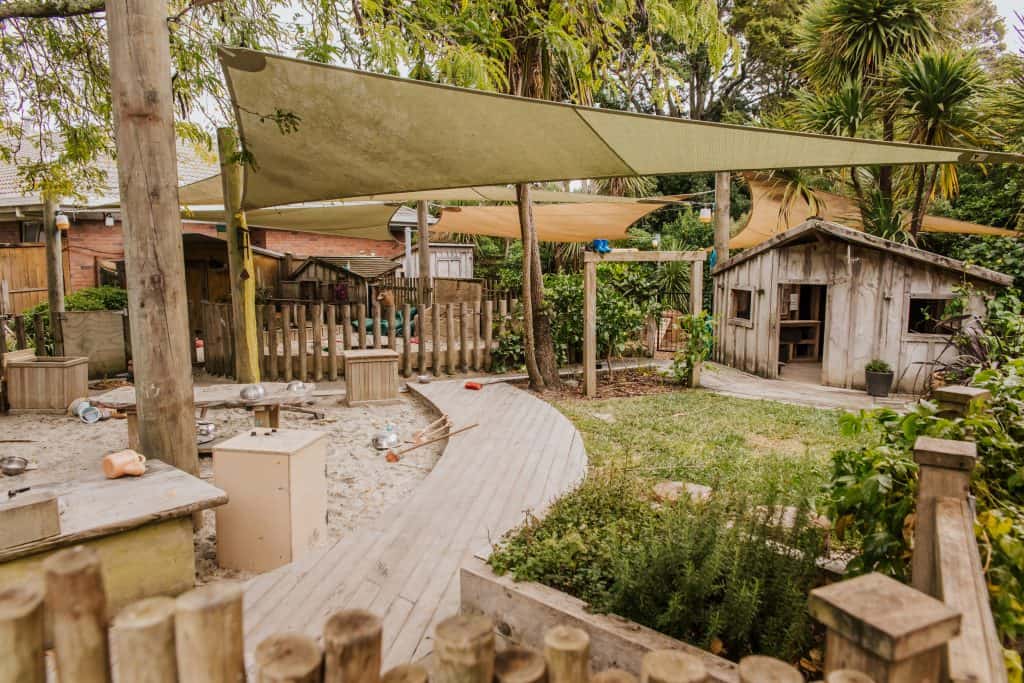
Professor Amy Cutter-Mackenzie-Knowles and Dr Maia Osborn from Southern Cross University, Australia share findings from their research into teaching and learning science and STEM concepts through play-based pedagogies and nature play

Key insights from a webinar with Professor Marilyn Fleer about science learning in early childhood settings and the early primary years.
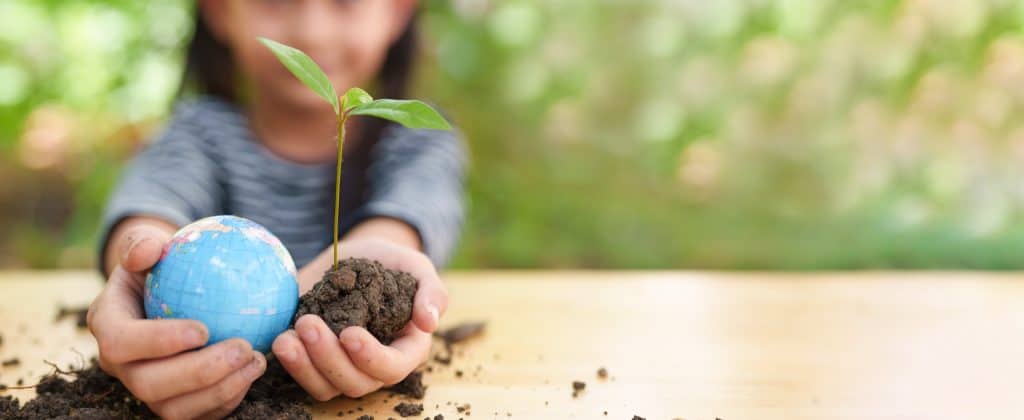
Key insights from a webinar with Dr Lacey Peters, Dr Janette Habashi, Dr Victoria Damjanovic, and Dr Ingrid Anderson.
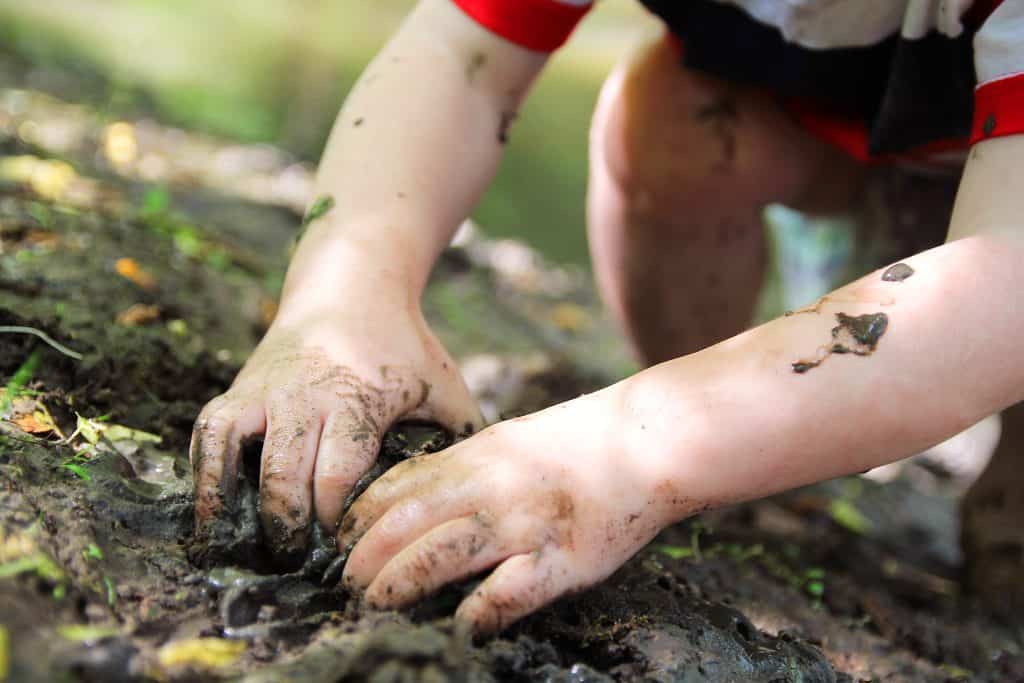
Key insights from a webinar with Professor Karen Malone of Swinburne University.
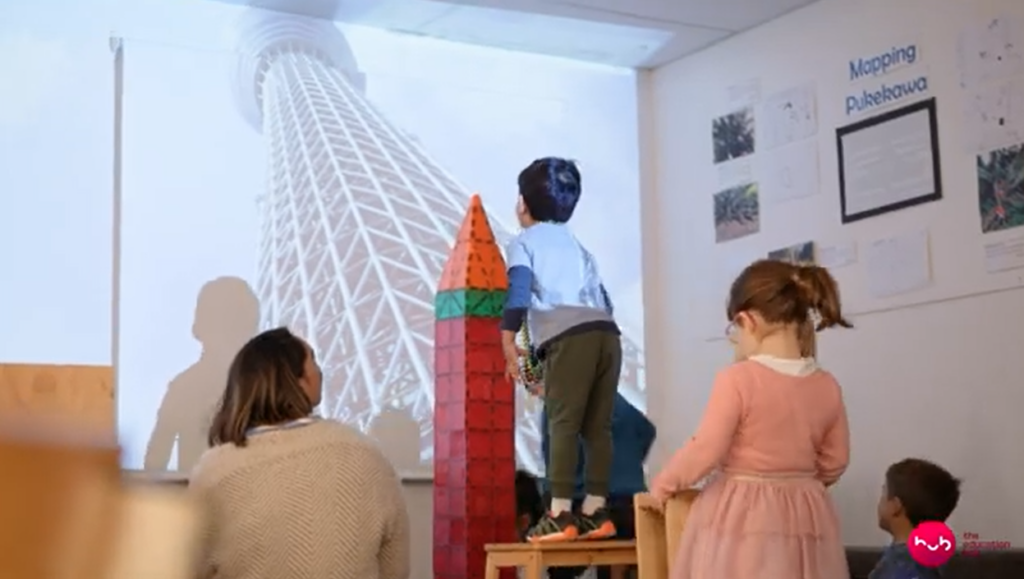
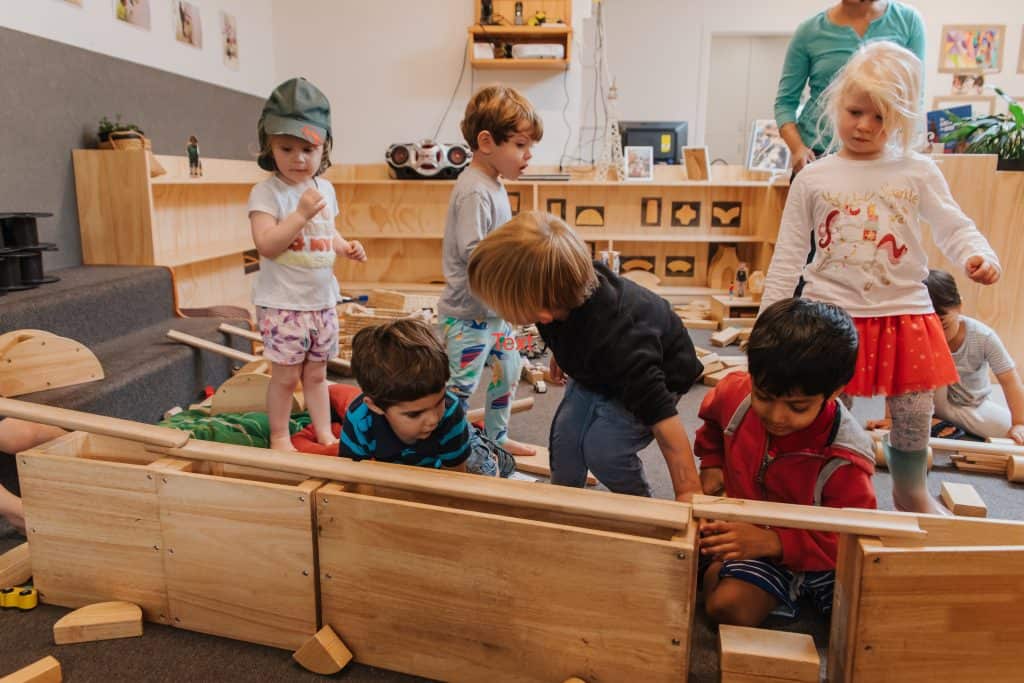
Blocks and construction materials provide rich opportunities for cross-curricular learning.
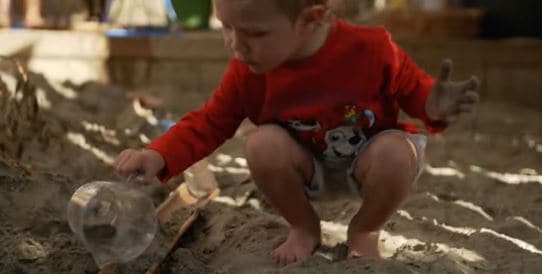
Using science for children to learn how to protect and nurture their environment.
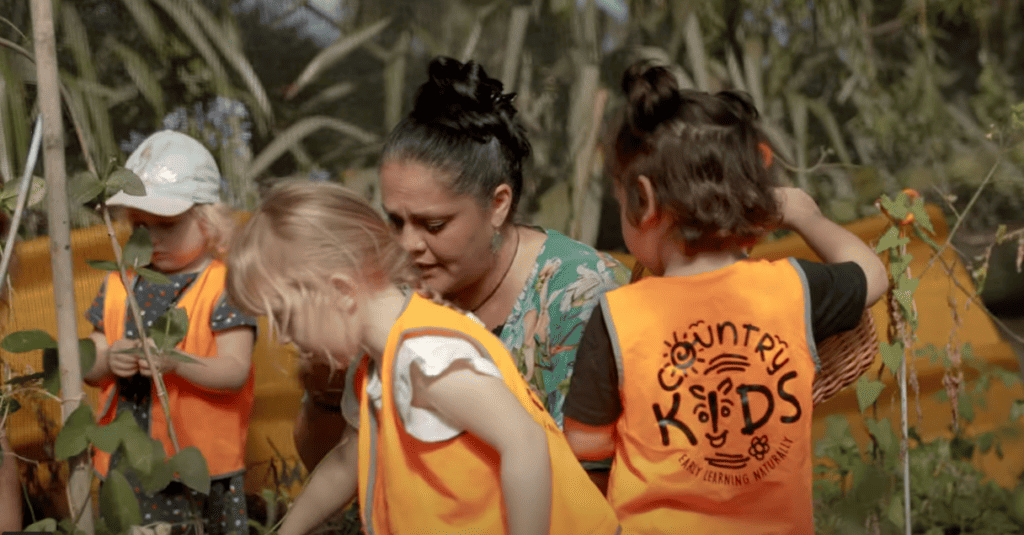
Gardening opens up a wide range of opportunities for science, sustainability, and social emotional learning.