
Relational pedagogies
Strong, positive relationships are considered the foundation of effective learning in the early years.
Definition
Relational pedagogies draw on the relationships, interactions, communication and interconnection of people, places and things in children’s sociocultural contexts to enhance and extend children’s learning and development.
Relevance
Children’s learning and development is supported through close, caring and consistent relationships that promote trust and security. Relationships are the cornerstone of effective early childhood curriculum and pedagogy.
State of the evidence
There is a wealth of evidence confirming the importance of strong, secure relationships as a basis for children’s effective learning and development, extending Bowlby’s development of attachment theory and linking strong attachment relationships to a range of long term positive outcomes for children. Recent neuroscience research demonstrates the impact of nurturing and responsive relationships on infants’ brain development.
In practice
- Aim to ensure ongoing, stable and attentive relationships and attachments between teachers and children, taking care to support children’s connections to particular teachers.
- With infants and toddlers, develop more attuned interactions through individualised, sensitive and timely responses to their verbal and non-verbal cues.
- Focus on providing a physical and emotional presence for children and orienting yourself to children’s experiences to develop more attuned interactions.
- Focus on improving daily interactions and connections with children as a way to strengthen relationships.
- Deepen relationships through experiences of joint attention or joint involvement, shared meaning-making or (with infants and toddlers) reciprocal imitation.
Guiding questions
- How do you ensure each child develops a strong and trusting attachment to at least one teacher in the setting?
- What strategies can you use to get to know each individual child well?
- How do you ensure that interactions between teachers and children strengthen relationships?
- How do the environment and routines enable teachers to engage in attentive interactions with children?
- What possibilities are there for activities in which teachers and children can experience joint involvement and shared attention?
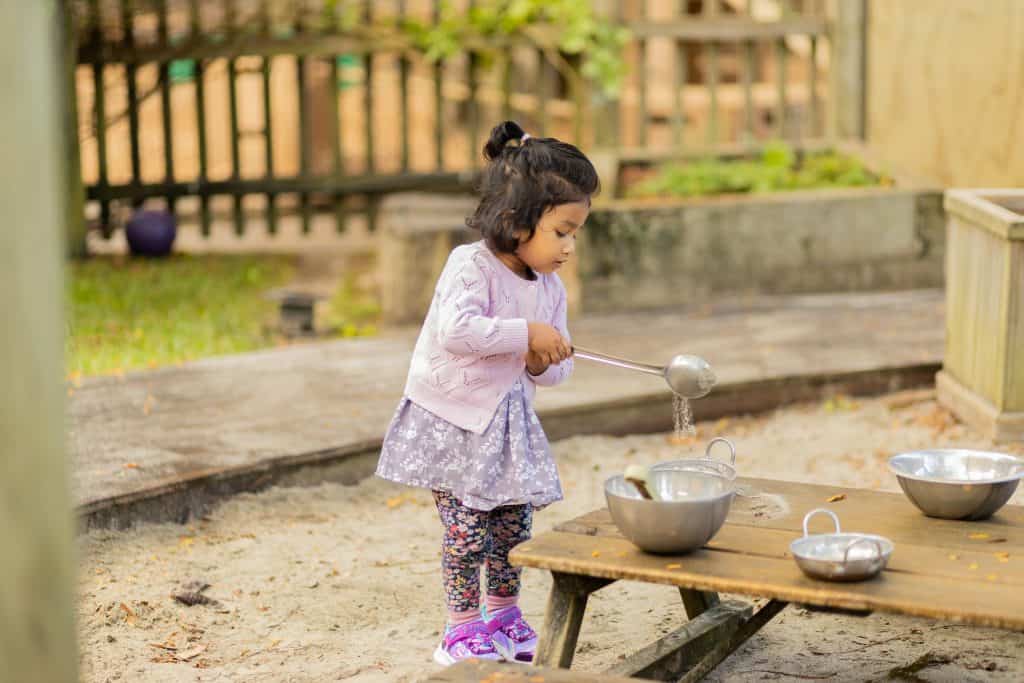
Slow pedagogies in early childhood education
An introduction to Dr Alison Clark's theory of slow pedagogies.
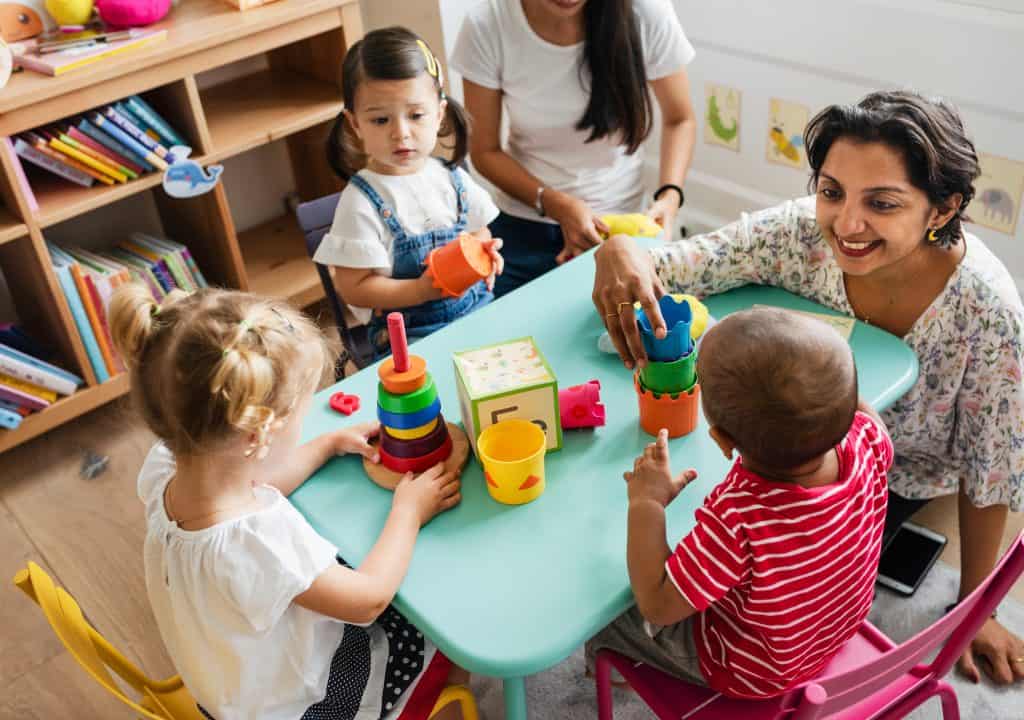
Putting relationships centre-stage: Strategies for developing positive relationships with children
The importance of relationships to children’s wellbeing, learning and development, and some strategies for building strong, reciprocal relationships with children in early childhood settings.
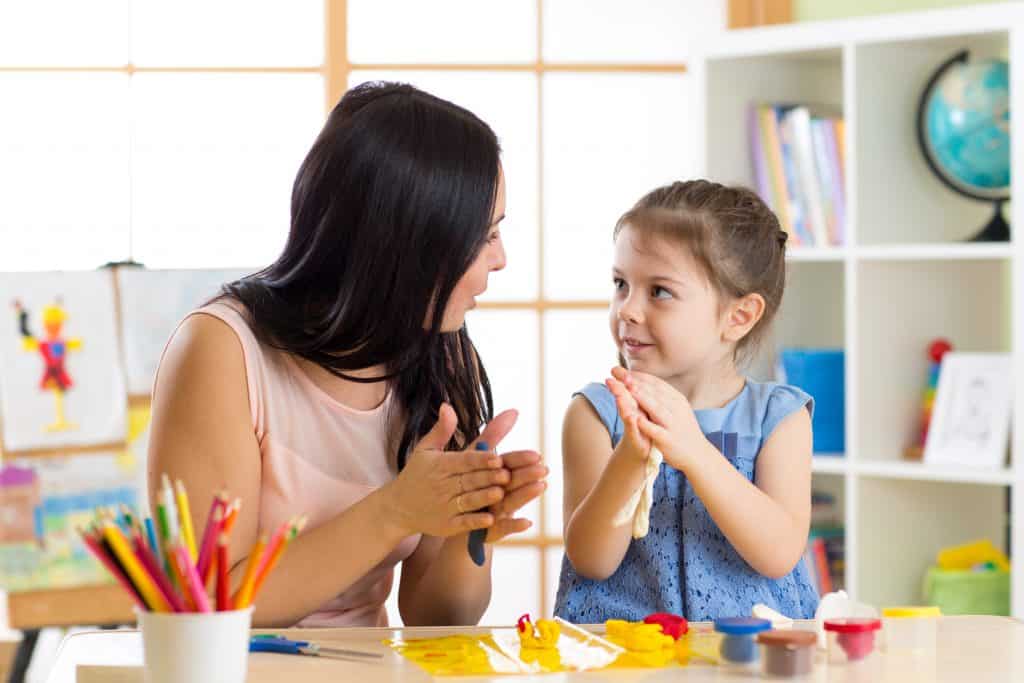
An introduction to serve and return in early childhood education
An introduction to the concept of ‘serve and return’, the challenges it brings, and the many benefits for infants and toddlers.
What matters in infant and toddler pedagogy?
An overview of the key principles from the research on infant and toddler pedagogy.
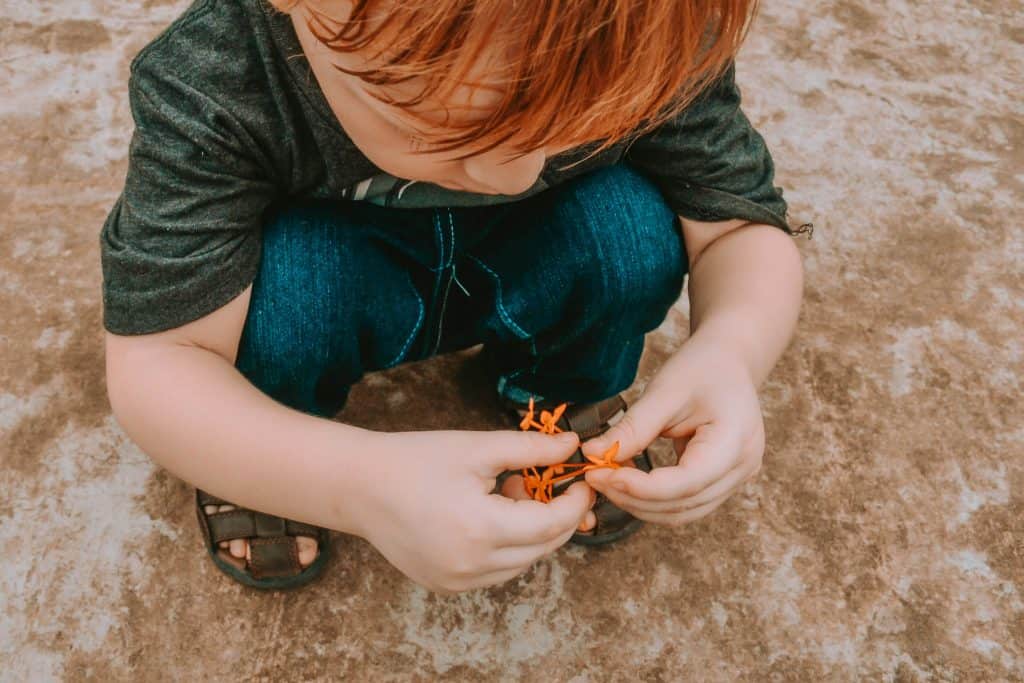
Slowing down with very young children
Associate Professor Gloria Quiñones from Monash University explores how infants and toddlers’ interactions with their bodies, peers, environments, and even non-human entities can be supported through thoughtful, slow pedagogies.
Supporting children with a range of needs in early childhood settings
Dr Vicki Hargraves talks about how teachers can develop supportive, inclusive pedagogies and environments that nurture all learners.
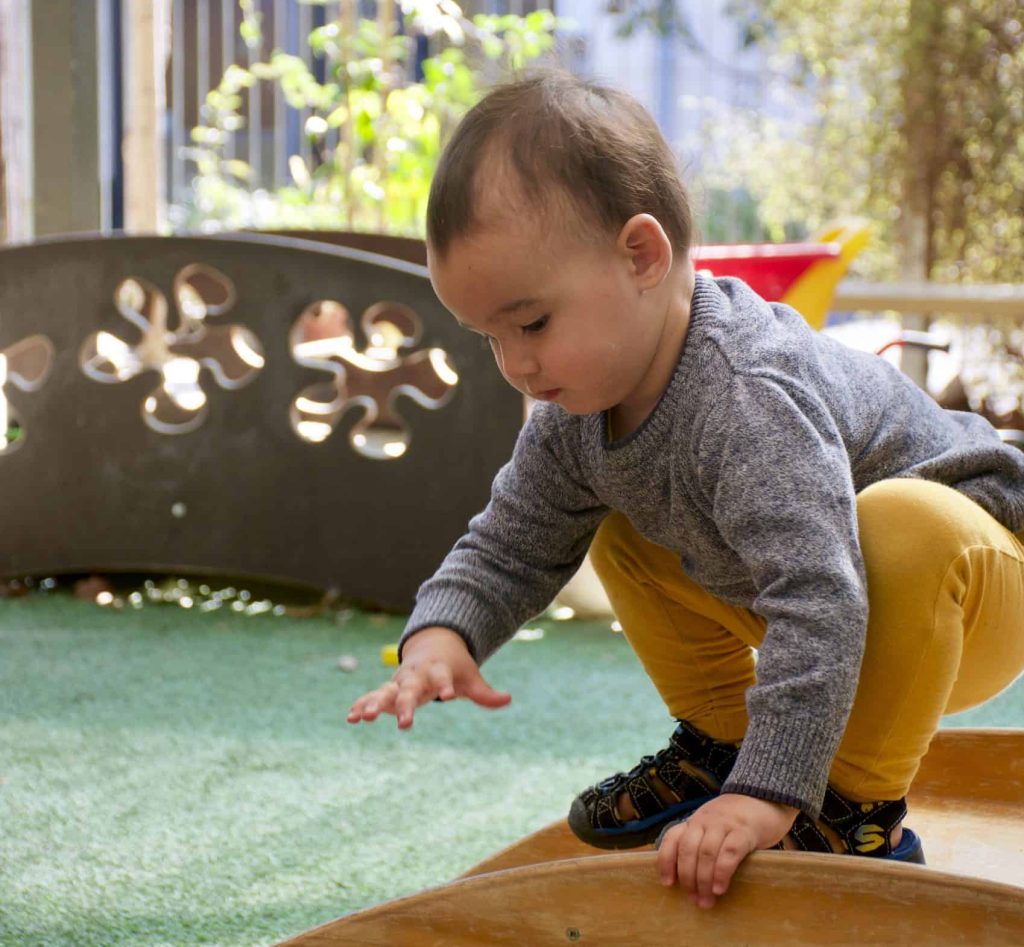
What is specialist about infant and toddler practice?
Professor Carmen Dalli and Dr Karyn Aspden explore the key messages about the specialist nature of high quality infant and toddler practice.

Social Emotional Competence in Early Childhood Education
This online course is designed to help early childhood teachers and leaders understand the different elements of social and emotional competence, including social skills, emotion knowledge, and self-regulation.

Infants & Toddlers
This course explores the research behind early learning and development, including the importance of quality relationships and interactions, and how this translates into principles for practice. It also explores proven pedagogical strategies for caregiving and engaging effectively with infants and toddlers.
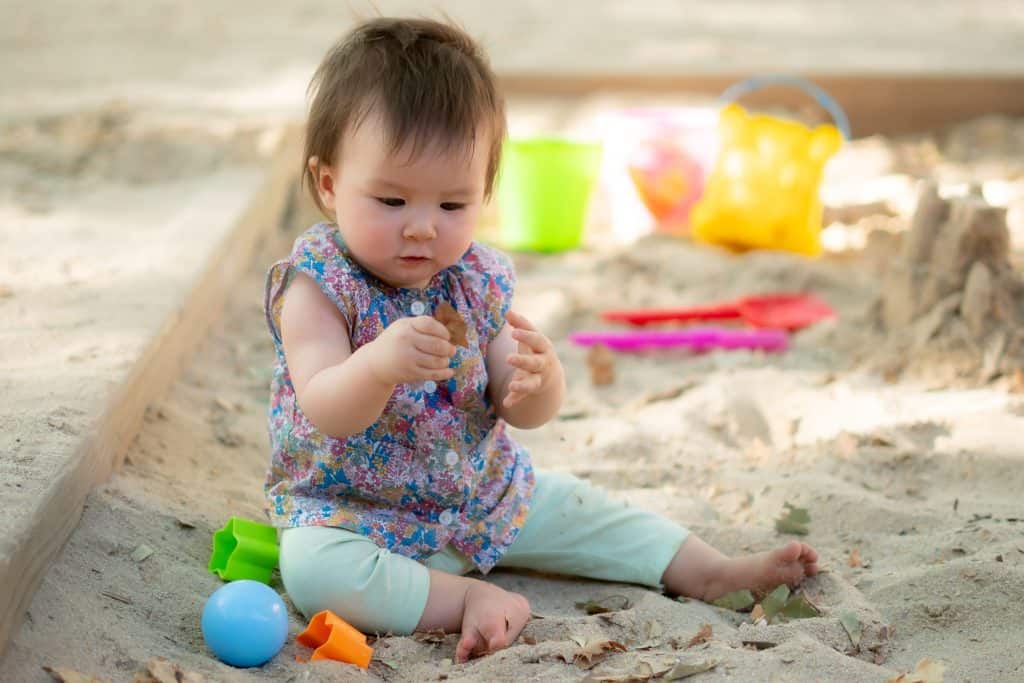
Rethinking time to enhance infants’ and toddlers’ experiences and learning
Key insights from a webinar with Associate Professor Gloria Quiñones from Monash University.

Using things from home in early childhood pedagogy
Key insights from our webinar with Dr Sonya Gaches from the University of Otago.
Supporting children with a range of needs in early childhood settings
Key insights from a webinar with Dr Vicki Hargraves.
Specialised practices for infants and toddlers
Key insights from the webinar with Professor Carmen Dalli and Dr Karyn Aspden.