Curriculum design
Effective curriculum design ensures that an early childhood setting’s priorities for learning are promoted and supported through teachers’ and children’s daily activities and interactions.
Definition
Curriculum design is the process of planning a curriculum and associated activities, environments and interactions for early childhood based on agreed priorities for children’s learning. This will look different in every early childhood setting.
Relevance
Curricular plans and the associated provision of early childhood environments and experiences enable children’s inquiries, learning and development. Research finds that children’s achievement is greater where teachers plan for more structured play and focus on academic skills, as well as engaging in pedagogical practices such as direct teaching (questioning or modelling), ‘sustained shared thinking’, scaffolding children’s play, and extending child-initiated interactions.
State of the evidence
There is clear longitudinal evidence from the UK that suggests teachers’ planning for children’s learning and active involvement in children’s play and activity are associated with greater achievement. There is also a strong alignment between the research findings from cognitive psychology and neuroscience about the features of effective early childhood learning environments.
In practice
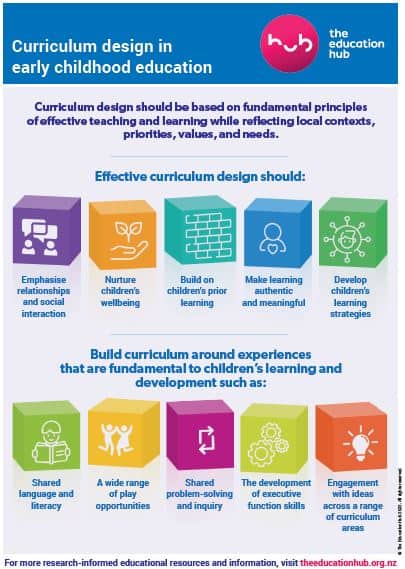
Plan purposeful teaching interactions building on and from children’s play, and take time to really consider potential teaching actions and decisions. Choose pedagogies and practices which enable you to:
- Emphasise relationships and promote social interaction
- Nurture children’s wellbeing
- Build on prior learning
- Make learning authentic and meaningful
- Develop children’s capacities for learning to learn
Guiding questions
- Do you draw on agreed priorities for children’s learning to inform curriculum design?
- How do you select priorities for children’s learning?
- Do you emphasise teachers’ roles and interactions as well as environment, activities and resources in your planning?
- Do you plan for a range of teaching strategies and pedagogies to teach content, skills and dispositions?
- What role do you assign children’s interests, intentions and self-initiated play in your processes for curriculum design?
Funds of knowledge: Building on children’s prior understandings and skills in early childhood education
An introduction to the role of children's funds of knowledge in curriculum design.
Co-constructed inquiry in early childhood education
An introduction to the role of inquiry in curriculum design.

What do I need to know to implement Te Whāriki 2017?
An overview of the key changes to the 2017 update of Te Whāriki and what they mean for practice.

Designing curriculum: Effective experiences and environments for early childhood education
Ideas to support the design of effective activities and environments for children in early childhood settings.
How children learn: Principles to underpin curriculum design
Exploring the research behind how young children learn and how to use this knowledge to inform curriculum design.
Bicultural and place-based inquiry with children
Coming in November
In this webinar, Dr Sarah Probine from Auckland University of Technology will share insights from a collaborative project undertaken with kaiako, children, and whānau in six early childhood settings. The project explored how bicultural and place-based approaches can deepen children’s connections to their local environments and strengthen shared knowledge-building across communities.
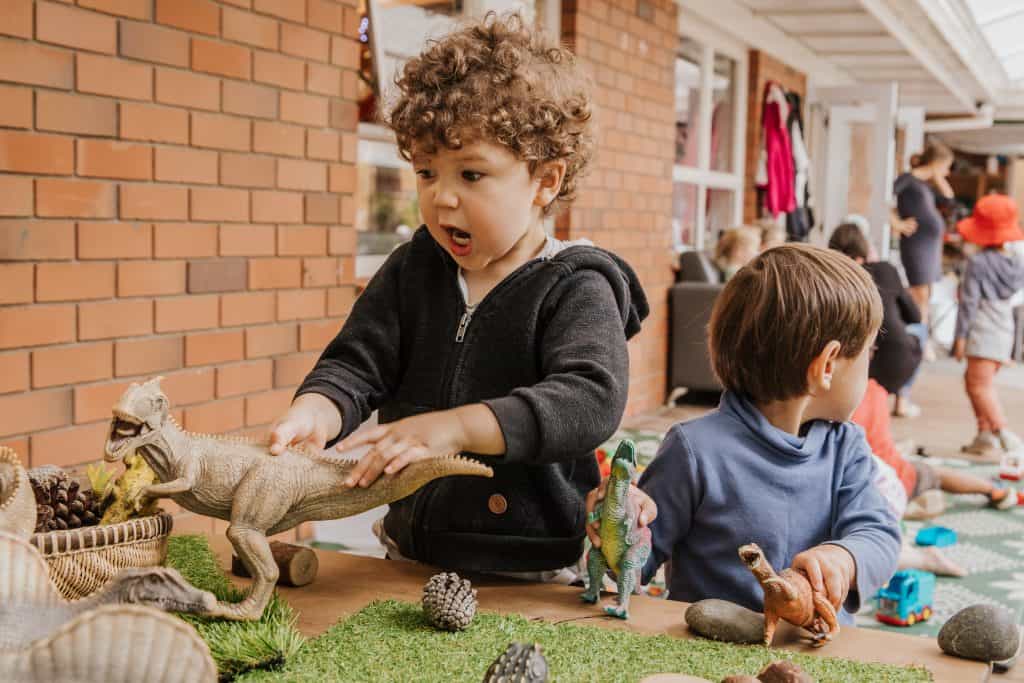
Children’s voices in early childhood curriculum
Professor Marek Tesar (University of Auckland) and Dr Vicki Hargraves discuss the importance of incorporating children’s voices in to curriculum design and implementation in early childhood settings.

Early musical learning
Watch Greta Bull-Crossan discuss ways musical play can be supported and empowered across infant, toddler and preschool age groups.
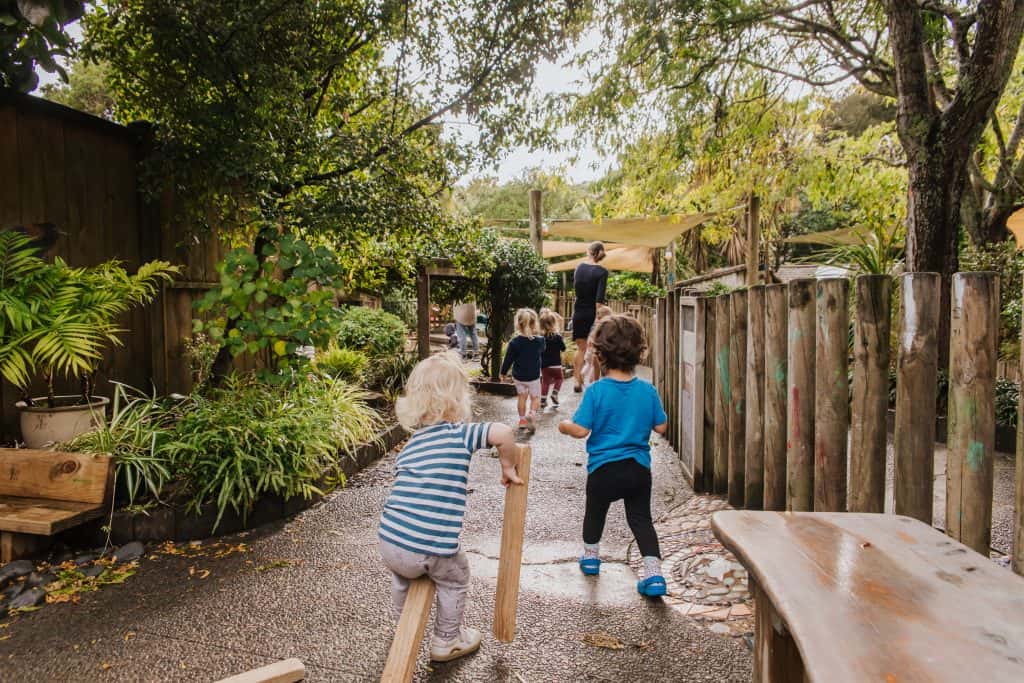
Authentically designing a curriculum aligned to local context
A discussion about the elements involved in setting up a local curriculum and look at ways to work with Te Whāriki (2017) to make this happen authentically.
Curriculum design in early childhood education
This full-length course focuses on the unique learning and development that occurs across the first five years of life, and covers early brain development, intentional teaching, relational pedagogies, play, co-constructed inquiry, and the critical role of reflective practice.

Curriculum Design for Infants and Toddlers
This short course focuses on the unique learning and development that occurs in the first years of life, supporting teachers to design responsive, research-informed curricular programmes grounded in an understanding of early brain development and the critical role of reflective practice in teaching infants and toddlers.
Curriculum Design for Three- to Five-Year-Olds
This short course explores how to build curricular programmes that reflect the capabilities, interests, and inquiries of three- to five-year-olds — grounded in evidence-informed pedagogies and intentional teaching strategies.

Curriculum Design for Two-Year-Olds
This short course explores the vibrant, embodied, and agentic ways that two-year-olds learn. Guided by curriculum experts and real-life examples from practising teachers and kaiako, you’ll gain practical tools to craft engaging, relational, and culturally responsive learning experiences.
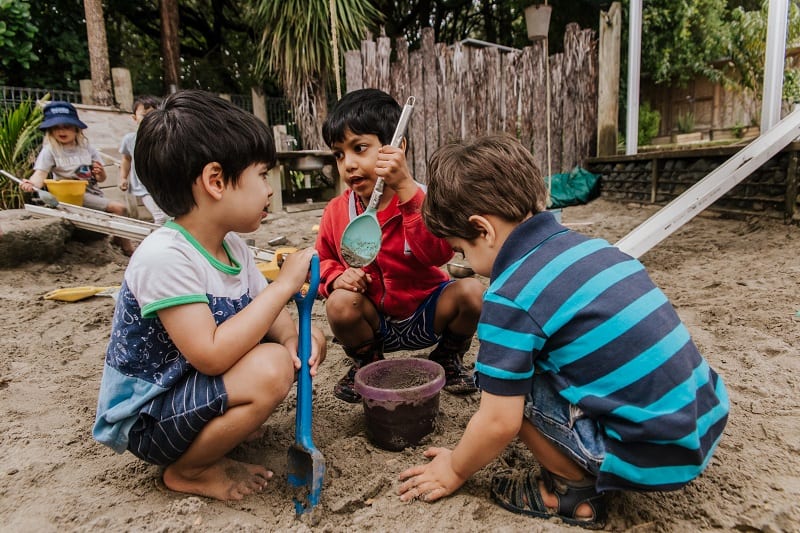
Listening to children for child-centred practice
The key insights from our webinar with Marek Tesar exploring the vital role of children's voices in early childhood education.
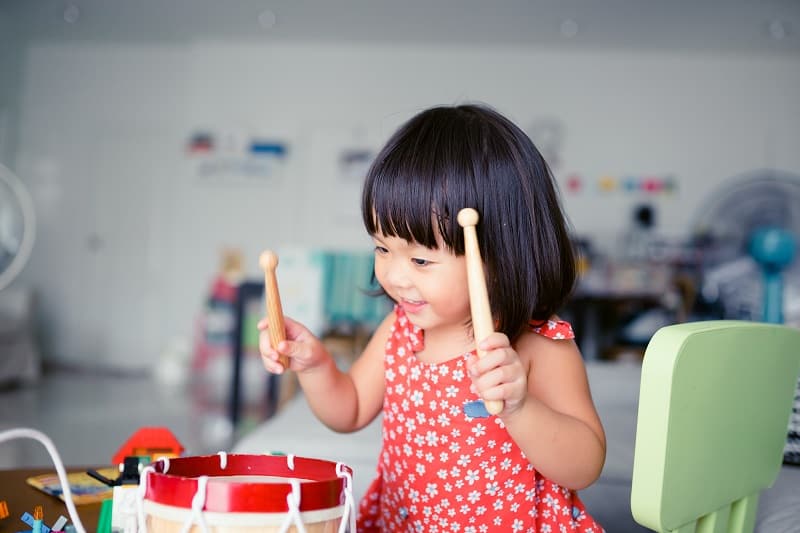
Empowering young children with musical play and exploration
Ideas and insights for musical exploration and experiences in early childhood settings from our webinar with Greta Bull-Crossan.
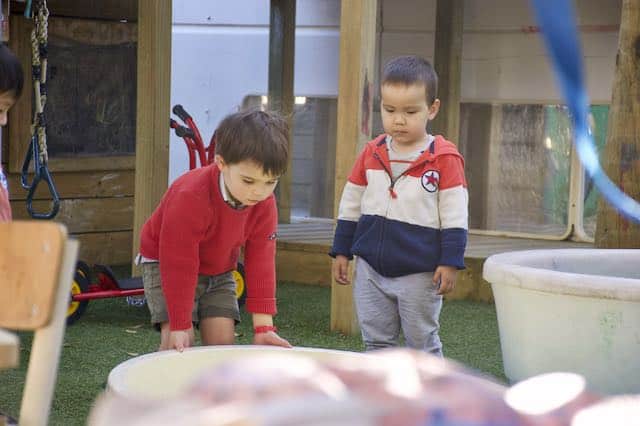
Designing an authentic, local curriculum in early childhood education
Key lessons from Anne Meade and Meg Kwan on designing an authentic, local curriculum
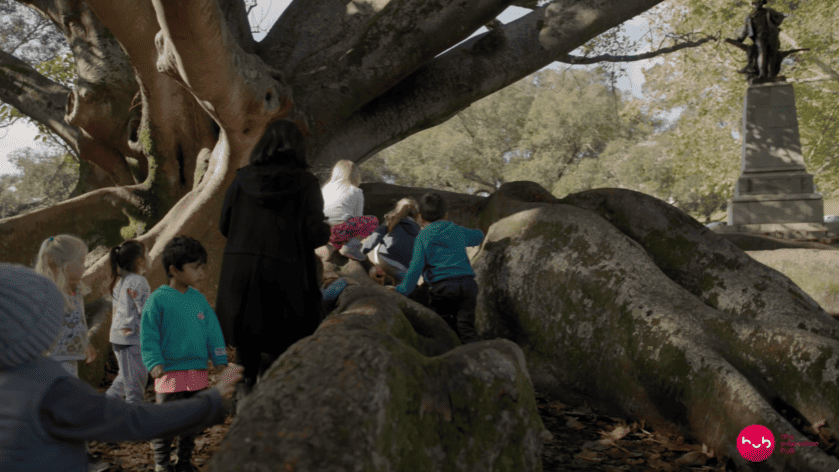
Local curriculum and learning outside the centre
How venturing outside the centre builds children’s sense of belonging in their community.
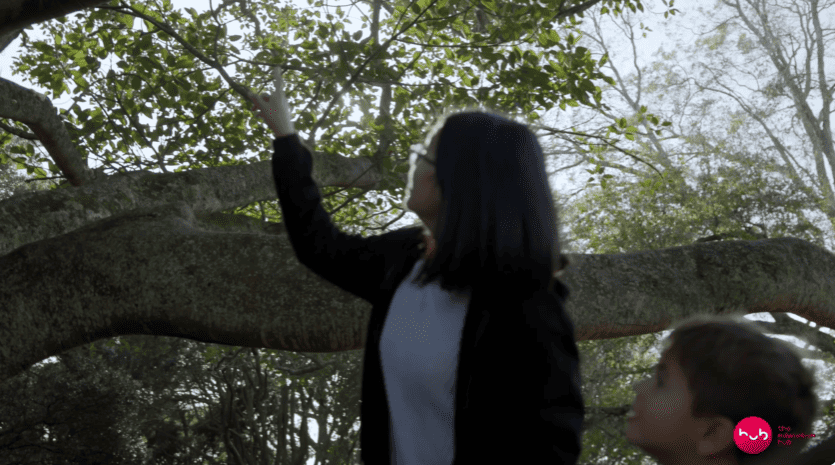
Inquiry-based planning and curriculum design
The principles of an inquiry-based approach at Kids’ Domain.
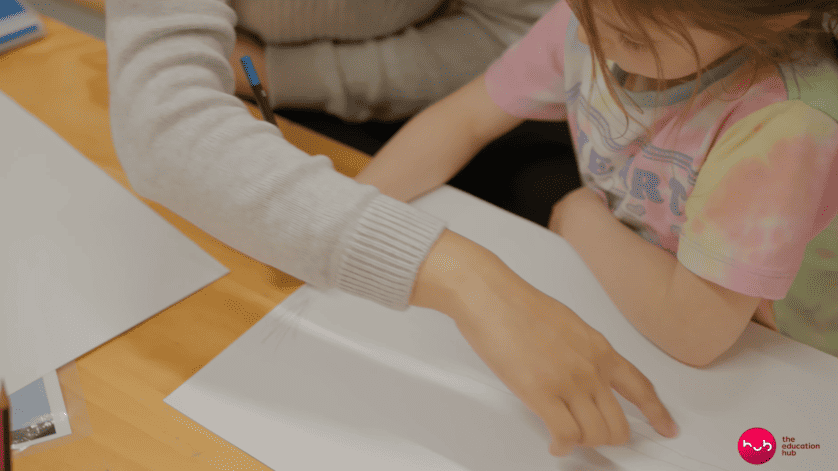
Inquiry in action
How the teachers at Kids’ Domain use an inquiry-based approach to respond to children’s interests.
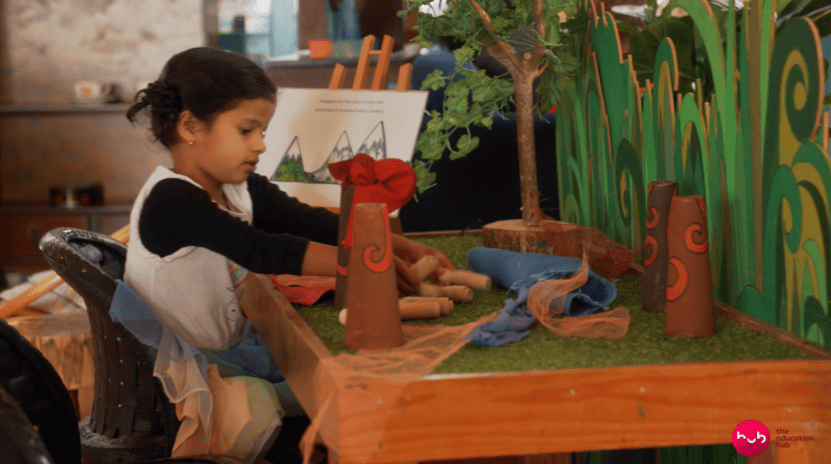
Pedagogical tools for developing a project
Discover how one early childhood centre approaches a project-focused curriculum.
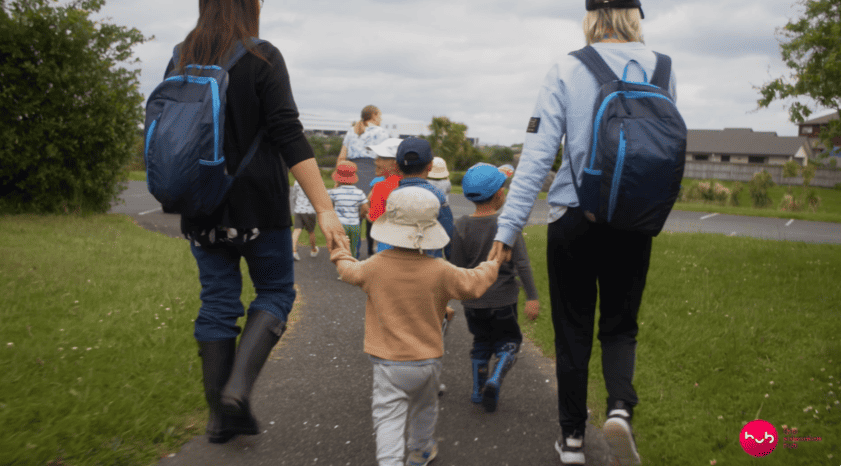
Outdoor explorers: Risk-taking beyond the centre
Exploring the local community provides many valuable learning opportunities,
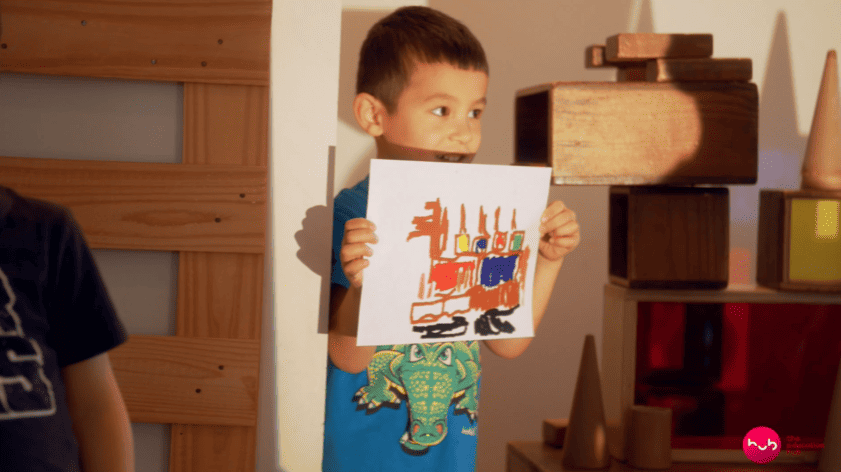
The design process
See how one teacher’s interest in fashion design led to the development of a cross-curricular focus on design thinking.