
theteam@theeducationhub.org.nz
Postal Address
The Education Hub
Suite 4, Palm Space
PO Box 69-234
Glendene
Auckland 0645
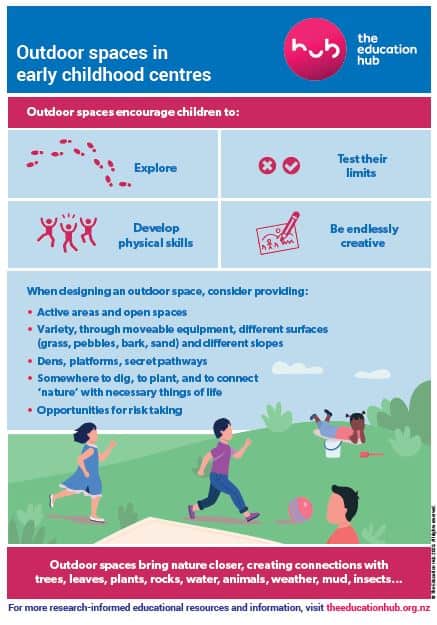
The provision of outdoor spaces in early childhood education supports a range of important learning and wellbeing outcomes.
The unique characteristics and stimuli of the outdoor environment provide a wealth of opportunities for play involving open-ended interactions, spontaneity, exploration, discovery, risk-taking, and imagination. Outdoor spaces also allow children to connect with, learn about and start to take responsibility for nature and the environment.
Spending time outdoors provides a wide range of play opportunities that cannot be replicated indoors, particularly for risky play, as well as an authentic context for children to learn about the world and their place within it. In outdoor settings, children generally move more, sit less and engage in play for more sustained periods. Green spaces also have positive effects on the physical and mental health of both children and adults. Contact with nature is associated with self-regulation, and physical activity in natural settings greatly improves self-esteem and positive emotions and behaviours.
Research has identified seven characteristics that exemplify outdoor environments that best support children’s exploration, play and learning in early childhood education settings: character, context, connectivity, change, chance, clarity and challenge. Thinking about the design and set-up of outdoor spaces in early childhood centres in terms of these factors will ensure that these spaces richly serve children’s learning and wellbeing needs.
Reflecting on resource allocation and use, time spent engaging with nature, ease of access to outdoor and natural spaces, and the role of adults in outdoor spaces can provide a rich source information about the learning potential of the environment as well as children’s interests and capacities.
Outdoor spaces and the many types of learning through play they support.

The characteristics and benefits of risky play, and how to design spaces and programmes to promote it.
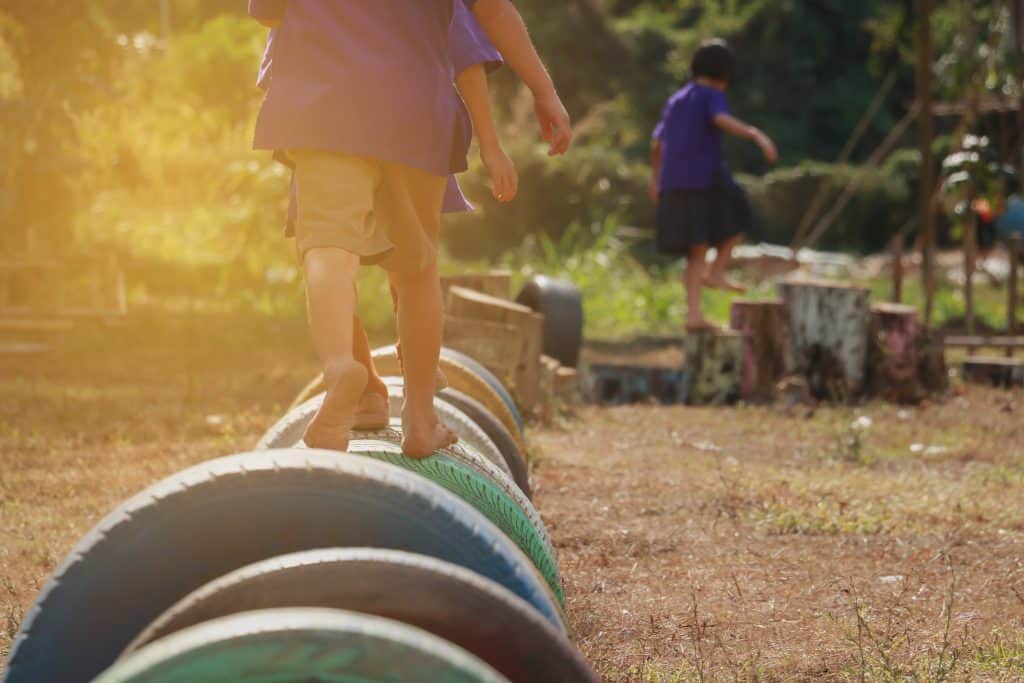
Designing outdoor spaces in early childhood education that support children’s opportunities to learn and develop through many kinds of outdoor play.

An overview of the research on outdoor play and its many benefits and affordances for children’s learning, development and wellbeing.
Strategies to help teachers in early childhood settings support and promote children’s outdoor play and make the most of the many affordances of outdoor play, risky play and play in natural settings.
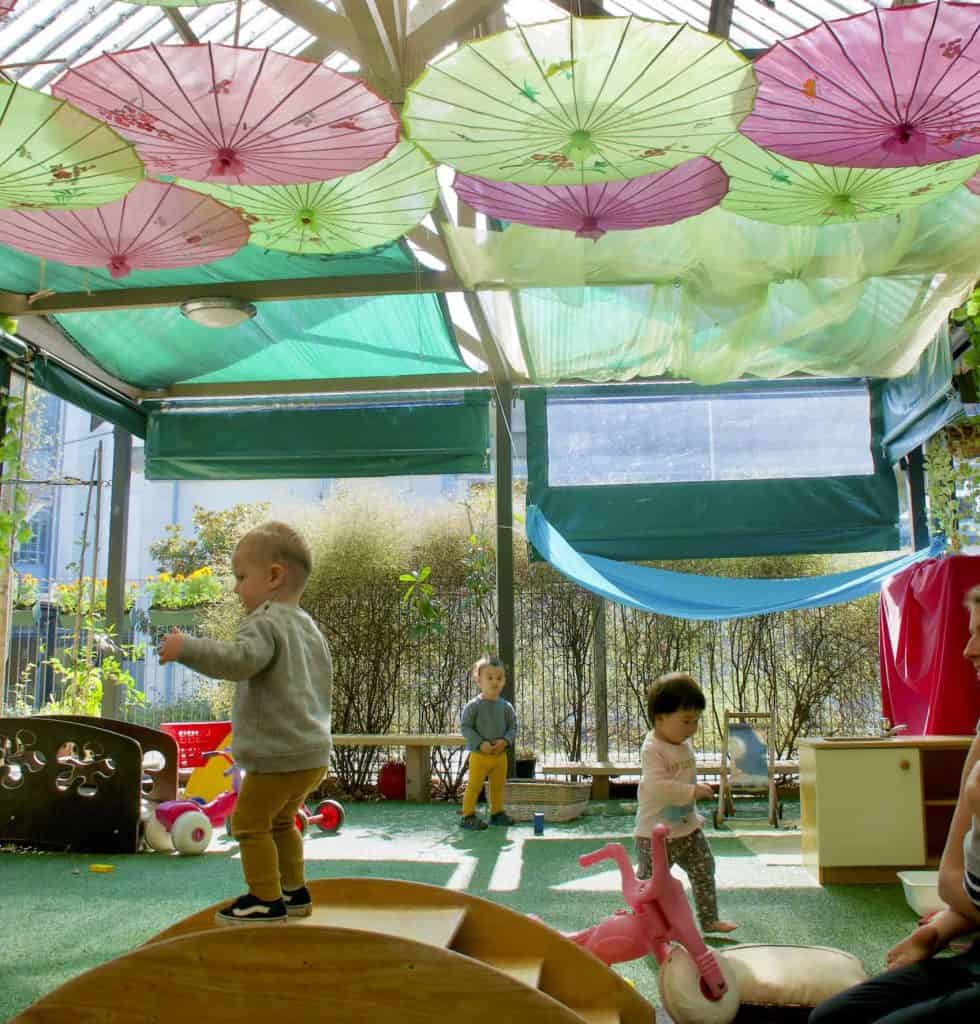
Multi-award-winning architect Phil Smith and hugely experienced early childhood leader Jacqui Lees will explore ways that teachers can use the language of space to promote and encourage learning, creativity, movement, exploration, and social emotional wellbeing
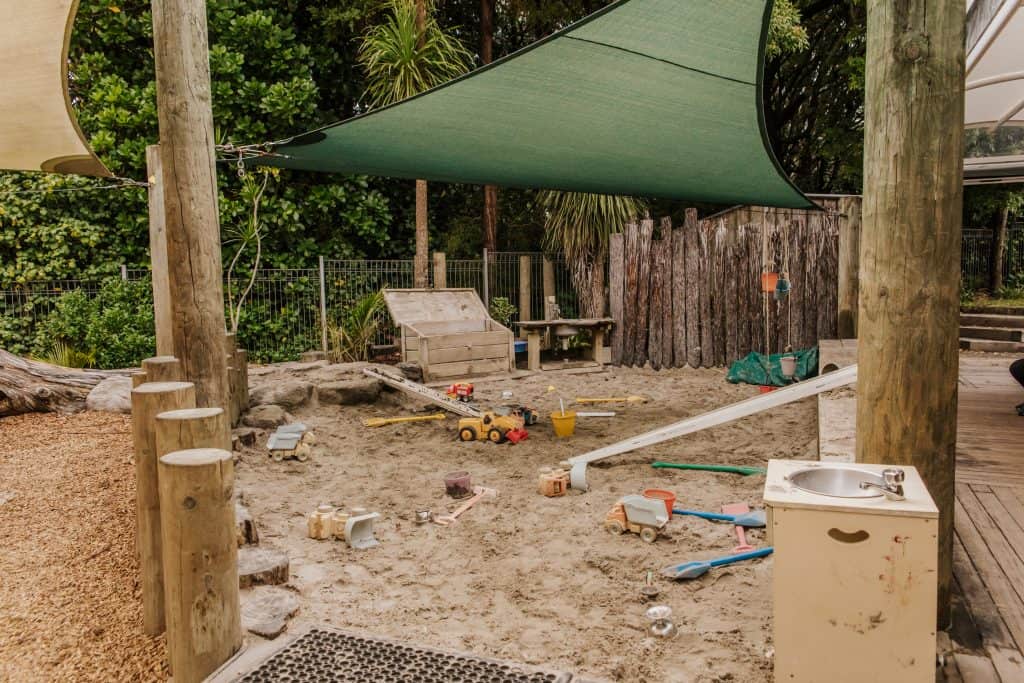
This webinar, presented by Dr Helen Little, explores how affordances in the outdoor environment promote children’s wellbeing and learning.
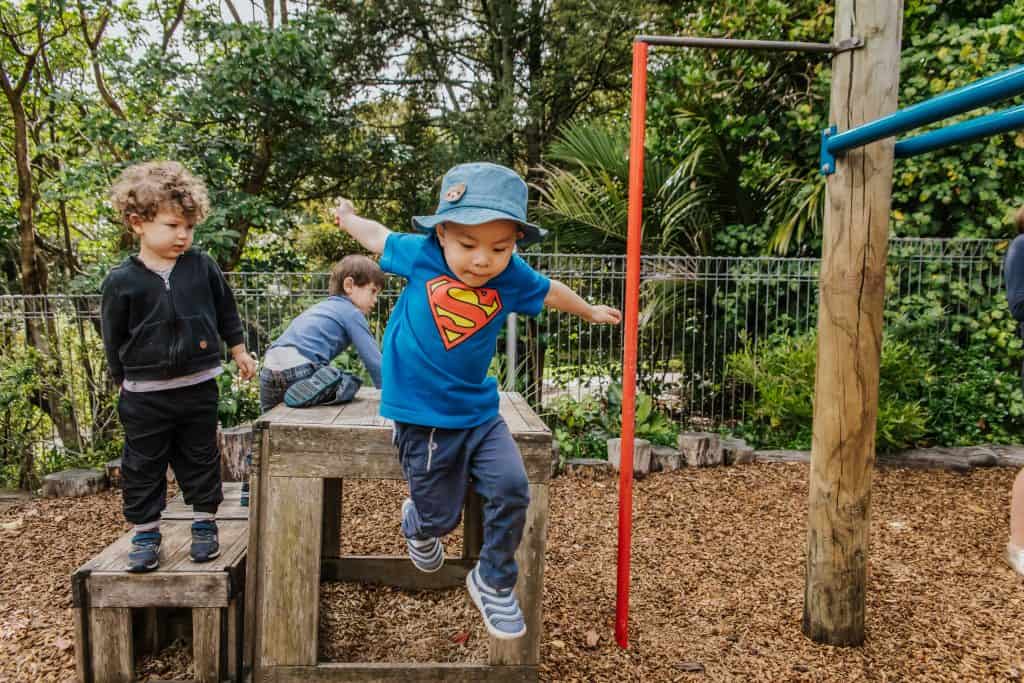
A discussion on the importance of outdoor play for children's development and how to design outdoor spaces.
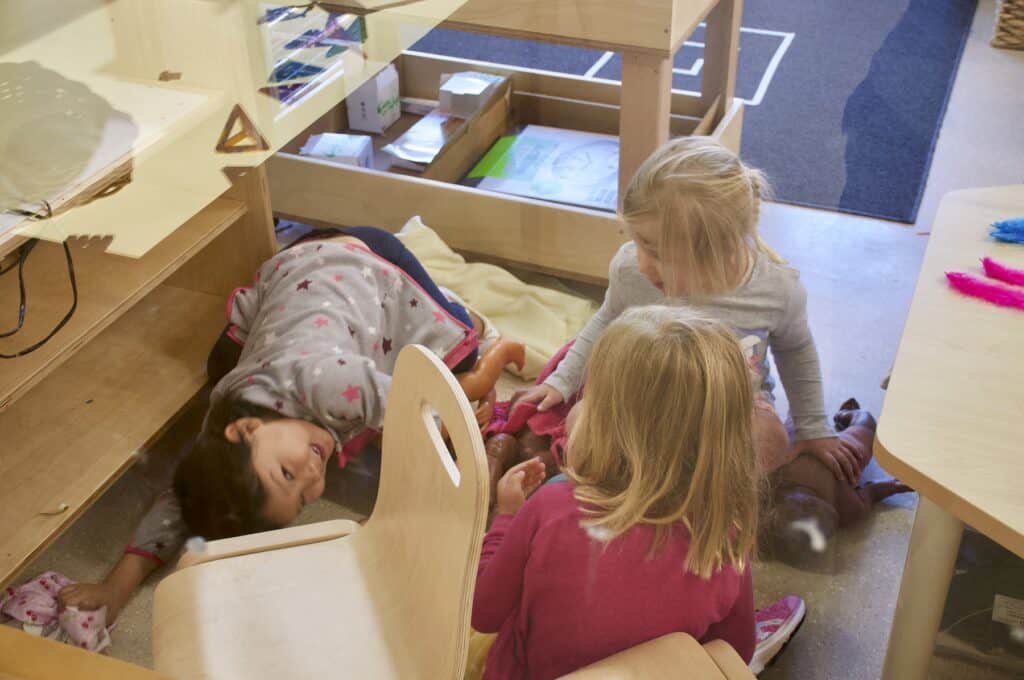
Insights from our webinar with architect Phil Smith and early childhood leader Jacqui Lees.

The main insights from our webinar with Dr Helen Little on the affordances of outdoor spaces for children’s learning and development.
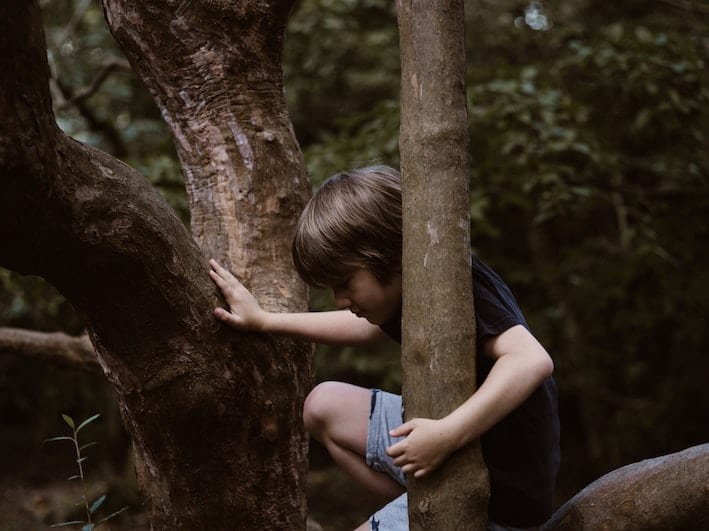
Key insights from a webinar with Mariana Brussoni and Susan Herrington on why outdoor play is so beneficial for children and how to incorporate risky play in early childhood education.
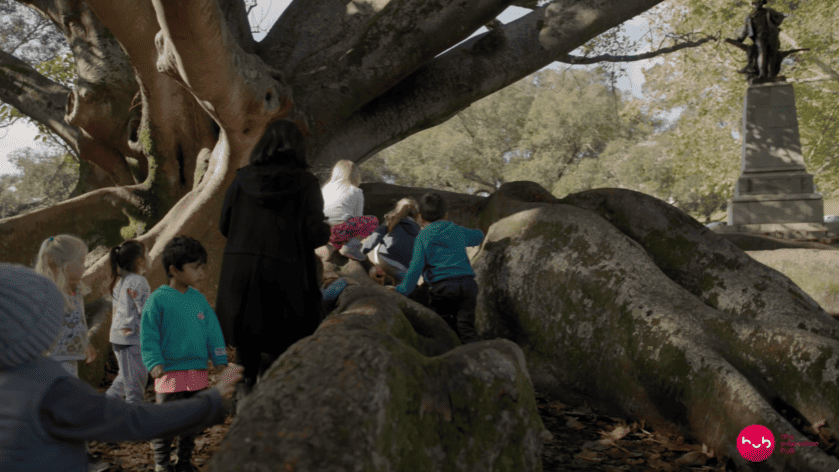
How venturing outside the centre builds children’s sense of belonging in their community.
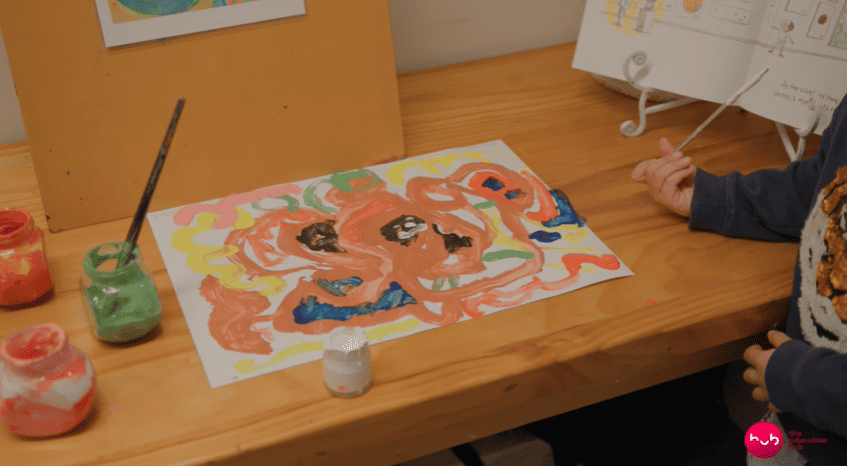
The deliberate design of spaces affords a range of curriculum opportunities.
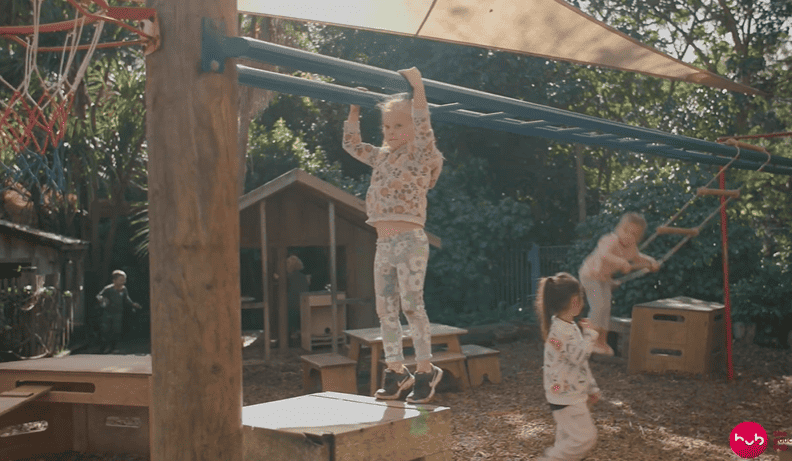
Challenging and risky play provides multiple opportunities for physical and social emotional learning.
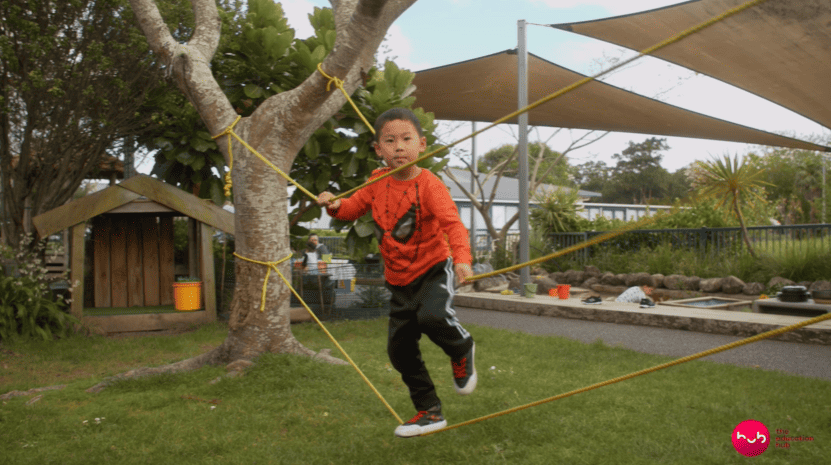
Opportunities for exploration and risk-taking supports children’s resilience, perseverance and confidence.
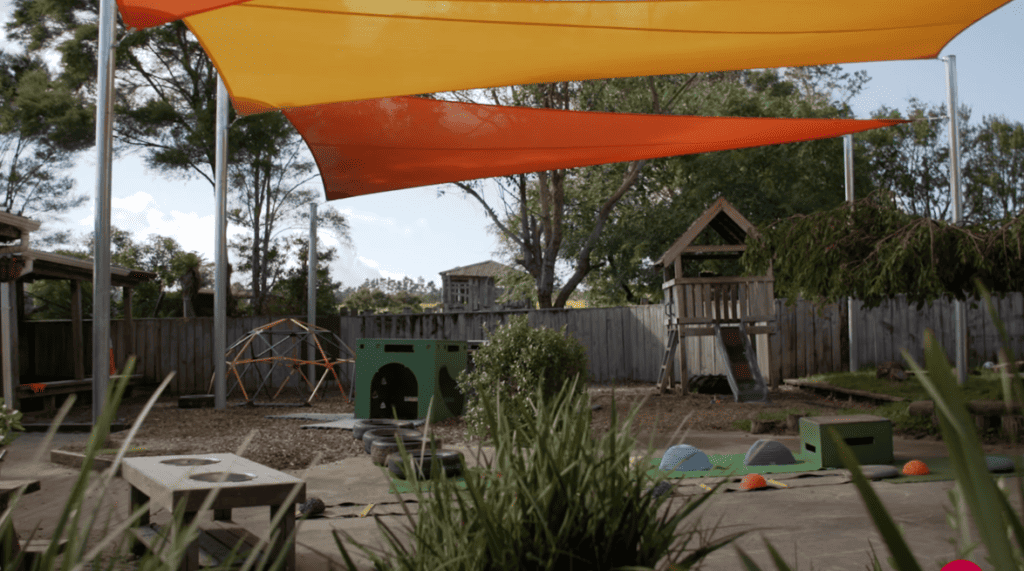
How one centre approached the design of their outside spaces.