
Visual arts
The visual arts afford children a wide range of opportunities to communicate, to explore ideas and emotions, and to extend their learning.
Definition
The visual arts encompass an extensive range of visual modes that children utilise for expressing, communicating, mediating their thinking, engaging in aesthetic exploration and research. Some common examples include painting, clay work, collage, weaving, construction and photography, although there are many more modes of visual expression and exploration.
Relevance
The visual arts support children’s learning in a number of ways by facilitating their ability to communicate, helping them to mediate their thinking, and promoting their creativity and imagination. The visual arts help children to develop an appreciation for diverse points of view and build their cultural knowledge. They also can offer emotional support to children, particularly in relation to transitions from home to the early childhood setting. Children also learn about the symbolic systems of representation and communication valued by their communities through the visual arts.
State of the evidence
Research has shown the visual arts to be a rich domain through which young children can explore and represent their experiences, think through and deepen their working theories, and develop their creative thinking.
In practice
There are a number of ways to incorporate the visual arts in early childhood settings. As well as having a dedicated visual arts making space, you can make a range of materials available daily and place materials in other spaces throughout your setting. You can also talk to children about their art making, encourage them to reflect on and discuss what they have created, and engage in art making alongside them.
Guiding questions
- What value does your early childhood setting place on the visual arts, and does this align with your centre’s overarching philosophy?
- Does your early childhood setting have a dedicated space for visual arts making?
- How do you talk to children about their artwork and invite them to discuss their work?
- How comfortable and confident are you engaging in visual arts making alongside the children?
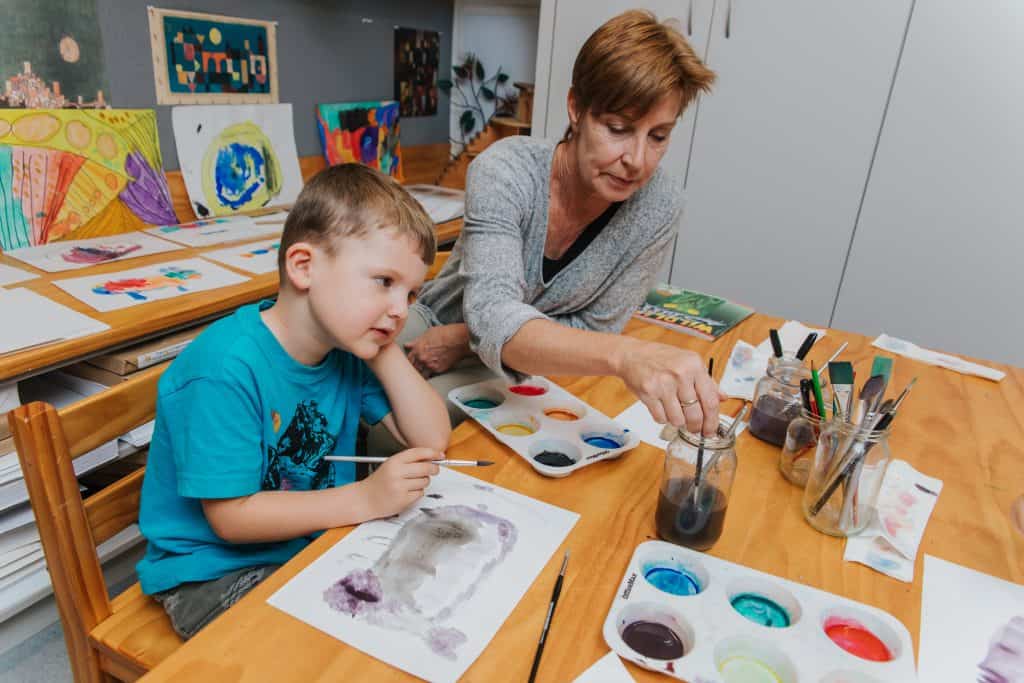
What role should teachers take in children’s visual arts experiences?
How teachers can actively support children’s sustained engagement with complex creative arts.
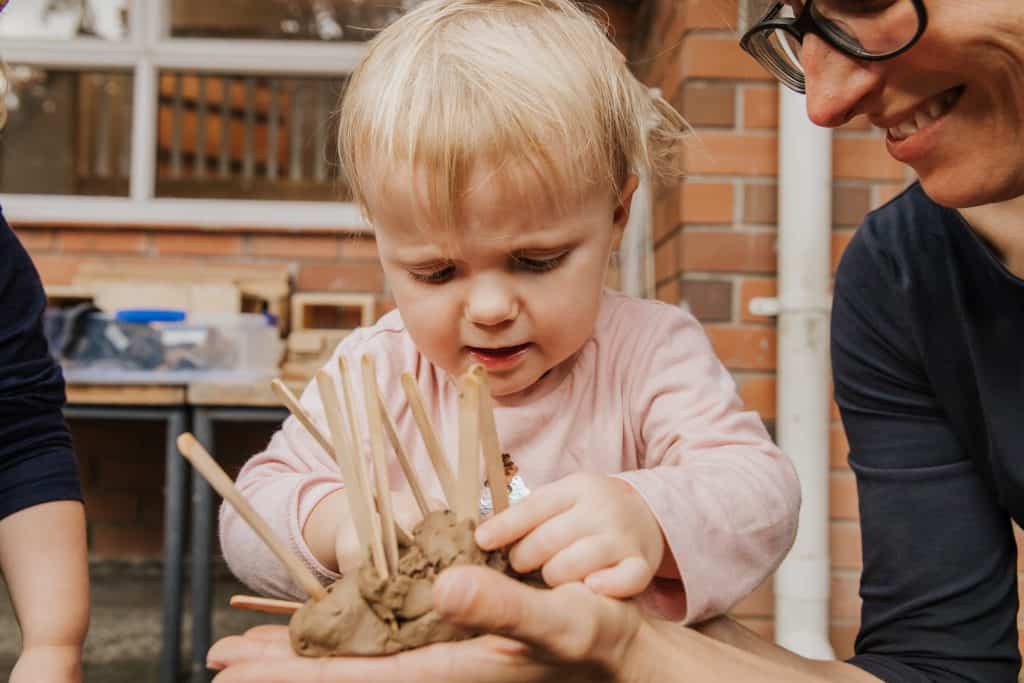
Supporting children’s thinking and cognition through the visual arts
How the visual arts support children’s cognitive development.
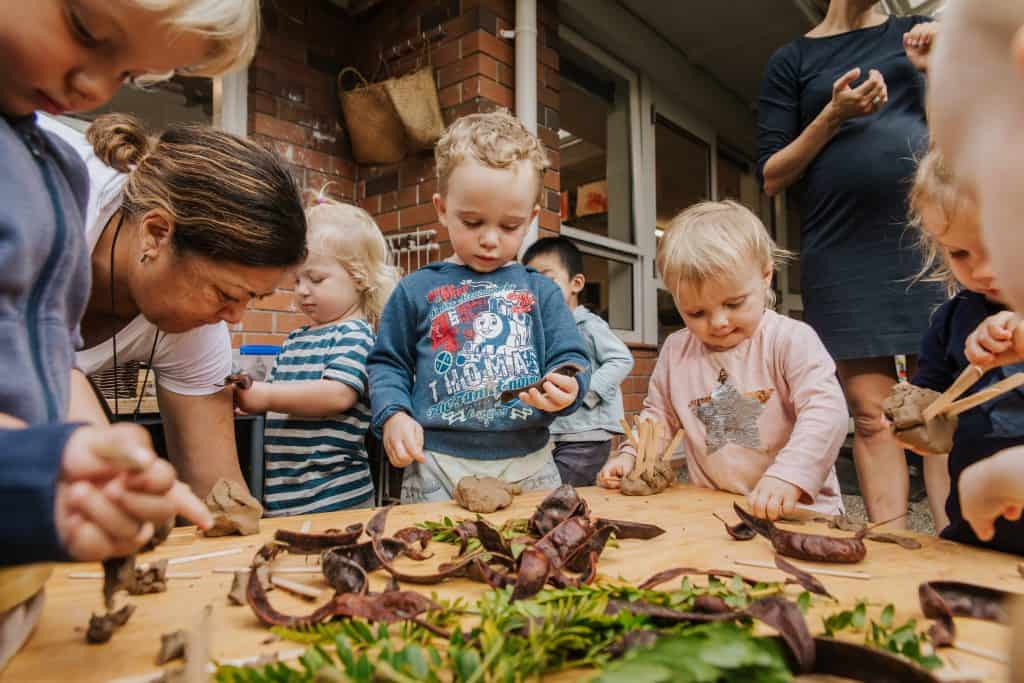
Progression and skill development in the visual arts
An overview of the research on how children’s artistic skills and ability develop over time.
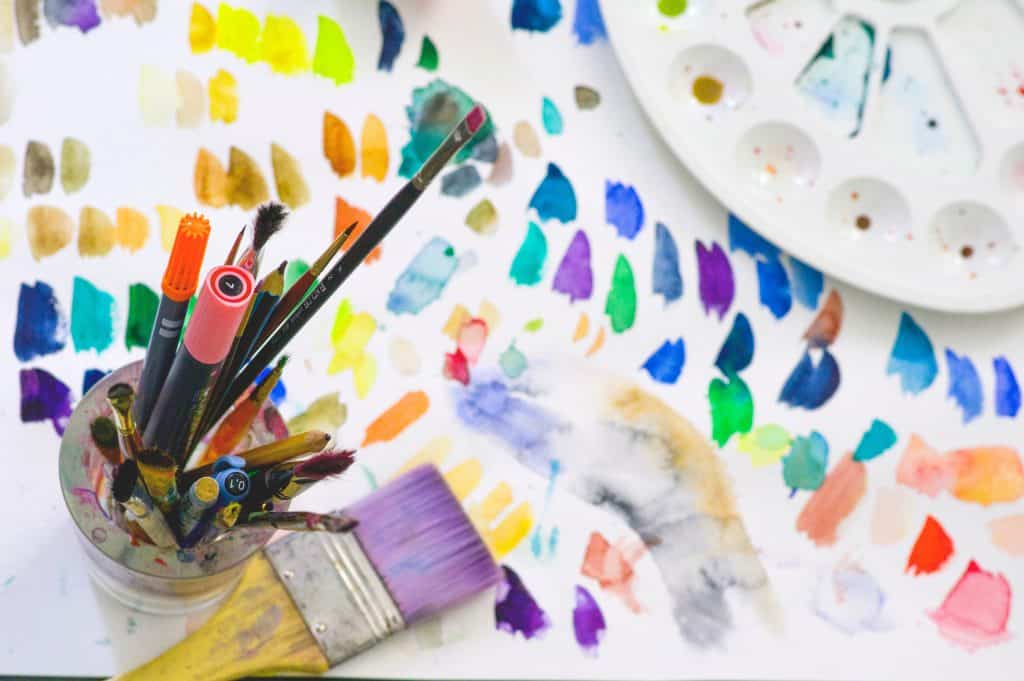
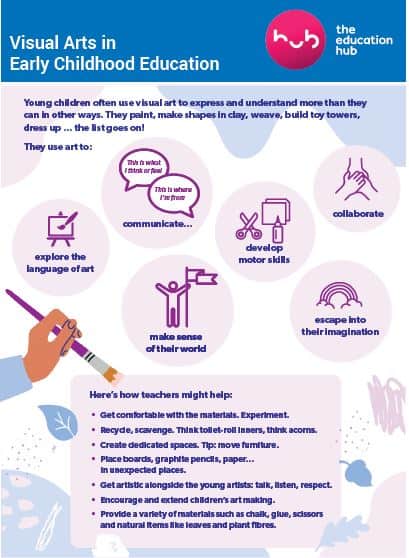
An introduction to the visual arts in early childhood education
What the research says about the visual arts and how they contribute to children’s learning and development, as well as some practical tips to help teachers and children express themselves through the visual arts.
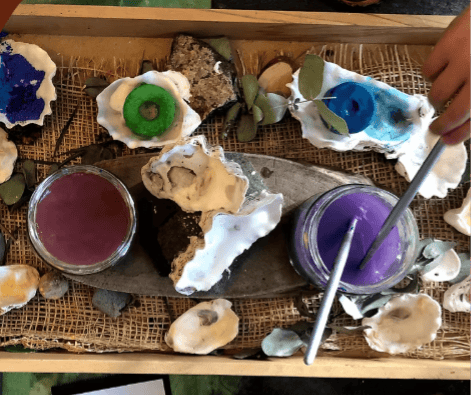
Threads of creativity: Transforming practice through the visual arts
In this dynamic webinar, Kelly Goodsir & Kirsty Liljegren, founders of The Creative Collection, will share innovative ways to ignite learning through the visual arts.
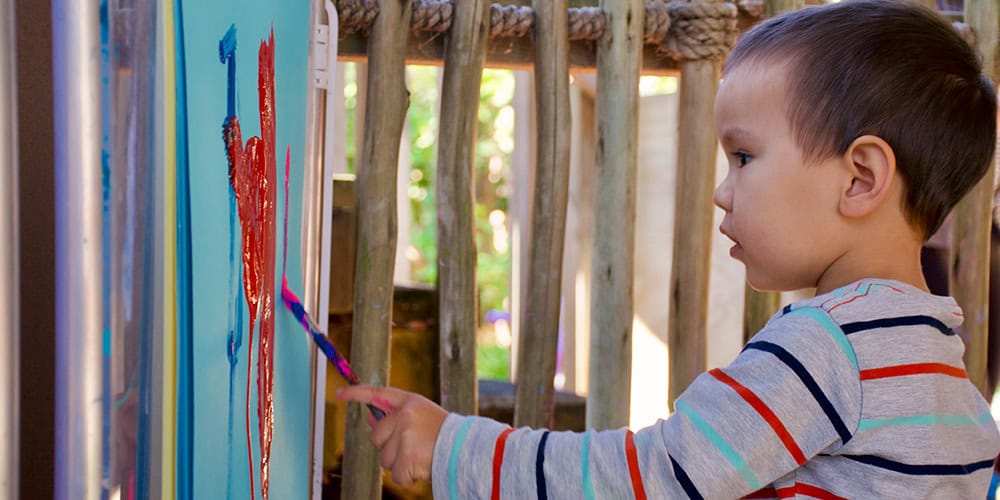
Learning through the visual arts in early childhood education
Gai Lindsay, Sarah Probine, and Rachel Denee share insights from their brand new book on visual arts education
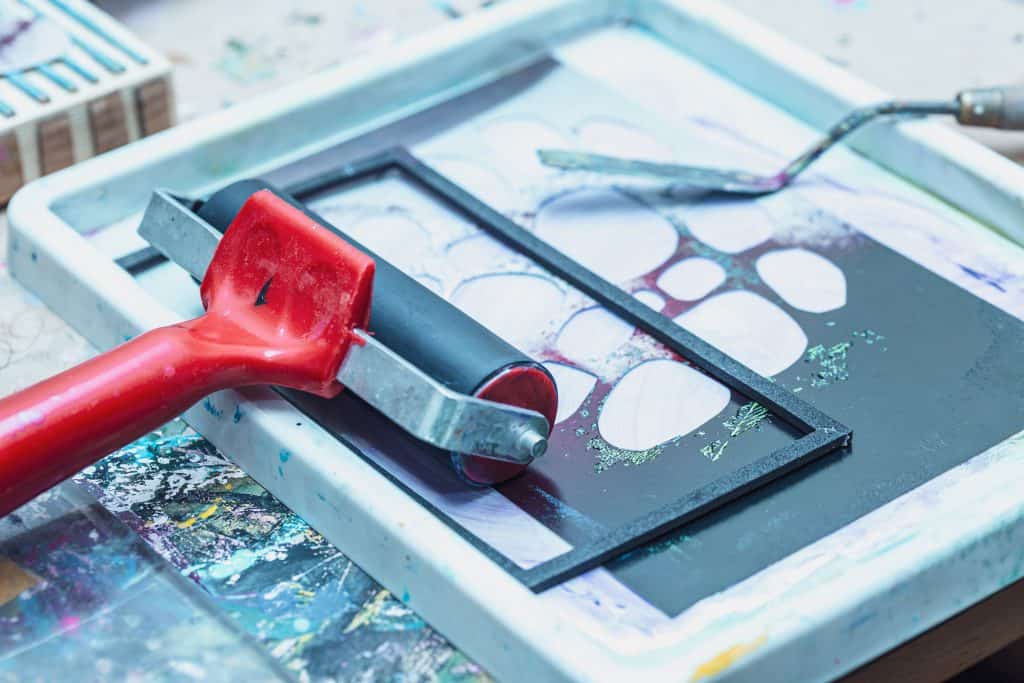
Gelli plate printing – a practical art workshop
Back by popular demand, Dr Gai Lindsay hosts a practical visual arts workshop focused on how teachers can incorporate gelli plate printing into their early childhood contexts
Visual arts – a practical workshop
Dr Gai Lindsay provides a practical session focused on supporting teachers with their own art-making as well as their pedagogy around the visual arts in early childhood education.
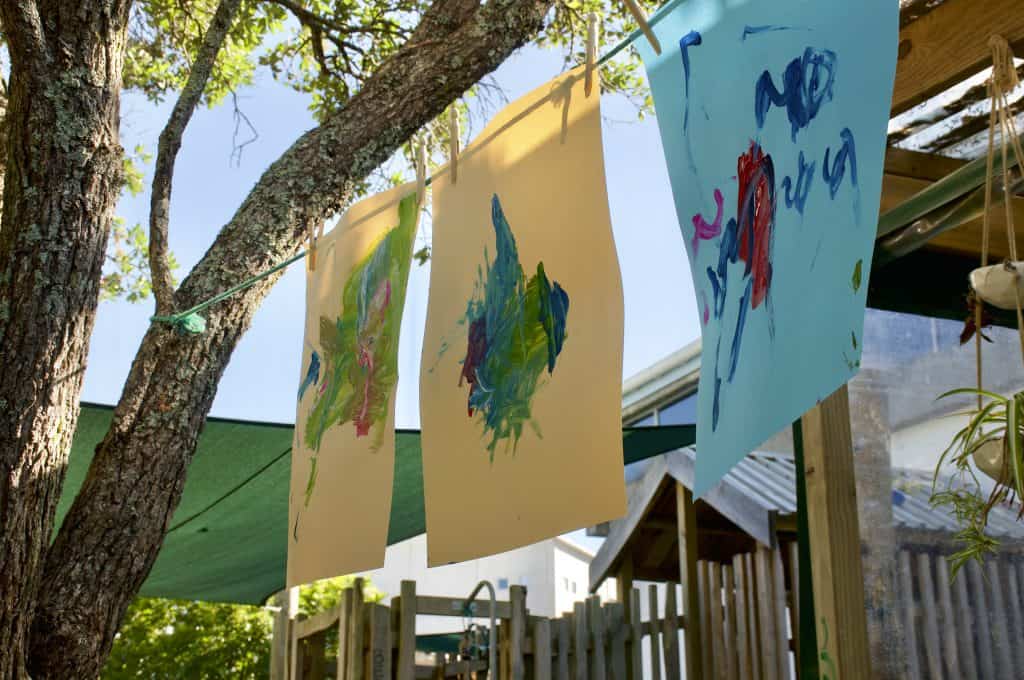
Visual arts and teacher self-efficacy beliefs
Dr Gai Lindsay, Dr Sarah Probine, and Dr Rachel Denee talk about their research about the role of early childhood teachers’ self-efficacy beliefs in their visual arts practices.
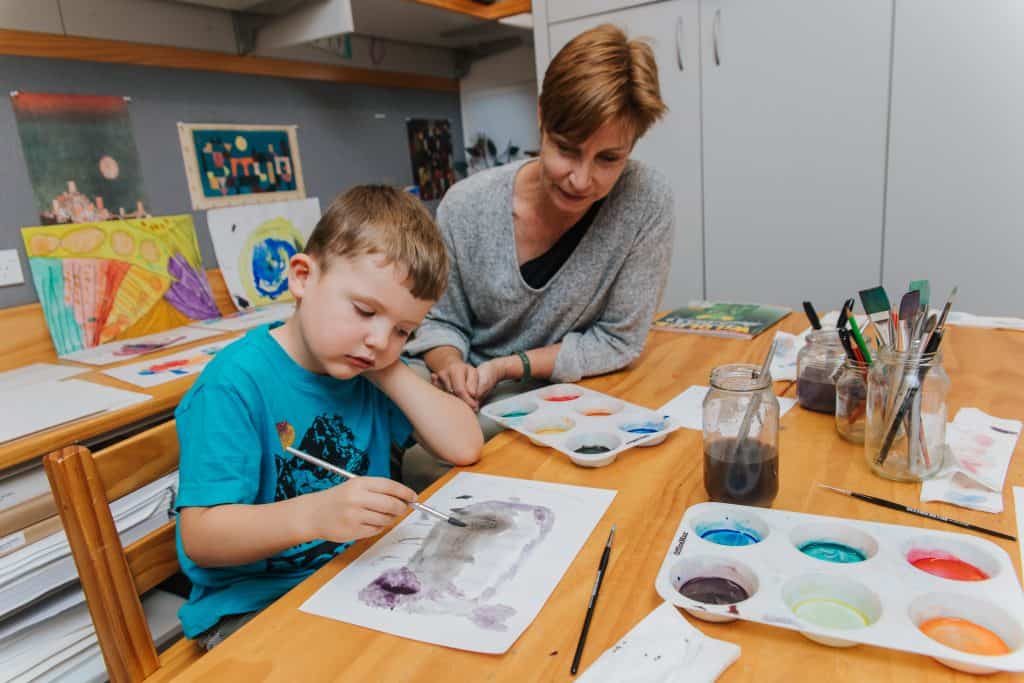
Practical ideas for enhancing visual arts in your centre
Dr Sarah Probine (Manukau Institute of Technology) and Jacqui Lees (of Pakuranga Baptist Kindergarten) discuss how rich visual arts practices can be developed through collaboration and creativity.



Threads of creativity for structuring visual arts exploration in early childhood
Key insights from a webinar with Kelly Goodsir and Kirsty Liljegren from The Creative Collection.
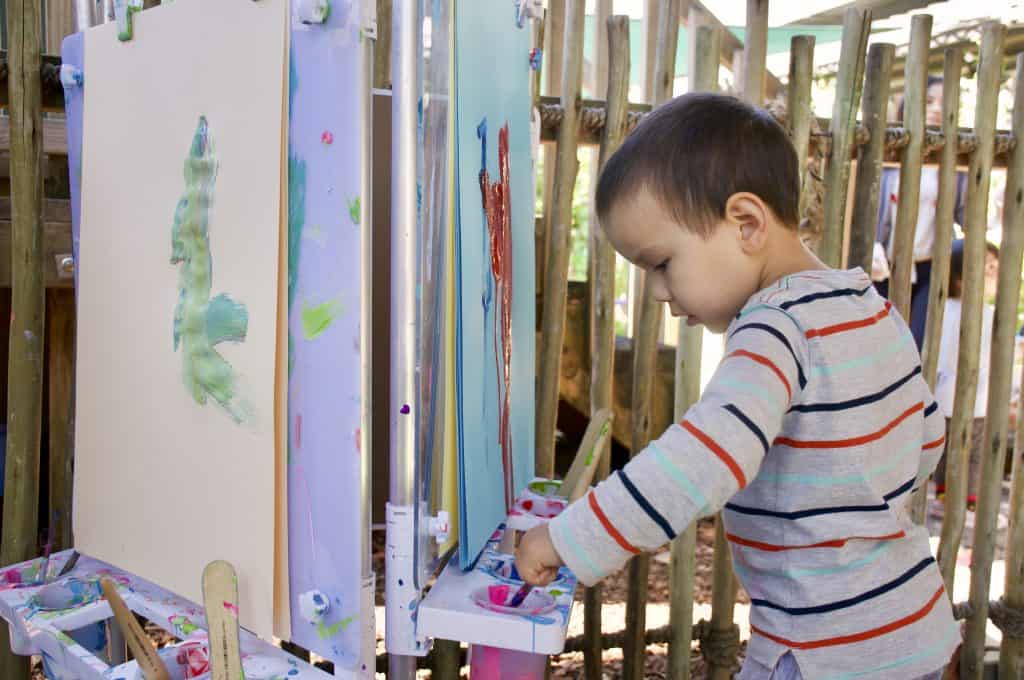
Art, play, and inquiry
Key insights from a webinar with Gai Lindsay, Sarah Probine, and Rachel Denee.
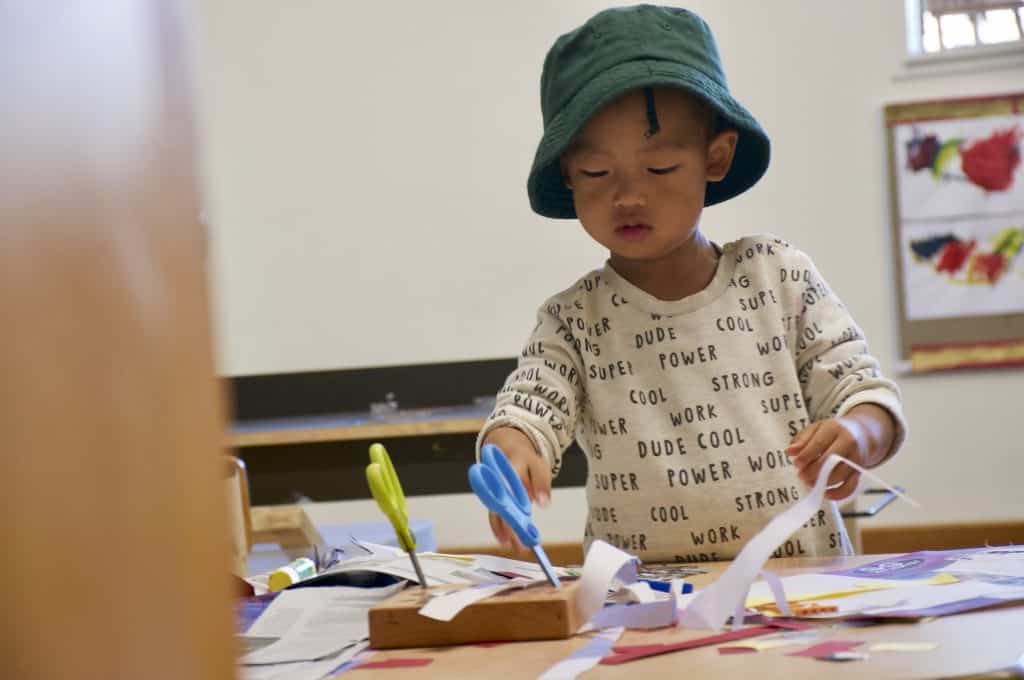
Teacher self-efficacy and the visual arts in early childhood education
Key insights from our webinar with Gai Lindsay, Sarah Probine, and Rachel Denee on the importance of teacher self-efficacy in teaching the visual arts.
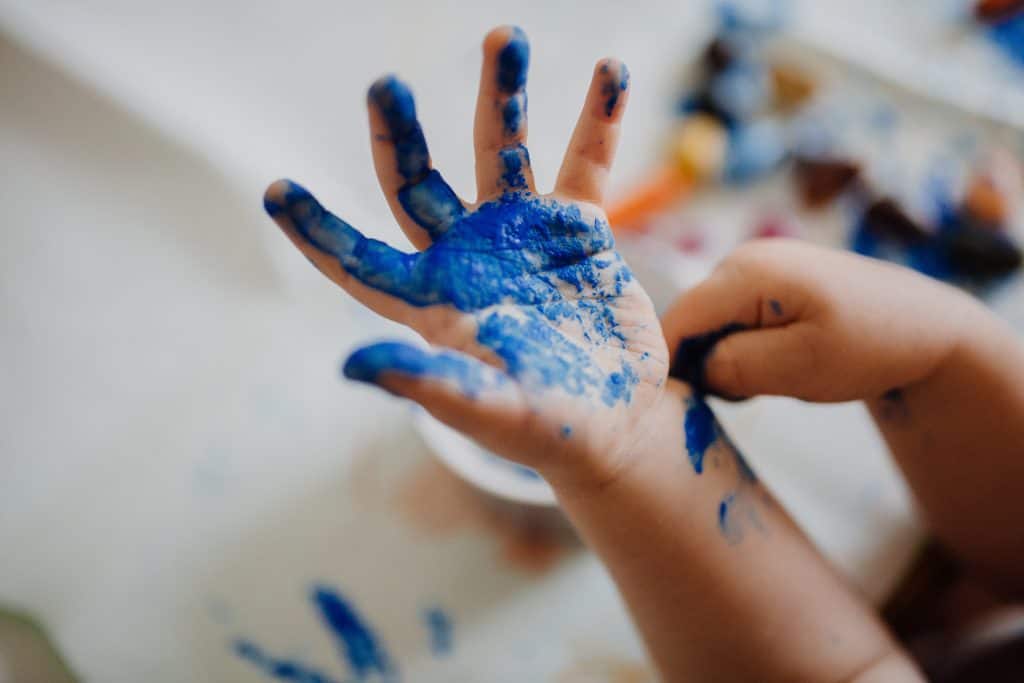
Key ideas for enhancing visual arts practice in your early childhood setting
Practical ideas from our webinar on the visual arts in early childhood education with Dr Sarah Probine and Jacqui Lees.