
theteam@theeducationhub.org.nz
Postal Address
The Education Hub
Suite 4, Palm Space
PO Box 69-234
Glendene
Auckland 0645
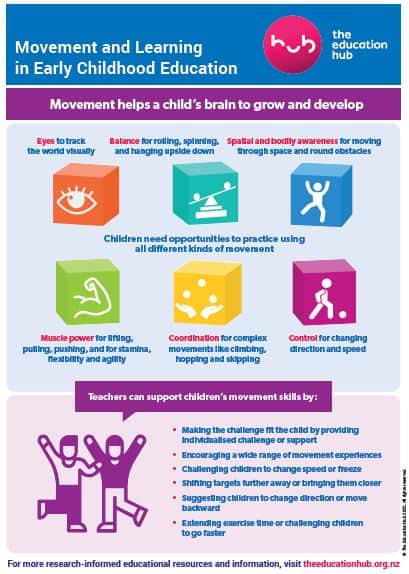
Movement supports learning by stimulating brain development.
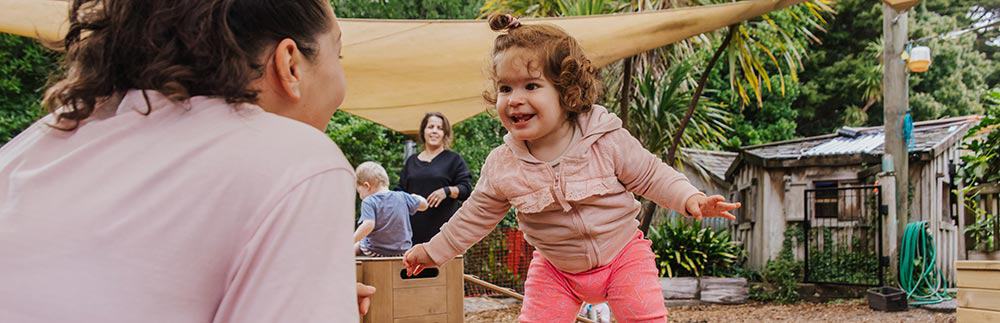
Learning to move is complex and effortful. Early movement requires the coordination of sensory tools like sight and touch, reflexes such as spatial awareness, and motor skills like coordination and control. The interrelationship between body and brain as a child learns to move is essential for development and learning.
Movement is vital to learning because if facilitates the development of essential connections in the brain. Movement and language are the essential foundations of children’s learning.
About 90% of the neural pathways in the brain are set during early childhood, and movement and physical activity have been shown to play an important role in this brain development.
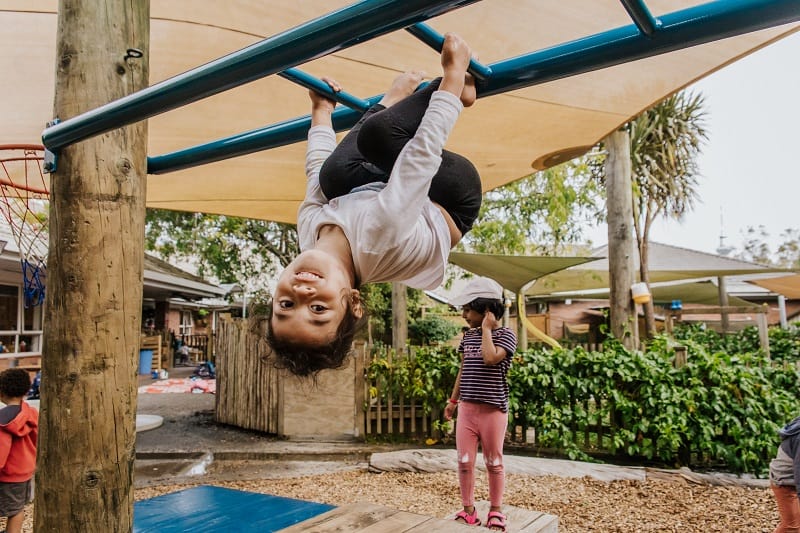
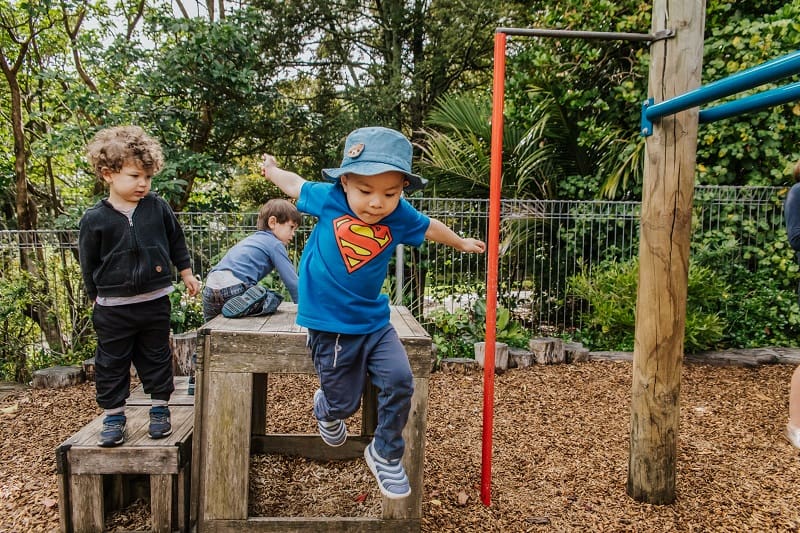
Children need repeated and varied opportunities to practise a wide range of physical movements. Repetition and practice are key to developing the levels of automaticity in physical movements that support learning by freeing up working memory capacity.
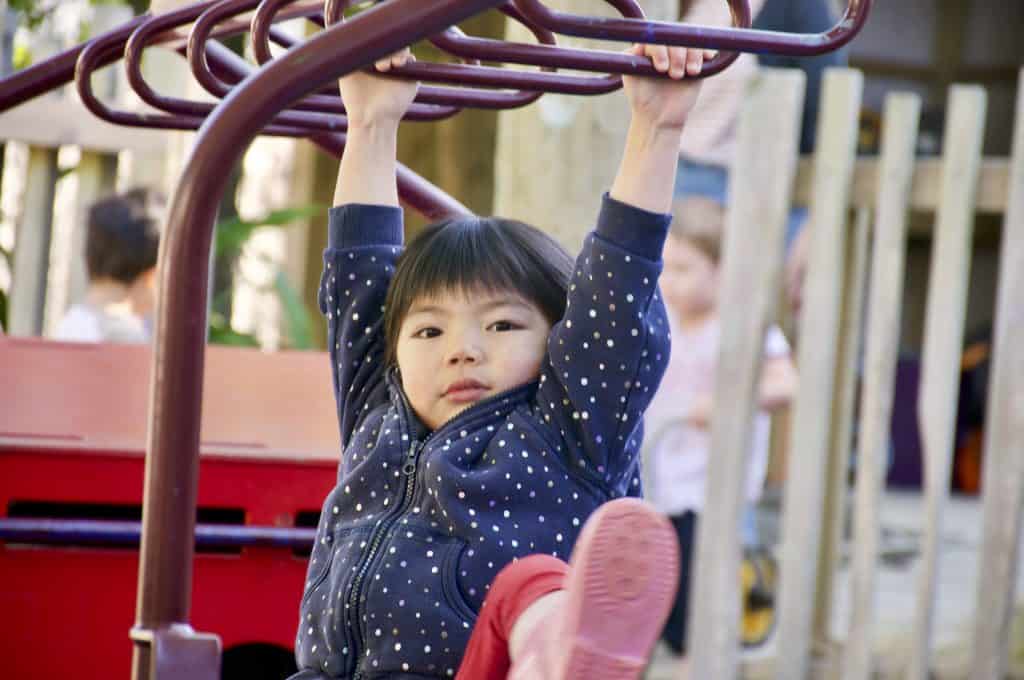
International expert Gill Connell discusses the range of movement patterns children need to be engaging with to support their holistic development
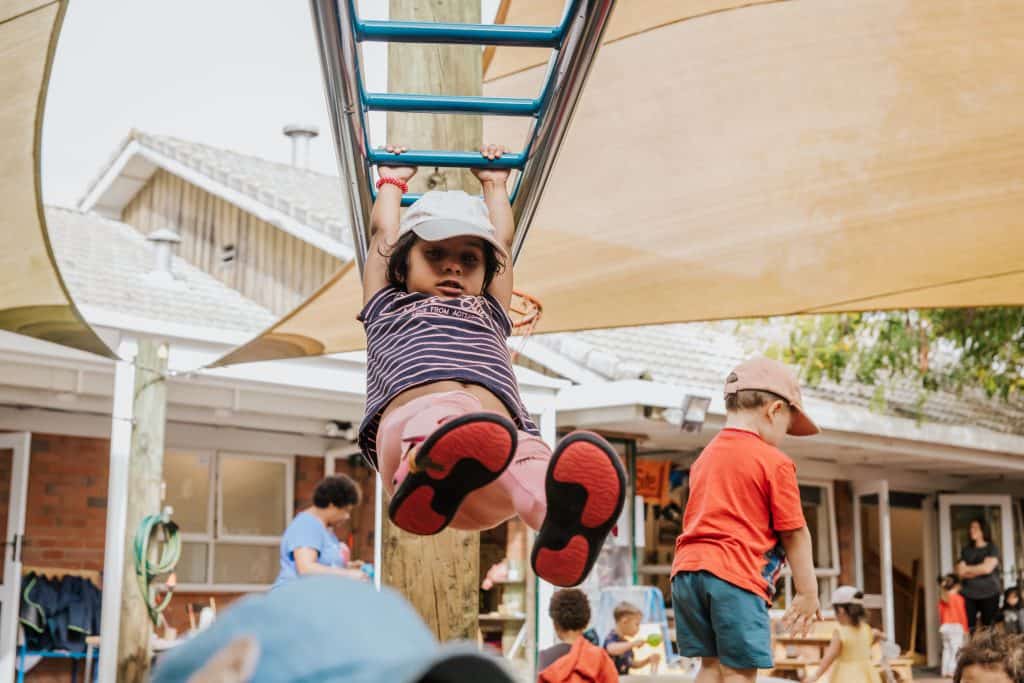
This webinar is a sequel to our 2021 webinar, exploring the role of movement in children’s learning and development, and how teachers can support children.
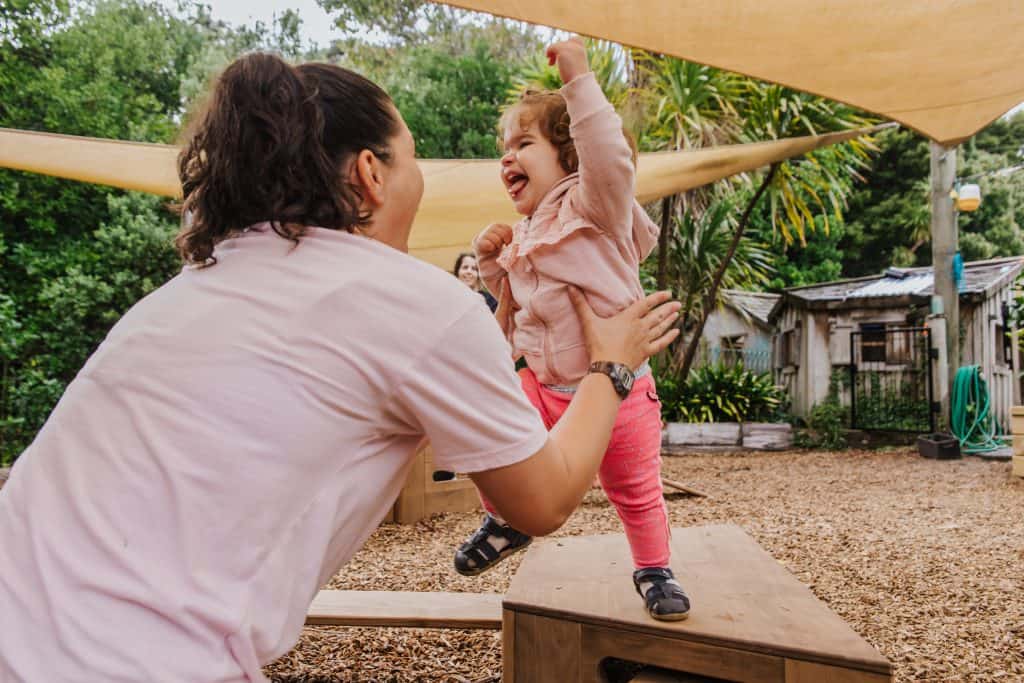
Exploring the role movement plays in child development and how teachers can support children to be develop gross and fine motor skills.