Te Whāriki
Te Whāriki is the early childhood curriculum document for Aotearoa New Zealand, and provides a framework for early childhood settings to design their own local curriculum. Te Whāriki 2017 is an updated version of the 1996 original document.
Definition
Te Whāriki means ‘a woven mat’ and refers to the way in which its principles and strands are interwoven to develop curriculum. Te Whāriki has been developed to ensure that all children receive the opportunity to experience a rich curriculum with equitable opportunities to learn across a full range of learning outcomes.
Relevance
Te Whāriki aims to realise its vision for children to be ‘competent and confident learners and communicators, healthy in mind, body and spirit, secure in their sense of belonging and in the knowledge that they make a valued contribution to society’ (p. 2). The mana of the child is held paramount, and the curriculum focuses on respectful, responsive and reciprocal relationships as a foundation for wellbeing, learning and development. Te Whāriki is grounded in a commitment to Te Tiriti o Waitangi, which informs obligations to protect Māori culture and language, and to ensure the success of Māori children as Māori.
State of the evidence
There is a lack of evidence about the impact of Te Whāriki on outcomes for children and families, and no literature that evaluates its effectiveness. However, there is ample evidence internationally for the influence of high quality early childhood education for raising academic and lifelong holistic outcomes for children. The literature informing Te Whāriki 2017 identifies a focus on children’s wellbeing and emotional development, warm and responsive interactions, culturally responsive pedagogies, intentional teaching and a cognitively challenging curriculum as particularly important to high quality play-based ECE.
In practice
It is expected that early childhood settings will weave their own unique and particular emphasis or local set of priorities from the principles and strands of Te Whāriki for their setting. This requires strong pedagogical leadership, partnerships with families focussed on improving children’s learning, and assessment practices that identify children’s capabilities and progress.
Guiding questions
- How do you interpret the principles and learning outcomes of Te Whāriki for your setting and prioritise those that matter to your place?
- How do you use the learning outcomes to deepen your planning, and to guide intentional teaching?
- How do you incorporate the language of Te Whāriki into planning, assessment and evaluation?
- How do you use Te Whāriki to review your expectations for children’s learning and development, deepen your understanding of children’s learning, and link children’s interests to learning outcomes?
- How do you share Te Whāriki with families and make the learning outcomes relevant and meaningful for children and families in your setting?
Te Whāriki: An introduction to the early childhood curriculum in Aotearoa New Zealand
A brief introduction to the structure, aims and values of New Zealand’s early childhood curriculum, Te Whāriki.
Communication strand | Mana Reo
An introduction to the wide range of skills that encompass the communcation strand, and strategies for supporting the development of children’s communication.
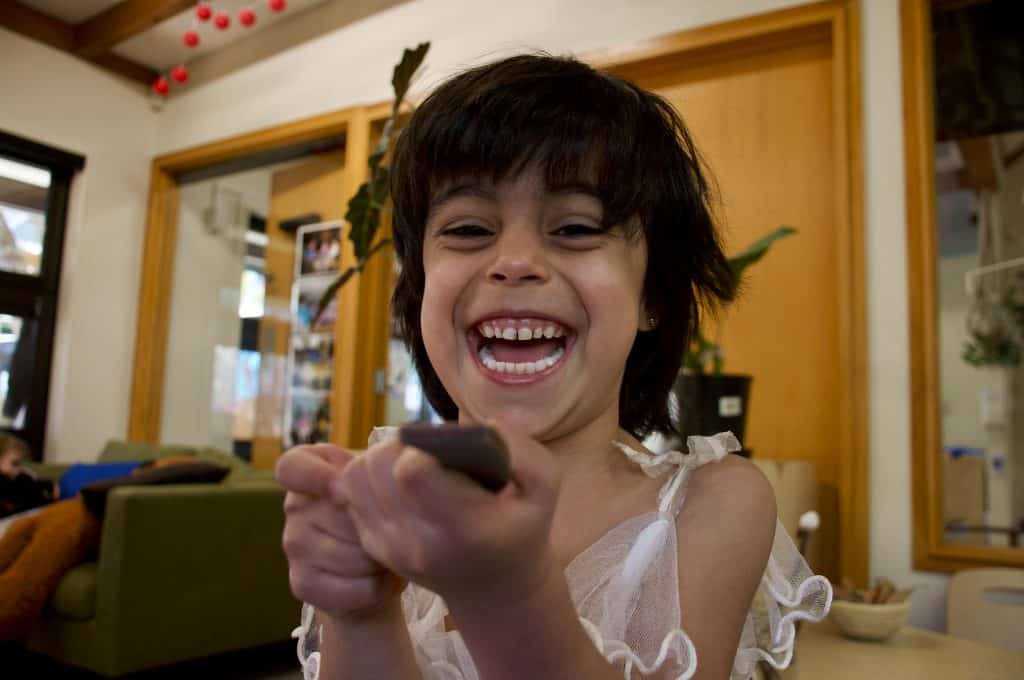
Belonging strand | Mana whenua
The benefits of attending to young children’s sense of belonging and features of practice that support and develop it.
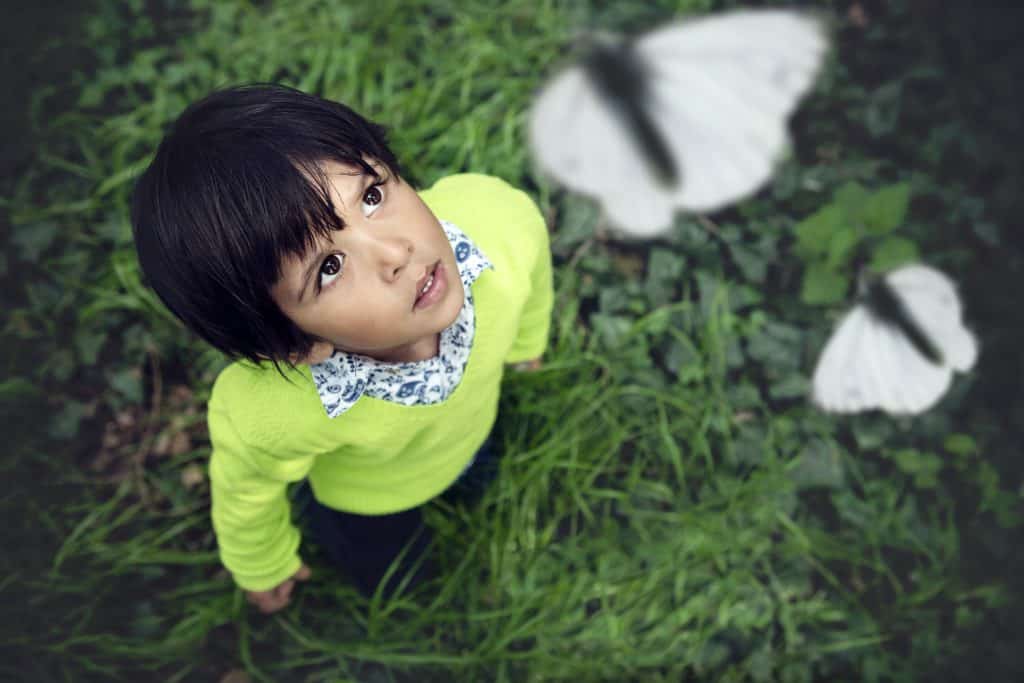
Exploration strand | Mana Āoturoa
The key skills involved in the exploration strand and how to support and enable them.
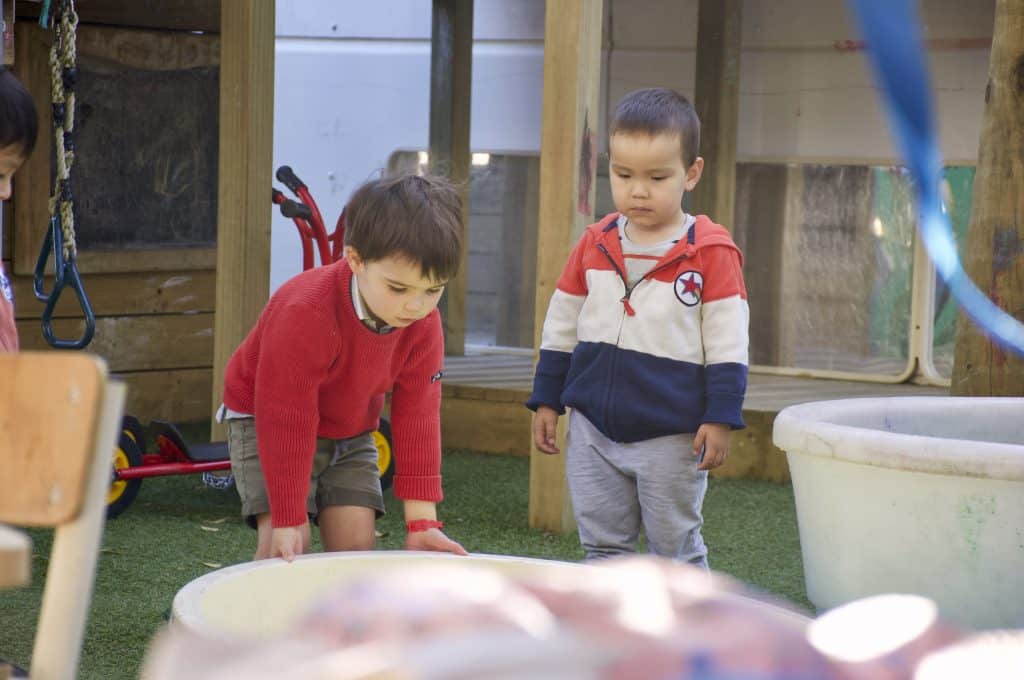
Contribution strand | Mana Tangata
The main ideas underpinning the contribution strand and how to build and enable children’s contribution in early childhood settings.
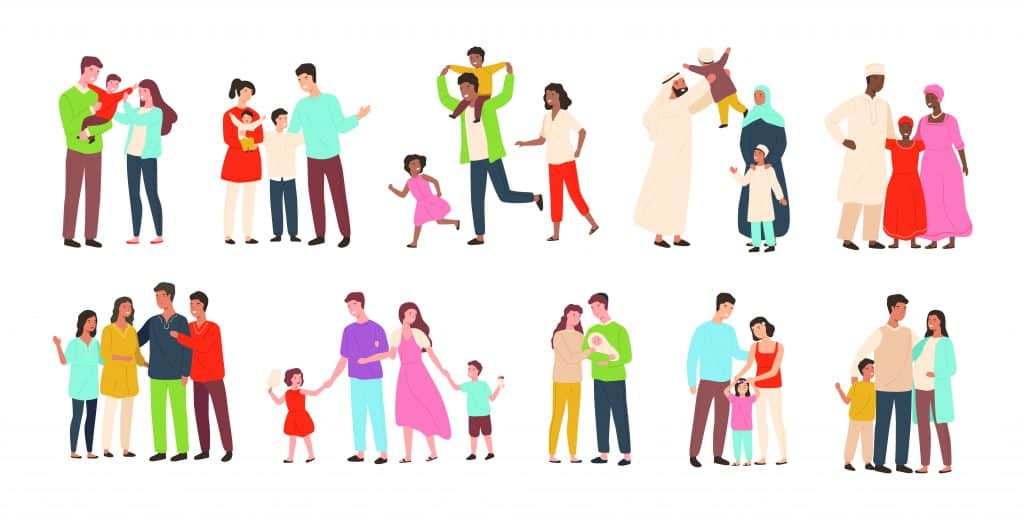
Principle of Family and Community | Whānau Tangata
An overview of the principle of family and community and strategies for building meaningful relationships with families.