
Working theories
Working theories are an important process of knowledge construction and meaning-making for young children.
Definition
Working theories are a way in which children make sense of their world and integrate new knowledge accumulated from their personal and social experiences into their existing understanding of the world. Working theories involve children in abstracting information from their experiences and observations, and connecting it with their existing knowledge in meaningful ways.
Working theories are defined as provisional (subject to change), functional (supporting children’s understanding and action), situated (stimulated and created within children’s relationships, contexts and experiences) and created and owned by children.
Relevance
Working theories engage children’s thinking and meaning-making, and support individual knowledge construction and early academic learning. Working theories may assist children in moving from everyday concepts to more formal scientific concepts, while a focus on supporting and developing children’s thinking and working theories is likely to provide cognitively challenging programmes for children. Keeping track of the working theories that children develop around their identity as learners and their learning processes may be important as these theories are likely to mediate children’s learning and participation.
State of the evidence
Working theories is a concept unique to New Zealand, and the research base is limited but growing. There is no empirical evidence linking particular pedagogical strategies with children’s working theory formation and development, nor has the concept of working theories as a curricular outcome been evaluated for its impact on learning. However, case study evidence, and teacher action research are used to make a set of recommendations for pedagogically-sound practices related to working theories.
In practice
The following strategies can support teachers in implementing play pedagogies:
- Be clear about how play pedagogies can best support the desired learning in your setting
- Structure play opportunities through careful planning of the environment
- Intentionally plan to extend children’s self-directed play
- Observe carefully and take care when determining how to intervene in play in order to support children’s autonomy
- Teach and support play skills
Guiding questions
- How do you identify, document, and respond to children’s working theories?
- Do children understand that you value their unique theorising and processes of learning?
- What opportunities do children have to engage in knowledge-building and theorising?
- How do you promote collaborative inquiries that involve groups of children, teachers and families in developing and testing working theories?
- How important is it for children to develop accurate concepts and knowledge?

Co-constructed inquiry in early childhood education
An introduction to the role of inquiry in curriculum design.

Working theories
An introduction to the concept of working theories and their implications for curriculum design in early childhood programmes.

Working with working theories: the teacher’s role
A closer look at the role of the teacher in promoting and supporting the development of children’s working theories in early childhood education.
Extending and challenging children’s thinking
In this webinar, Professor Amanda Bateman from Birmingham City University will explore the sequences of talk that occur during shared inquiry in early childhood settings, demonstrating how teaching and learning are co-constructed — one utterance at a time — between teachers and children.
A closer look at working theories
Dr Daniel Lovatt returns to share some extended examples of how teachers can support children’s working theories.
Enriching children’s working theories
Dr Daniel Lovatt (Aro Arataki Early Childhood Centre) and Dr Vicki Hargraves discuss how children use working theories to make sense of their world, and offer practical advice for teachers.
Key insights from conversation analysis for extending and challenging children’s thinking
Insights from a webinar with Professor Amanda Bateman.
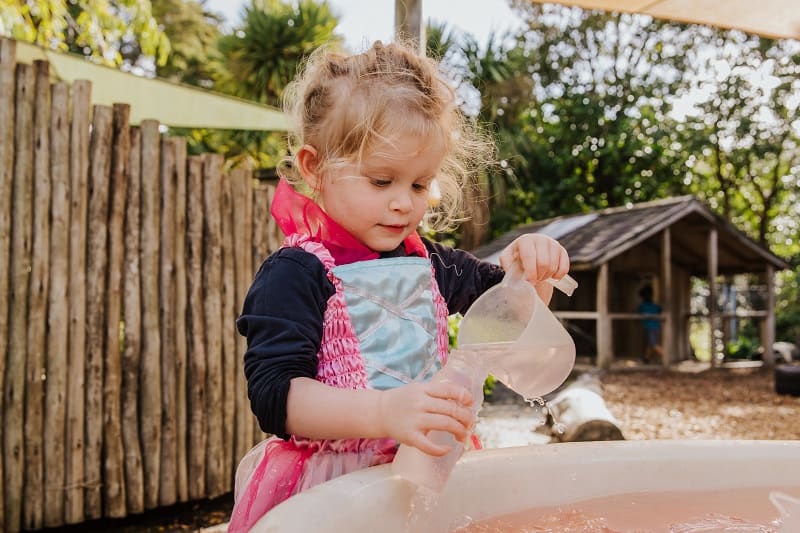
Supporting and extending children’s working theories
Key insights from our webinar with Daniel Lovatt on enriching children's working theories in early childhood settings.
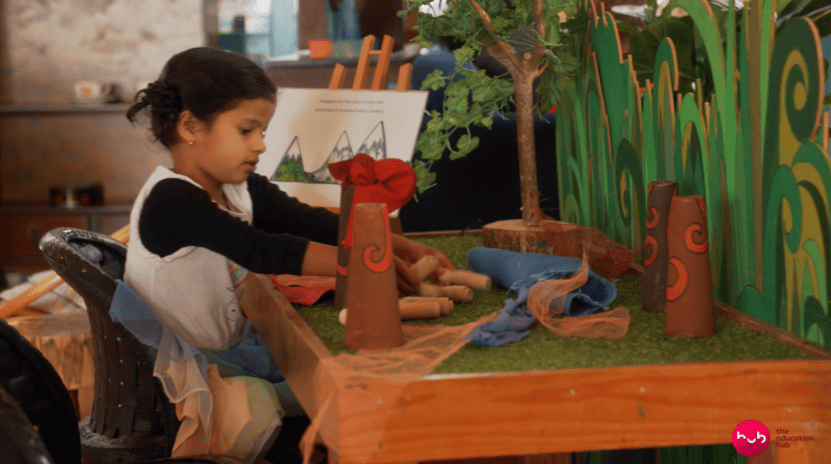
Pedagogical tools for developing a project
Discover how one early childhood centre approaches a project-focused curriculum.
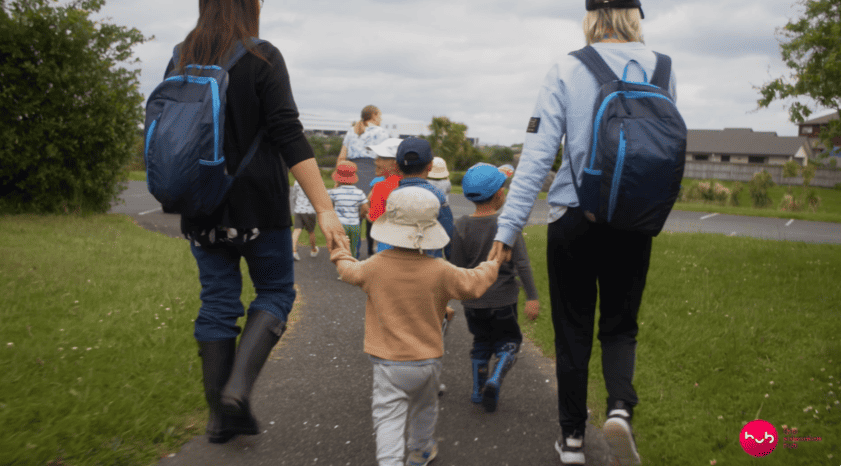
Outdoor explorers: Risk-taking beyond the centre
Exploring the local community provides many valuable learning opportunities,
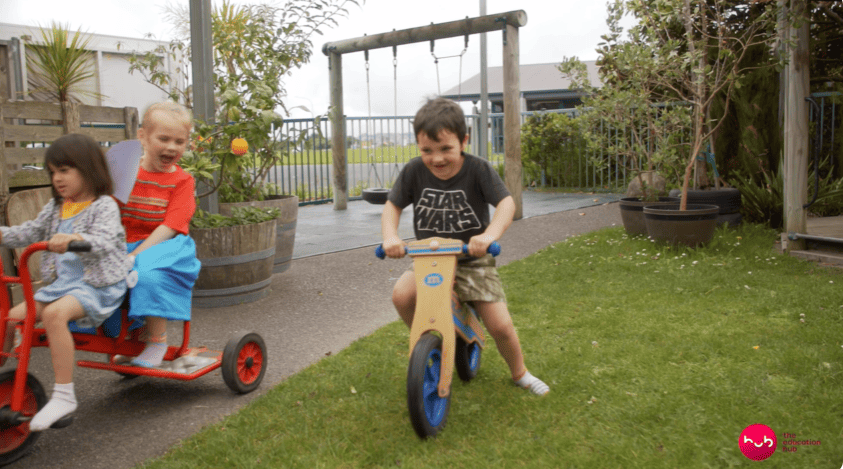
Projects at Pakuranga Baptist Kindergarten
Explore how a kindergarten uses extended projects to embrace and celebrate children’s exploration.
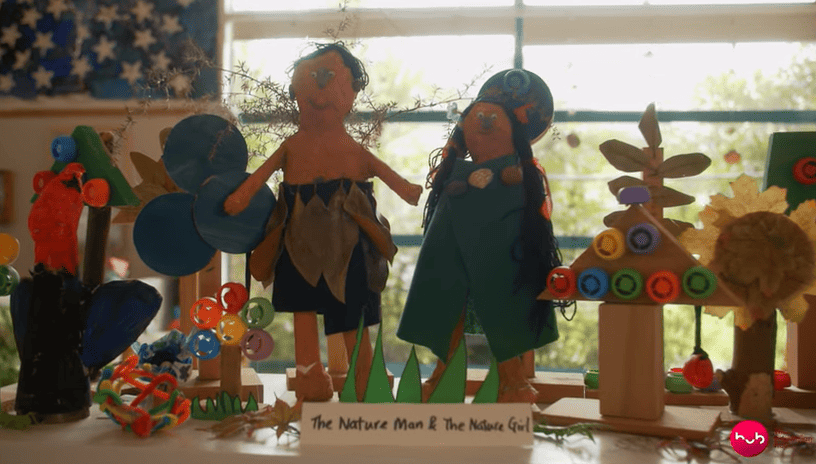
Nature Man: a project by Pakuranga Baptist Kindergarten
Explore how children’s wonderings and questions can spark inquiries and cross-curricular learning.
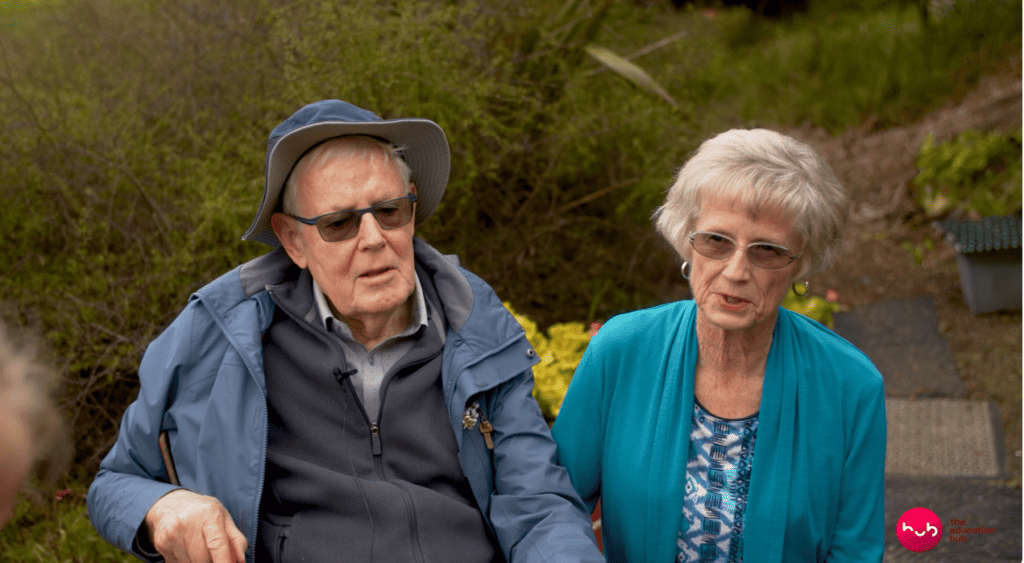
Engaging with the community: Meeting the real Nature Man!
How children’s interests, wonderings and questions can create authentic community partnerships.
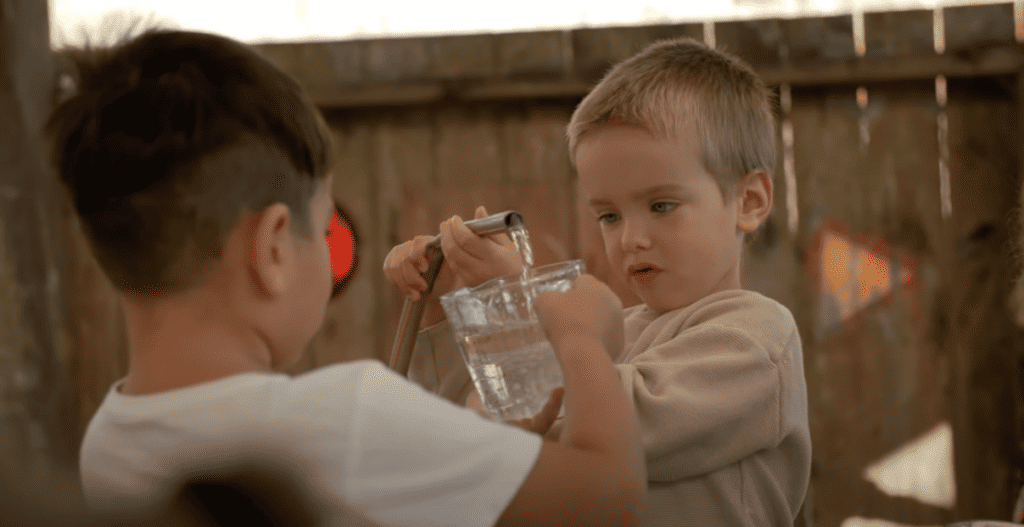
Responding to children’s interests and working theories
As children explore the world, around them, there are countless opportunities to explore their ideas and build their understand.