
Social emotional learning
An extensive body of research demonstrates the importance of social emotional learning to academic and later life success.
Definition
Social-Emotional Learning (SEL) describes the mindsets, skills, attitudes, and feelings that help students succeed in school, career, and life, such as growth mindset, grit, and sense of belonging at school.In recent years, SEL has experienced rapid expansion in education, taking on different forms and names across various school contexts. Some of these names include: soft skills, character education, 21st-century skills, and non-cognitive skills. While often used interchangeably, these terms have nuanced meaning and unique underlying components. At its most basic, SEL incoproates three pillars: social connectedness, motivation, and self-regulation.
Relevance
Students learn in inherently social ways, and practice valuable skills, such as critical thinking and creativity, in social contexts. Furthermore,social-emotional skills have been closely linked to positive academic, professional and personal outcomes.
State of the evidence
Social and Emotional learning has been the subject of a large volume of research over the past few decades. There is a growing evidence base confirming the importance of SEL to student learning. However, the research is challenged by the variety of definitions, frameworks and scales for measuring SEL. Currently there is not broad consistency in how to measure SEL, and there is continuing contention as to the ‘teachability’ of SEL.
In practice
Interweaving into daily practice not something separate. skills that are taught within the context of a teacher-student relationship are much more memorable. Students who are taught strategies in this way are more likely to adopt these practices and use them in their own relationships.
Guiding questions
- How are we, as a school, thinking about SEL?
- How are we building SEL across different year levels, subjects and contexts?
- How am I measuring SEL?
- How are we creating an organisational culture where we discuss and collectively build SEL?
Sample safety or de-escalation plan
An example of a de-escalation plan designed to support students to emotionally self-regulate at school.
Understanding and supporting emotional self-regulation at school
Understanding and supporting emotional self-regulation at school: Why some students may find it difficult to regulate their emotions at school, and what to do to support them.
An introduction to growth mindset
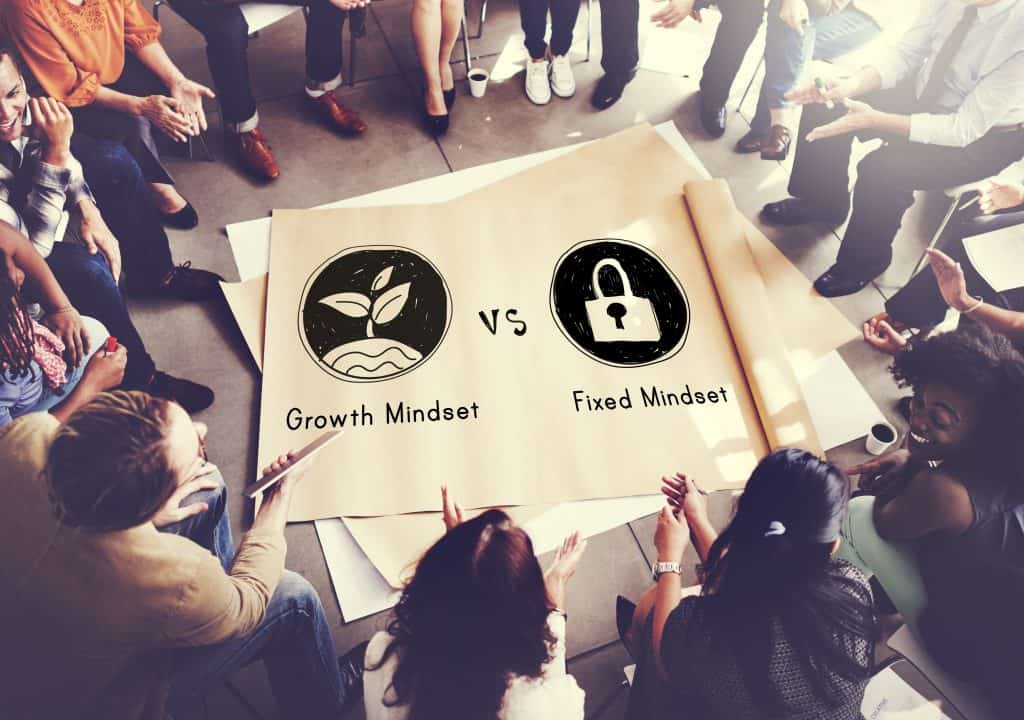
A summary of the research into growth mindset and why it is important for learning
Strategies for helping students build their resilience
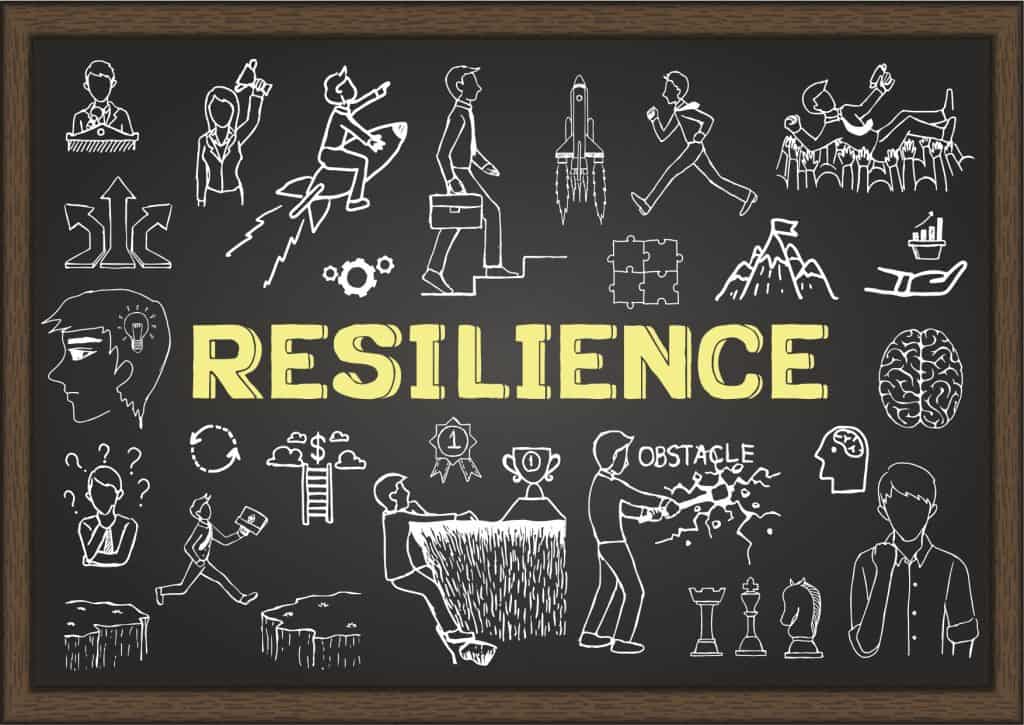
A set of practical strategies designed to help students develop resilience in their learning.

An introduction to resilience in educational settings
The importance of resilience to student learning and success, and tips for building students' resilience.
An introduction to social emotional learning
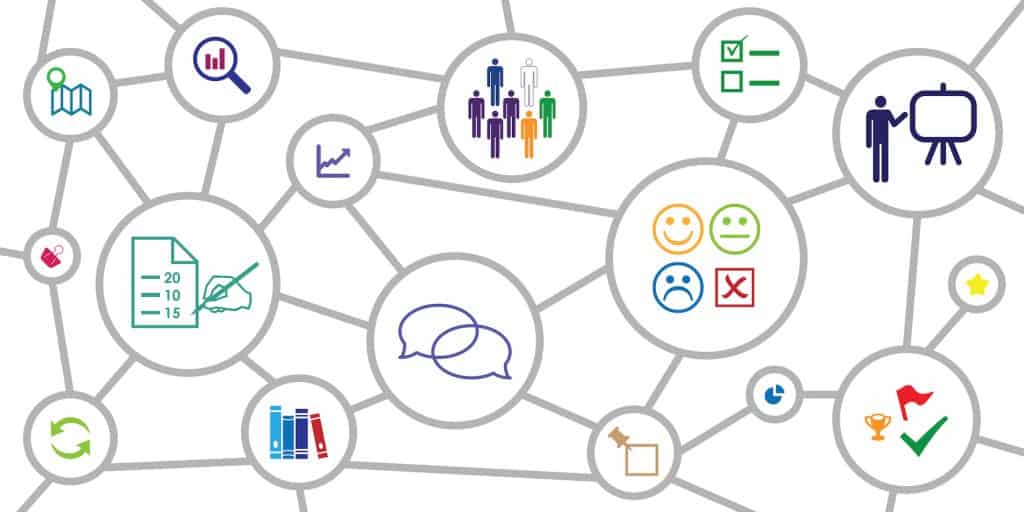
What is social emotional learning, why it is important and how to integrate it into teaching and learning in schools.


Understanding emotional regulation and dysregulation
Dr Tracy Stewart explores what is meant by emotional regulation and discuss practical strategies that teachers can use to support emotion regulation skills in the classroom. She will also discuss her new, not yet published, research, in which she is working together with teachers to co-develop emotion regulation skills that are embedded directly into classroom practice.

Understanding your students’ socio-emotional learning
Dr Heidi Leeson from Monocle Education discusses social-emotional learning (SEL) and shares her latest research on the most impactful areas of SEL in regard to academic performance and the developmental stages of students.
Enabling student wellbeing and social-emotional learning
In this webinar, Heather Matthews from Hornby Primary School, Raewyn Davis from Hornby High School, and Dr Amanda Denston from Te Whare Wānanga o Waitaha | University of Canterbury share the findings from their collaborative research around the creation of a culturally and linguistically sustainable framework for socio-emotional learning that supports wellbeing for rangatahi in Years 4 to 8.

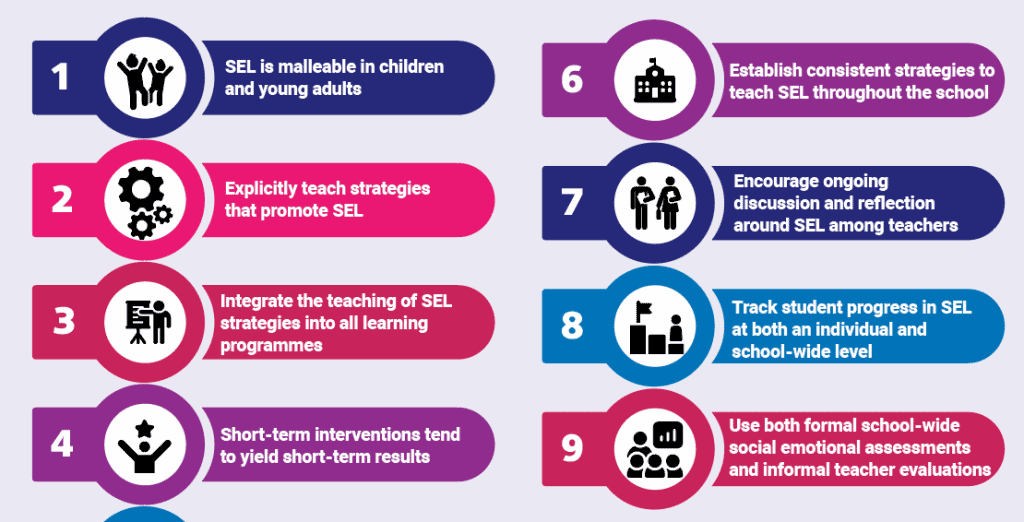
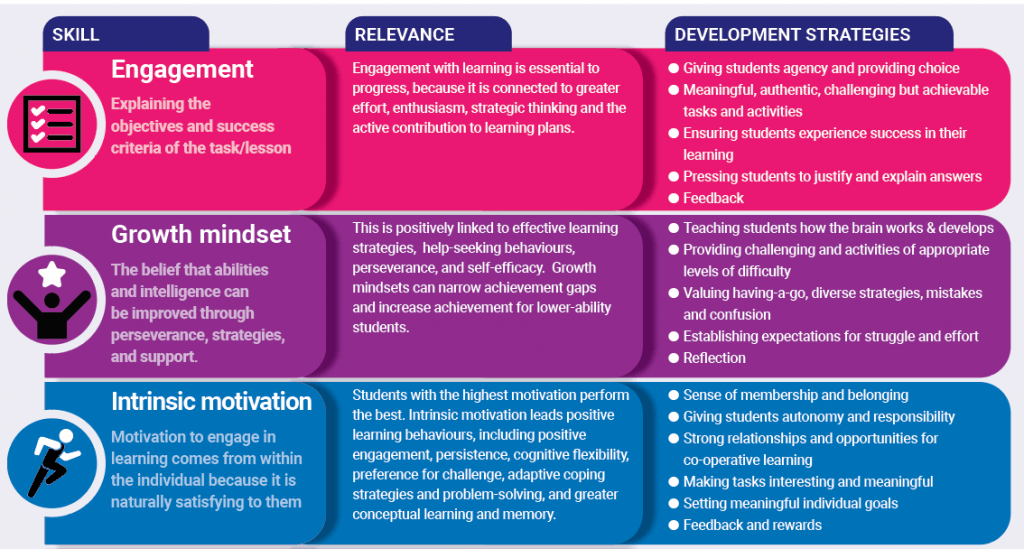
Social-emotional learning – what schools need to know
Dr Claire Han explores the different mindsets, skills, and competencies that SEL incorporates and how they can be integrated into teaching and learning.
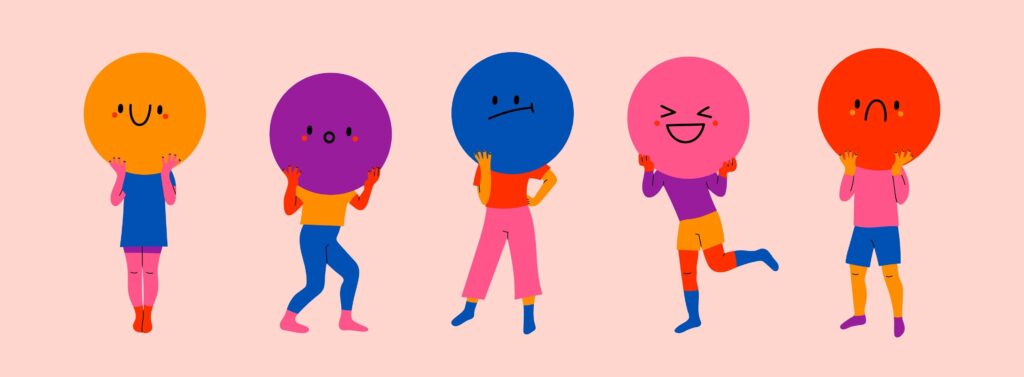
How to support effective emotion regulation in schools and classrooms
Key insights from the webinar with Dr Tracy Stewart.
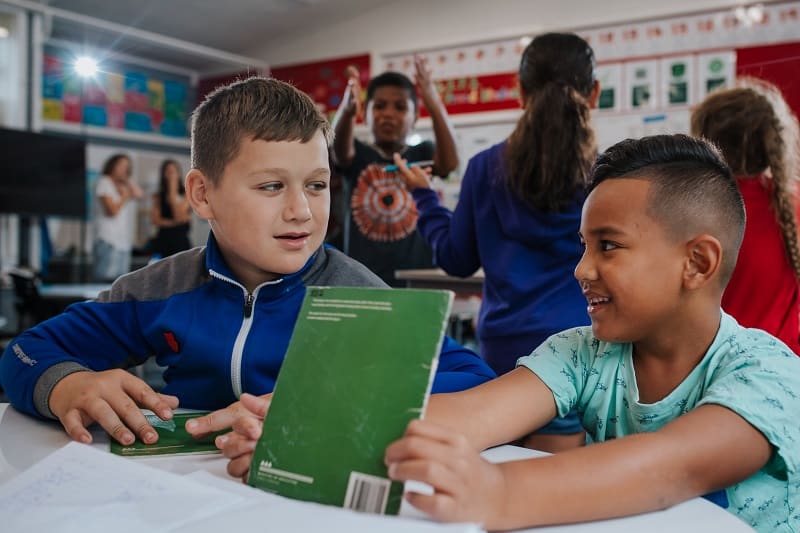
Understanding and measuring students’ social-emotional learning
The key insights from our webinar with Dr Heidi Leeson on the importance of social-emotional learning for academic achievement.

What are the differences between social-emotional learning and key competencies?
Dr Heidi Leeson of Monocle Education offers her perspective on the relationship between social-emotional learning and the key competencies
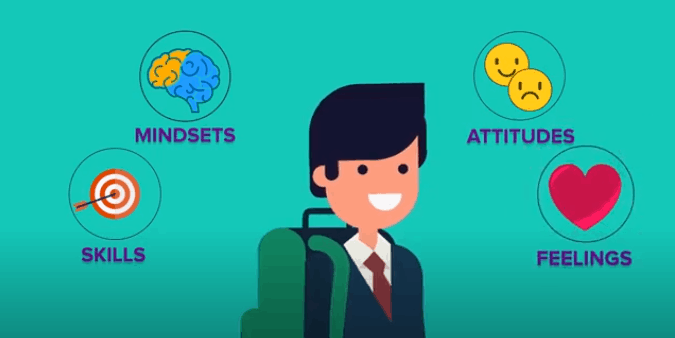
A brief introduction to social emotional learning
A brief introduction to what social emotional learning is and why it's important
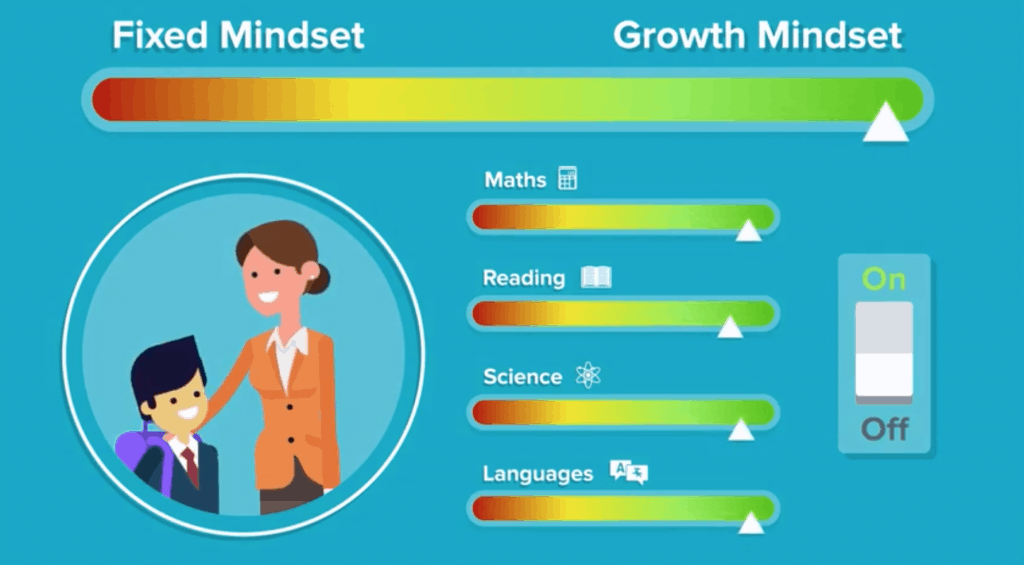
Beliefs, behaviours and actions associated with a growth mindset
An introduction to the research on the importance of mindsets, and associated beliefs, behaviours and actions
Social connectedness
Associate Professor Hunter Gehlbach talks about how teachers and schools can help support social connectedness.
What teachers need to know about socio-emotional learning
Associate Professor Hunter Gehlbach talks about some of the most important things for teachers to think about in terms of socio-emotional learning.
Panorama Education
Associate Professor Hunter Gehlbach talks about the free resources that Panorama Education makes available to teachers.
Instruments for measuring socio-emotional learning
Associate Professor Hunter Gehlbach discusses instruments that schools can use to measure socio-emotional learning.
Measuring the elements of socio-emotional learning
Associate Professor Hunter Gehlbach talks about whether teachers should be actively trying to measure the elements of socio-emotional learning.
Socio-emotional learning at all levels of schooling
Associate Professor Hunter Gehlbach discusses the relevance of the ideas underpinning socio-emotional learning to all levels of schooling.