




theteam@theeducationhub.org.nz
Postal Address
The Education Hub
Suite 4, Palm Space
PO Box 69-234
Glendene
Auckland 0645
Culturally responsive pedagogies can reduce the gaps between the highest and lowest achievers while at the same time raising overall levels of achievement.
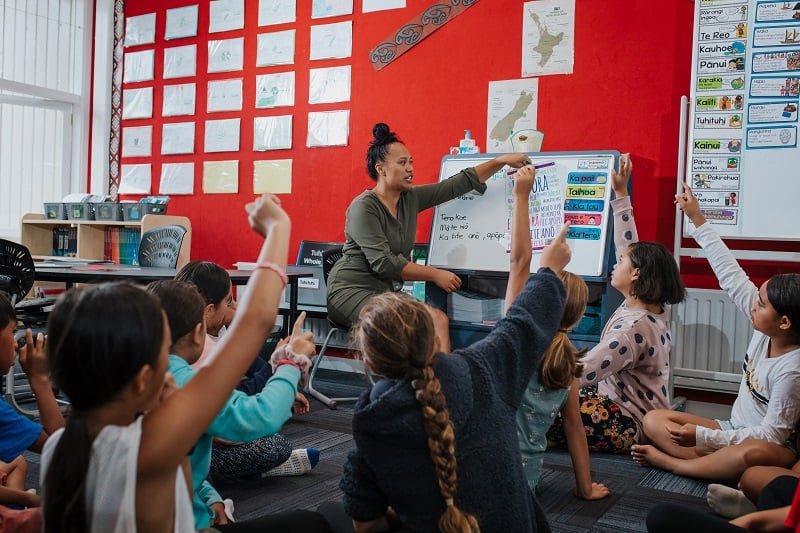
Culturally responsive teaching is about making school learning relevant and effective for learners by drawing on students’ cultural knowledge, life experiences, frames of reference, languages, and performance and communication styles. This means making what students know, and how they know it, the foundation of learning and teaching interactions and curriculum. This is good for all students, but particularly so when there are significant differences between the world of the teacher and the world of the child.
Culturally responsive teaching recognises and deeply values the richness of the cultural knowledge and skills that students bring to the classroom as a resource for developing multiple perspectives and ways of knowing. Teachers communicate, validate and collaborate with students to build new learning from students’ specific knowledge and experience.
Culturally responsive pedagogies can reduce the gaps between the highest and lowest achievers while at the same time raising overall levels of achievement. Culturally responsive pedagogies raise student achievement for all cultural groups, ensuring that all students are given the encouragement and support to realise their educational potential regardless of their social, economic or cultural background or individual needs.
While student diversity is increasing, there is a general lack of diversity amongst New Zealand’s teachers. Cultural gaps between students and teachers, when left unaddressed, can lead to misunderstandings of teacher expectations on the part of the student, or of student behaviour on the part of the teacher. Most schools, teachers, curriculum documents and texts reflect, transmit and reproduce the discourse, knowledge and values of the mainstream culture, while excluding or negating those of minority or diverse groups.
There is consistent evidence indicating that the relationships that teachers have with their students, including teachers showing genuine interest in their students and their culture, influences learning. There further is consistent evidence showing that students who feel welcome and comfortable in, and connected to, their school (and individual class/classroom/teacher) tend to show greater levels of engagement and academic achievement.
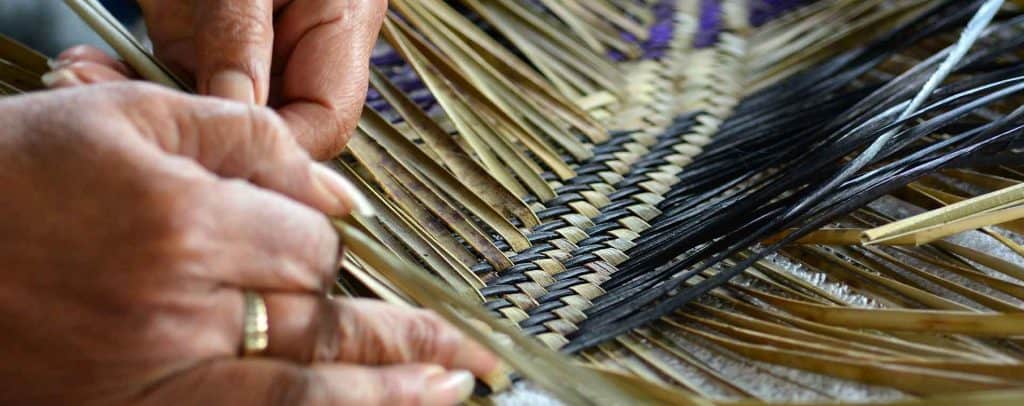
An overview of key principles underpinning culturally responsive practice.

A systematic look at some key principles for supporting Maori students to achieve success as Maori

A closer look at some key strategies for supporting Pasifika students through culturally responsive pedagogies
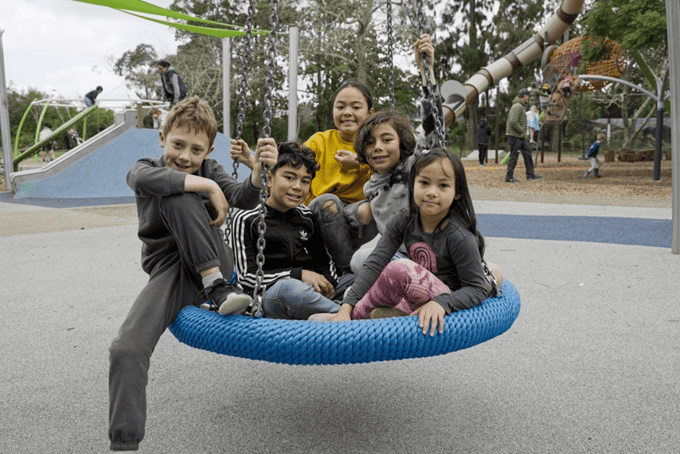
In this webinar, Dr Hana Turner-Adams will explore how relationships, identity, and culture shape learning experiences, and why educators play a crucial role as agents of change within their classrooms and wider school communities.
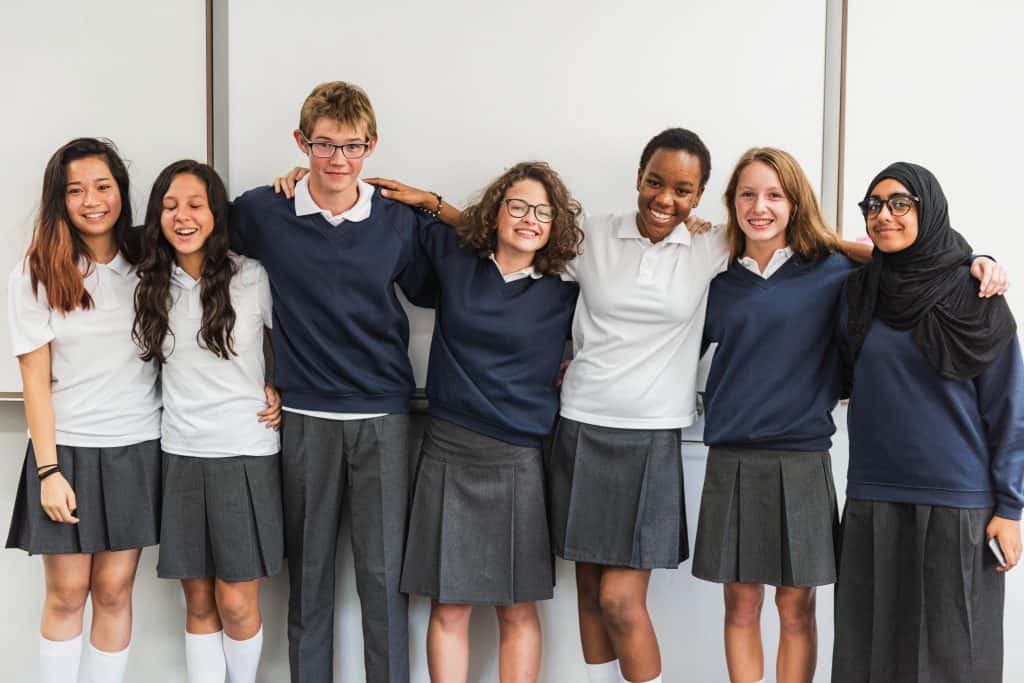
Coming in November
In this webinar, Emeritus Professor Christine Rubie-Davies and Associate Professor Frauke Meyer will share findings from the Elevate Empathy project.
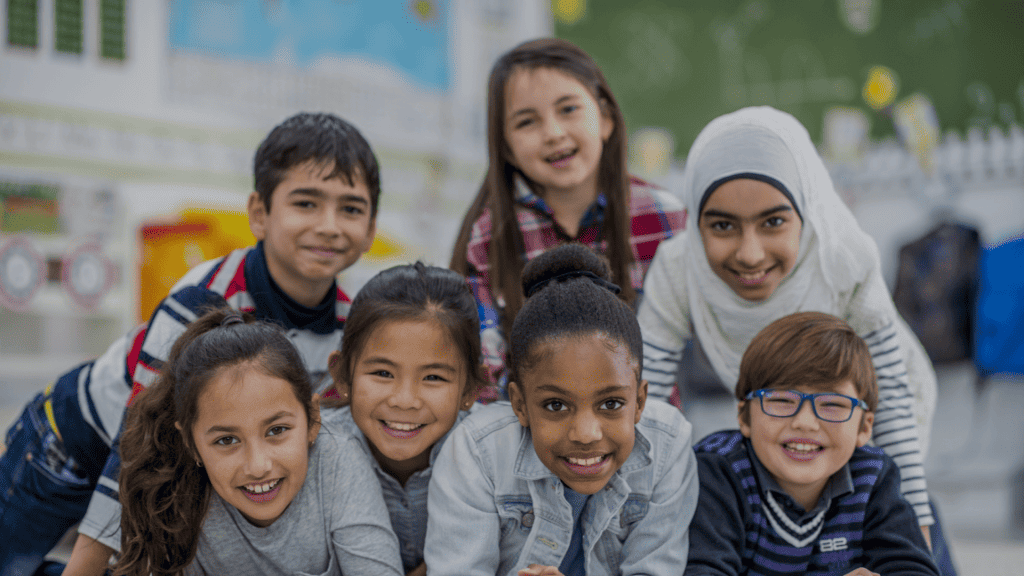
This webinar for early childhood and school teachers and leaders shares insights from research by Professor Sally Peters and Dr Hazel Woodhouse which highlights the powerful role of early childhood settings, schools, Settlement Centre staff, and families in supporting positive educational experiences and transitions.
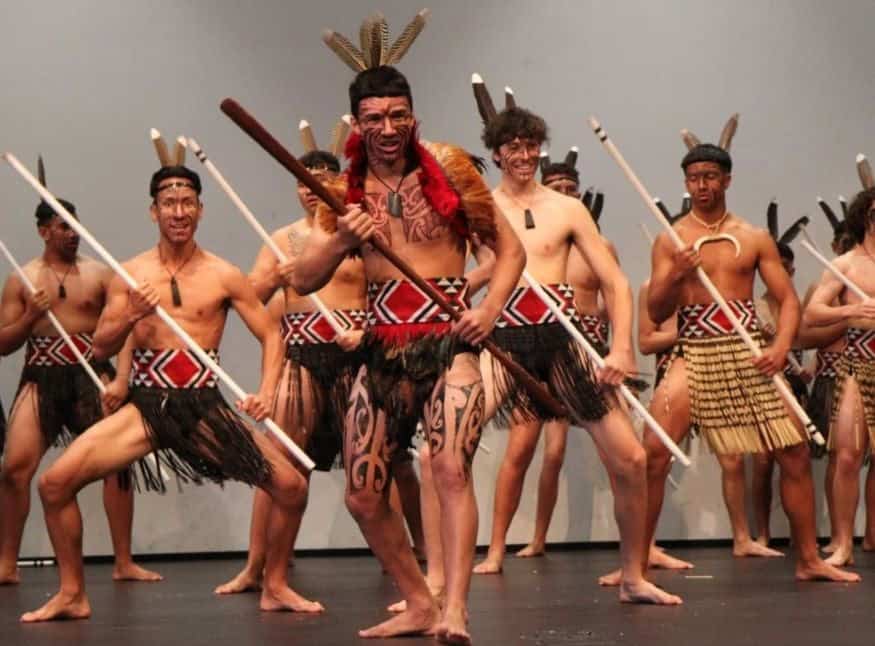
Matua Johnny Waititi will talk about the journey to setting up Te Whānau Rūmaki o Te Puna, an immersion unit at Westlake Boys High School on Auckland’s North Shore
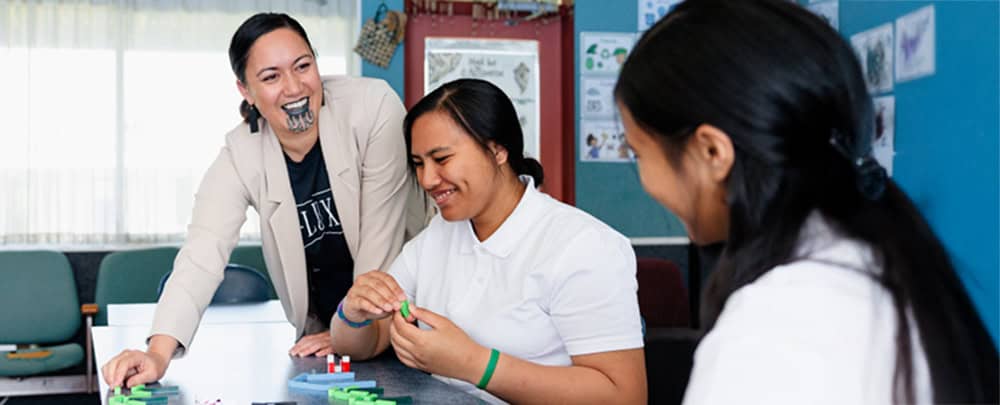
Dr Tania Cliffe-Tautari discusses how attitudes and beliefs that kaiako hold consciously and unconsciously can be a significant factor leading to student engagement or disengagement at and from school.

Janelle Riki-Waaka returns to help educators to positively challenge their existing beliefs and perceptions about te ao Māori, and to build deeper understanding of the best ways to work alongside Māori and enact our
responsibilities to te Tiriti o Waitangi.
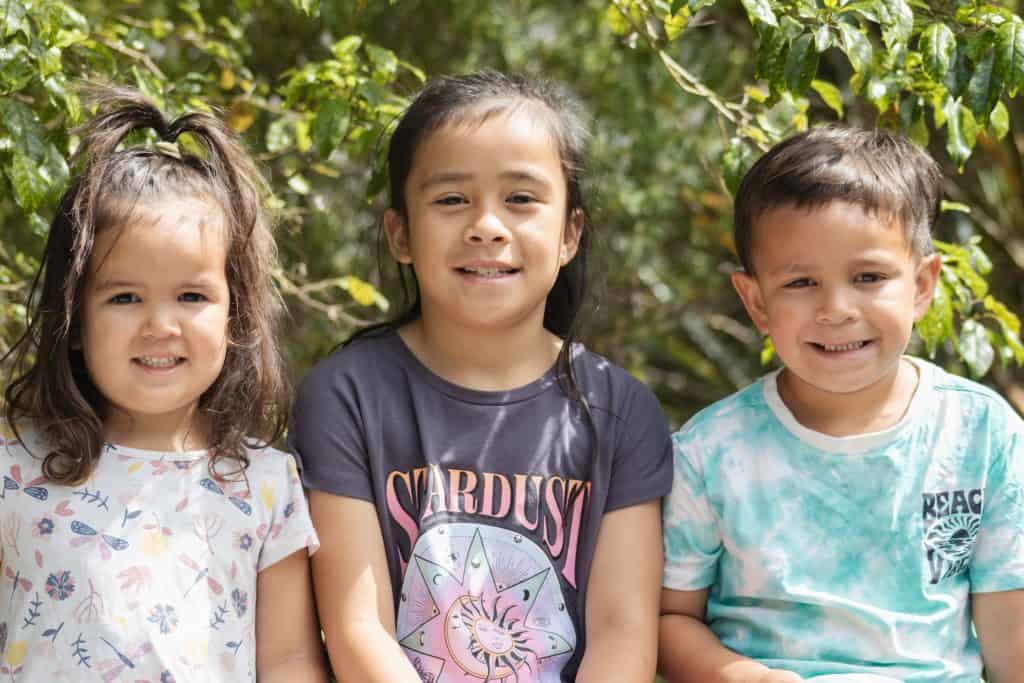
Key insights from a webinar with Dr Hana Turner-Adams from Waipapa Taumata Rau | University of Auckland.
Key insights from a webinar with Professor Sally Peters and Dr Hazel Woodhouse.

Insights from a webinar with Matua Johnny Waititi from Westlake Boys High School.

Key insights from a webinar with Dr Tania Cliffe-Tautari of Waipapa Taumata Rau - The University of Auckland.
Key insights from a webinar with Professor Russell Bishop.

Insights from Dr Alex Barnes' research into co-governance in one New Zealand school.