Classroom management
Effective classroom management is essential to creating a positive and productive learning environment.
Definition
Classroom management involves a teacher’s use of strategies for maintaining order in the classroom that are implemented during classroom-wide, small group, and individual instruction. It is more efficient and beneficial to implement strategies as part of an established structure such a school-wide management system or framework.
Relevance
Good behaviour and classroom management enhance good academic teaching and student engagement. It is important to understand the complexity of the association between academic and social behaviour success because, while they are mutually enhancing, they both need to be taught.
State of the evidence
Student problem behaviour is also one of the mostly reported sources of stress and burnout among teachers, and is sometimes a cause of teacher attrition. There is a growing body of evidence to demonstrate the impact of positive student behaviour and effective classroom management on student engagement and academic achievement. There are also a number of specific classroom management approaches and strategies whose effectiveness has been demonstrated by research.
In practice
Evidence-based practices, systems to support implementation, and data to guide decision making are core elements of effective classroom management. Effective classroom management systems that consists of dynamic teaching, relationship building, and positive social behaviour help to make students feel safe and connected to the school environment. Relying on reactive, consequence-oriented practices creates a negative climate, which can result in lower educational expectations and higher rates of problem behaviour. However, students who experience preventive behaviour support are more likely to be comfortable in school, academically engaged, and benefit from academic instruction.
Guiding questions
- How can I select and implement evidence-informed classroom practices to support appropriate behaviour and reduce problem behaviour?
- How can I use data to identify and clearly define problem behaviours?
- How can I monitor and evaluate progress toward achieving a practical and effective classroom management system that meets the needs of all students?
- Does my school have a behaviour management policy or framework that guides expectations across all classrooms?
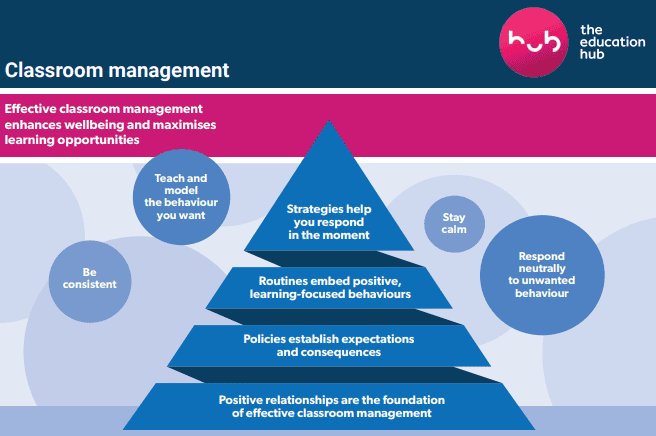
An overview of the key principles of classroom management
An introduction to the key components of effective classroom and behaviour management.
Maximise structure: Practices for effective classroom management
A closer look at how to establish classroom environments that support positive behaviour.
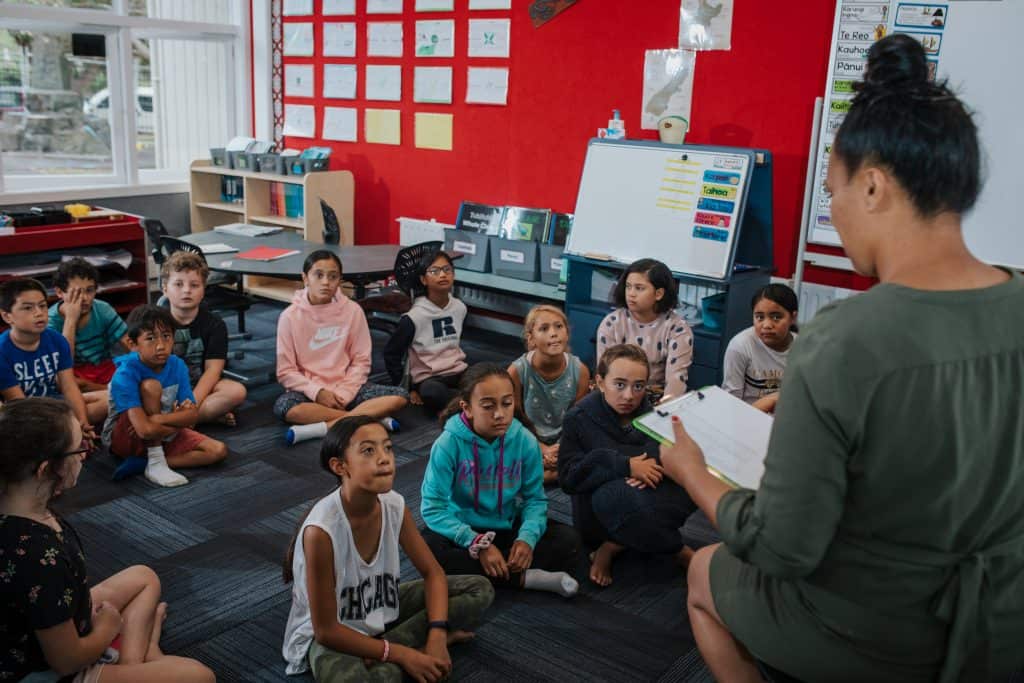
Teaching expectations, routines, and classroom procedures: Practices for effective classroom management
Explicitly teaching classroom expectations and practices can help to prevent problem behaviours.
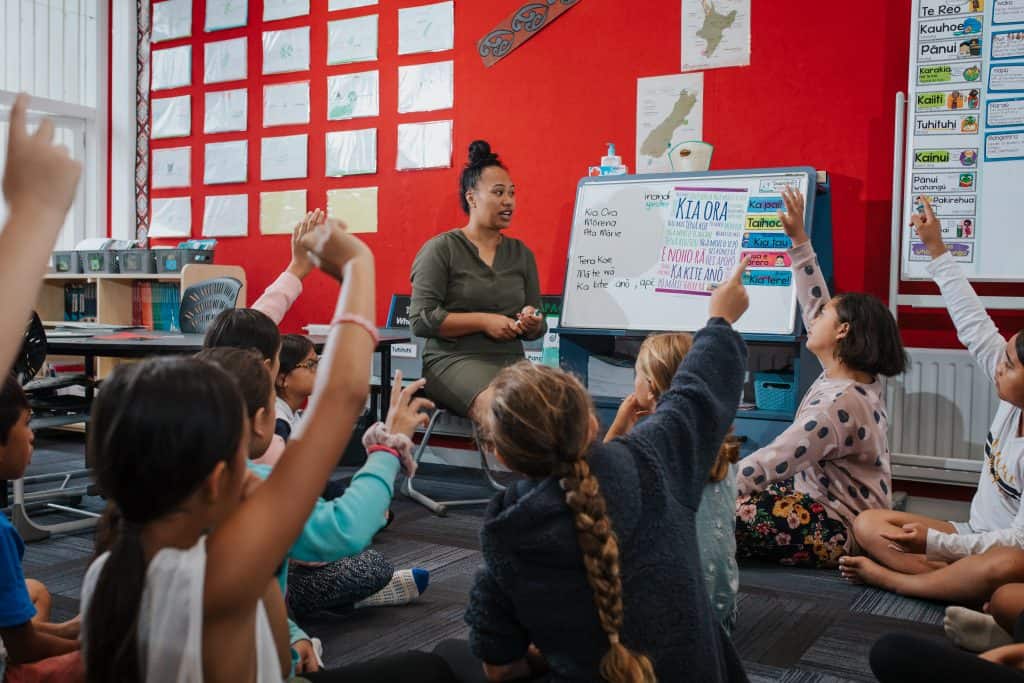
Active student and teacher engagement: Practices for effective classroom management
Actively engaging students is an effective way of promoting a positive learning environment and preventing disruptive behaviours.
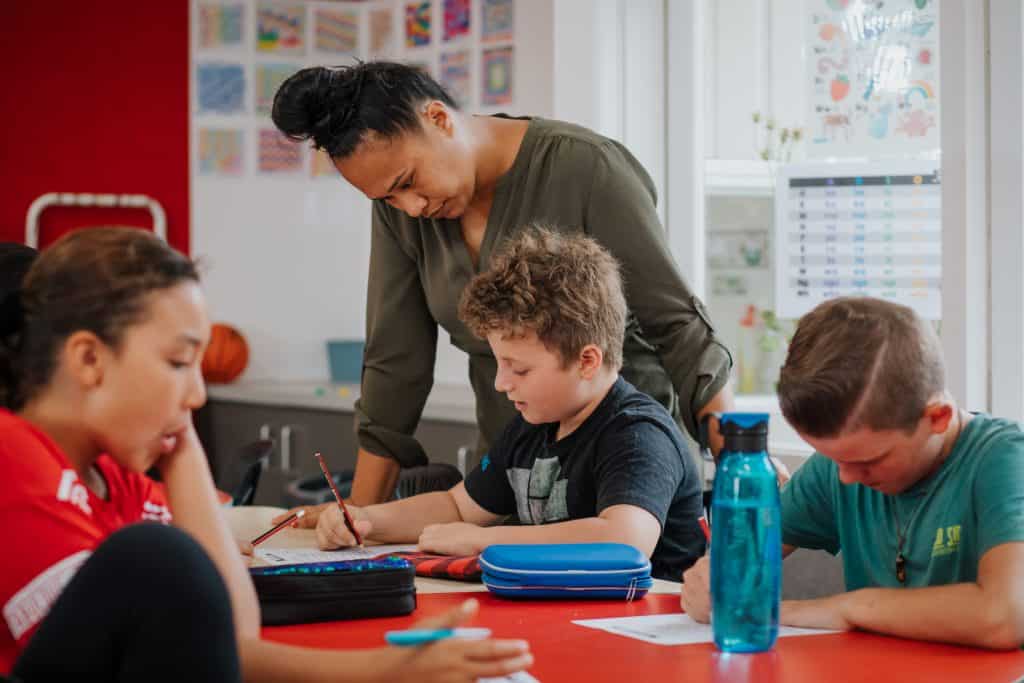
Acknowledging appropriate behaviour: Practices for effective classroom management
Being specific when highlighting students’ positive behaviour helps them to understand what they are doing well and what kinds of behaviour are desirable.

Responding to inappropriate behaviour: Practices for effective classroom management
It is important to have a plan for recognising and responding to significant incidents of problem behaviour


Understanding emotional regulation and dysregulation
Dr Tracy Stewart explores what is meant by emotional regulation and discuss practical strategies that teachers can use to support emotion regulation skills in the classroom. She will also discuss her new, not yet published, research, in which she is working together with teachers to co-develop emotion regulation skills that are embedded directly into classroom practice.
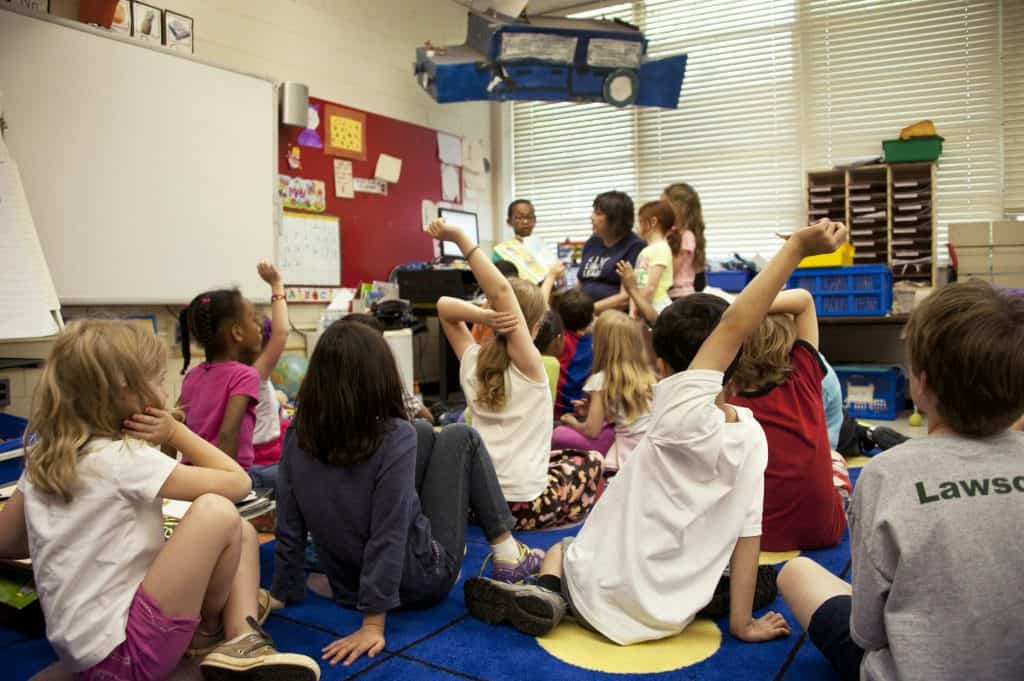
Classroom management for positive and productive learning environments
Heather Peshak George explores what research says about the strategies, practices, and approaches to classroom and behaviour management that promote positive and productive learning environments.