
Speech and language differences
Some students may learn to comprehend and express meaning through language differently to their peers, and require additional support to develop these skills.
Definition
The terms speech, language, and communication are often used interchangeably, but they have distinct meanings. Language refers to the comprehension and use of words and sentences to convey meaning, and can be written, spoken, or signed. Speech refers to the production of vocal sounds and involves both motor and linguistic skills. It is possible to have impaired speech but intact language.
Communication encompasses both language and speech, and includes both verbal and nonverbal means of expression. Difficulties with speech, language, and communication may be due to neurological differences, or the result of an accident or pre-existing medical condition such as sensorineural hearing loss.
Relevance
Language learning difficulties and language impairments are very common, and can have a significant impact on students’ ability to succeed at school and beyond. Students who experience difficulty understanding and/or expressing themselves through language may struggle with understanding words, following instructions, answering questions, remembering what someone has said, and paying attention. They are highly likely to struggle with learning to read and write. One of the most common forms of language-based learning difference is Developmental Language Disorder, a neuro-developmental condition, and it is estimated that up to 14% of people may have DLD.
State of the evidence
The complex nature of language means that the identification and definition of language-based learning difficulties has not been straightforward, and there has been a lack of agreement on how to identify and classify these differences. However, there is a growing body of evidence on how to effectively support students with a range of speech and language difficulties.
In practice
It is important for teachers and schools to be attentive to difficulties students may be experiencing in understanding and expressing themselves verbally and non-verbally through language. Often language-based difficulties may be mis-identified as poor behaviour or a lack of attention. Many students may require specific support, and it is important for teachers to work with specialists such as speech language therapists. There are also many ways that teachers can support these students as part of their regular practice, such as effectively teaching new vocabulary, using multi-modal ways of presenting information and instructions, and attending to students’ cognitive load demands.
Guiding questions
- How can I use a range of visual tools to support students’ understanding of verbal information and instructions?
- How can I effectively support students’ learning of new and discipline-specific vocabulary?
- Can I provide students with opportunities to express their learning in a range of modes?
- How can I work with specialists to support students with speech and language-based learning differences?

Developmental Language Disorder in secondary school
How to promote the success of students with Developmental Language Disorder in secondary school.

Developmental Language Disorder in primary school
Approaches and strategies for supporting students with Developmental Language Disorder in primary school classrooms.
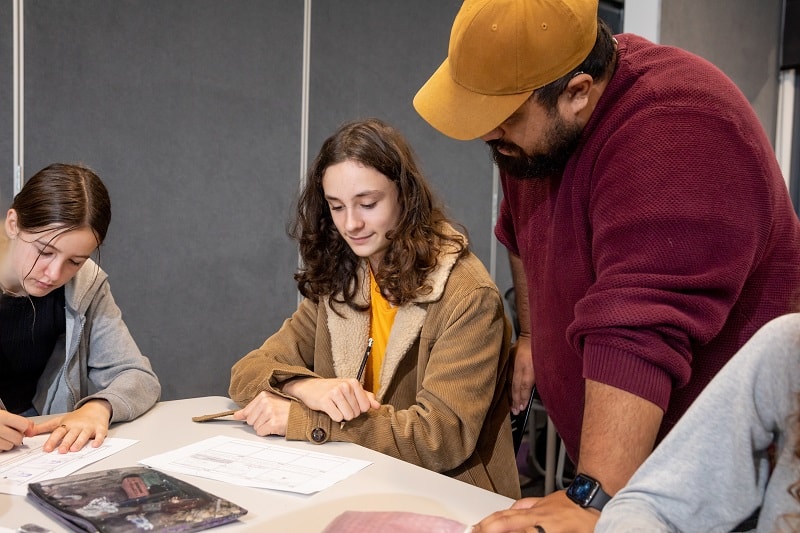
An introduction to Developmental Language Disorder
An overview of DLD, one of the most common forms of neurodivergence, and how to support students with DLD in the classroom.

Understanding Developmental Language Disorder and how it can affect learning
Speech pathologist Vanessa Leaver talks about DLD, how it can affect children and young people at school, and how to support students with DLD in the classroom

Supporting neurodivergent students in the classroom
Dr Emily McDougal shares insights from her work into supporting neurodivergent students in schools and classrooms.

Neurodiversity in education
This webinar explores the challenges that neurodiverse students face in schools and as they move on to tertiary education, as well as how teachers and schools can help to ameliorate these challenges.


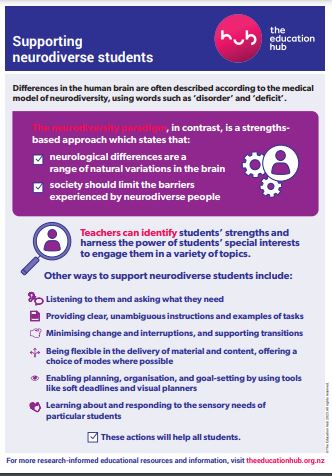

Supporting students with Developmental Language Disorder
Key insights from a webinar with speech pathologist Vanessa Leaver.

Key challenges for neurodivergent students in school settings and how to help
Insights from the webinar with Emily McDougal on supporting neurodivergent students in schools and classrooms.
Removing barriers to success for neurodivergent students
Dr Chiara Horlin offeres practical ways that teachers and schools can help to ameliorate these challenges and support neurodivergent students to celebrate and use their strengths in the classroom.