
Learners & learning

Supporting neurodivergent teachers in schools and early childhood settings
What the research says about supporting neurodivergent teachers in the workplace.

Supporting neurodivergent students in secondary schools
An overview of the challenges that neurodivergent students can experience in secondary school settings, and how to help.
Working memory and neurodivergence
Why providing additional working memory support is so important for neurodivergent students.

Supporting neurodivergent students by developing the home-school partnership
Building supportive partnerships with families of neurodivergent students.
Understanding mental health and wellbeing in intermediate and lower secondary school students
Guidance on how to support the mental health and wellbeing of students aged 11-15.

Sample safety or de-escalation plan
An example of a de-escalation plan designed to support students to emotionally self-regulate at school.


















































Unpacking the science of learning
Coming in September
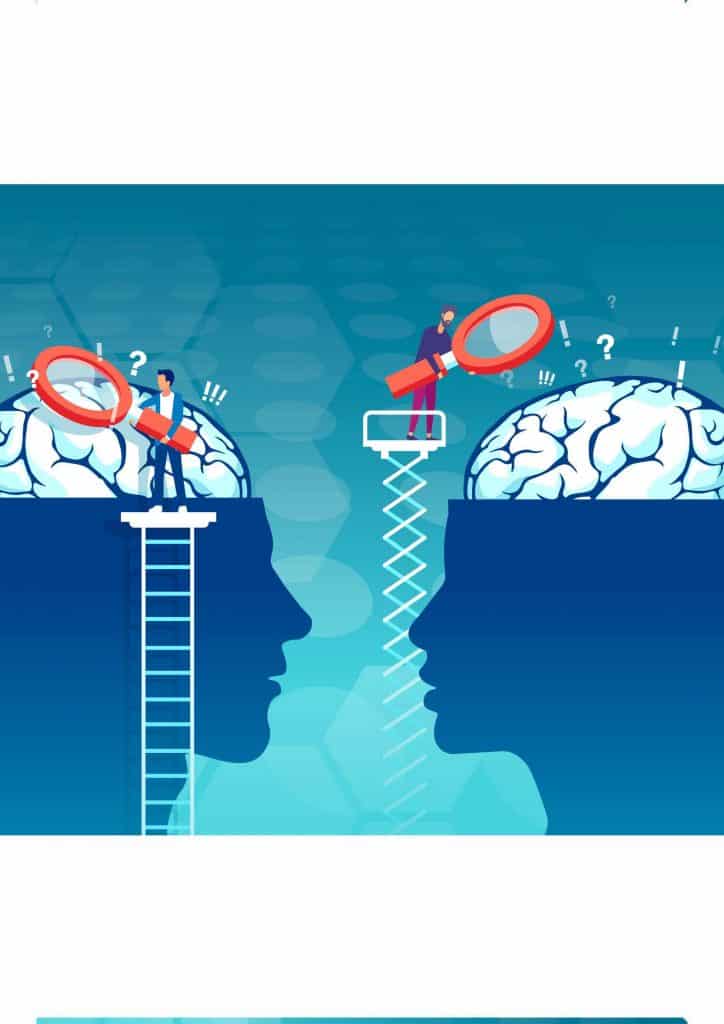
This webinar with Dr Stephanie Macmahon will offer educators the opportunity to build a richer, deeper, and more nuanced understanding of the science of learning—one that both extends beyond and strengthens the ideas they may already be familiar with.
Everyday wellbeing: Evidence-based strategies for schools
Dr Madeline Hayward and Dr Seungyeon Kim share some of the key findings from Koi Tū’s long-running research in youth mental health and wellbeing.
Thinking about thinking: How teaching metacognition turns struggle into strategy
This webinar with Professor Melissa Barnes from La Trobe University will examine the research behind metacognition and discuss why it has such a powerful impact on learning outcomes.

Supporting positive transitions for refugee and migrant children
This webinar for early childhood and school teachers and leaders shares insights from research by Professor Sally Peters and Dr Hazel Woodhouse which highlights the powerful role of early childhood settings, schools, Settlement Centre staff, and families in supporting positive educational experiences and transitions.

Acorns to Oaks: Rewriting the story of inclusive transitions
This webinar with Lisa Winiata and Tara Solomon from Kaitiaki Kindergartens and Tami Harris from Acorn Neurodiversity shares findings from the research partnership between Kaitiaki Kindergartens and Acorn Neurodiversity which investigated how kaiako can support neurodivergent tamariki through the transition to school.

Beyond reading: Understanding dyslexia and executive function
This webinar with Associate Professor Rebecca Gordon from University College London explores the common difficulties many people with dyslexia experience, and offers practical insights for teachers and school leaders supporting learners of all ages.





































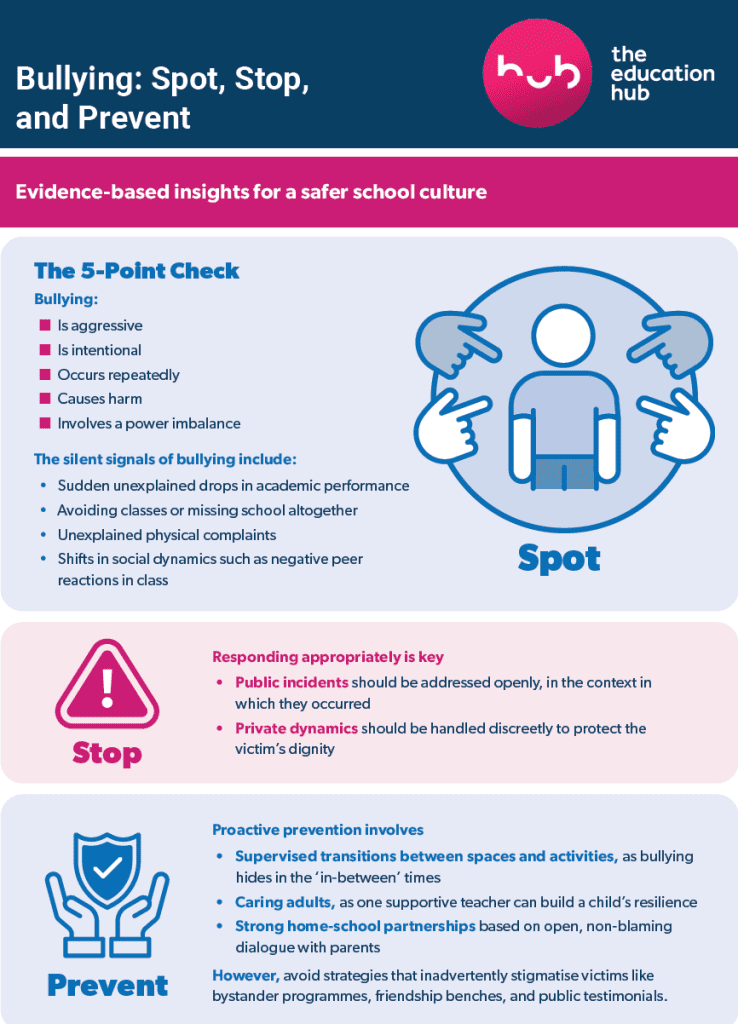
Bullying in schools infographic
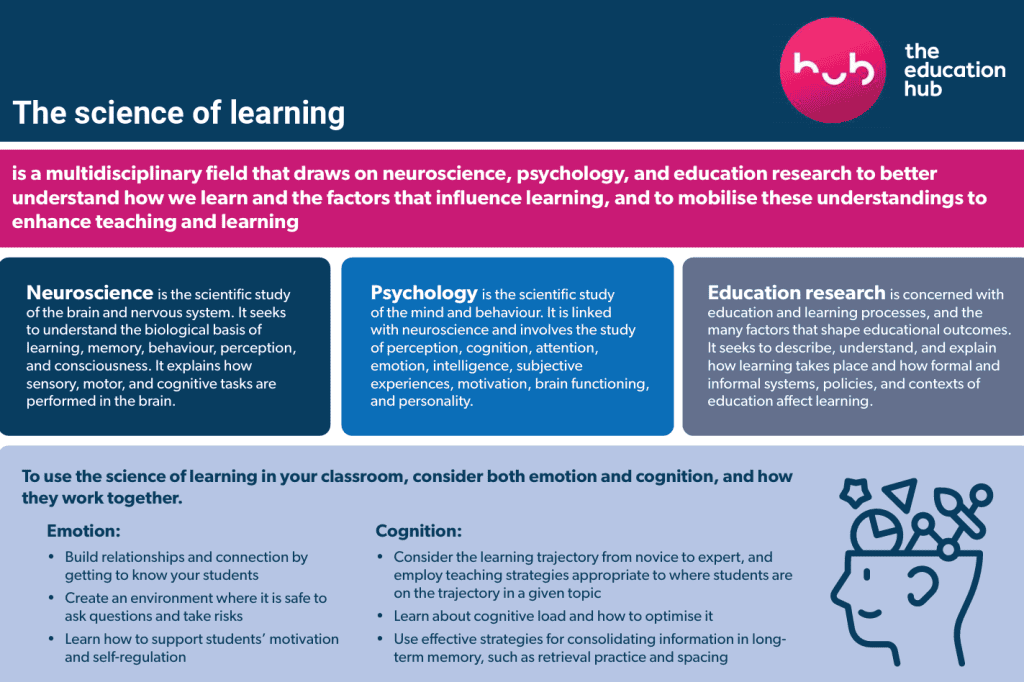
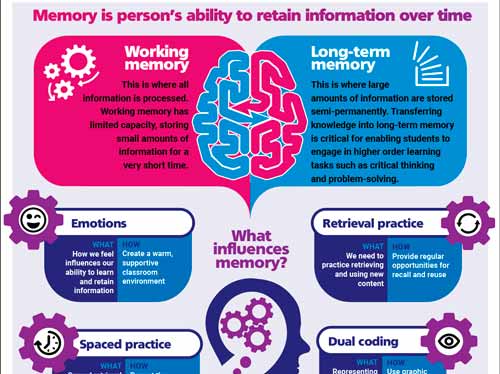
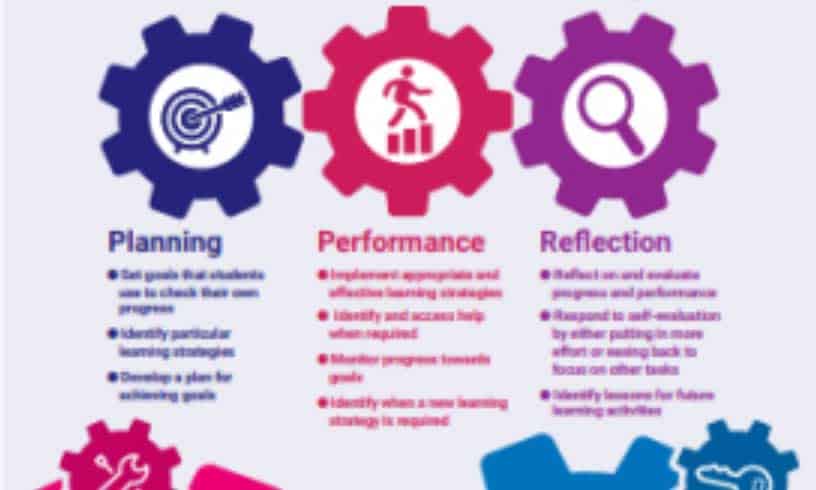
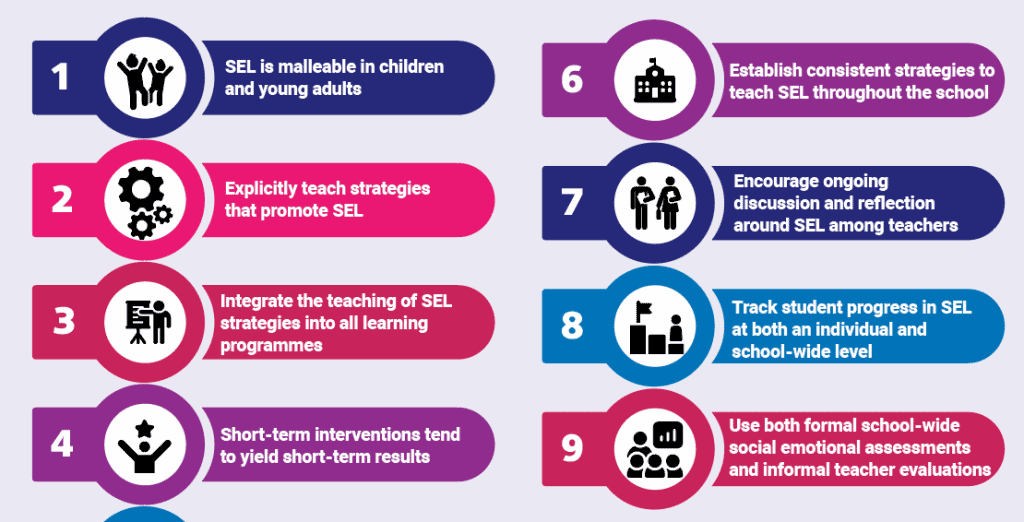
The science of learning infographic
A very quick introduction to the science of learning
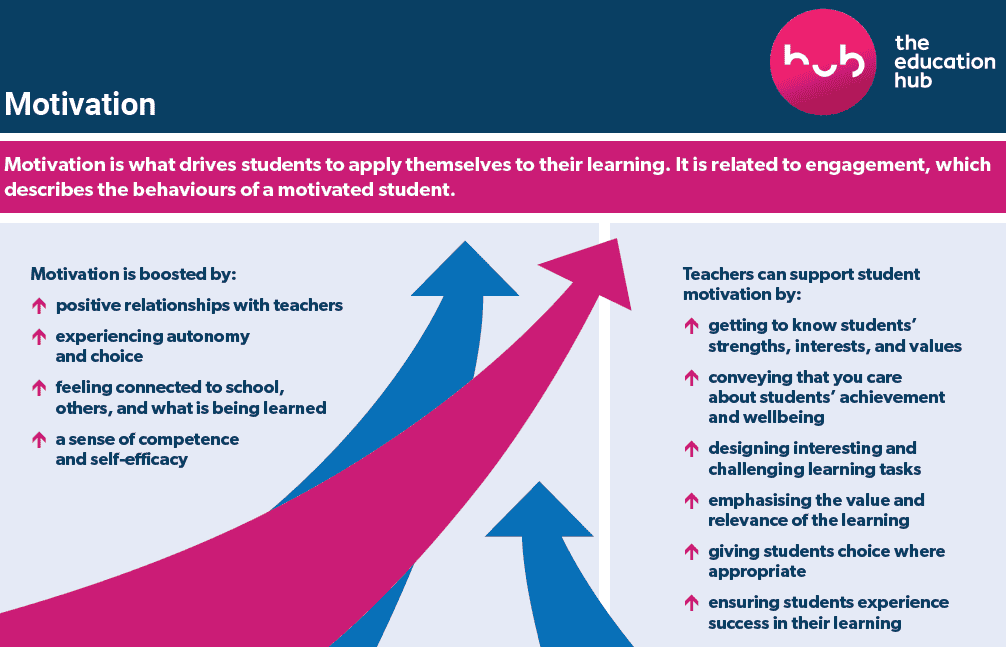
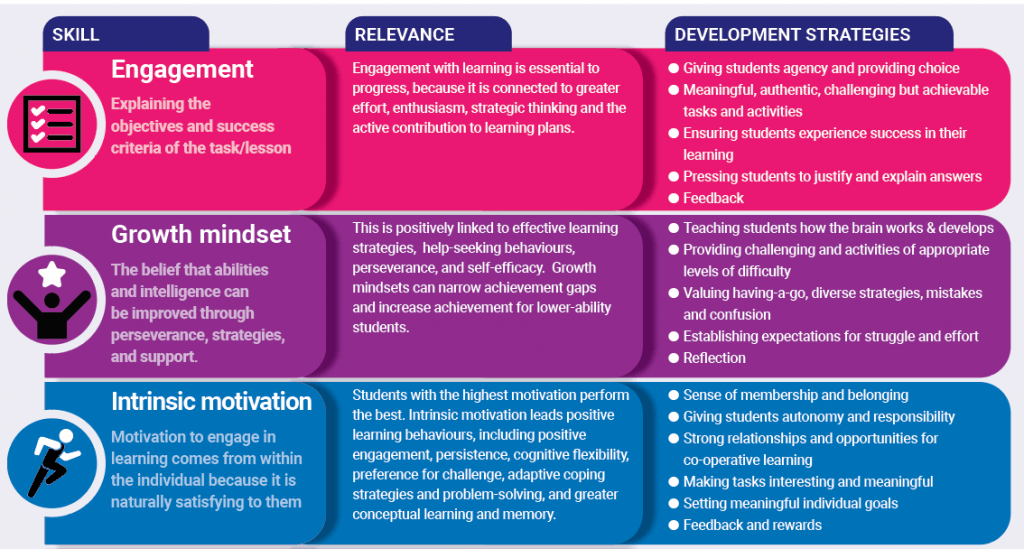
Motivation infographic
What is motivation and how can teachers support student motivation?
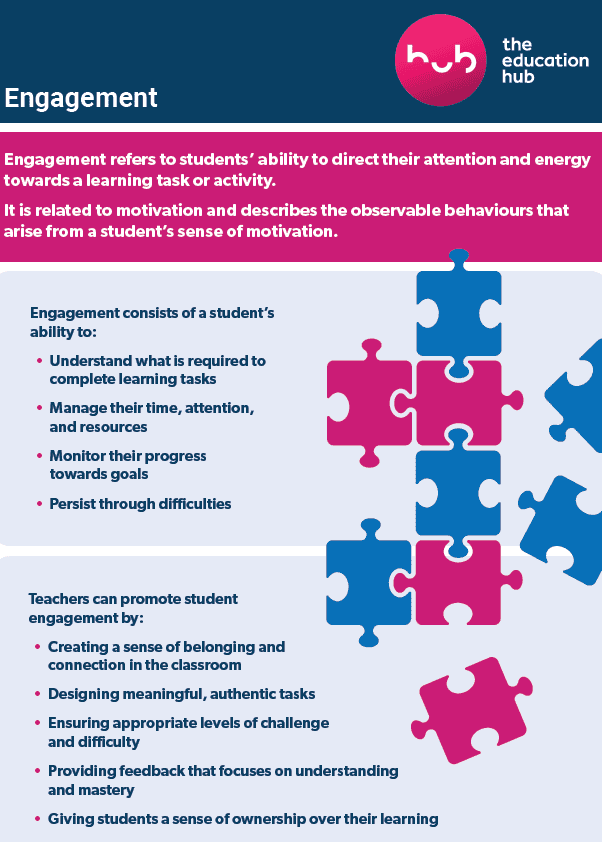
Engagement infographic
What is engagement and how can teachers promote student engagement?
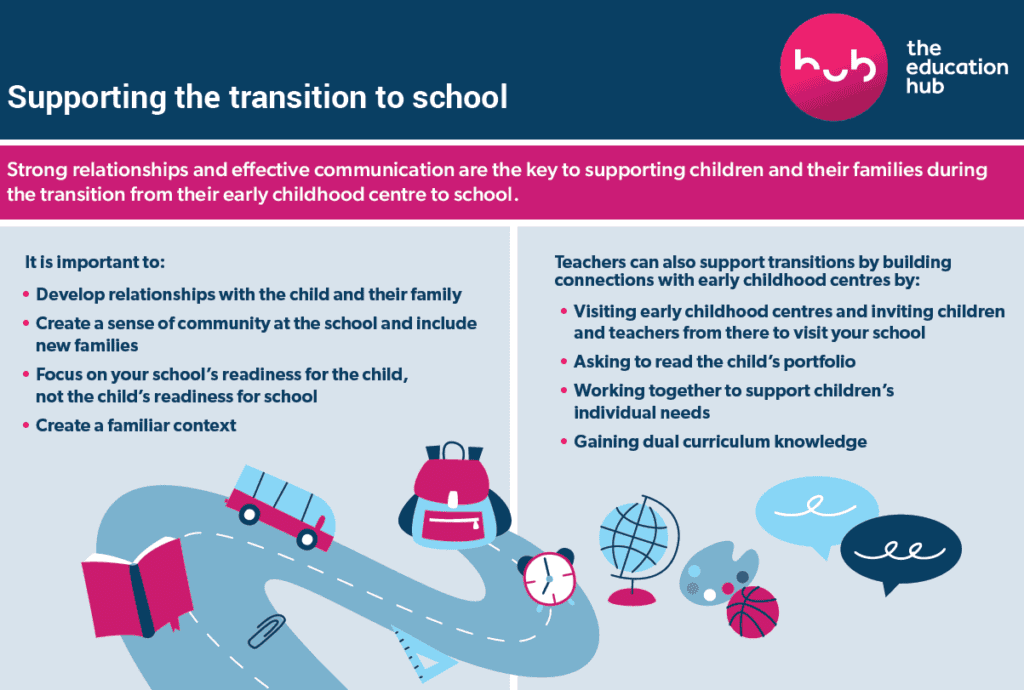
Supporting the transition to school infographic for New Entrant teachers
Strong relationships and effective communication are the key to supporting children and their families during the transition from their early childhood centre to school.
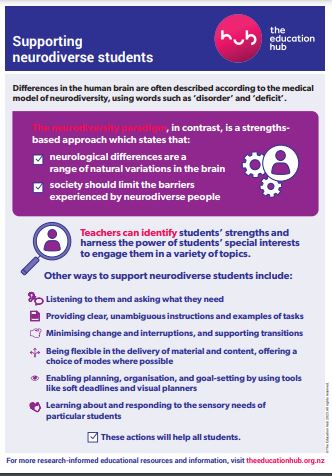
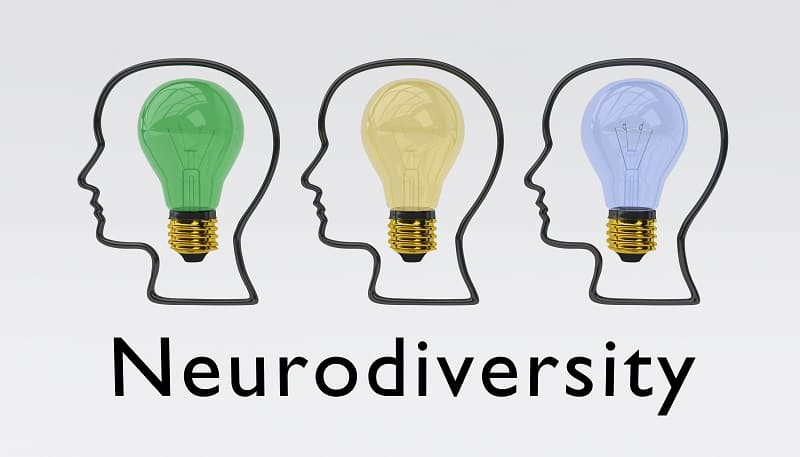
The neurodiversity paradigm
How can you adopt a strengths-based approach to help neurodiverse students succeed in your classroom?
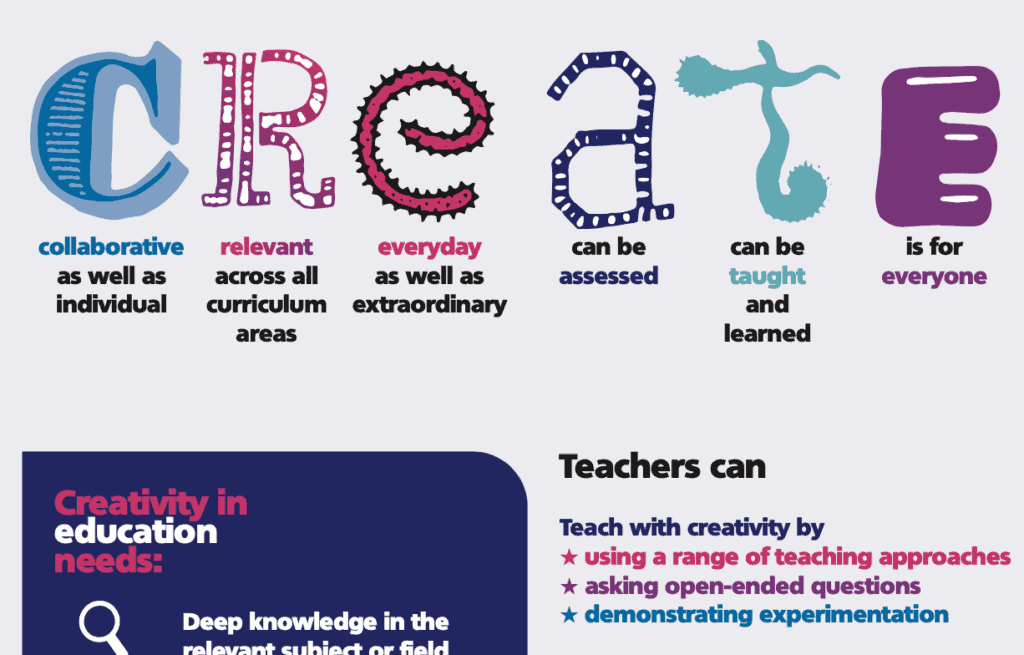
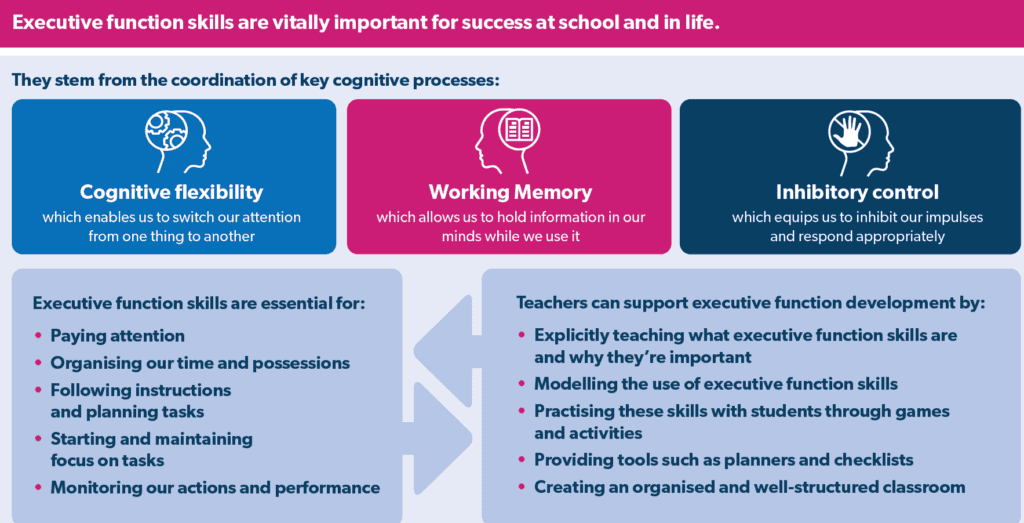
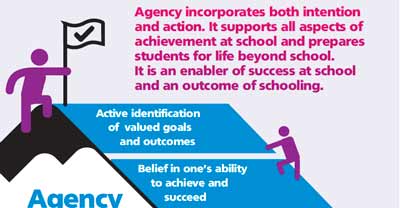

Transitioning neurodiverse tamariki into school: Insights from the Acorns to Oaks project
Key insights from a webinar with Tami Harris from Acorn Neurodiversity and Tara Solomon and Lisa Winiata from Kaitiaki Kindergartens.
Understanding what supports student wellbeing
Key insights from a webinar with Dr Seungyeon Kim and Dr Madeline Hayward from Koi Tū.

How metacognition supports learning and transfer
Key insights from a webinar with Dr Melissa Barnes from La Trobe University.

Positive transitions into school and early childhood settings for refugee and migrant children
Key insights from a webinar with Professor Sally Peters and Dr Hazel Woodhouse.
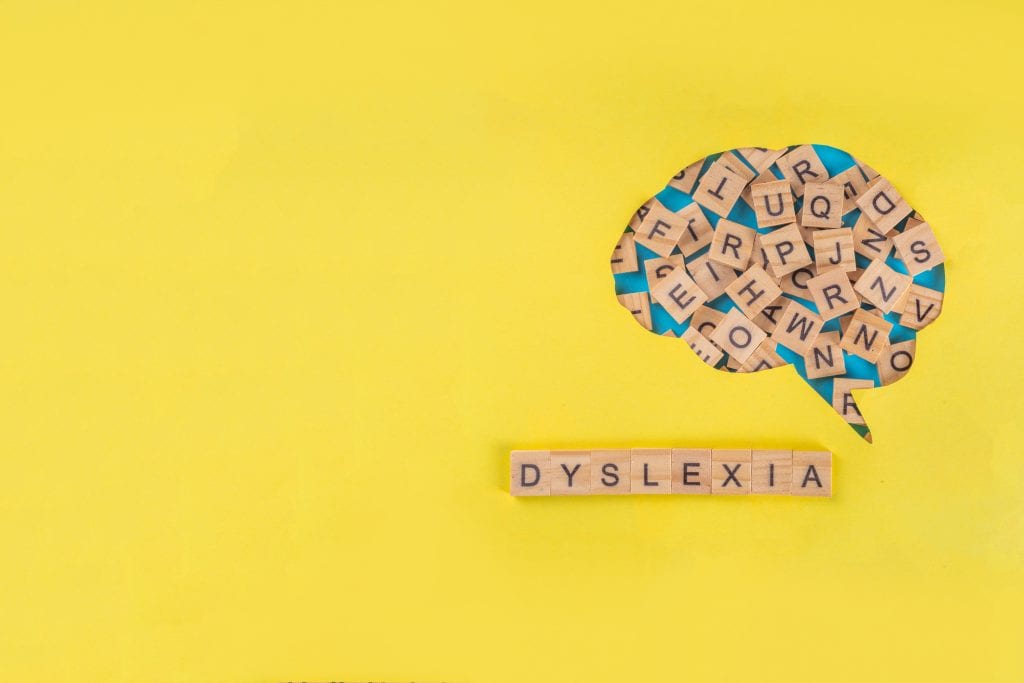
How to support the success of dyslexic students at school and beyond
Key insights on supporting dyslexic students from a webinar with Associate Professor Rebecca Gordon from University College London.

Preventing and responding to bullying in schools
Key insights from a webinar with bullying expert Dr Karyn Healy from the University of Queensland.






























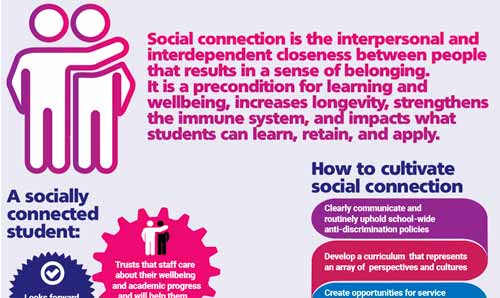
Social connectedness
Associate Professor Hunter Gehlbach talks about how teachers and schools can help support social connectedness.
The science of learning with Professor Matt McCrudden
Associate Professor Matt McCrudden of Penn State University talks to Dr Nina Hood about his research into the science of learning and how teachers can apply the principles of learning science in their classrooms
Debunking neuromythsby Assistant Professor Vanessa Rodriguez
Assistant Professor Vanessa Rodriguez debunks her top 5 neuromyths.
What teachers need to know about the brain by Assistant Professor Vanessa Rodriguez
Assistant Professor Vanessa Rodriguez discusses the key things that teachers need to know about how the brain works in order to support their own and their students’ learning.
The learning process by Assistant Professor Vanessa Rodriguez
Assistant Professor Vanessa Rodriguez talks about the key things for teachers to know about the learning process.
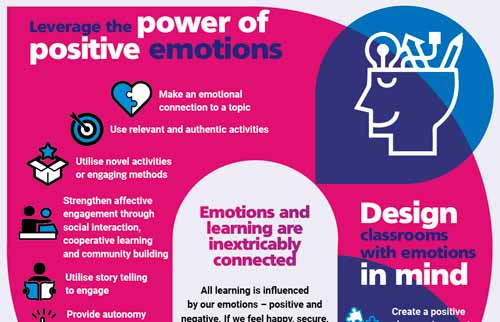
What teachers need to know about socio-emotional learning
Associate Professor Hunter Gehlbach talks about some of the most important things for teachers to think about in terms of socio-emotional learning.