Early childhood education resources

Mentoring strategy: Reflective dialogue
A short guide to reflective dialogue for mentors.

Mentoring strategy: Feedback
A short guide to feedback for mentors.
Mentoring strategy: Observation
A short guide to observation for mentors.
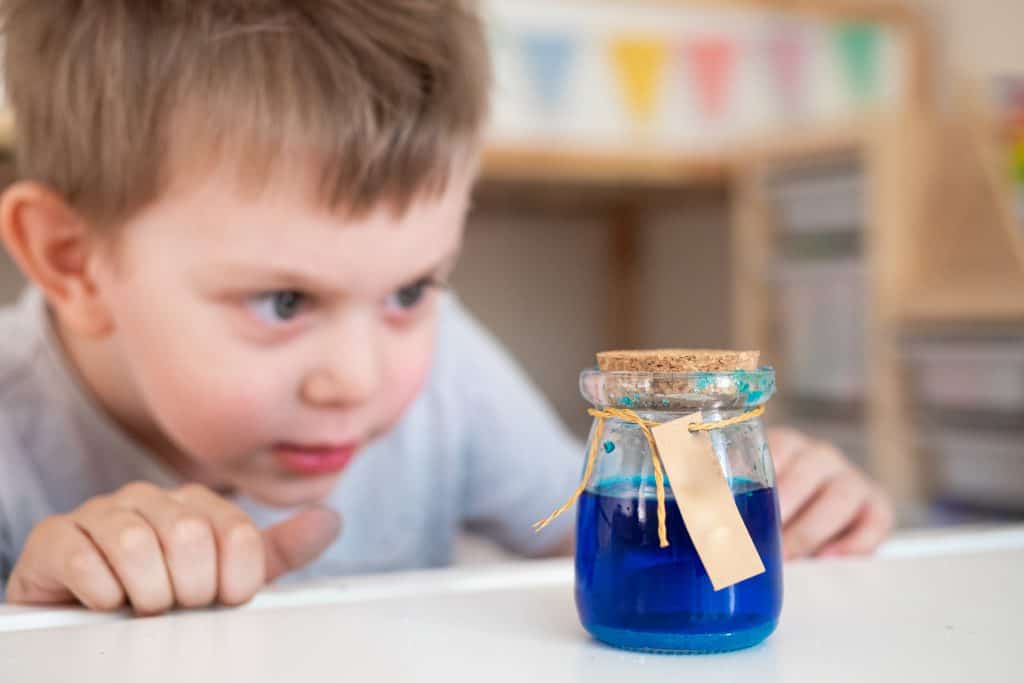
Science in early childhood education
The value and importance of early science learning and exploration for young children.
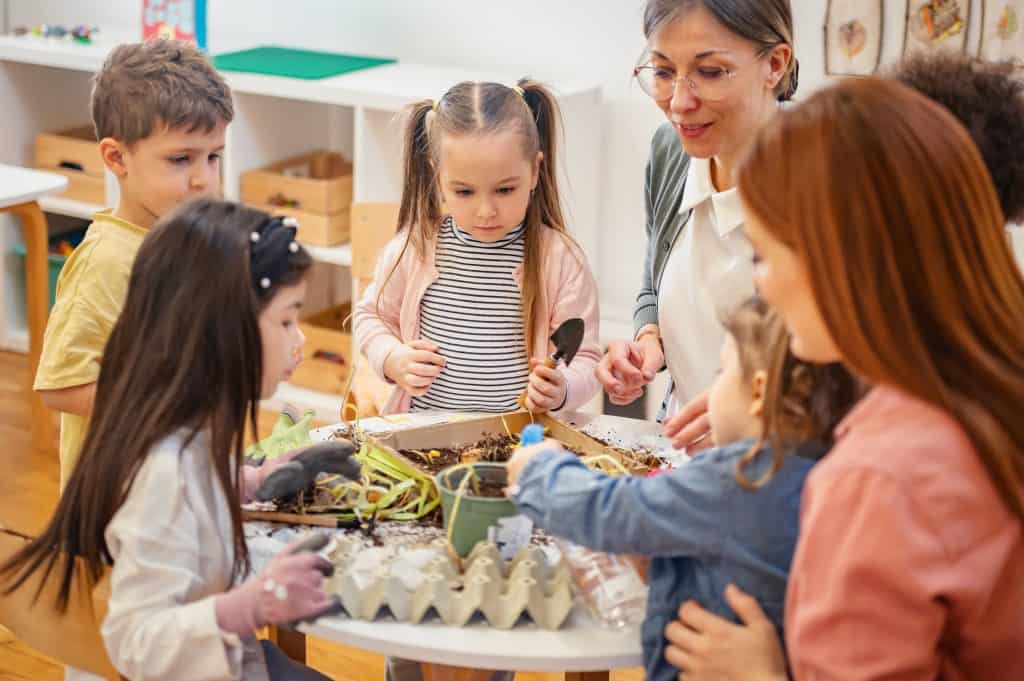
Intentional teaching for science in early childhood settings
Intentional approaches are essential for promoting children's science learning in the early years.
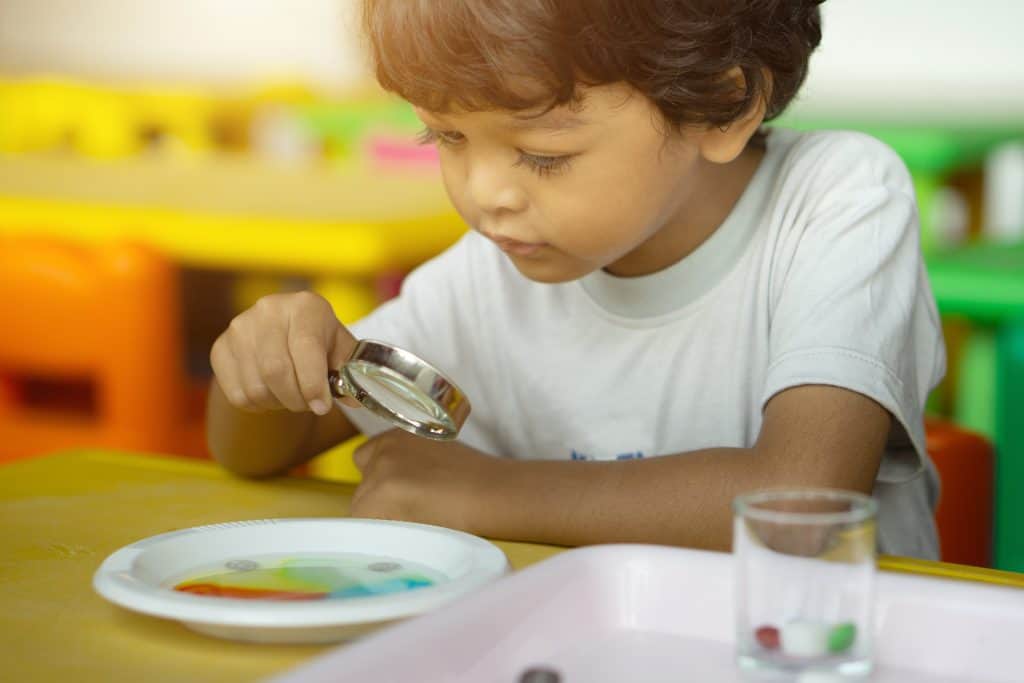
Pedagogies for promoting science learning with young children
Research-based pedagogies teaching science in early childhood settings.


































































Bicultural and place-based inquiry with children
Coming in November
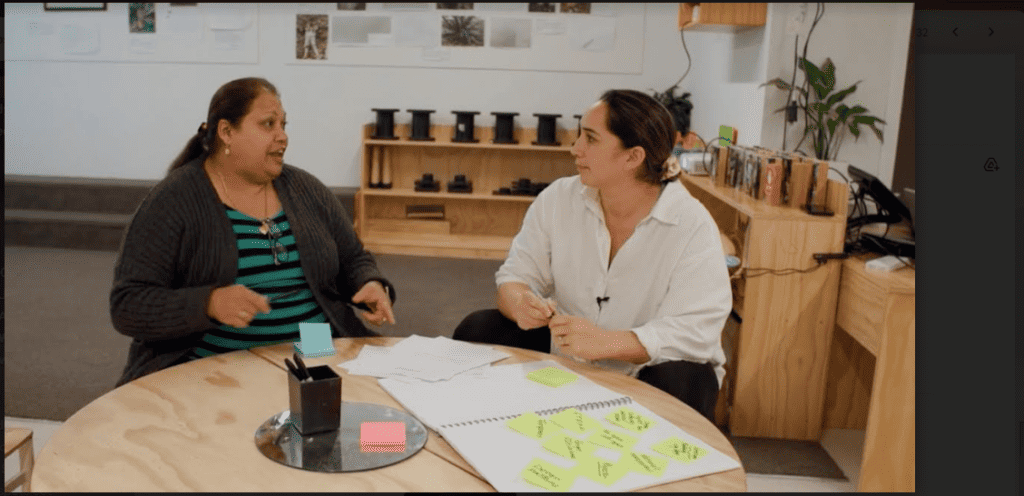
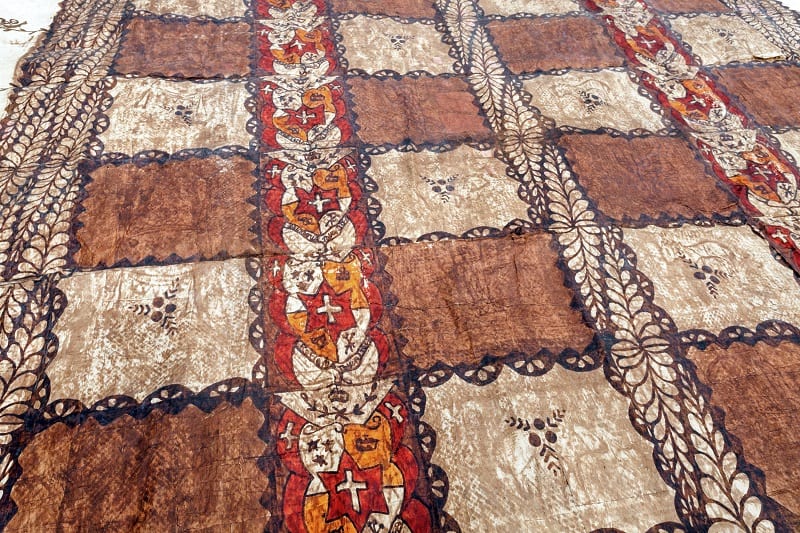
In this webinar, Dr Sarah Probine from Auckland University of Technology will share insights from a collaborative project undertaken with kaiako, children, and whānau in six early childhood settings. The project explored how bicultural and place-based approaches can deepen children’s connections to their local environments and strengthen shared knowledge-building across communities.
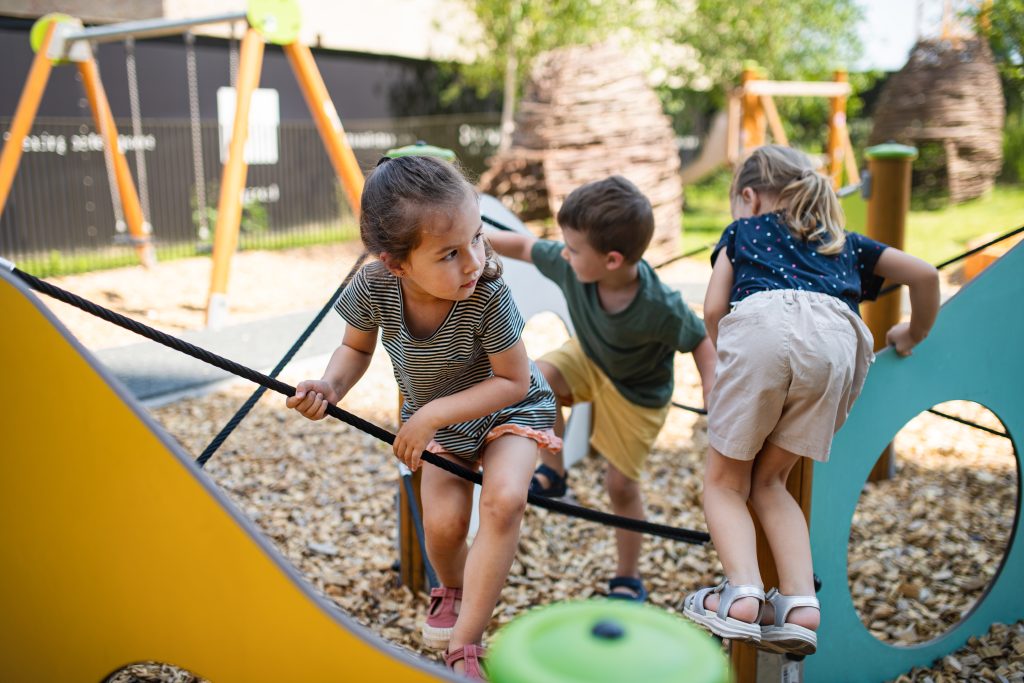
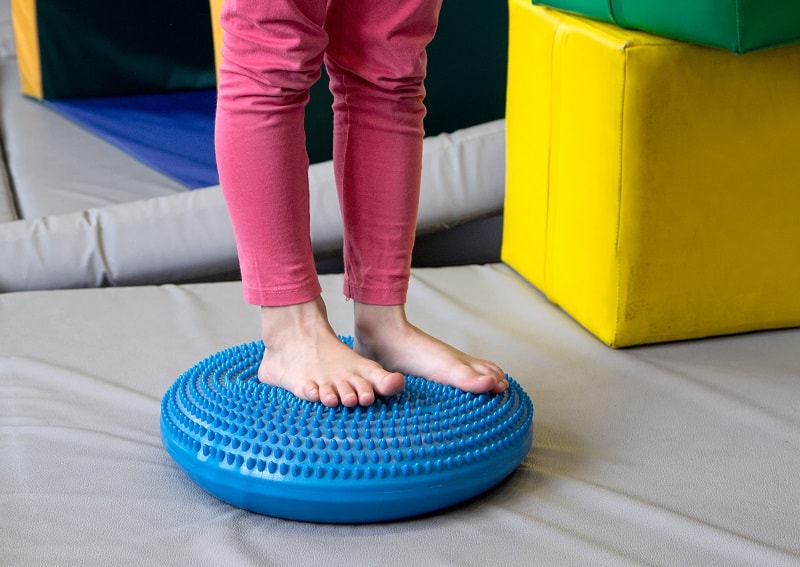
Making sense of behaviour: Understanding sensory and neuromotor differences in early childhood
Coming in February 2027
In this webinar, Tahera Afrin will explore the links between neuromotor and sensory processing differences, and why this is important for supporting learning.
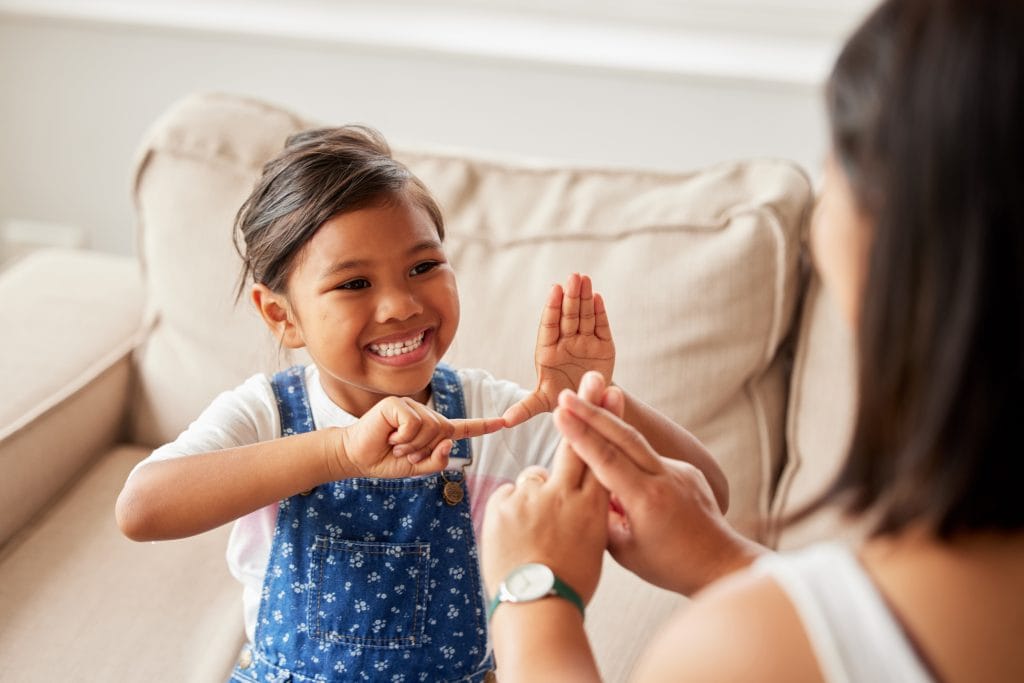
An introduction to New Zealand Sign Language for early childhood settings
Coming in October
In this webinar, Cheryl Spykerman and Liz Kay from Deaf Aotearoa will share practical knowledge and inspiration for supporting Deaf children and making your centre more inclusive.
Relational leadership and teacher wellbeing in early childhood education
Tuesday 15 September 2026, 7.30pm
In this live webinar, experienced early childhood teacher and leader Alistair Gibbs will explore the reciprocal relationship between leadership and wellbeing, and how relational approaches can strengthen both.
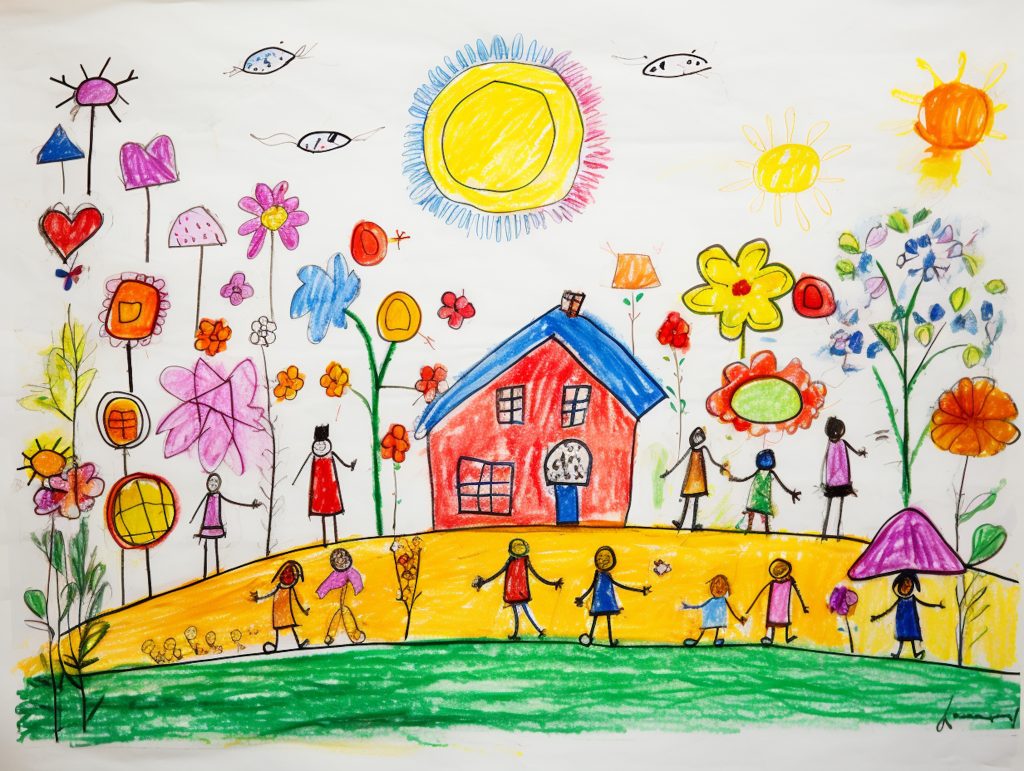
Te Kete Rangimārie: Supporting social emotional competence in early childhood settings
Kaiako from Tōtara Kids ELC in Nelson share insights from their social and emotional regulation support programme.
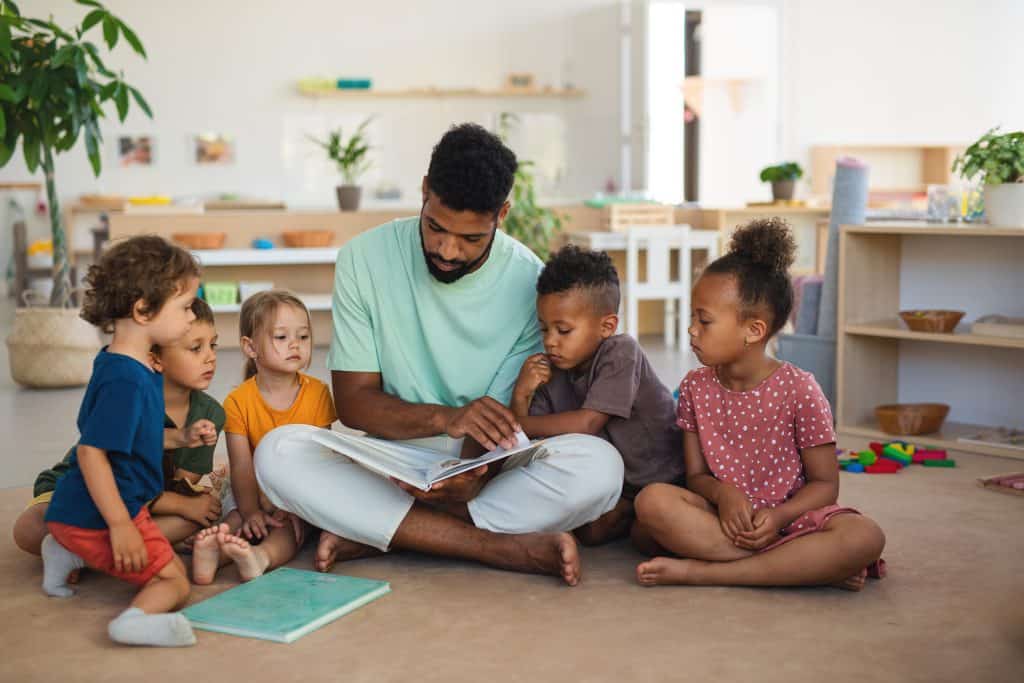
Extending and challenging children’s thinking
In this webinar, Professor Amanda Bateman from Birmingham City University will explore the sequences of talk that occur during shared inquiry in early childhood settings, demonstrating how teaching and learning are co-constructed — one utterance at a time — between teachers and children.











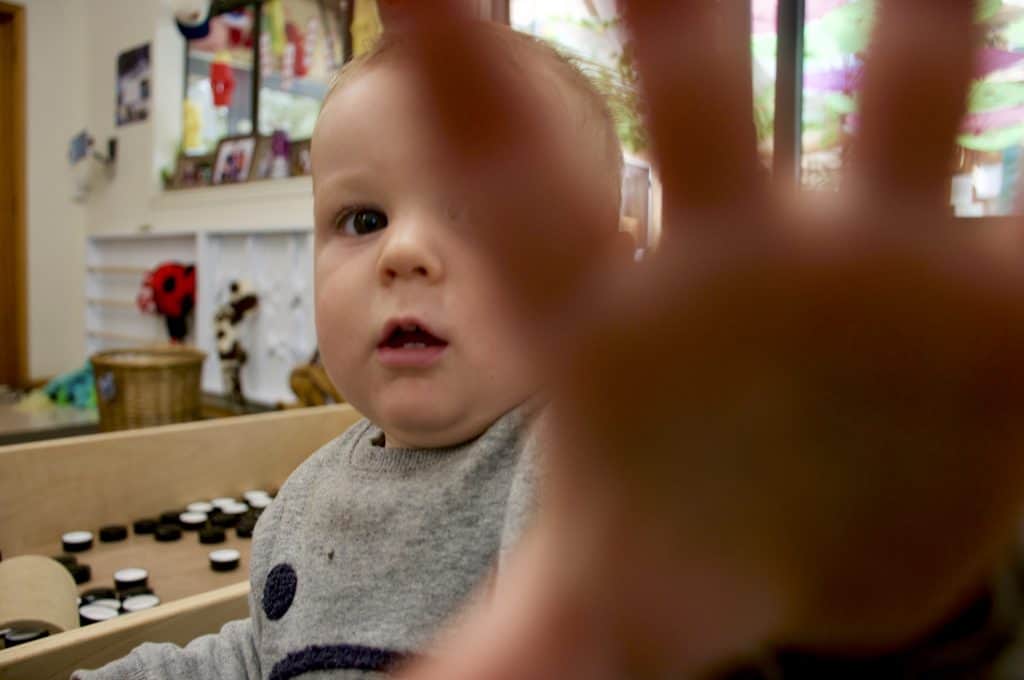
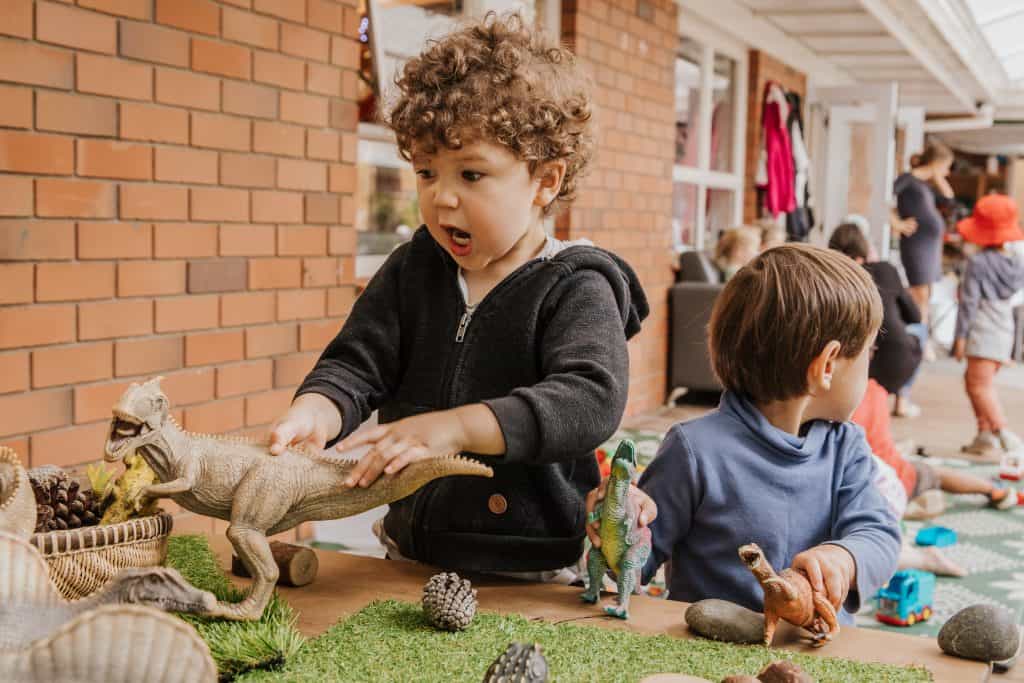

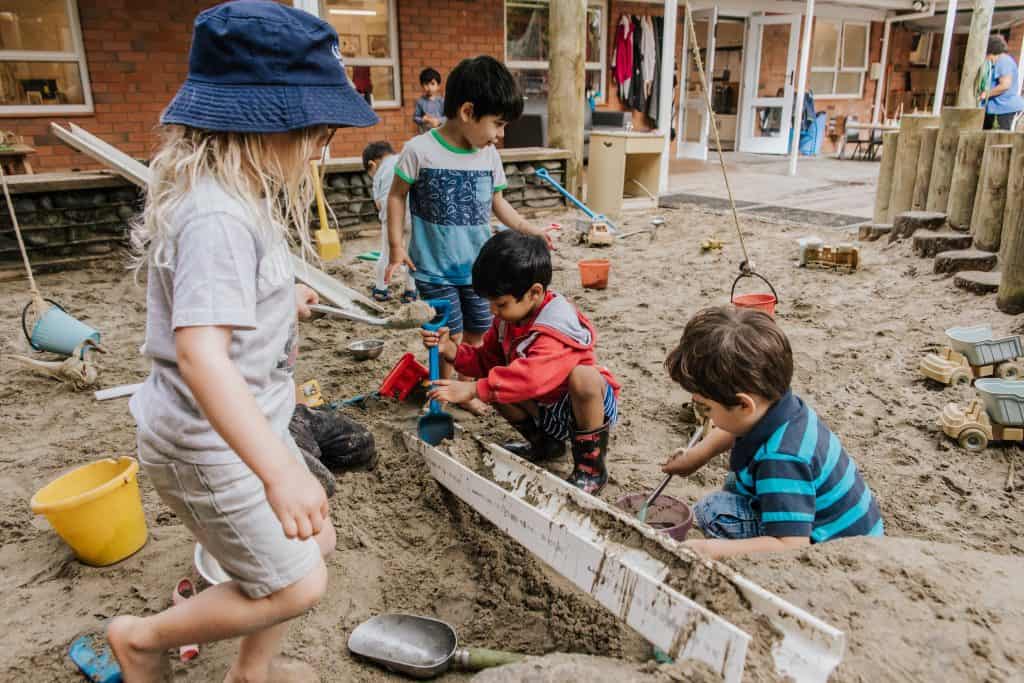
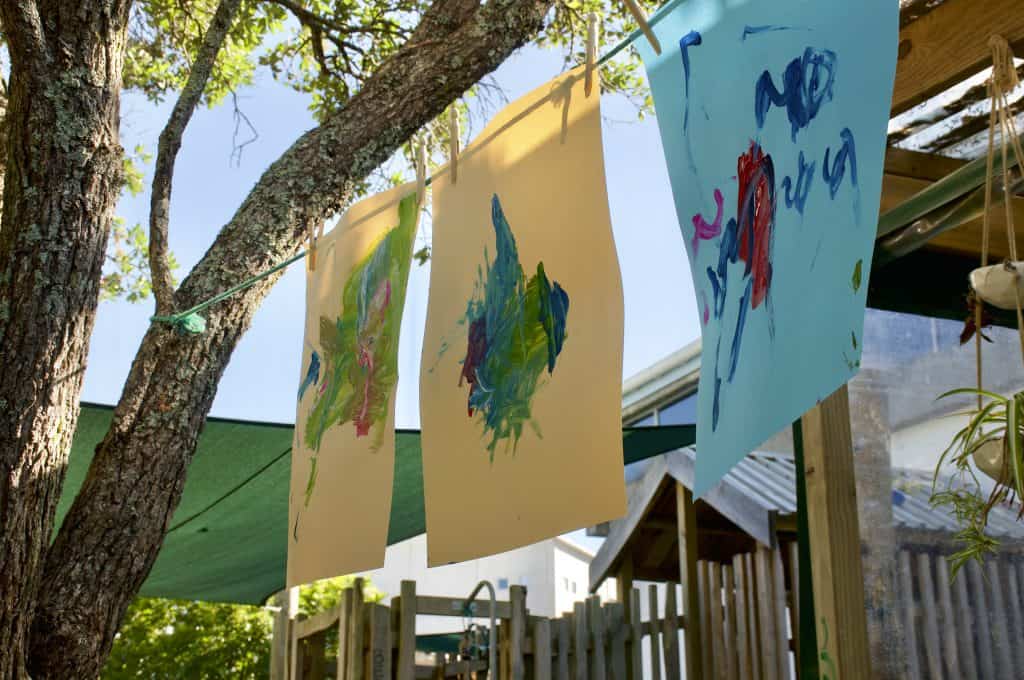








Mentoring in Early Childhood Education
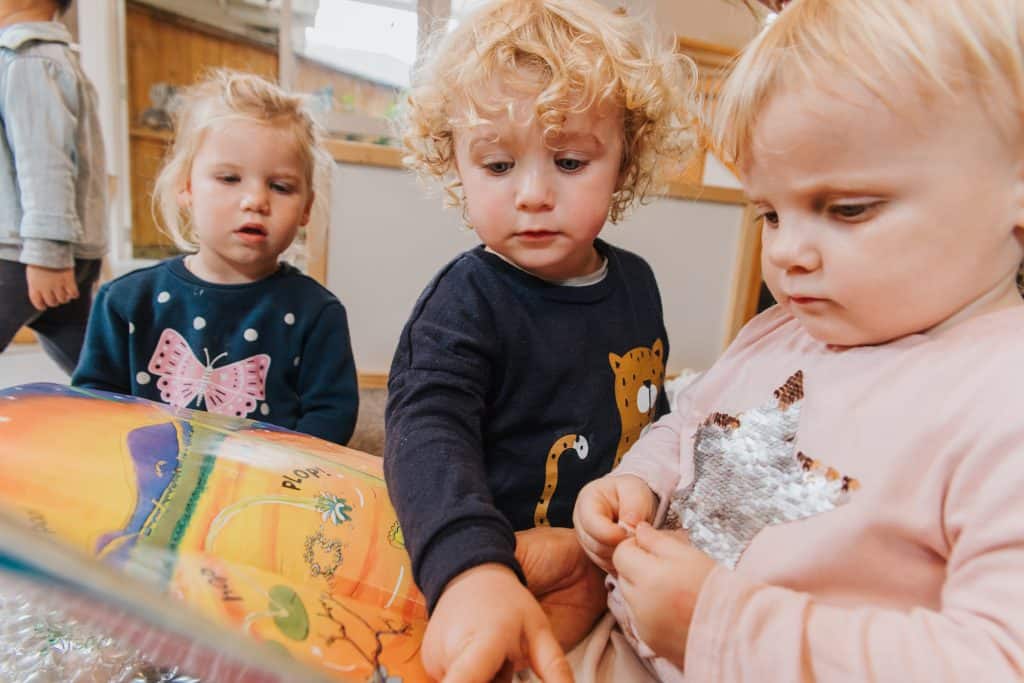
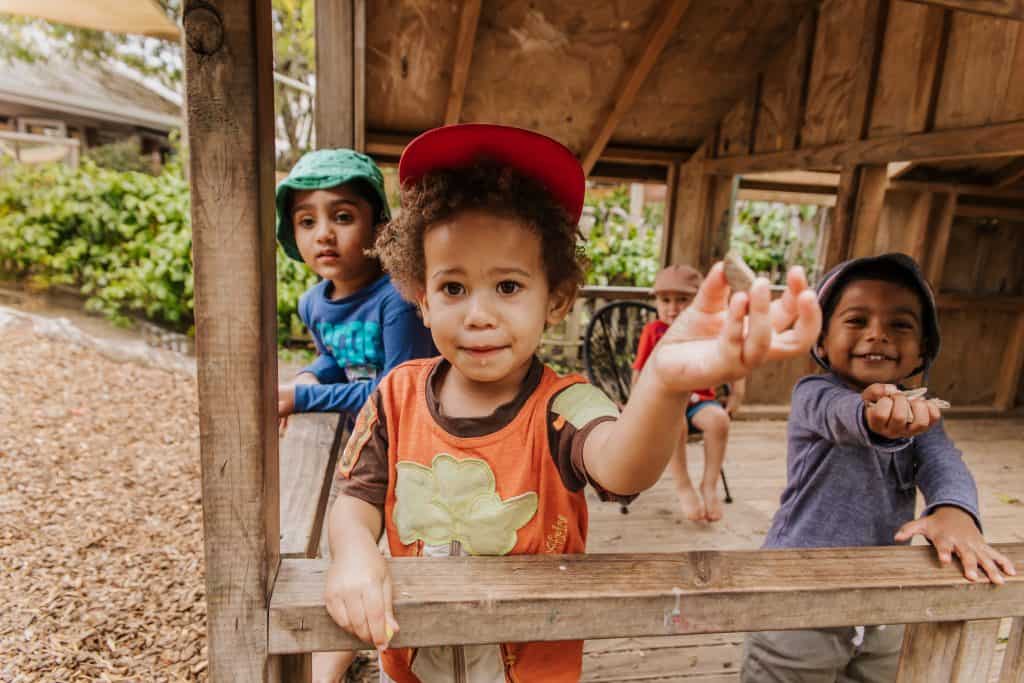
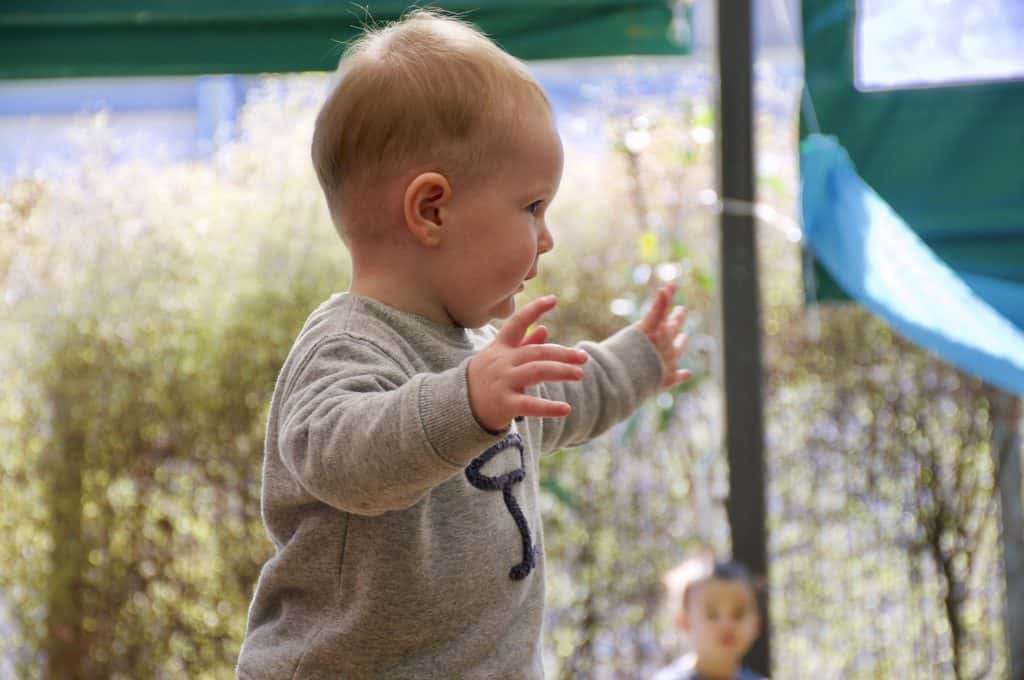
This course takes you through the key phases of a mentoring relationship. For each phase, there is a suite of tools designed specifically for that stage of the relationship, like meeting agendas, reflection tools, evaluation rubrics, models for goal-setting, and more.
Curriculum design in early childhood education
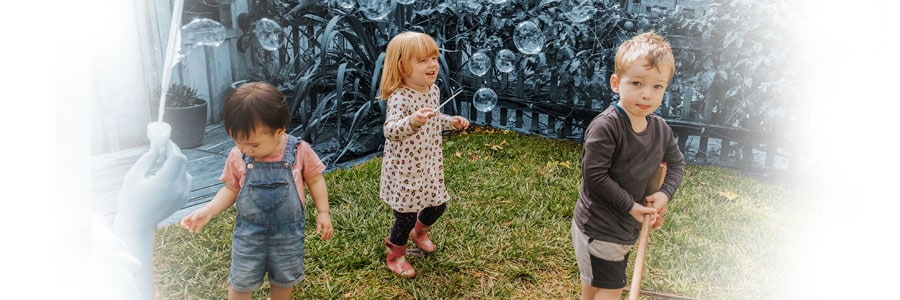
This full-length course focuses on the unique learning and development that occurs across the first five years of life, and covers early brain development, intentional teaching, relational pedagogies, play, co-constructed inquiry, and the critical role of reflective practice.

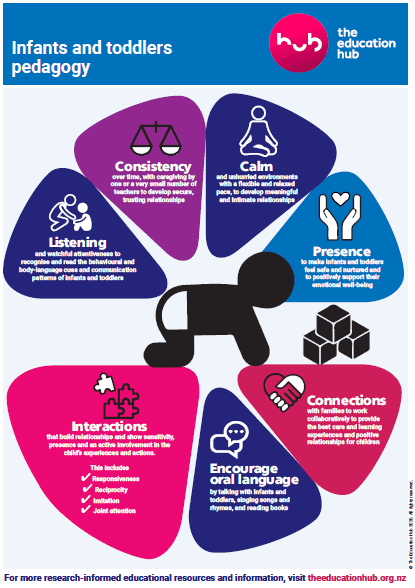
Curriculum Design for Infants and Toddlers
This short course focuses on the unique learning and development that occurs in the first years of life, supporting teachers to design responsive, research-informed curricular programmes grounded in an understanding of early brain development and the critical role of reflective practice in teaching infants and toddlers.
Curriculum Design for Three- to Five-Year-Olds
This short course explores how to build curricular programmes that reflect the capabilities, interests, and inquiries of three- to five-year-olds — grounded in evidence-informed pedagogies and intentional teaching strategies.

Curriculum Design for Two-Year-Olds
This short course explores the vibrant, embodied, and agentic ways that two-year-olds learn. Guided by curriculum experts and real-life examples from practising teachers and kaiako, you’ll gain practical tools to craft engaging, relational, and culturally responsive learning experiences.

Leadership 5: Leading Improvement
This course offers a unique exploration of models for improvement, focusing on leading inquiry and building professional learning communities.









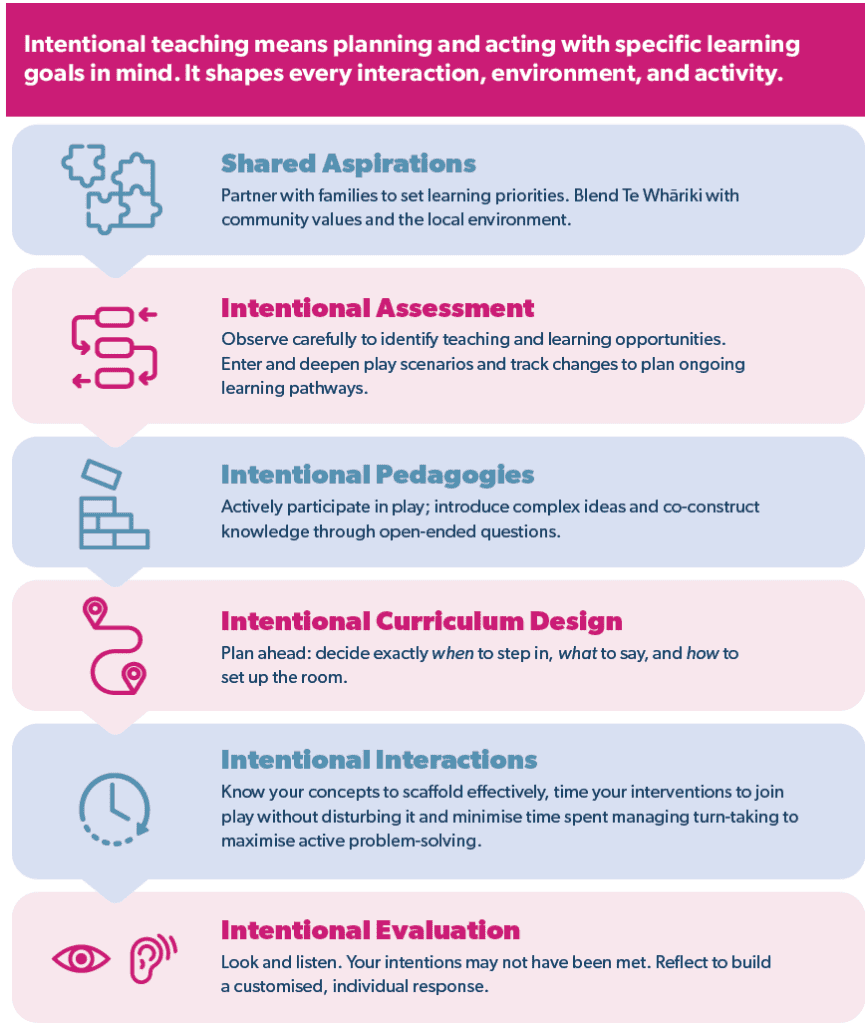
How to teach intentionally in early childhood education – infographic
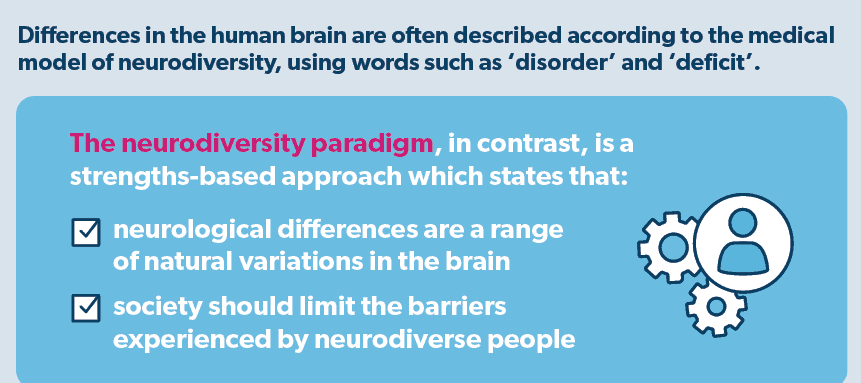
Supporting neurodiverse children
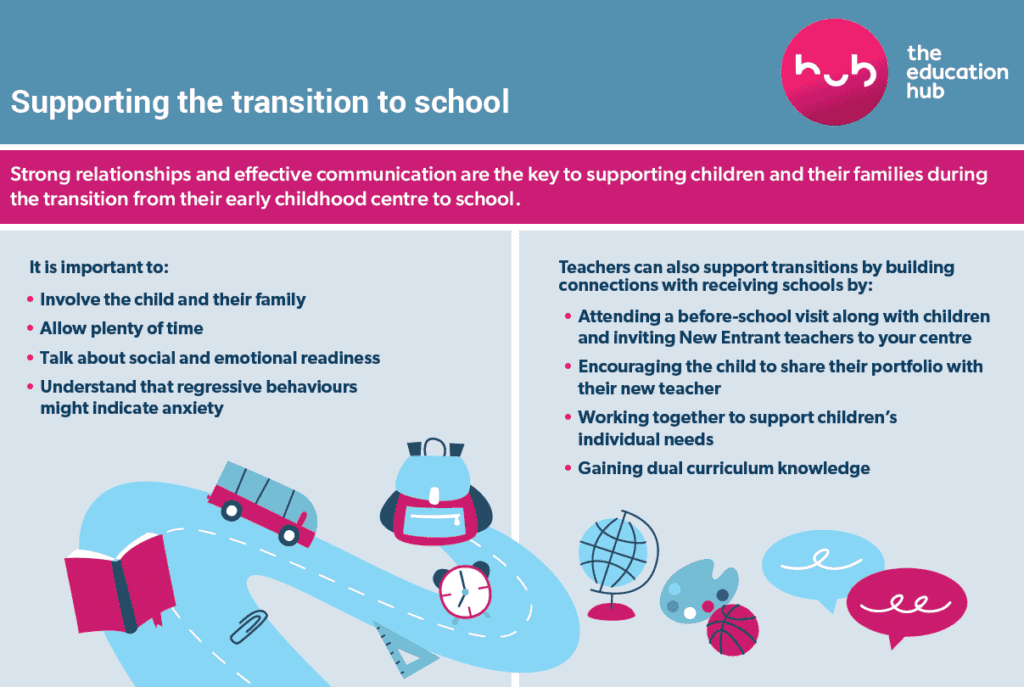
Supporting the transition to school infographic for early childhood teachers
Strong relationships and effective communication are the key to supporting children and their families during the transition from their early childhood centre to school.
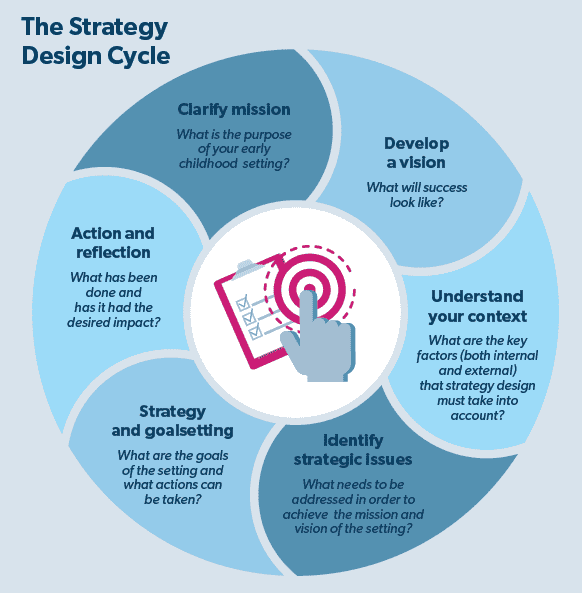
The Strategy Design Cycle infographic
The strategy design cycle in early childhood education
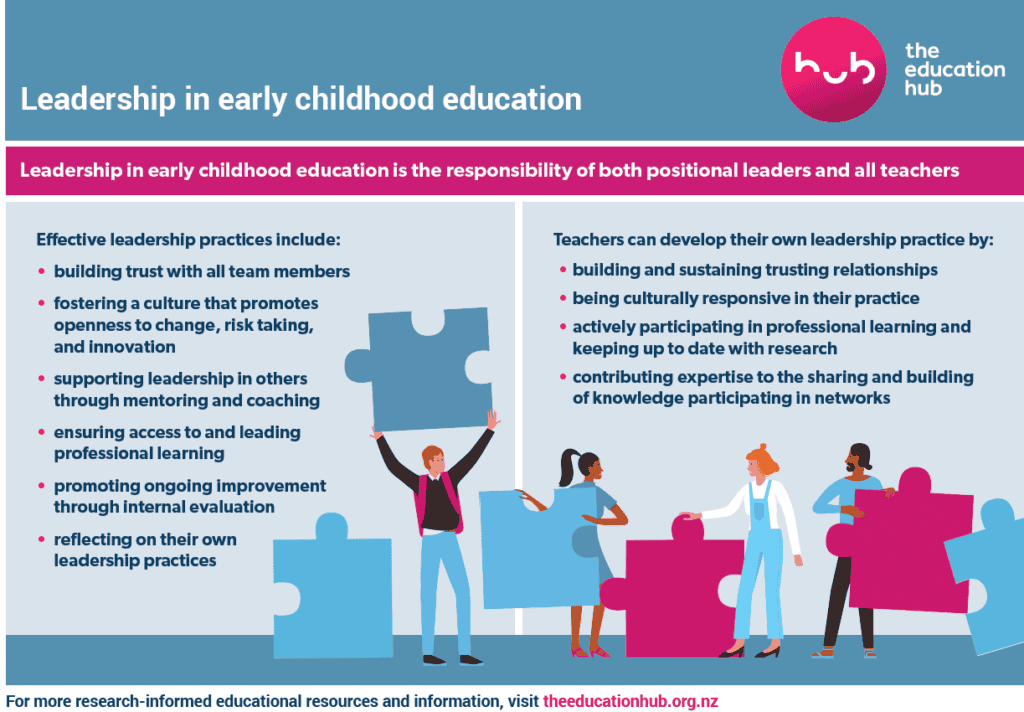
Leadership in Early Childhood Education infographic
Developing the leadership practices of teachers and leaders.
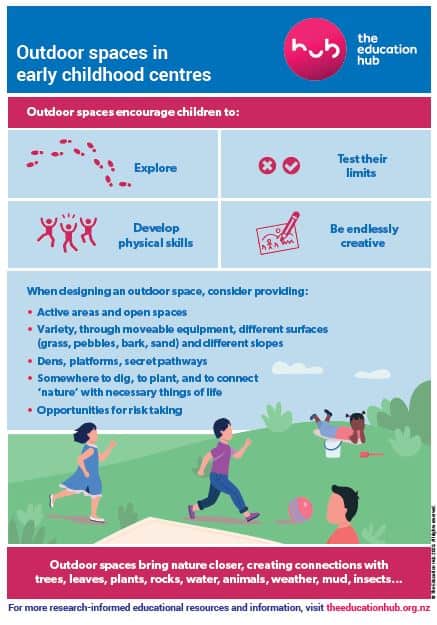
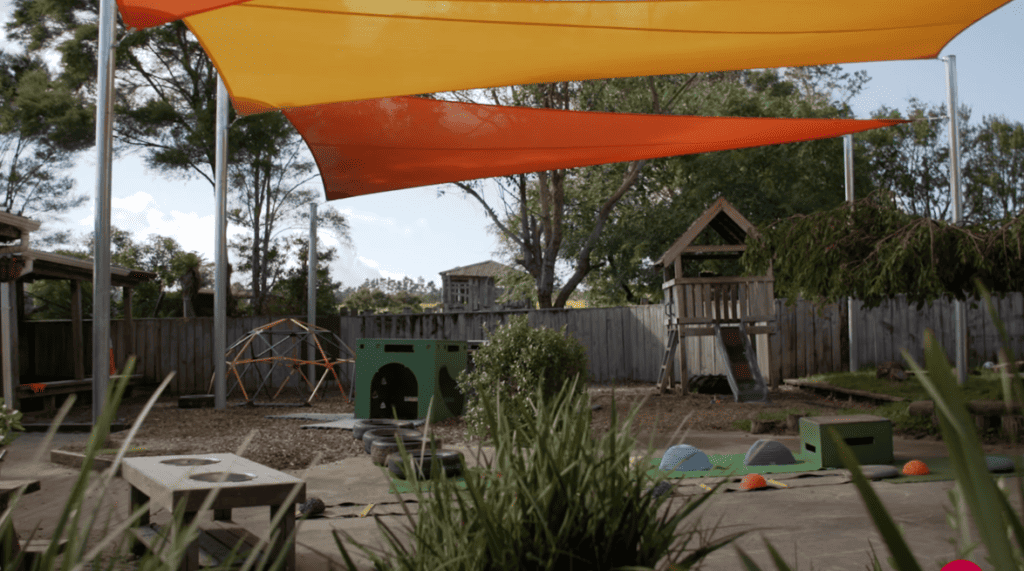
Outdoor spaces
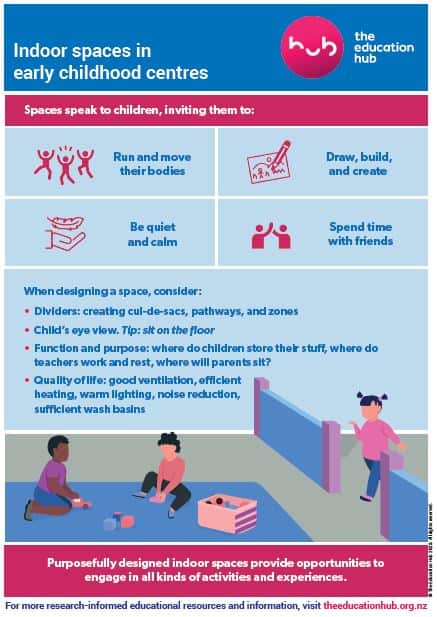
Things to consider when designing indoor spaces in early childhood centres.
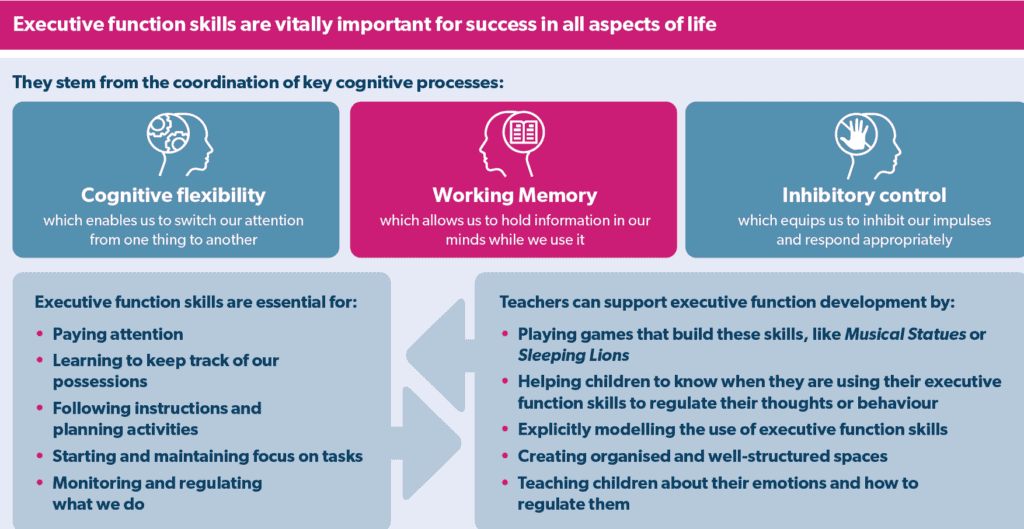

Transitioning neurodiverse tamariki into school: Insights from the Acorns to Oaks project
Key insights from a webinar with Tami Harris from Acorn Neurodiversity and Tara Solomon and Lisa Winiata from Kaitiaki Kindergartens.
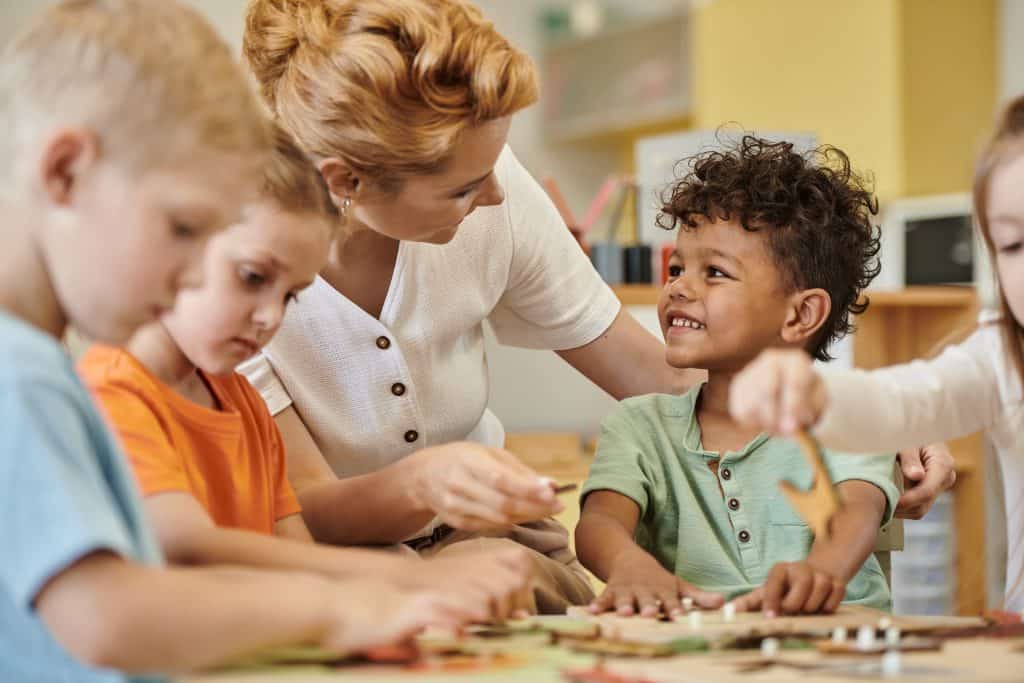
Key insights from conversation analysis for extending and challenging children’s thinking
Insights from a webinar with Professor Amanda Bateman.

Threads of creativity for structuring visual arts exploration in early childhood
Key insights from a webinar with Kelly Goodsir and Kirsty Liljegren from The Creative Collection.
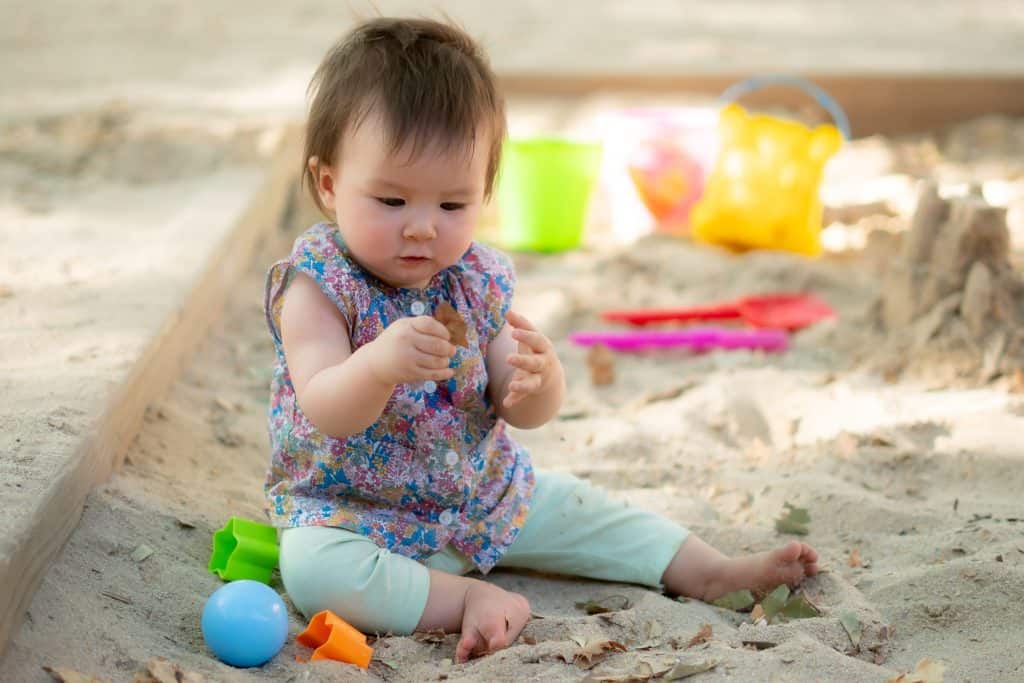
Rethinking time to enhance infants’ and toddlers’ experiences and learning
Key insights from a webinar with Associate Professor Gloria Quiñones from Monash University.
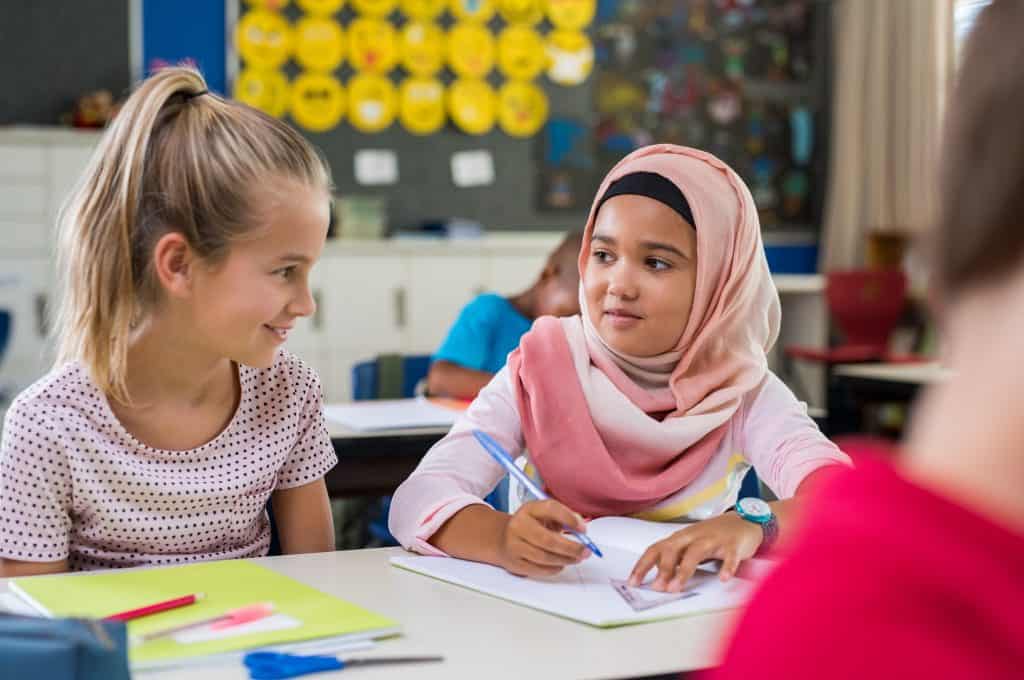
Positive transitions into school and early childhood settings for refugee and migrant children
Key insights from a webinar with Professor Sally Peters and Dr Hazel Woodhouse.

Distinguishing neuroscience from neuromyth in early childhood education
Key insights from a webinar with Professor Kate Williams from the University of the Sunshine Coast.


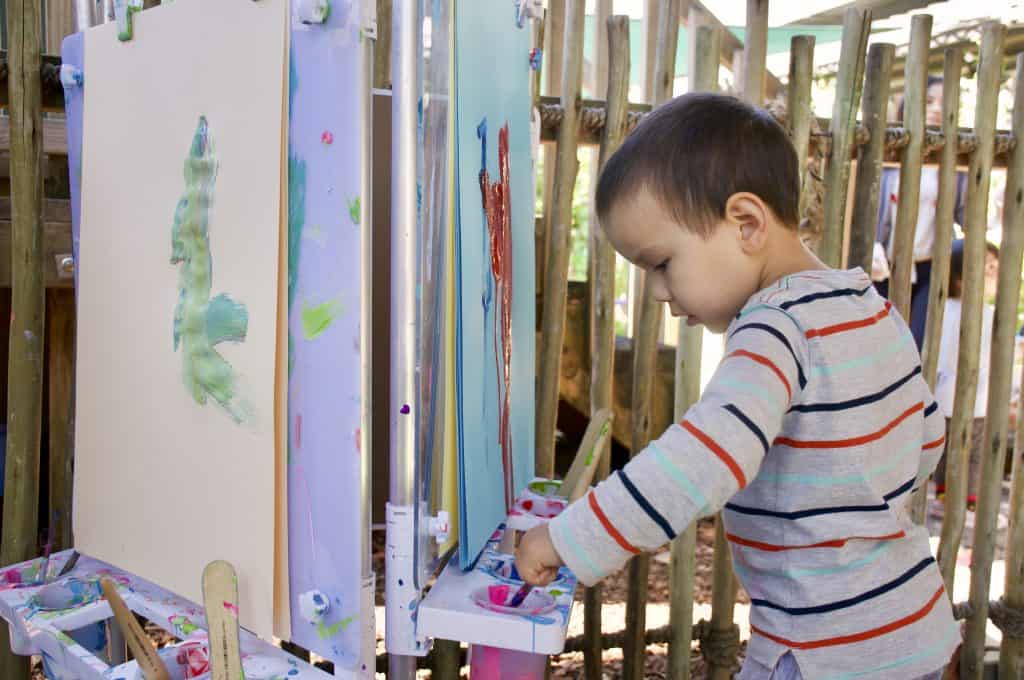



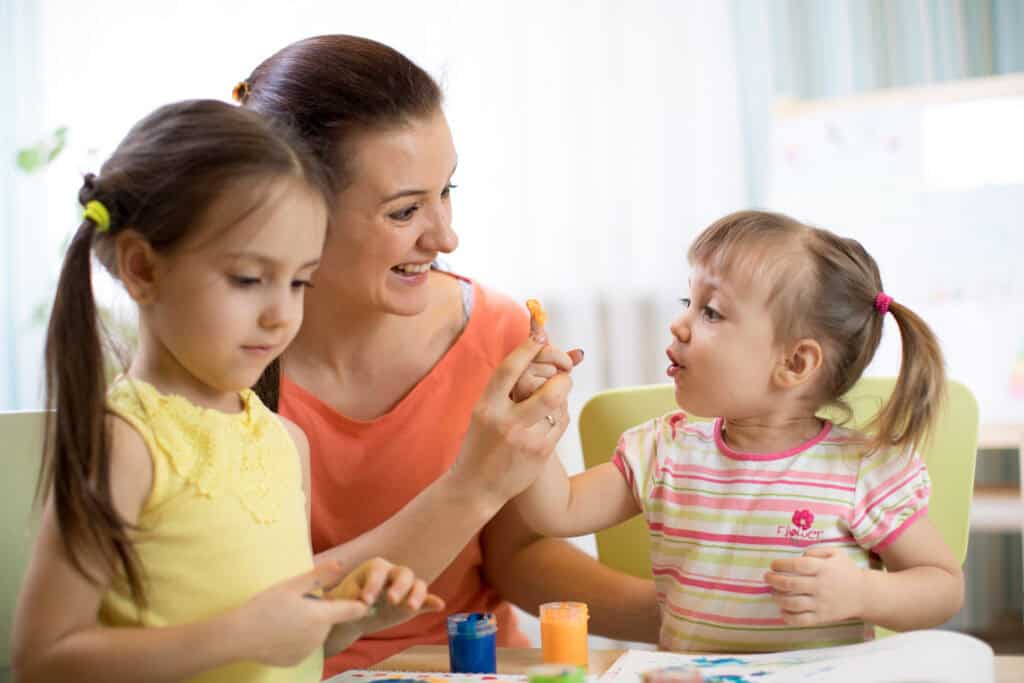














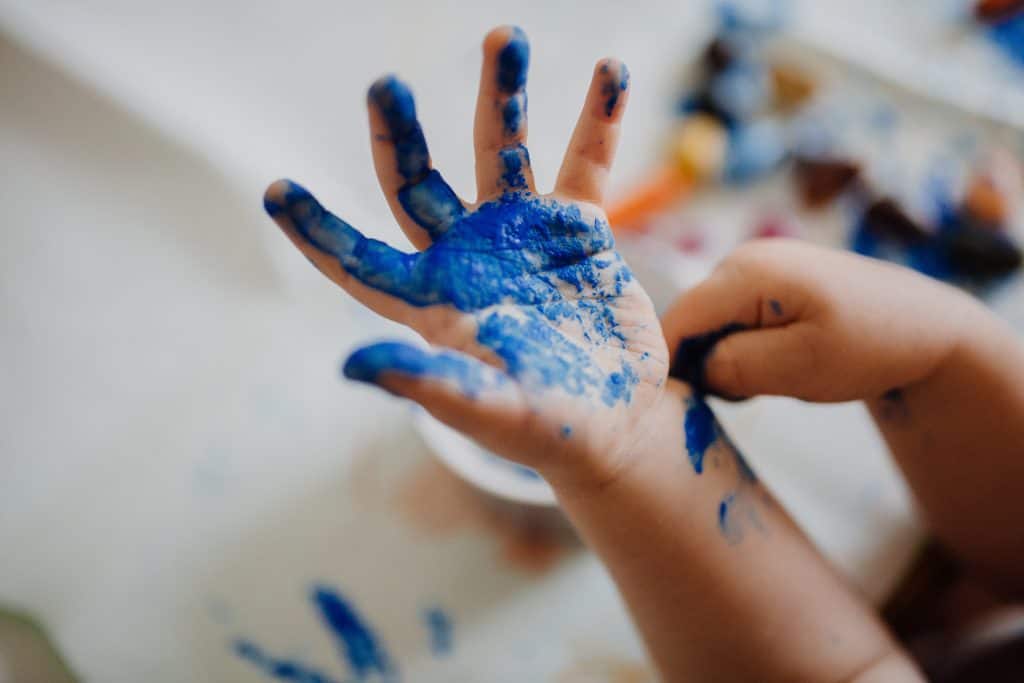





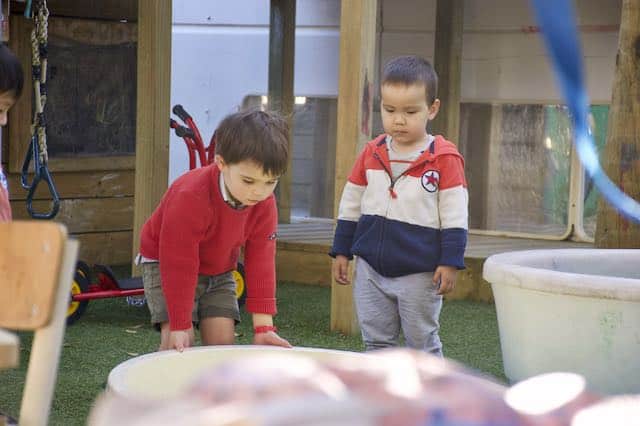

Get creative with plastic and paint
Combine plastic film with paint for some interesting sensory play!

Search and reveal drawings
Two cool ideas for your drawing inspiration, which involve “hiding” and “searching” a scene of your own imagination

Story time! Great stories available as audiobooks for your children – week 5
A list of stories that are available as audiobooks that we think make for great listening

Make ice cream in a bag!
A sure favourite for all ages: a quick and easy recipe for making ice cream in a plastic bag!
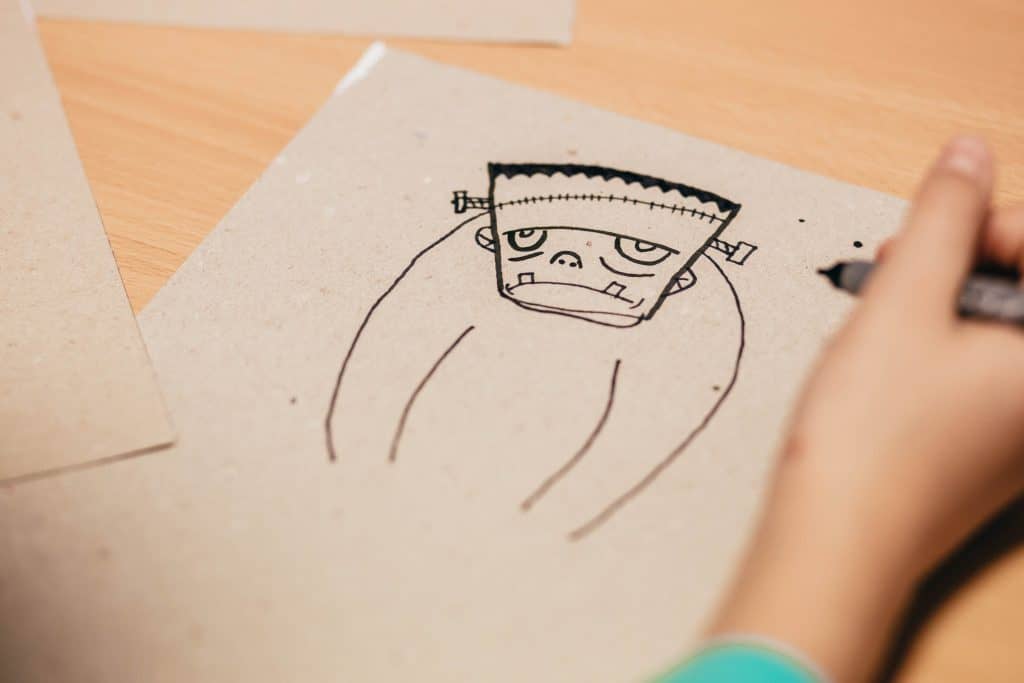
Create a monster and make it talk!
Have fun with modelling materials to create a monster, and then use Chatterpix Kids to make it talk!

Build an unsinkable boat
Use whatever you have to hand at home to build a boat, and see if it can carry different objects across the water
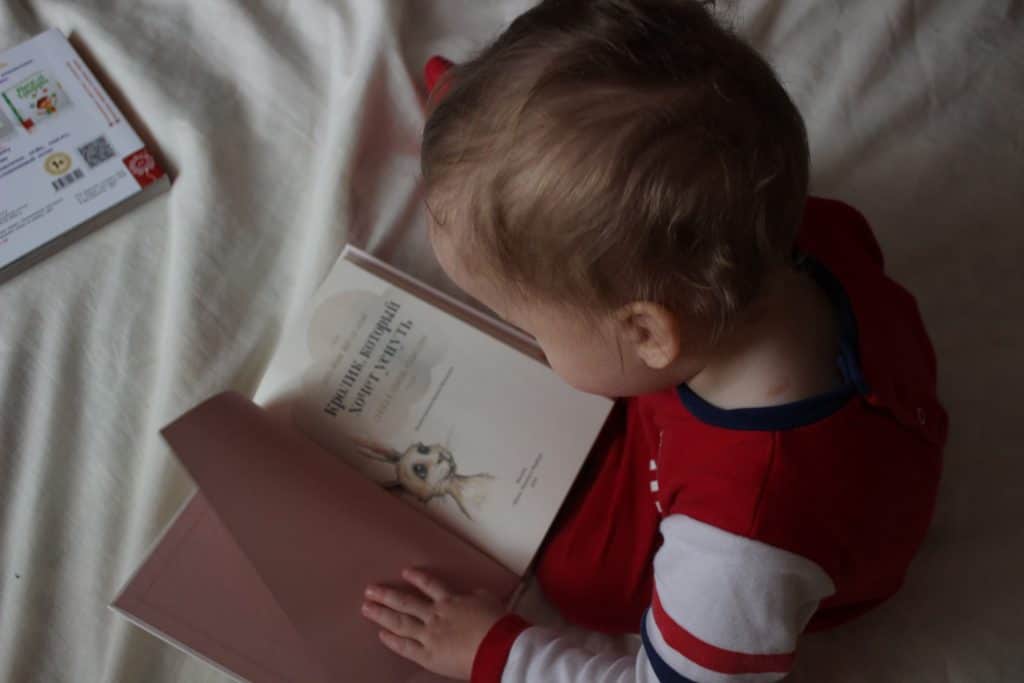














Early literacy tools for infants and toddlers
Intentional strategies for supporting infants’ early engagement with literacy.
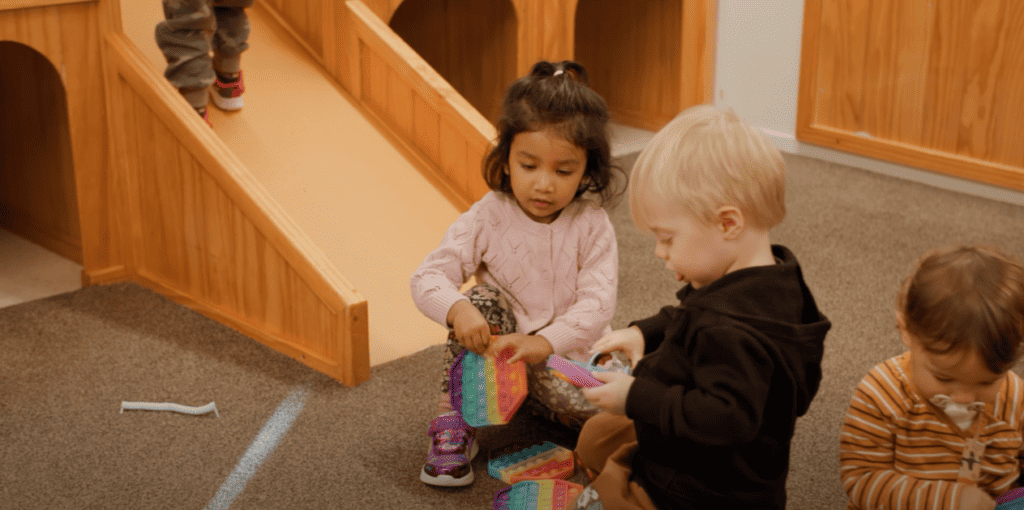
The role of documentation at Kids’ Domain
How one team approaches the documentation of children’s learning.
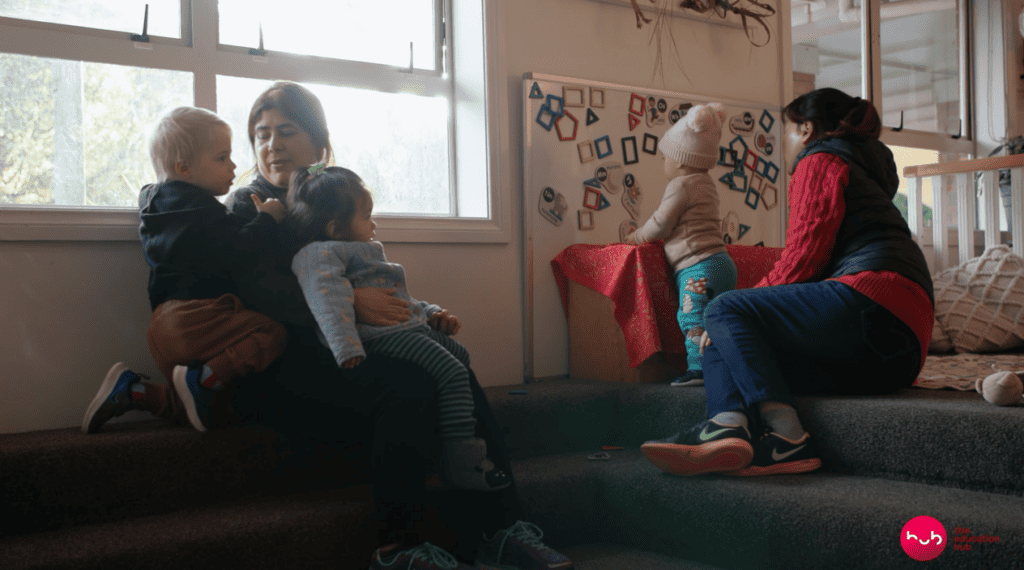
When a new child starts at Kids’ Domain
A team-based approach to settling a new child into the centre.
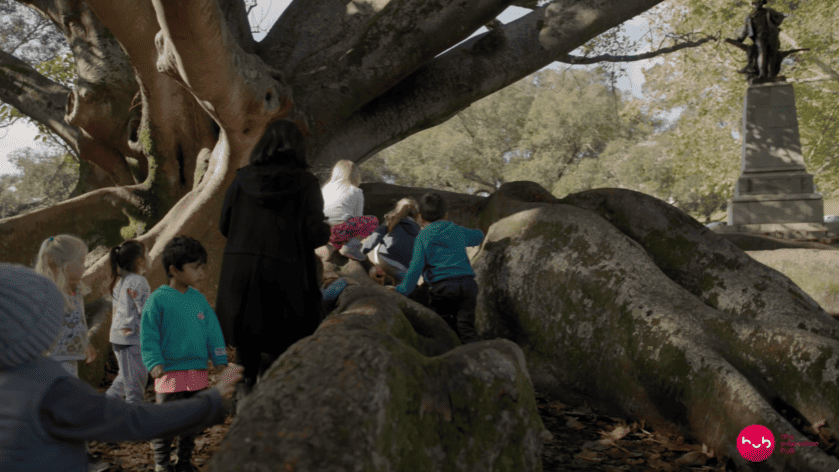
Local curriculum and learning outside the centre
How venturing outside the centre builds children’s sense of belonging in their community.
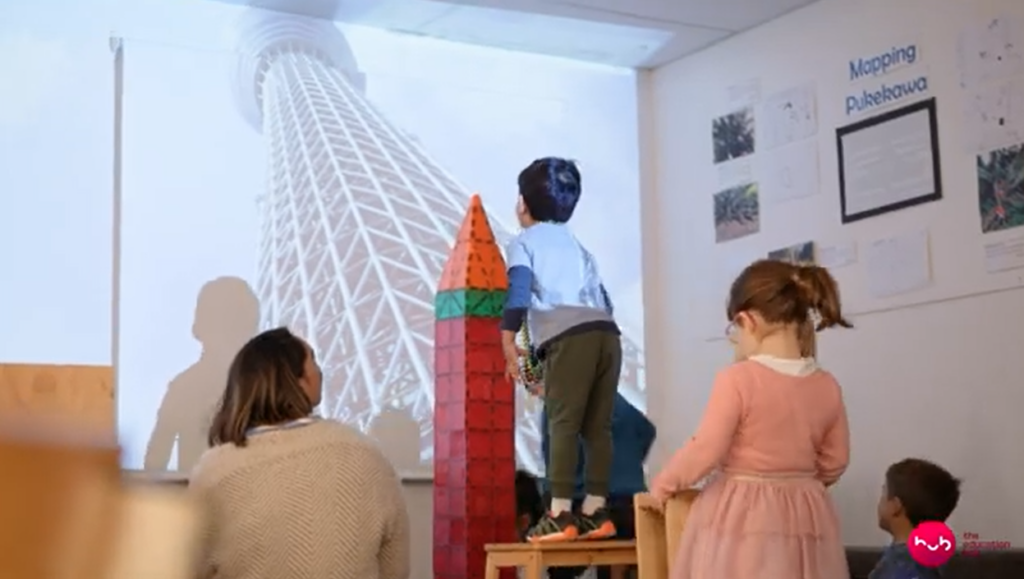
STEM learning and local curriculum in the construction corner
Blocks and construction materials provide rich opportunities for cross-curricular learning.
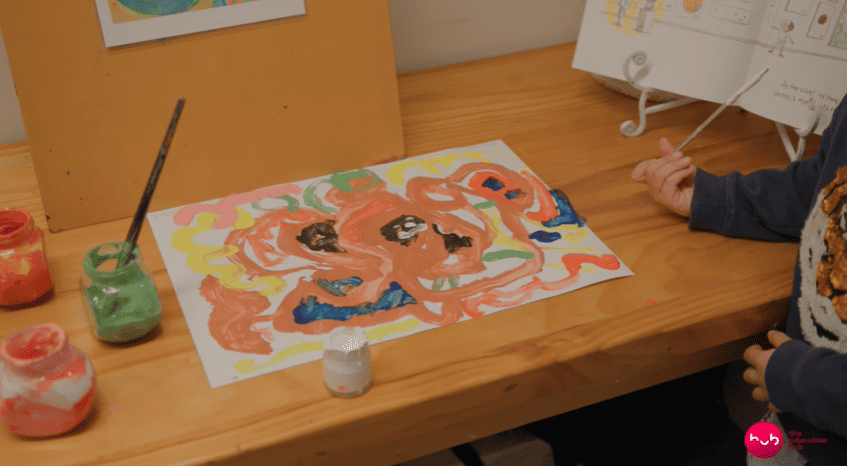
Intentionally designed environments
The deliberate design of spaces affords a range of curriculum opportunities.