Teacher inquiry
Teacher inquiry is a powerful form of teacher learning.
Definition
Teaching as Inquiry is an approach to teaching in which teachers continuously inquire into the impact of their teaching actions on children’s learning, and make informed changes to improve their teaching practice so as to enhance children’s learning, and measure the impact that these changes have on their children’s learning.
Relevance
Teaching as Inquiry is considered to be one of the most powerful forms of teacher learning and a vital strategy to improve learning. Teachers involved in inquiry report that it is a highly satisfying and energising form of professional development which supports their self-reflection and critical examination of practice, and encourages them to try new challenges and explore different ways of teaching.
State of the evidence
There is evidence to suggest that when undertaken effectively, teaching as inquiry can be a powerful learning activity for teachers. However, currently there is limited evidence examining the relationship between teachers undertaking inquiry and improved outcomes.
In practice
While Teaching as Inquiry is about teachers’ learning, it is important to emphasise that the key aim is to better meet the needs of children. It is not focused on teachers’ interests or a predetermined personal or school-wide professional development plan. Instead, inquiry should stem from an issue, question or challenge you have about your children’s learning. Once you have decided on your focus, it is important to look outside of your own practice and school, and to engage with research on your topic. It is important not see inquiry as an individual activity but rather a collaborative enterprise with other teachers.
Guiding questions
- What is happening for my children and how can I improve their learning experiences?
- What information can I draw on to inform new approaches I want to trial in my practice?
- What measures will I use to know if what I am doing is actually making a difference?

The spiral of inquiry in early childhood education: An introduction to checking
Learn about checking the effectiveness of the changes made and new approaches trialled in the taking action phase.

The spiral of inquiry in early childhood education: an introduction to taking action
Discover more about how taking action should be an informed and critical process.

The spiral of inquiry in early childhood education: an introduction to professional learning
An introduction to moving beyond reflection and deepening professional knowledge to improve practice.

The spiral of inquiry in early childhood education: An introduction to developing a hunch
An introduction to generating theories about how teaching can influence learning and outcomes.

The spiral of inquiry in early childhood education: An introduction to focusing
An introduction to the focusing stage of the spiral of inquiry for honing the area of investigation.

The spiral of inquiry in early childhood education: An introduction to scanning
A brief introduction to the scanning phase of the spiral of inquiry and some tools to use during this phase.


Q+A with Dr Vicki Hargraves
Dr Vicki Hargraves answers
questions about research and practice in early childhood education

Engaging with research in early childhood education
The Education Hub's Dr Vicki Hargraves joins Nina Hood to talk about some of the key ideas emerging from recent early childhood research and how this research can inform teachers’ practice.
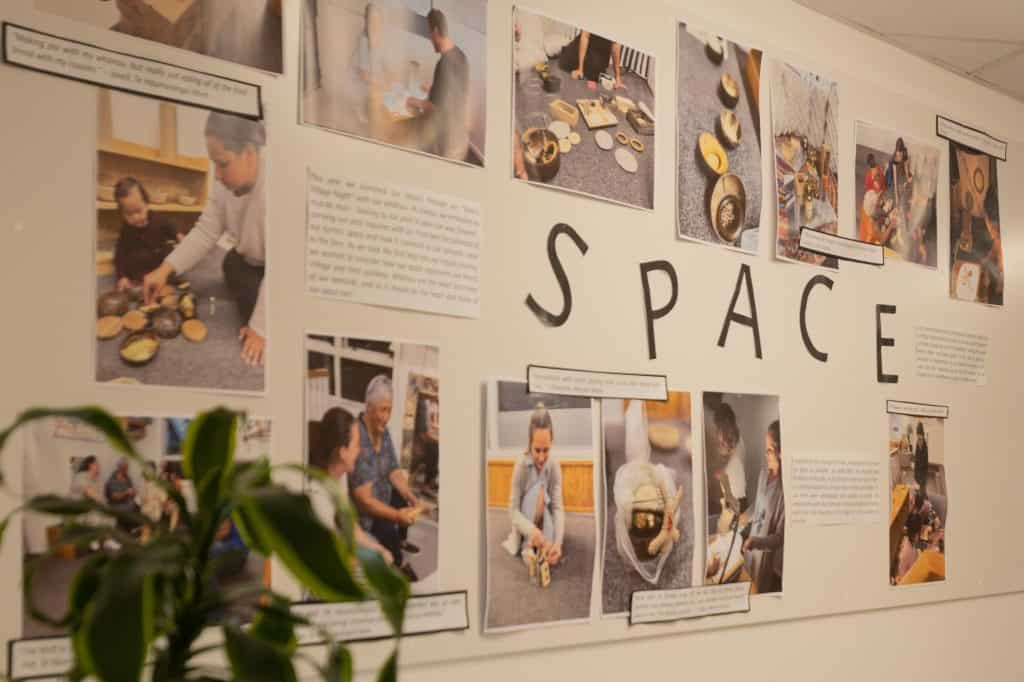
Stories of collective inquiry for curriculum and professional learning
Learn more about the way that teachers use inquiry as a tool for both children’s curriculum and professional learning at Kids' Domain.

Building a culture of collaborative research and inquiry
Learn about Kids’ Domain’s culture of research and inquiry, which is strongly rooted in Te Whāriki and inspired by the Reggio Emilia approach.

Appreciative inquiry for effective team-building
Dr Chris Jenkin (AUT) discusses the benefits and growth that come from approaching team-building from an appreciative inquiry perspective.

Practical tips for sustaining curricular and teacher inquiry
Key insights from the webinar with Angela Hogan and Laraine Tuaputa from Kids’ Domain.
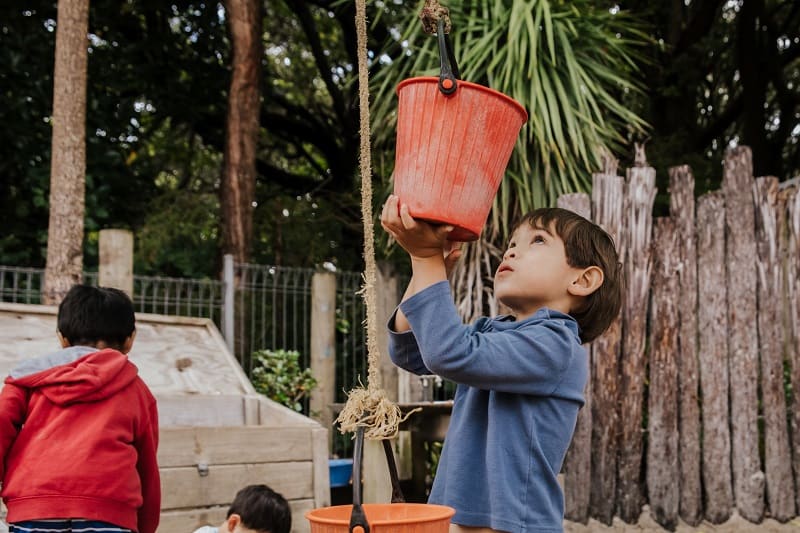
Developing an inquiry mindset for curriculum and professional learning
The key ideas and insights from the webinar with Bridgette Towle and Shirlene Murphy from Kids’ Domain in Auckland.

The benefits of Appreciative Inquiry for team-led review and action-planning
The key insights from our webinar with Chris Jenkin on Appreciative Inquiry.