
Mathematics
The choices teachers make about what to teach and how to teach it have a powerful impact on students’ learning and attitude to maths.
Definition
While mathematics is an established body of knowledge and skills that has been developed over millenia, mathematics research is marked by debates over how to define mathematics, and these debates influence how maths is taught. Some schools of thought define maths as a set of formal rules and procedures that must be mastered to the point of automaticity, while others see it as a creative endeavour and a space for discovery. However, rather than seeing these as dichotomous, it is important to understand how both contribute to effective mathematics teaching and learning.
Relevance
Mathematics is essential because it contains important skills and knowledge for participating in society as an adult. It serves as a gatekeeper for multiple opportunities in study and employment.
State of the evidence
There is a relatively strong, and growing, body of research on how to effectively teach mathematics to support the learning of all students. The research demonstrates the importance of social factors, particularly engagement and mathematics learner identity, in teaching and learning maths.
In practice
It is essential to design learning tasks and select teaching tools carefully to ensure that they support the intended learning. Teaching and learning in maths should balance conceptual understanding with skills practice, and be responsive to the needs of the students and the learning context. Promoting a positive mathematic learner identity for all students and communicating the belief that mathematics is for everyone are important components of effective teaching and learning in maths.
Guiding questions
- How can we ensure that teaching and learning in mathematics attends to key concepts and skills while being responsive to all students?
- How can we design tasks and select tools that best serve our learning intentions and promote challenging tasks?
- How can teachers work together to design the best possible teaching and learning programmes in maths?
- How can we promote positive mathematics learner identities and positive ideas about maths?
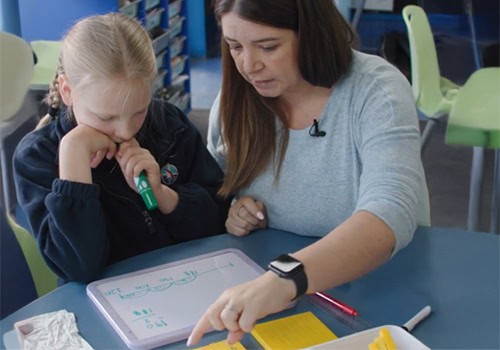
Teaching mathematics in primary school: A practical guide
A detailed resource using videos of practice to explore key principles of effective maths teaching.
Engaging and effective teaching and learning in secondary school mathematics and statistics
An introduction to effective and inspiring approaches to teaching mathematics and statistics at secondary school level.

Developing positive mathematics learner identities in secondary school
An introduction to the concept of mathematics learner identity and how positive maths identities can be promoted through effective teaching and learning

Five research-derived themes to consider when teaching maths
Evidence-based approaches and strategies for teaching and learning maths.

Teaching and learning mathematics at primary school
Why maths is so important, and how to choose effective approaches to teaching and learning.

‘Crossing the border’: Navigating maths learning in early primary school
In this webinar, Dr Jo Knox and Marie Hirst share some maths activities that can be useful in the classroom to help learners with early concepts of maths and bridge the gap between play-based approaches in ECE and the significantly more structured approach of the refreshed New Zealand Curriculum.

How do people learn mathematics? Insights from the science of learning
Dr Tanya Evans from the University of Auckland talks about how the decades of cognitive research can be applied to teaching mathematics in the classroom

Culturally responsive mathematics education
Associate Professor Jodie Hunter shares insights from her extensive classroom-based research into the use of culturally responsive approaches to teaching and learning mathematics in primary school.
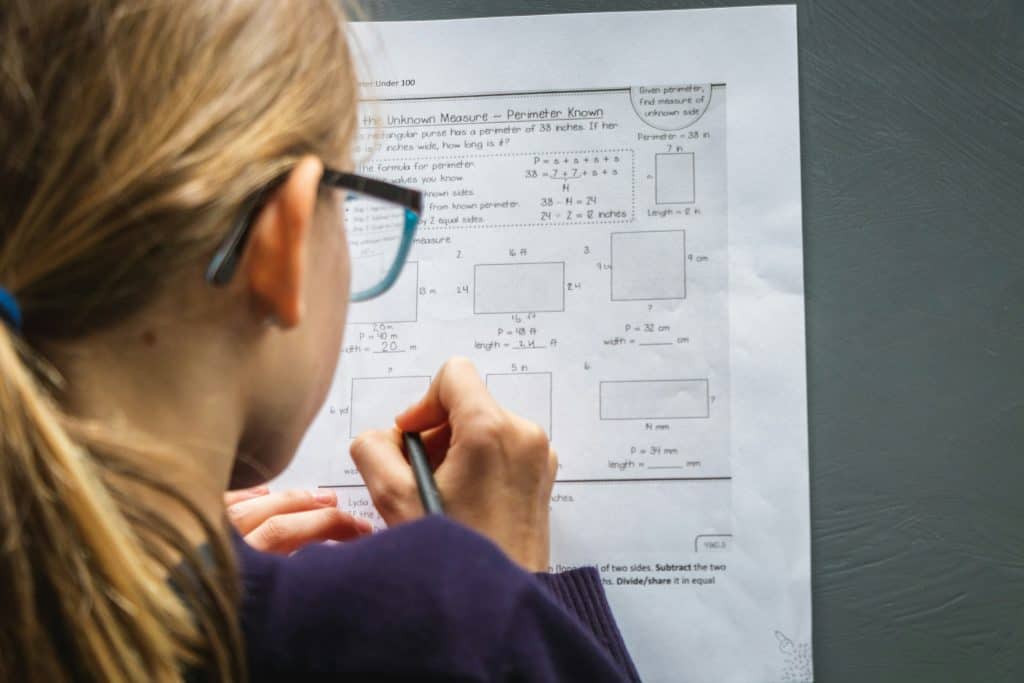
Mathematics and statistics teaching at primary school
A discussion on the principles you can use to work out the form of your lessons, and mathematics and statistics programmes more broadly.

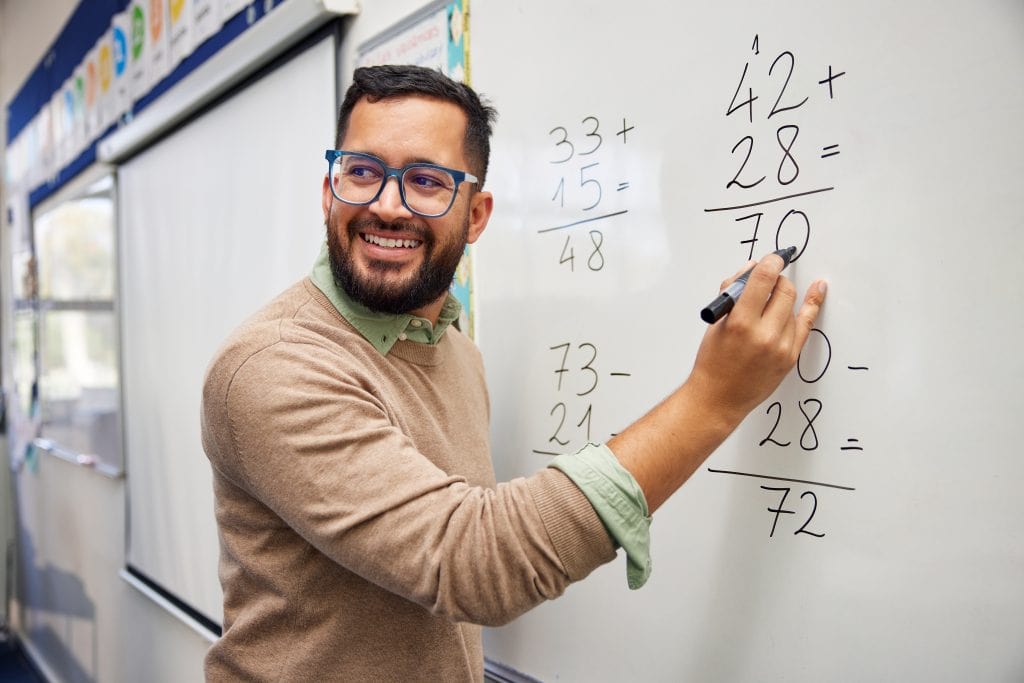
Insights from cognitive science for teaching and learning maths
Mathematics education researcher Associate Professor Tanya Evans proposes a series of evidence-based strategies that should serve as the foundation for maths teaching and learning in schools.

How to take a culturally responsive approach to teaching mathematics in primary school
Key insights from the webinar with Professor Jodie Hunter on effective, culturally responsive maths teaching in primary school.
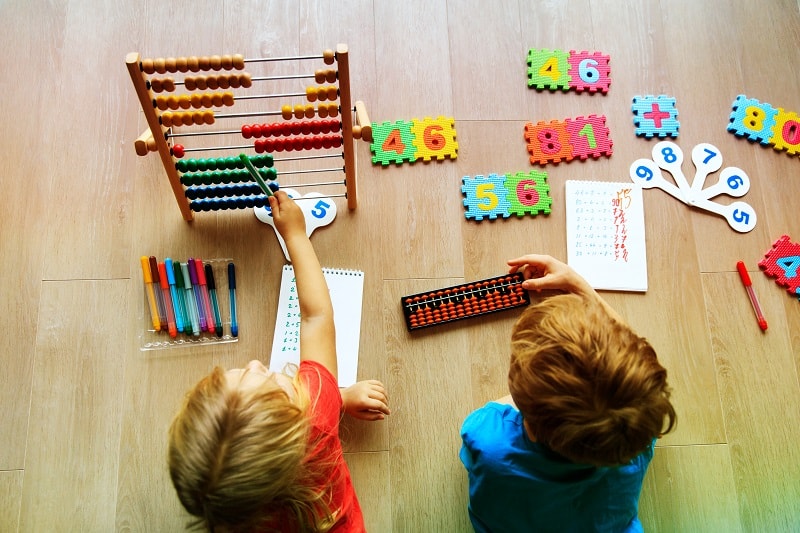
What to consider when designing mathematics programmes in primary school
A summary of the key insights from the webinar on primary school mathematics, with Fiona Ell and Lisa Darragh