Pedagogy
Slow pedagogies in early childhood education
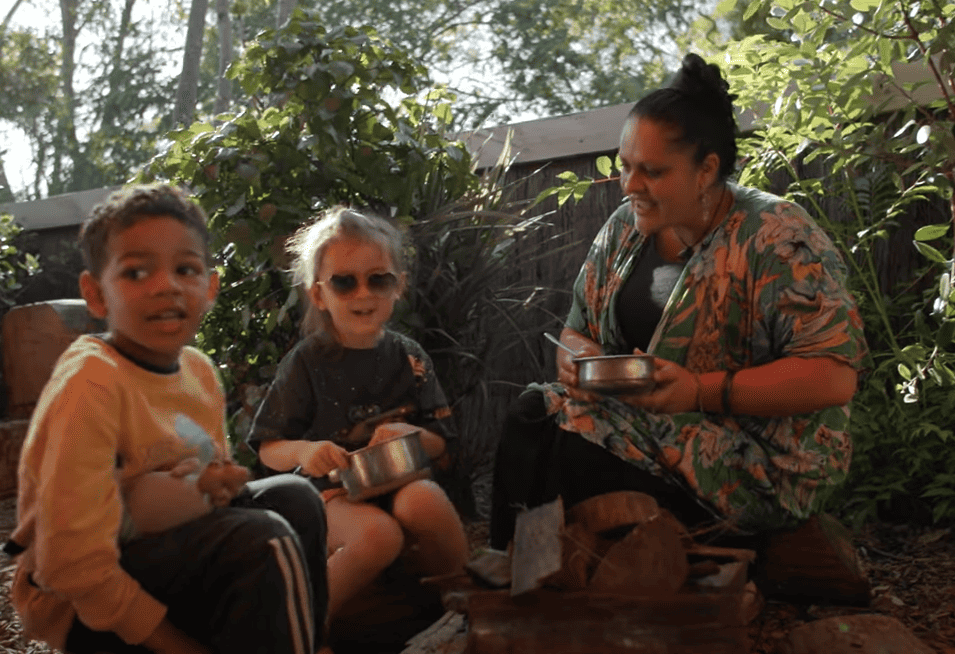
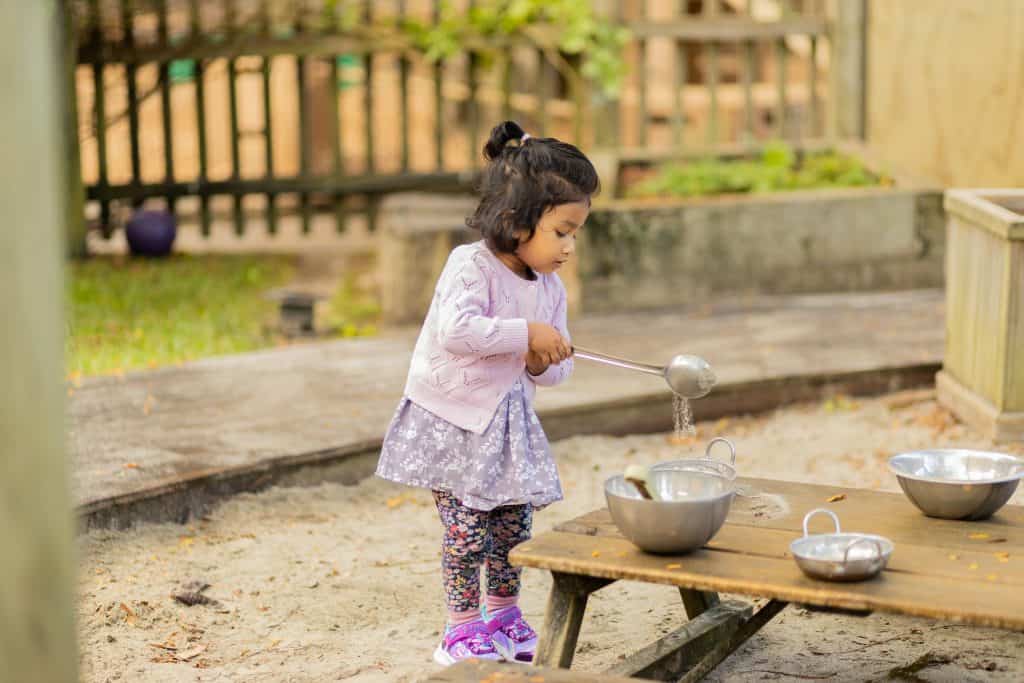
An introduction to Dr Alison Clark's theory of slow pedagogies.
Kaupapa Māori and leadership in early childhood education
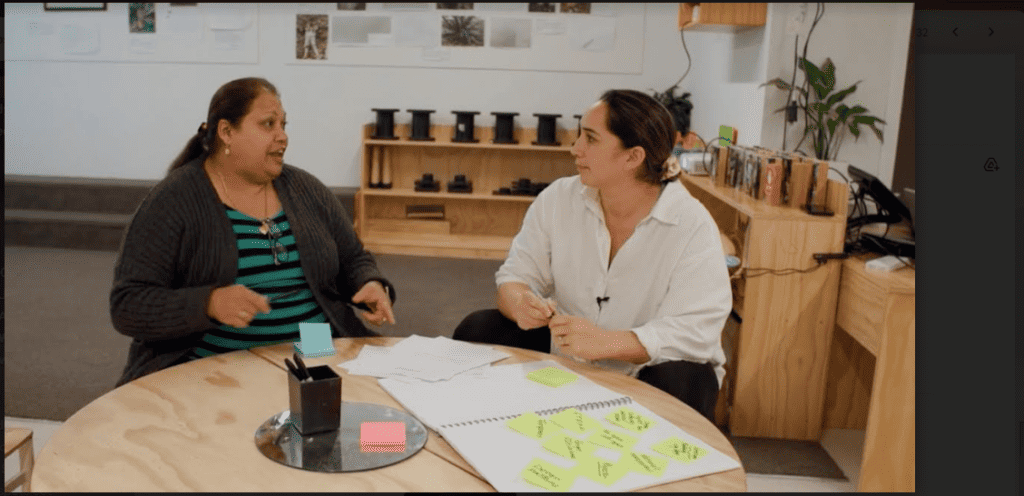
An introduction to the key principles of kaupapa Māori leadership and their implications for early childhood settings.

Culturally responsive mathematics teaching in early childhood education
The importance of culture in children's early maths learning.

Understanding the families you work with: Reflective questions to uncover cultural differences
A set of useful questions to help you notice and understand the beliefs, values and practices of diverse families.

Principles for culturally responsive teaching in early childhood education
A closer look at the key principles underlying culturally responsive teaching in early childhood settings.
How to use a superdiversity approach to work with migrant families in early childhood care and education settings
Understanding superdiversity and what it means in early childhood settings.
















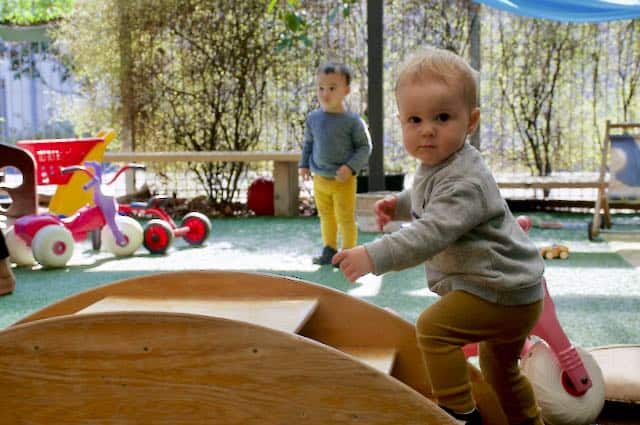


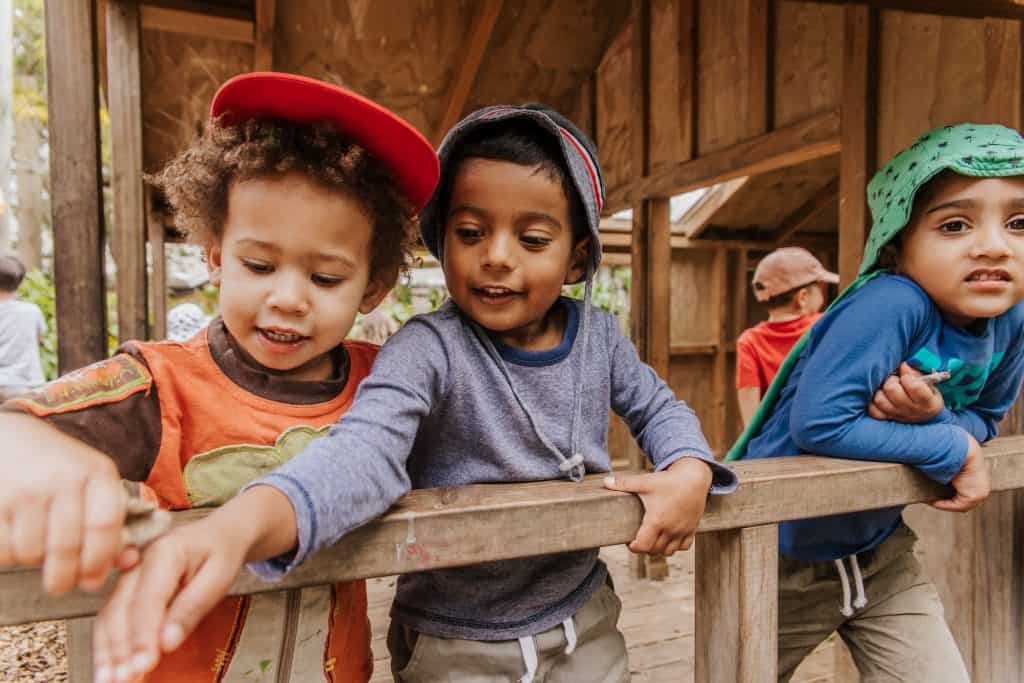
Bicultural and place-based inquiry with children
Coming in November
In this webinar, Dr Sarah Probine from Auckland University of Technology will share insights from a collaborative project undertaken with kaiako, children, and whānau in six early childhood settings. The project explored how bicultural and place-based approaches can deepen children’s connections to their local environments and strengthen shared knowledge-building across communities.
Extending and challenging children’s thinking
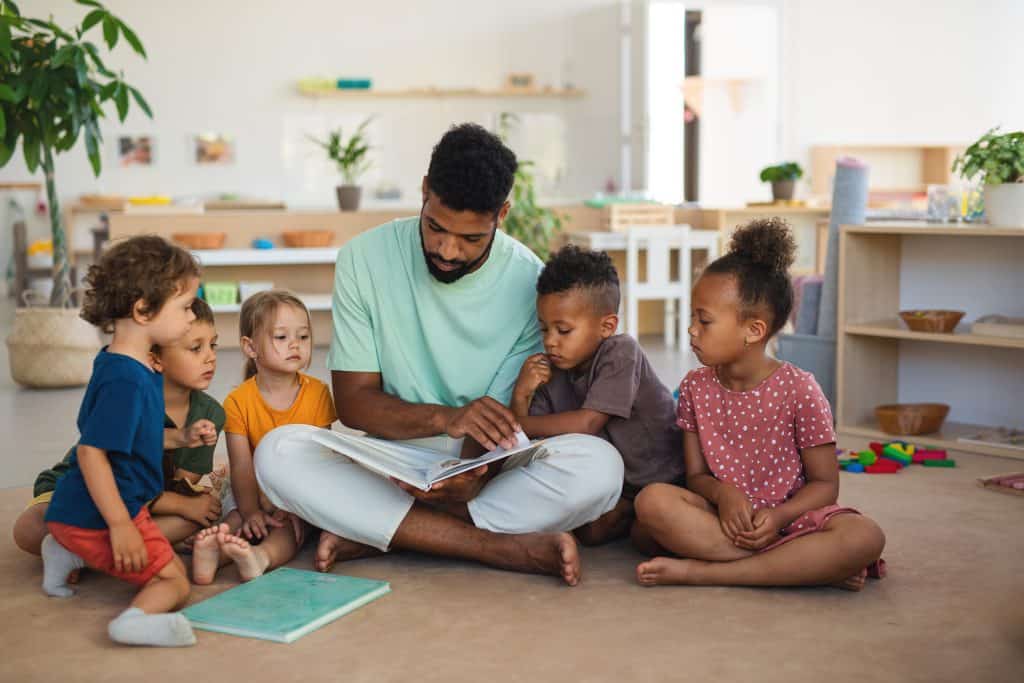
In this webinar, Professor Amanda Bateman from Birmingham City University will explore the sequences of talk that occur during shared inquiry in early childhood settings, demonstrating how teaching and learning are co-constructed — one utterance at a time — between teachers and children.
Slowing down with very young children
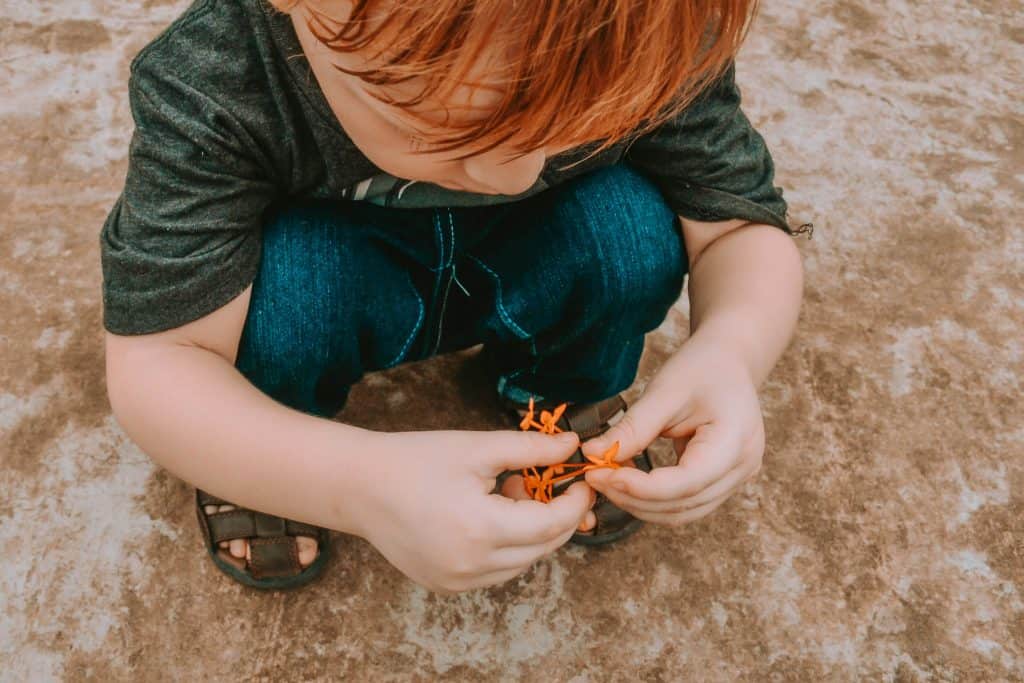
Associate Professor Gloria Quiñones from Monash University explores how infants and toddlers’ interactions with their bodies, peers, environments, and even non-human entities can be supported through thoughtful, slow pedagogies.
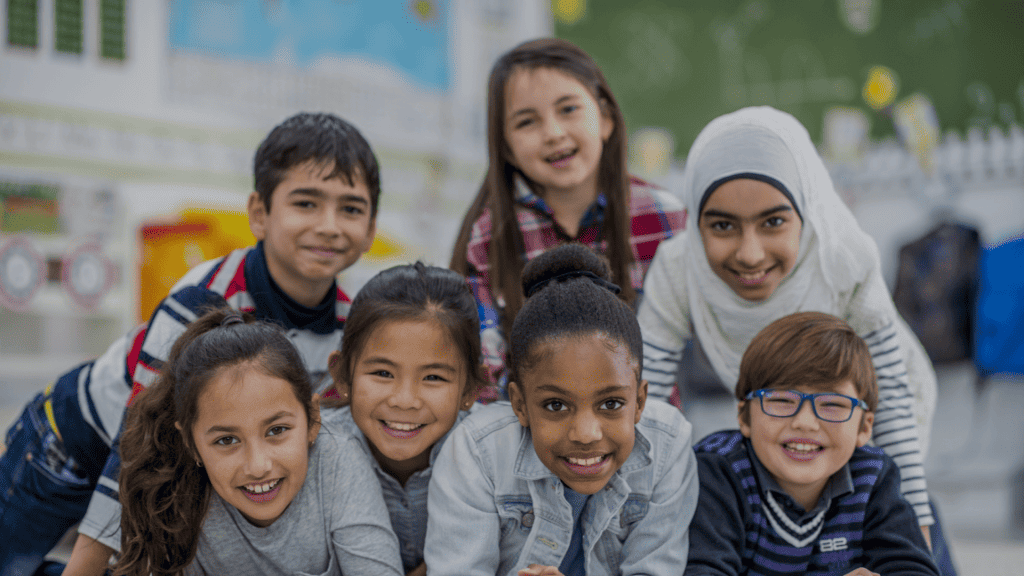
Supporting positive transitions for refugee and migrant children
This webinar for early childhood and school teachers and leaders shares insights from research by Professor Sally Peters and Dr Hazel Woodhouse which highlights the powerful role of early childhood settings, schools, Settlement Centre staff, and families in supporting positive educational experiences and transitions.
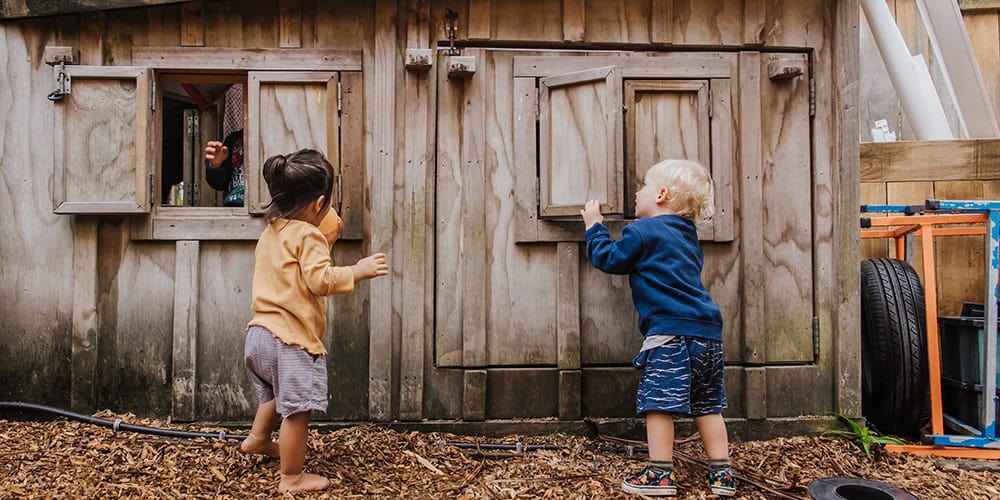
Exploring the things of home in early childhood education
Dr Sonya Gaches from the University of Otago explores how objects associated with home serve as holders of narratives that create a sense of belonging for children

The role of love in infant pedagogies
Love has been positioned as a contested emotion in early childhood education, but there are strong arguments for exploring this in early childhood practice


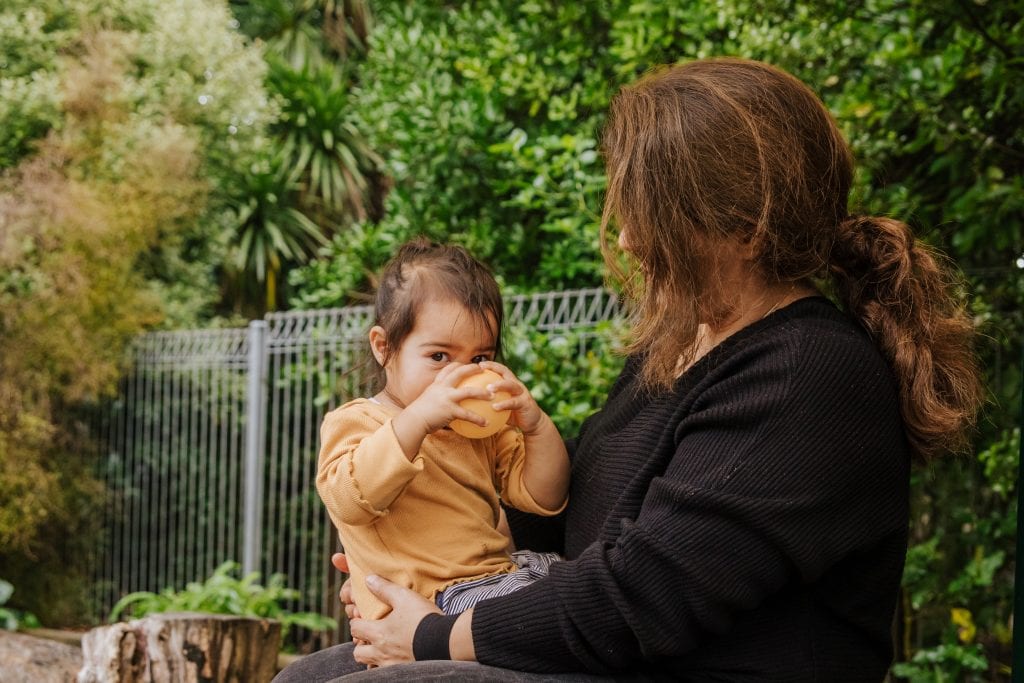
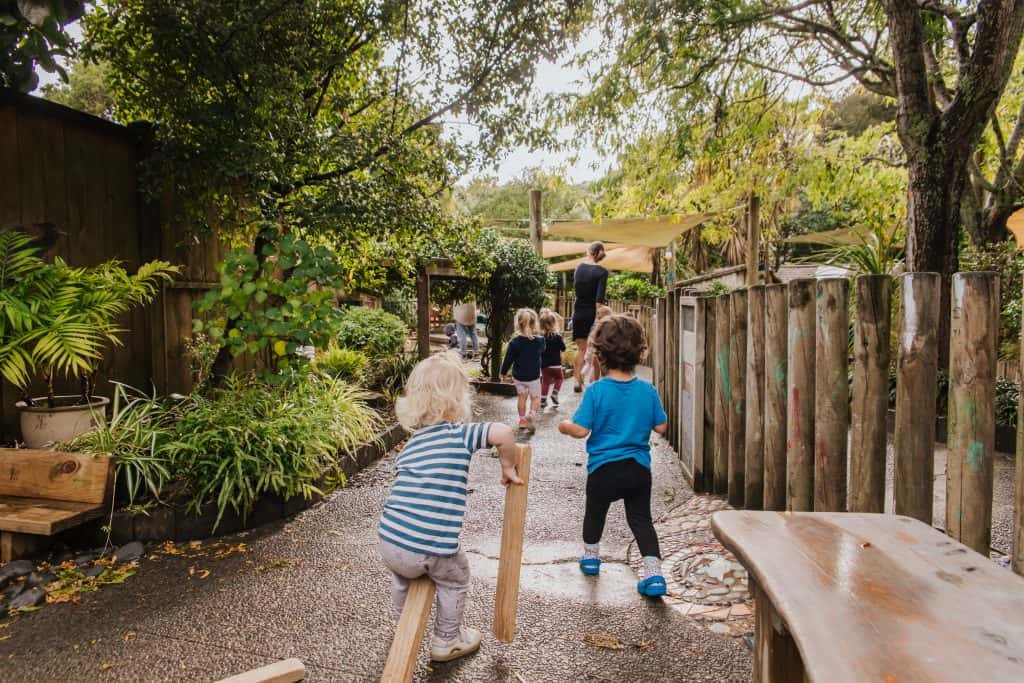
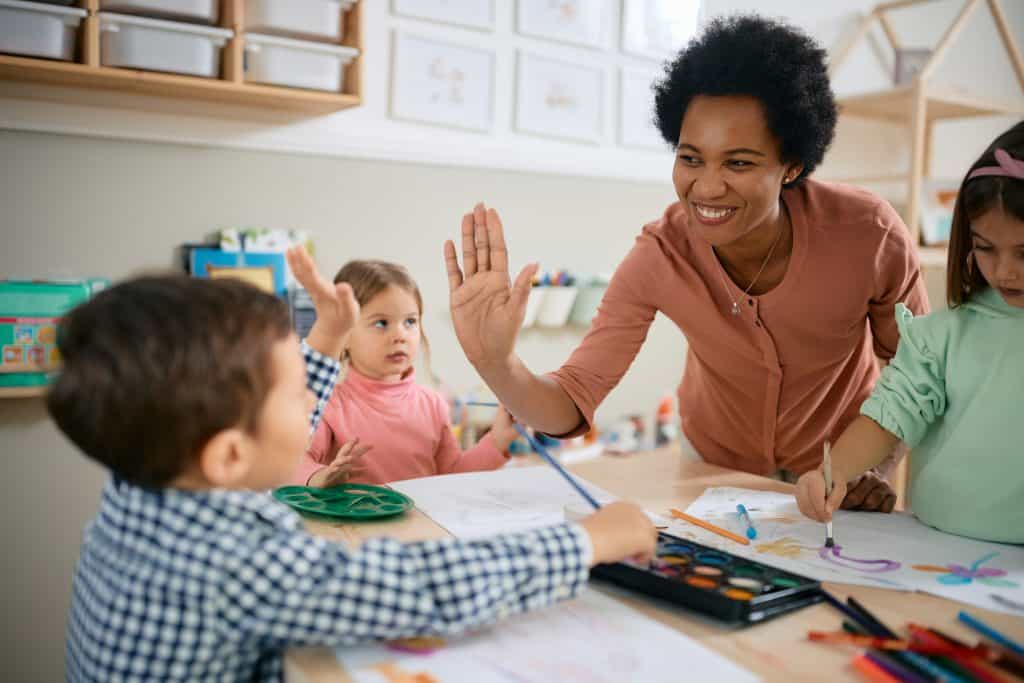

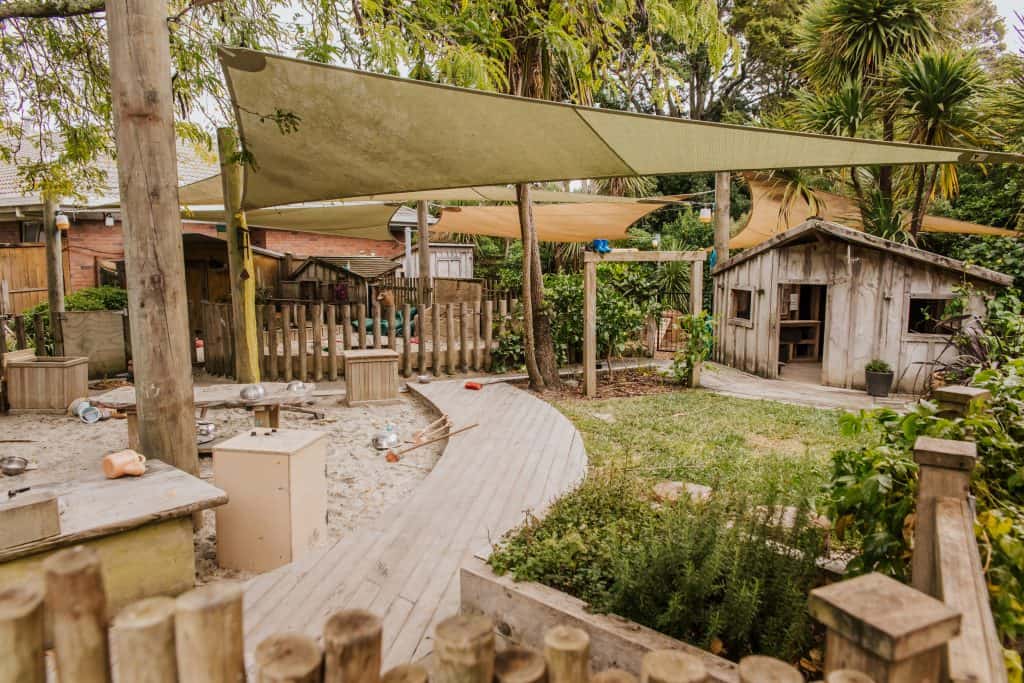



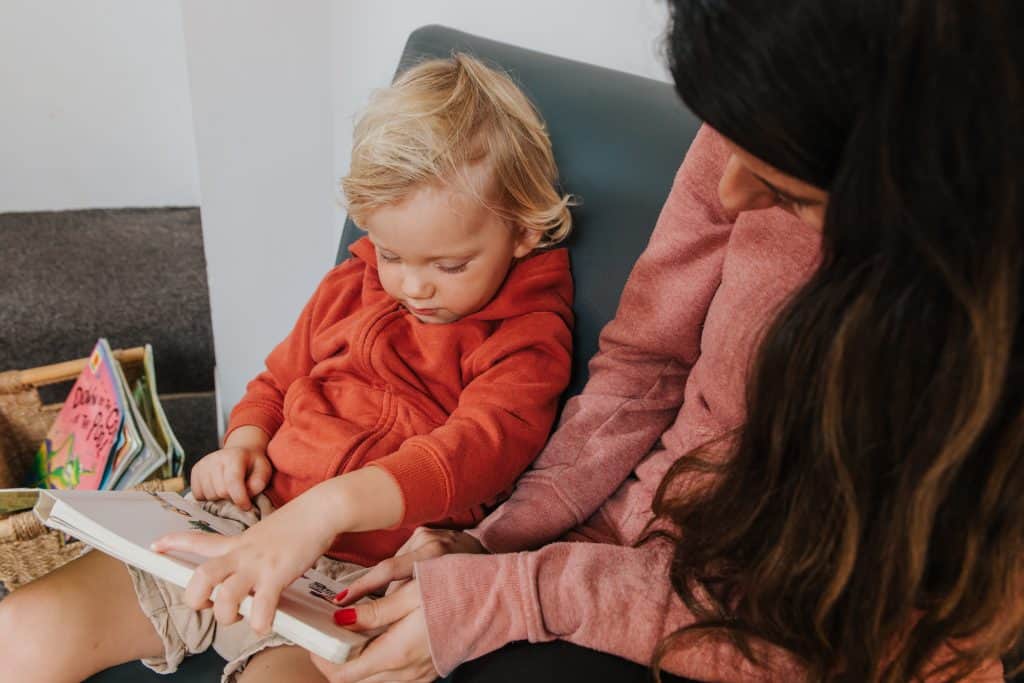
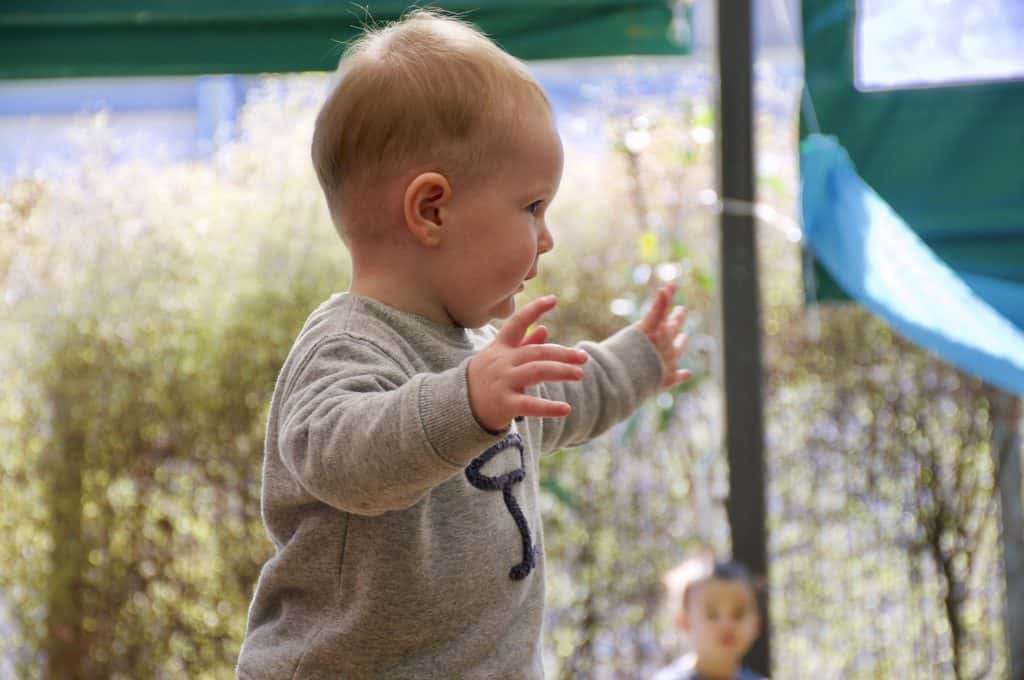

Early Childhood Neurodiversity: Critical & Relational Pedagogies
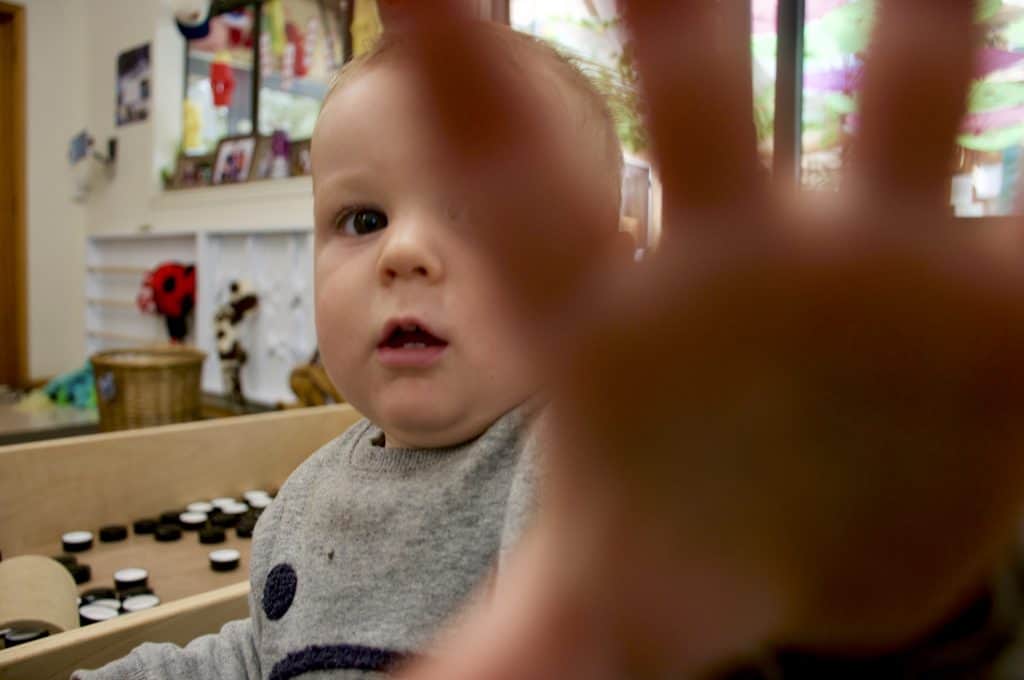
This course is aimed at experienced teachers looking to extend their skills in reflective and critical practice. It draws deeply on real-life case studies, in which participants meet and learn how best to support children with a diverse range of neurodevelopmental differences, and features practice-based scenarios in which participants can apply their emerging understandings.

Social Emotional Competence in Early Childhood Education
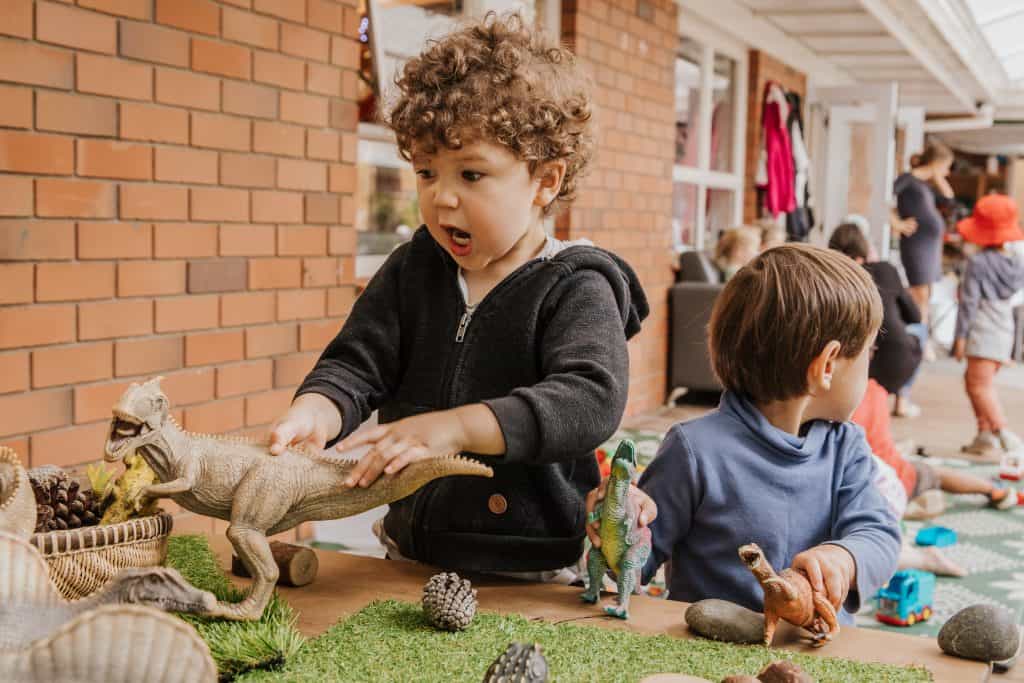
This online course is designed to help early childhood teachers and leaders understand the different elements of social and emotional competence, including social skills, emotion knowledge, and self-regulation.

Infants & Toddlers
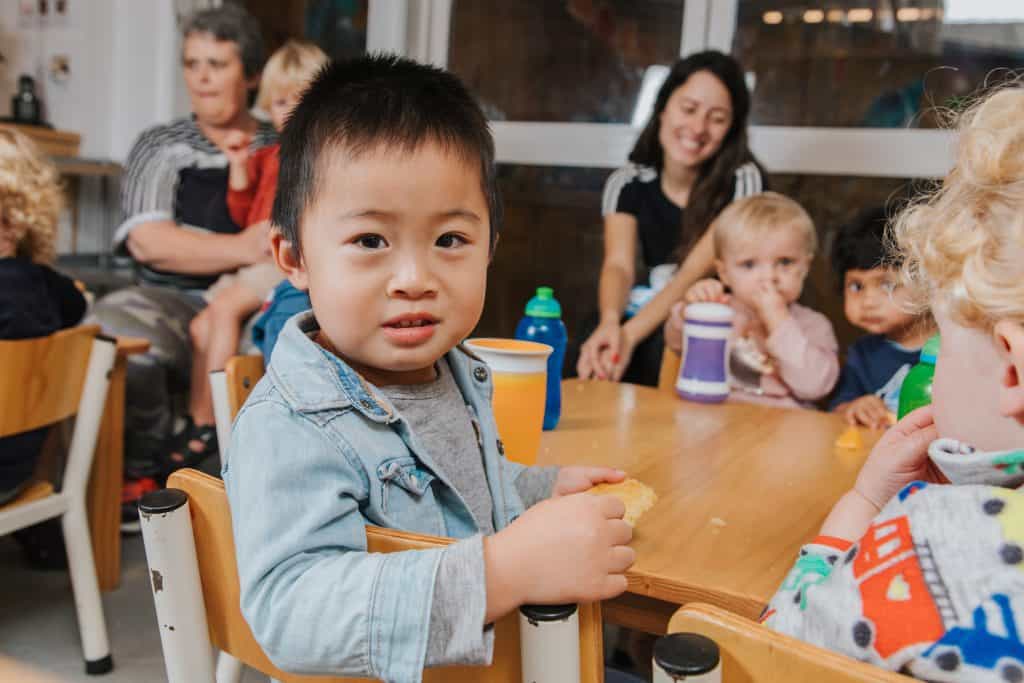
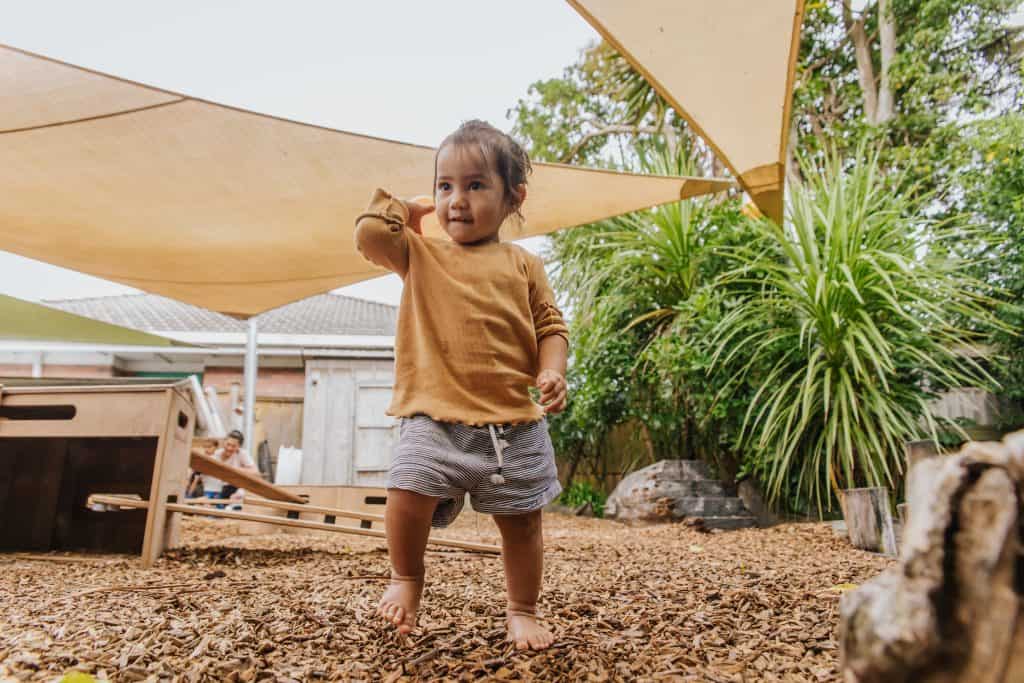
This course explores the research behind early learning and development, including the importance of quality relationships and interactions, and how this translates into principles for practice. It also explores proven pedagogical strategies for caregiving and engaging effectively with infants and toddlers.
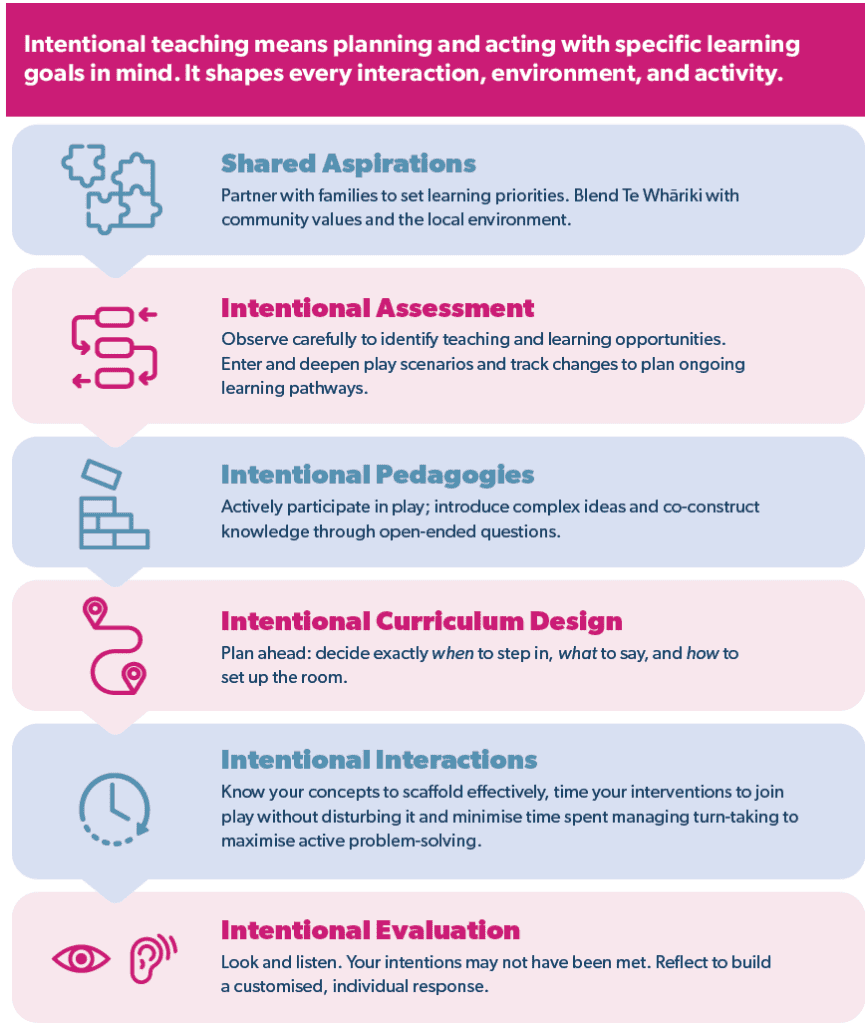
How to teach intentionally in early childhood education – infographic
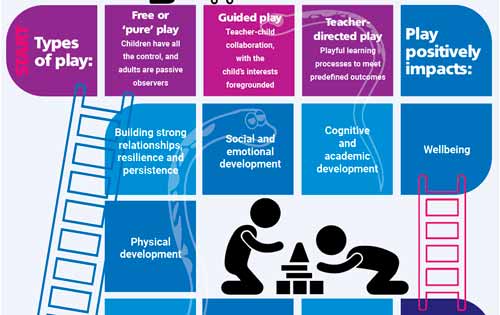
Play in early childhood education infographic
Discover the types of play, how they impact young children, and what roles teachers can take.
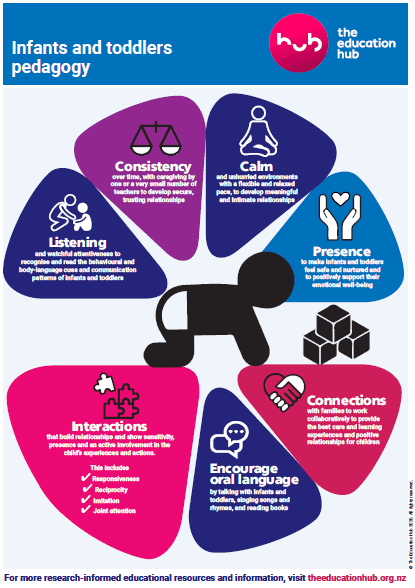
Infants and toddlers pedagogy
The key components of effective pedagogy when working with infants and toddlers.
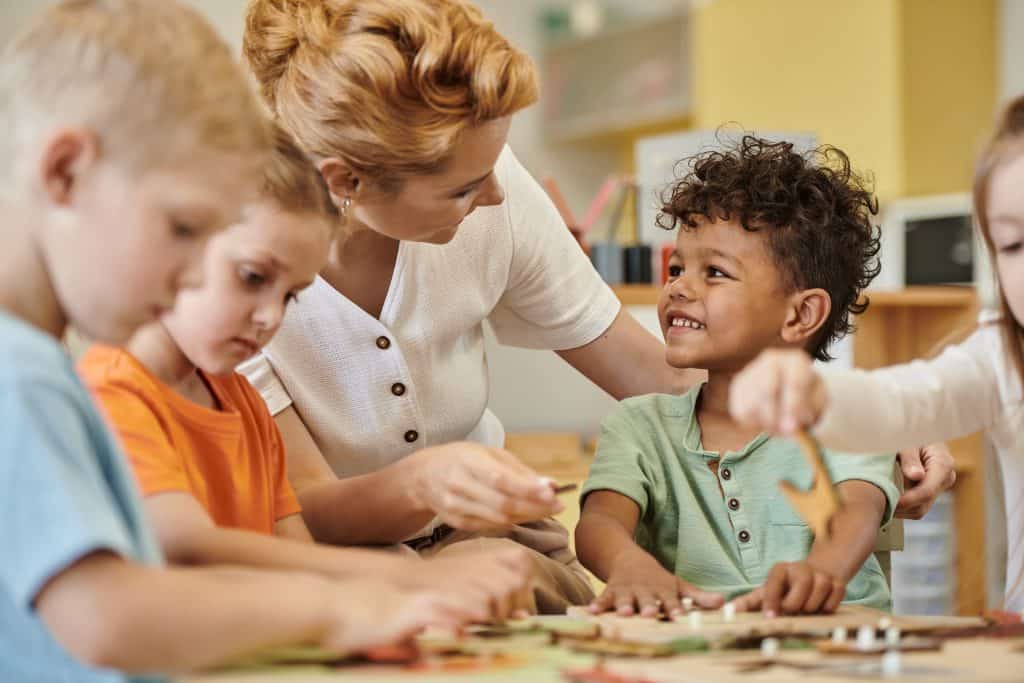
Key insights from conversation analysis for extending and challenging children’s thinking
Insights from a webinar with Professor Amanda Bateman.
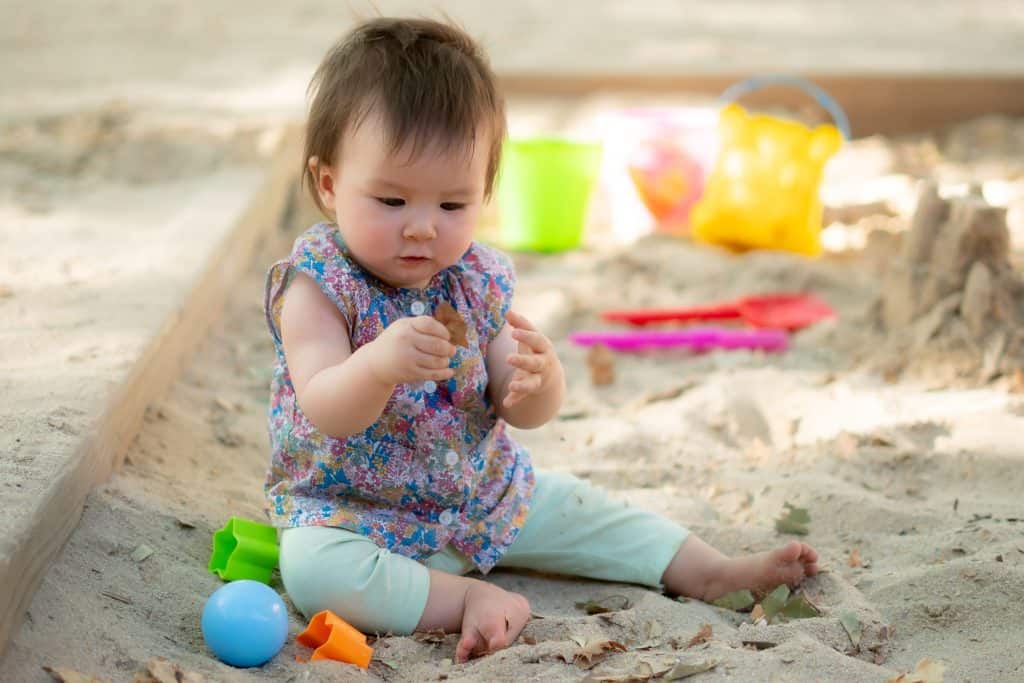
Rethinking time to enhance infants’ and toddlers’ experiences and learning
Key insights from a webinar with Associate Professor Gloria Quiñones from Monash University.
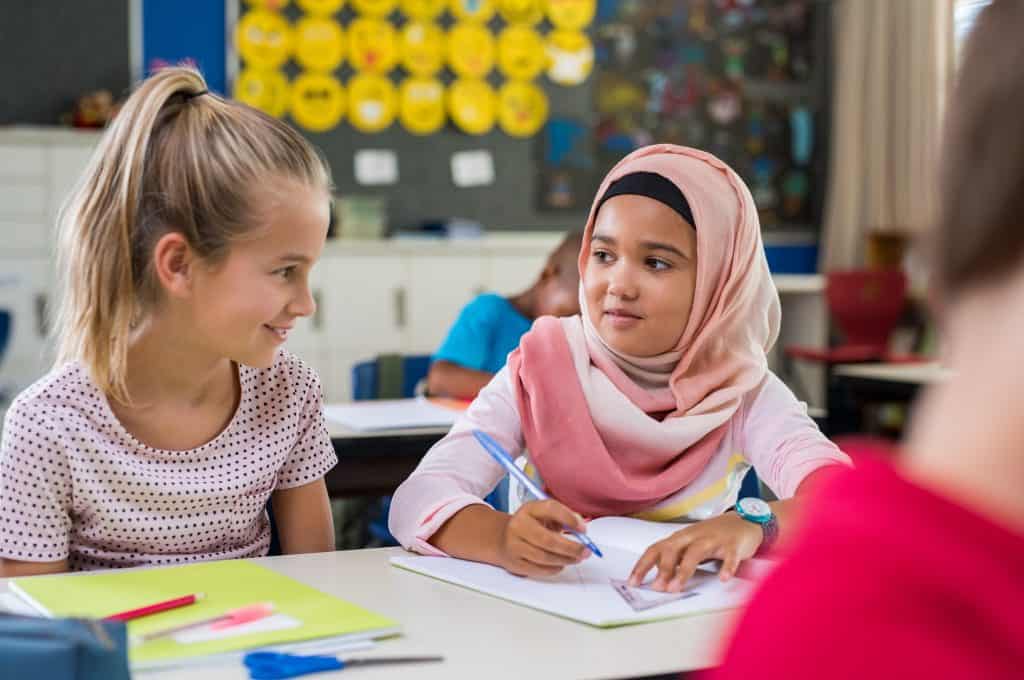
Positive transitions into school and early childhood settings for refugee and migrant children
Key insights from a webinar with Professor Sally Peters and Dr Hazel Woodhouse.

Using things from home in early childhood pedagogy
Key insights from our webinar with Dr Sonya Gaches from the University of Otago.
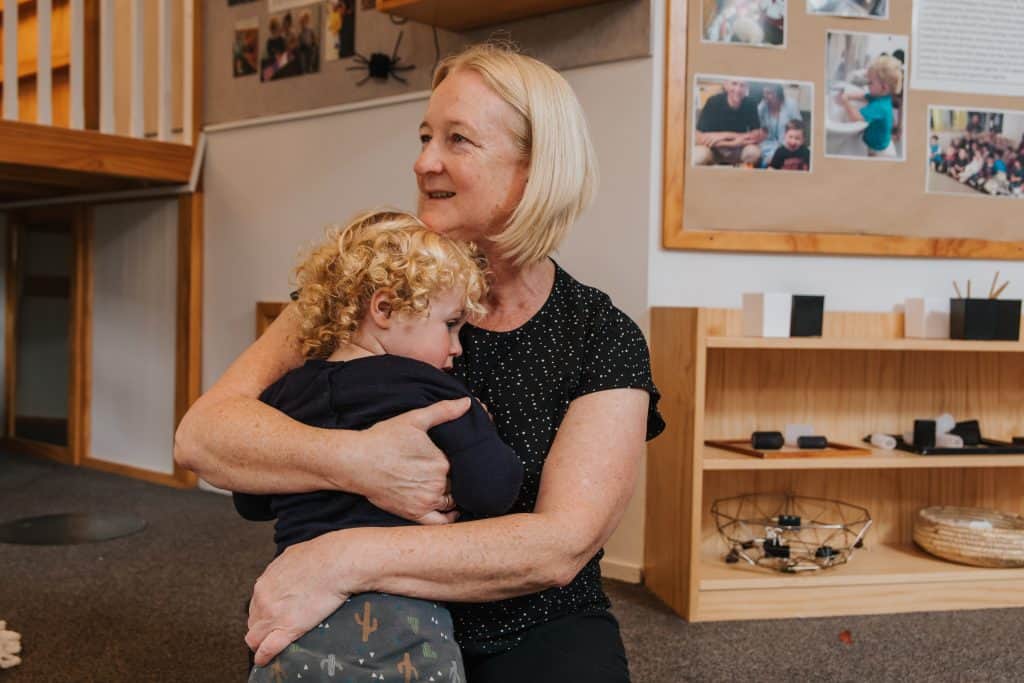
Love as a lens in infant pedagogy
Key insights from a webinar with Dr Andrea Delaune.

Supporting diverse cultural and gendered identities in early childhood settings
Key insights from a webinar with Professor Kylie Smith and Associate Professor Sonja Arndt from The University of Melbourne.






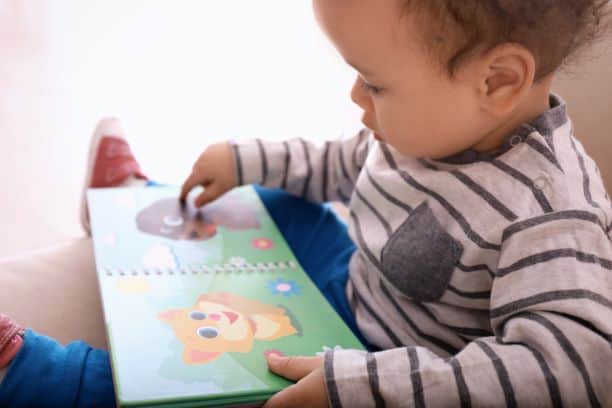



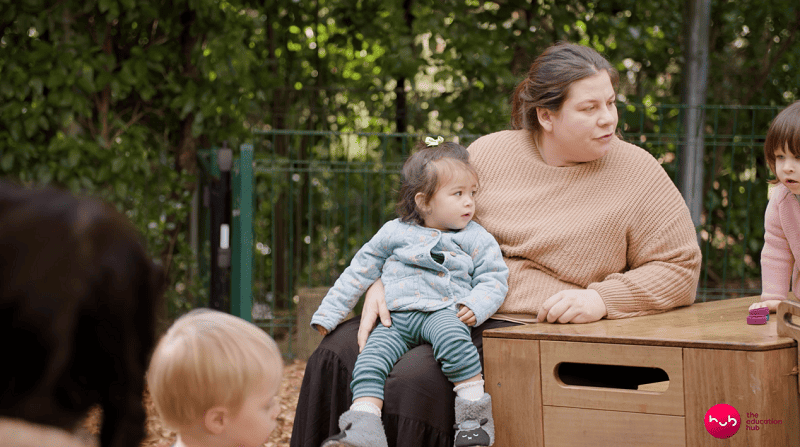
Early literacy tools for infants and toddlers
Intentional strategies for supporting infants’ early engagement with literacy.
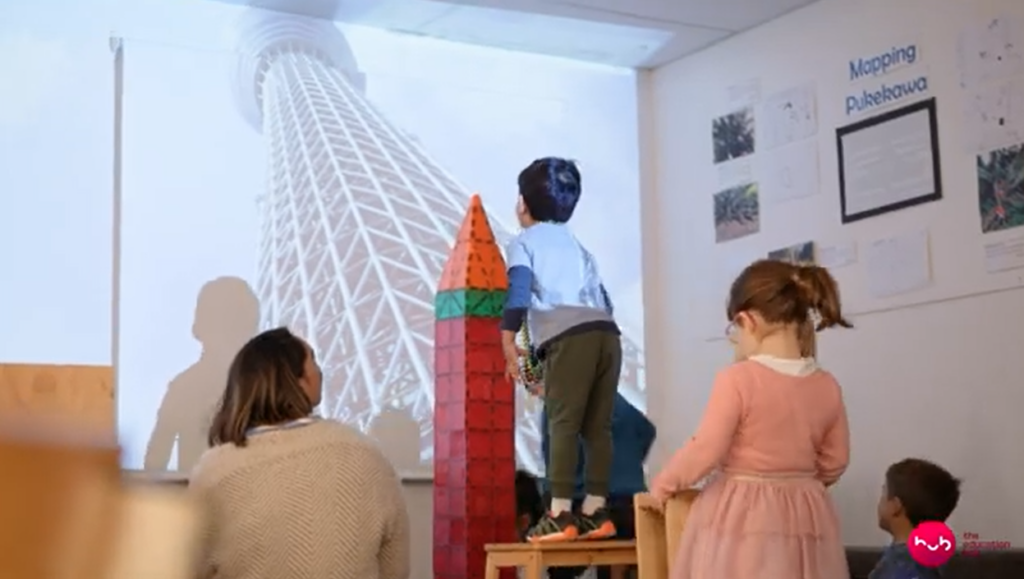
STEM learning and local curriculum in the construction corner
Blocks and construction materials provide rich opportunities for cross-curricular learning.
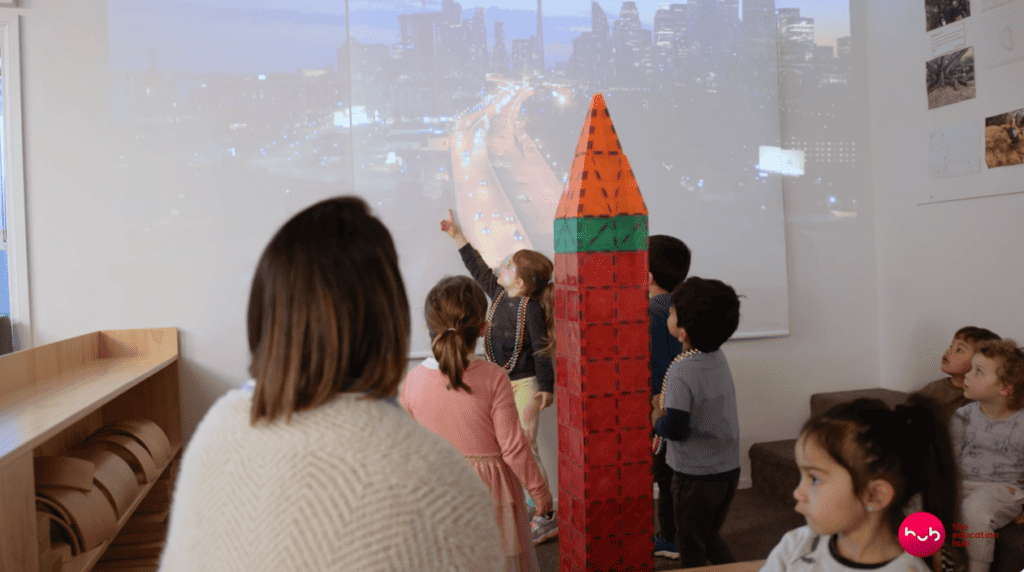
Engaging with technology
How technology can be used in different ways to enrich children’s learning.
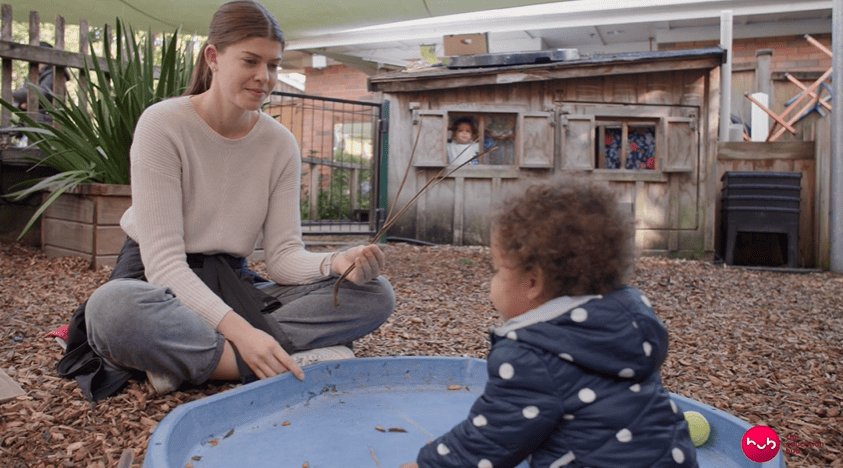
Intentional interactions with infants and toddlers
Using deliberate strategies to support infants’ and toddlers’ emotional wellbeing and learning.
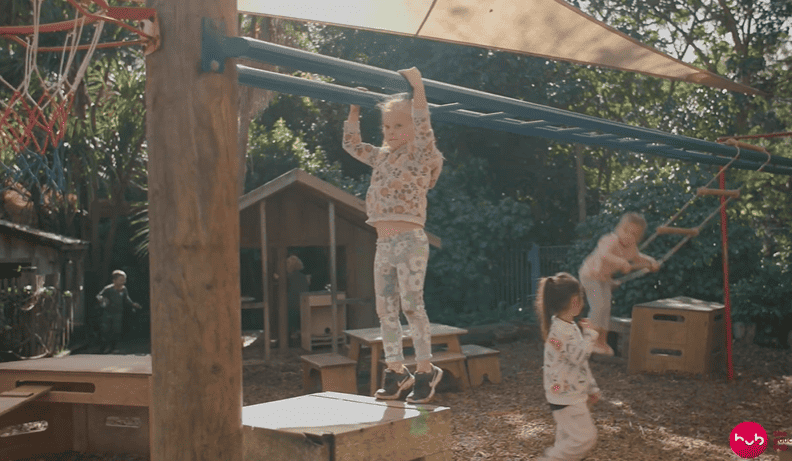
Providing challenge and exploring risk in outdoor play
Challenging and risky play provides multiple opportunities for physical and social emotional learning.
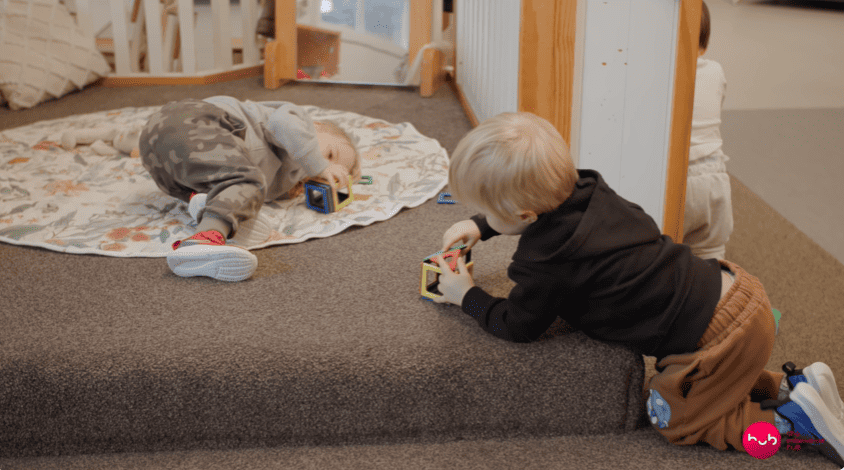
Environments and resources for infants and toddlers
The benefits of open-ended resources and environments for supporting learning and exploration.