Movement and learning
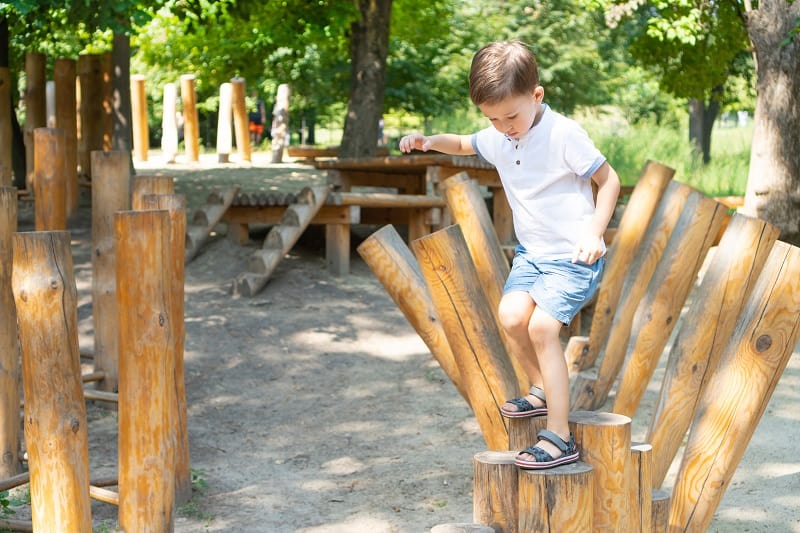
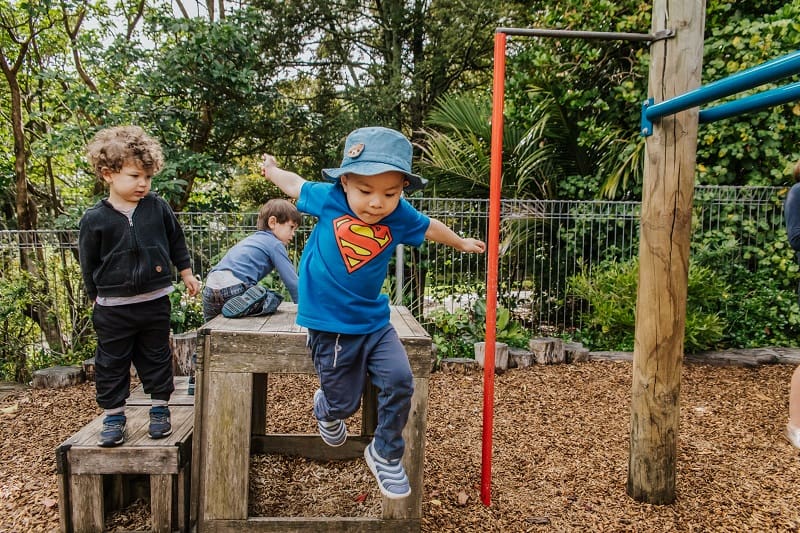
Movement and physical activity support physical health, mental wellbeing, and a range of academic and social emotional outcomes.
Definition
It is important to think about physical activity and exercise in school and classroom settings as involving more than just PE and sport. There are many ways that classroom teachers can incorporate different kinds of movement into their learning programmes to support a range of academic, behavioural, and social emotional outcomes.
Relevance
The benefits of physical exercise and movement are wide-ranging and will serve students in the classroom and beyond.
State of the evidence
The importance of physical activity for physical and mental health is well established. In addition, there is a growing body of evidence demonstrating the relationship between physical activity and more specific academic outcomes, and between exercise and self-regulation. For example, physical activity has been linked to improved on-task behaviour and working memory. There is also evidence that increased levels of physical activity at school have greater benefits for students from lower socio-economic backgrounds and may lead to more equitable outcomes.
In practice
Building movement and exercise into daily classroom routines can lead to a range of benefits for students and support improved academic learning and better behavioural and emotional regulation.
Guiding questions
- How can we build appropriate amounts and types of physical activity and movement into learning programmes?
- How can we use movement to improve students’ behavioural and emotional regulation?
- How can we explore the relationship between movement and specific academic outcomes?
The importance of physical activity for learning and wellbeing
An introduction to the research on the role of exercise and movement in promoting learning and wellbeing
Reviewing and implementing approaches to movement and physical activity
Tools and approaches for evaluating approaches to P.E. and exercise at the school, teacher, and student level
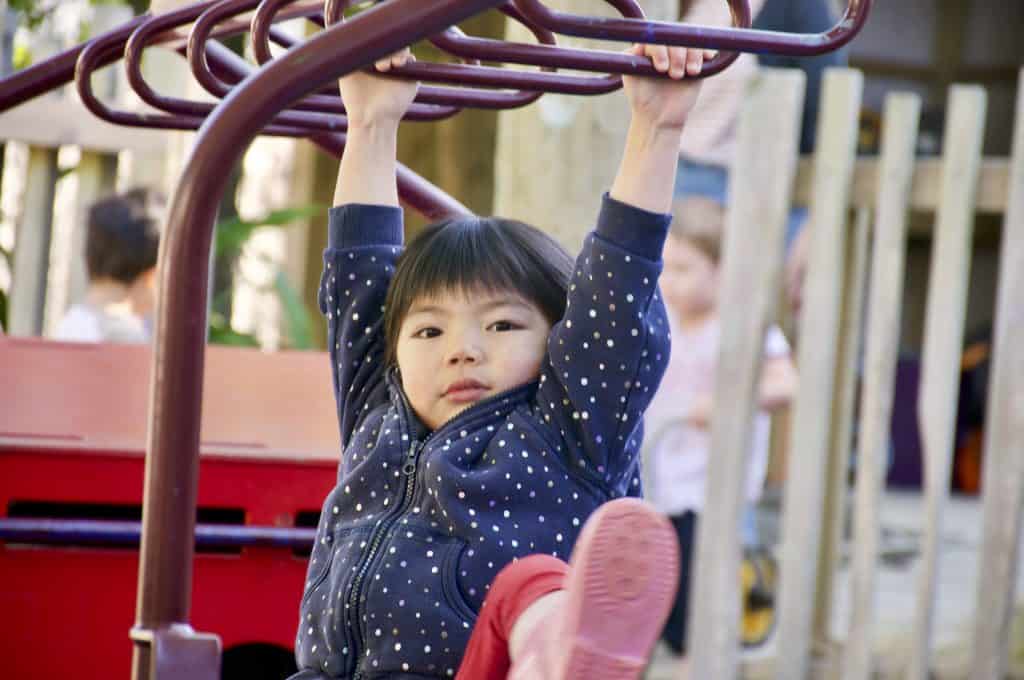
Understanding and supporting children’s movement and development
International expert Gill Connell discusses the range of movement patterns children need to be engaging with to support their holistic development
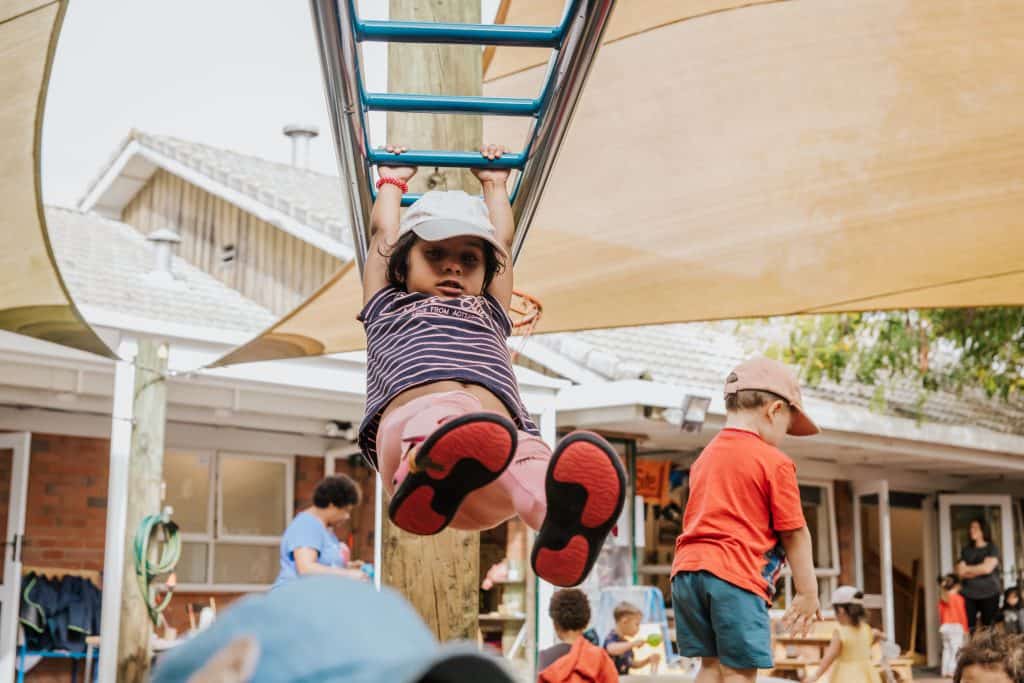
Movement for learning: Q&A with Gill Connell
This webinar is a sequel to our 2021 webinar, exploring the role of movement in children’s learning and development, and how teachers can support children.
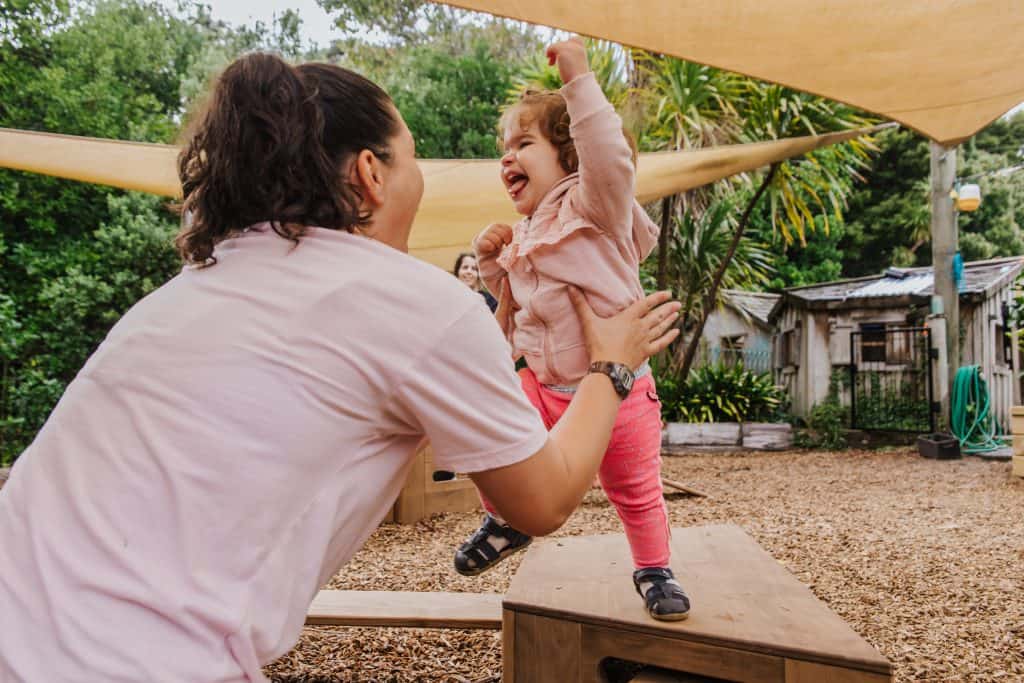
Supporting children’s physical development from ages 0-7
Exploring the role movement plays in child development and how teachers can support children to be develop gross and fine motor skills.