
Pedagogy for infants and toddlers
Specialised infant and toddler pedagogies are crucial for young children’s effective development.
Definition
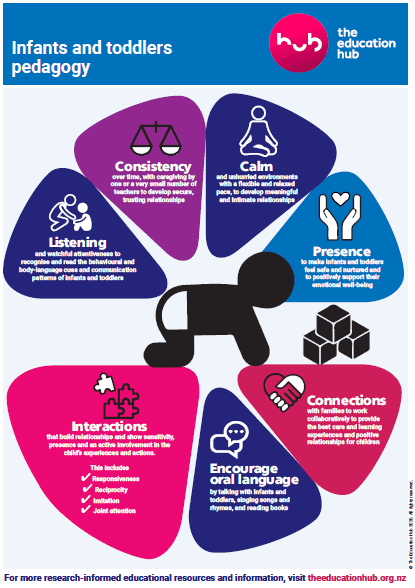
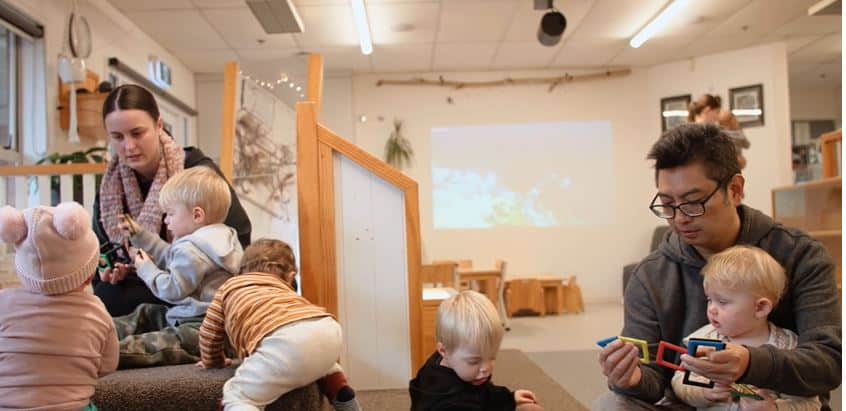
Infant and toddler pedagogy is pedagogy designed for and focused on the needs of children under three. It is focused on strong, intimate relationships and responsive and reciprocal interactions between children and their caregiver(s).
Relevance
Experiences of responsive, attuned caregiving in the first years of life facilitate emotional and cognitive well-being. Pedagogies focused on building strong, attuned relationships with children support children’s resilience and security. Positive relationships with caregivers have far-reaching consequences, setting the foundations for adjustment, development and learning across the child’s education.
State of the evidence
There is a strong and well-established research base on the importance of emotionally attuned relationships early in life. There is also a large body of research which suggests that pedagogical skills such as developing joint attention with infants and toddlers are linked to a range of cognitive and social skills including increased abilities in language and communication. Finally, another well-established finding in the research literature is that low quality care and inadequate relationships with adults are a source of stress for infants and toddlers, and associated with a negative impact on brain development, emotional well-being and the immune system which can remain across a child’s lifetime.
In practice
- Focus on the infant-caregiver relationship as a major component of practice
- Build firm relationships by increasing one-to-one interaction opportunities and being positive and responsive while allowing time for relationships to develop
- Develop strong non-verbal communication skills (particularly listening), and develop sensitivity to infants’ and toddlers’ gestures and body movements
- Reflect on practice and the quality of relationships
- Build positive relationships with other caregivers and parents that enable collaboration
Guiding questions
- What strategies do you use to build relationships with infants and toddlers?
- Have you learned to understand and respond to each infant or toddler’s individual cues and communications?
- How do you ensure calm, unhurried routines for infants and toddlers?
- How often do you develop moments of joint attention with infants and toddlers?
- How language-rich are your interactions with infants and toddlers?

How infants and toddlers develop movement skills
An introduction to the processes involved in learning to move.

Māori and Pasifika cultural perspectives on infant-toddler care
An introduction to the importance of culture, identity and belonging in infant and toddler pedagogy.
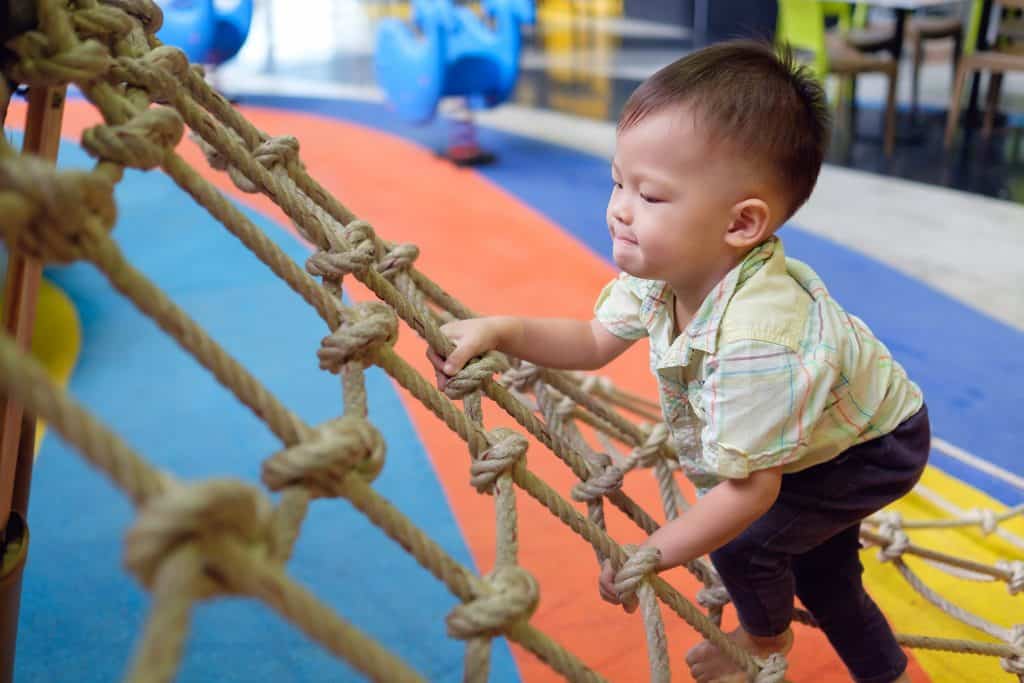
The Pikler/Resources for Infant Educarers™ approach
A summary of the key tenets of the Pikler/RIE philosophy of early childhood care and education.
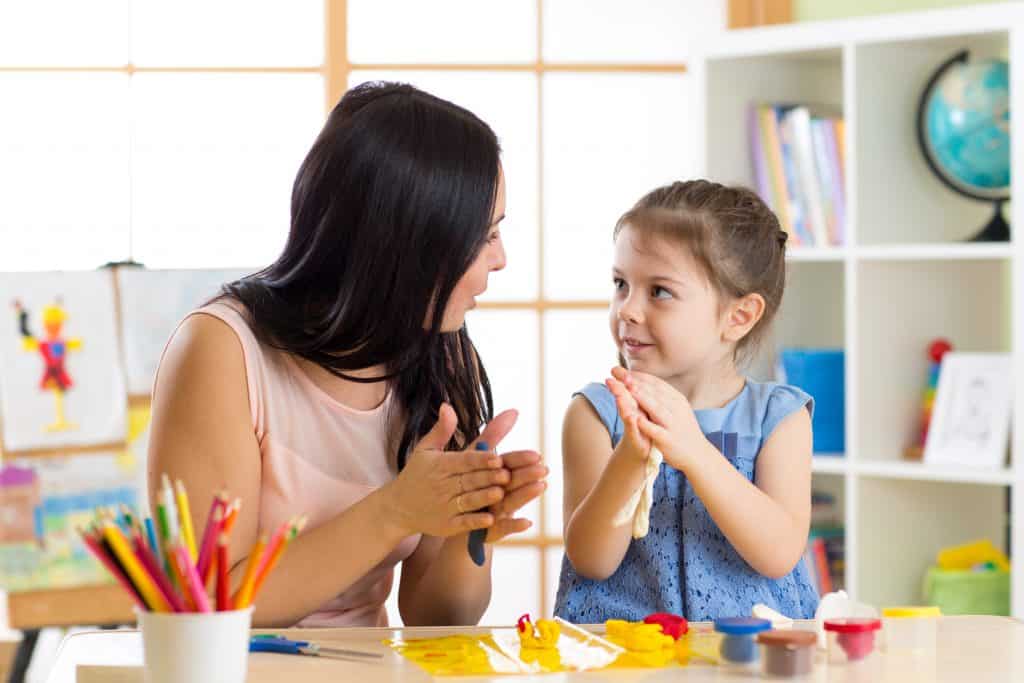
An introduction to serve and return in early childhood education
An introduction to the concept of ‘serve and return’, the challenges it brings, and the many benefits for infants and toddlers.

Five reflective questions to ask about your infant and toddler curriculum
Five questions designed to help you reflect on the infant and toddler curriculum in your early childhood setting.
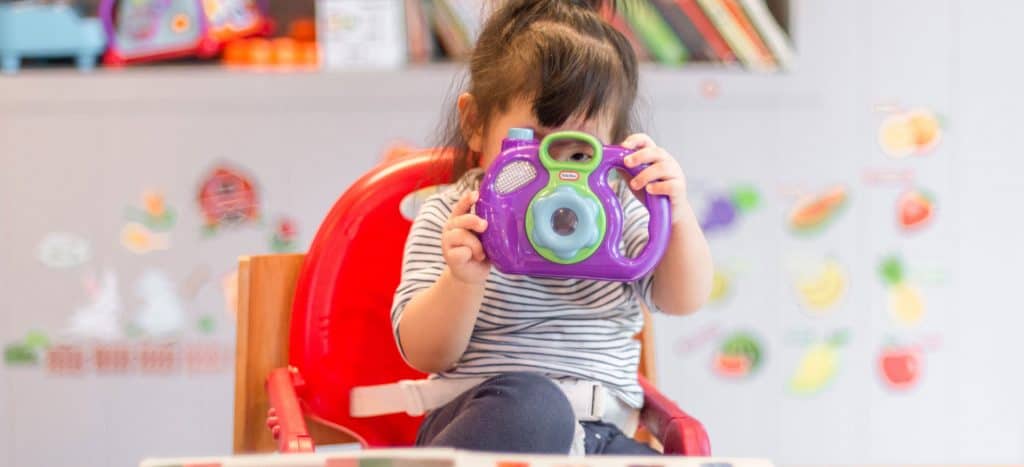
How do you view babies?
Reflective questions to help you reflect on your practice working with babies.

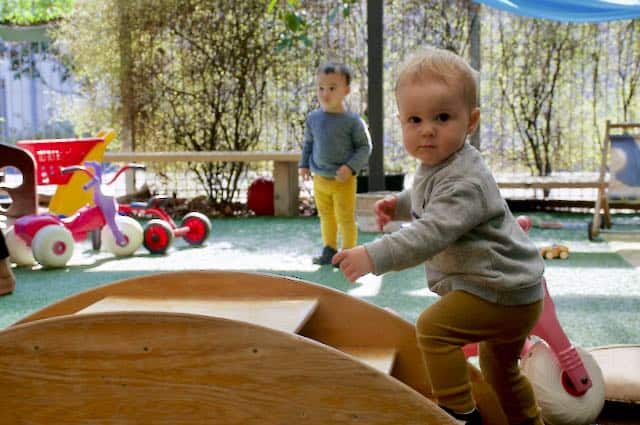


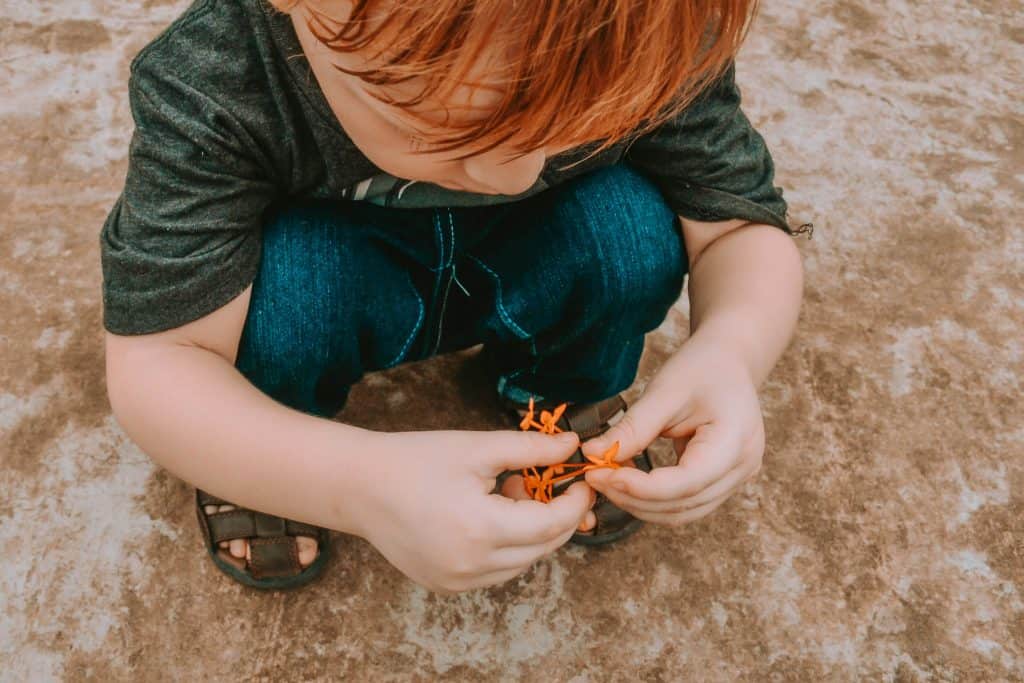
Slowing down with very young children
Associate Professor Gloria Quiñones from Monash University explores how infants and toddlers’ interactions with their bodies, peers, environments, and even non-human entities can be supported through thoughtful, slow pedagogies.

The role of love in infant pedagogies
Love has been positioned as a contested emotion in early childhood education, but there are strong arguments for exploring this in early childhood practice
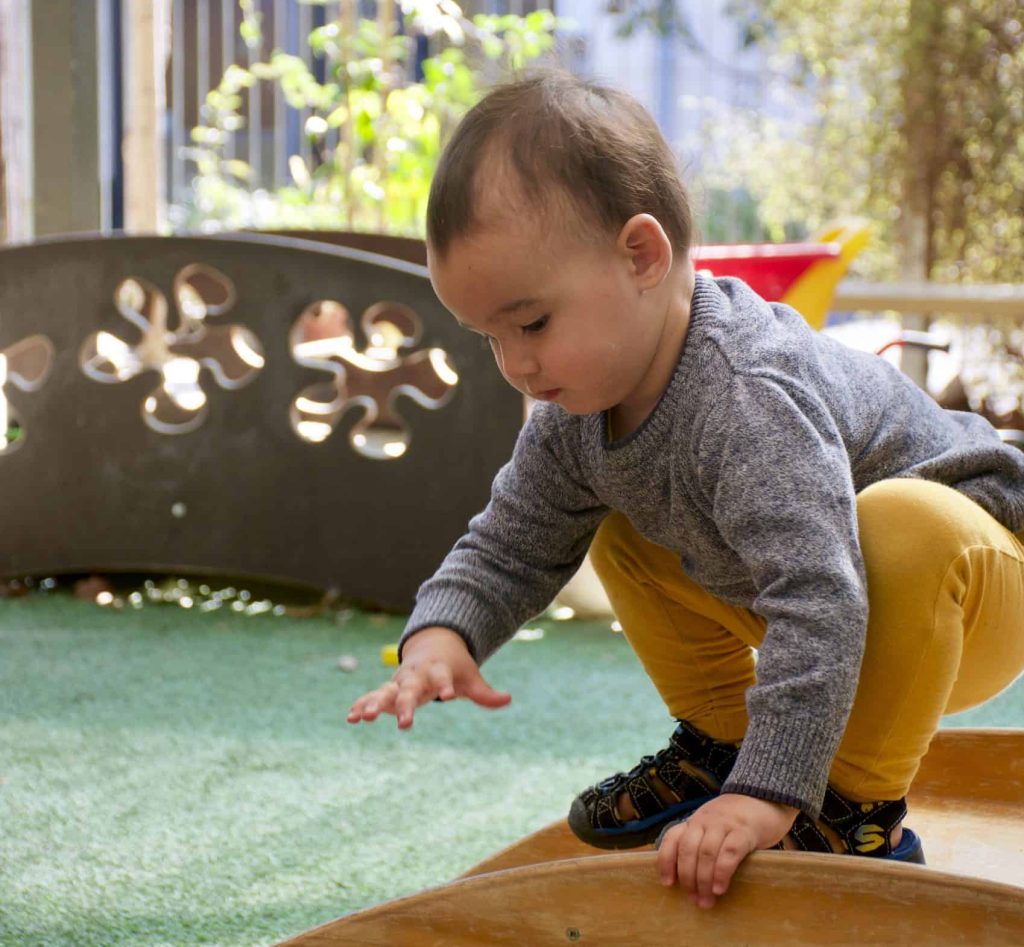
What is specialist about infant and toddler practice?
Professor Carmen Dalli and Dr Karyn Aspden explore the key messages about the specialist nature of high quality infant and toddler practice.
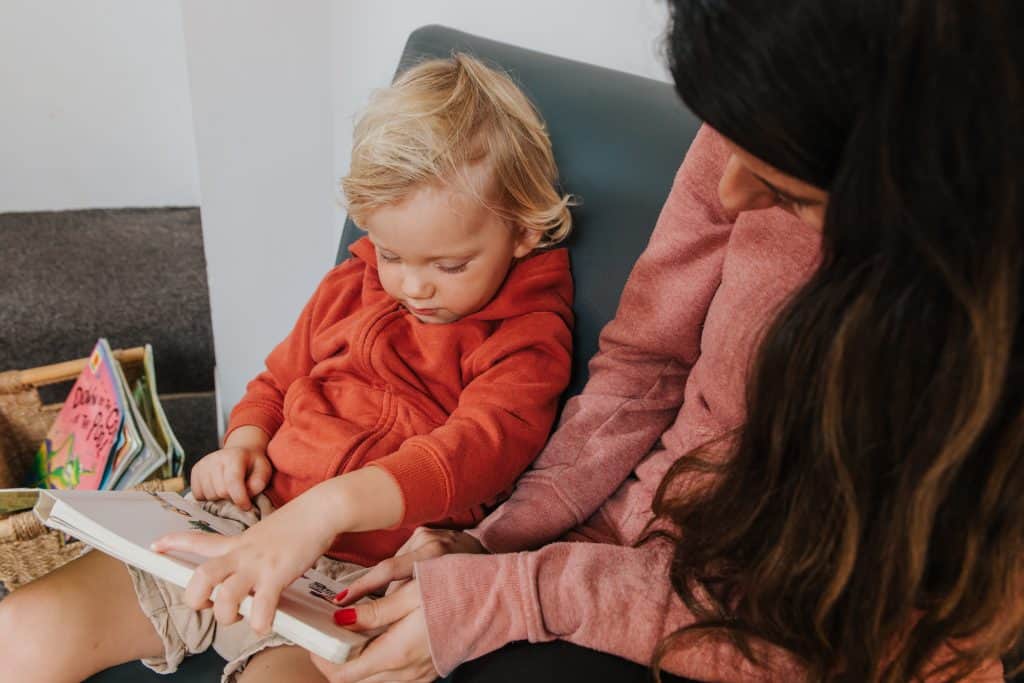
Supporting oral language development in the early years
Alison Sutton from Talking Matters talks to Vicki Hargraves about the importance of early language to lifelong learning.
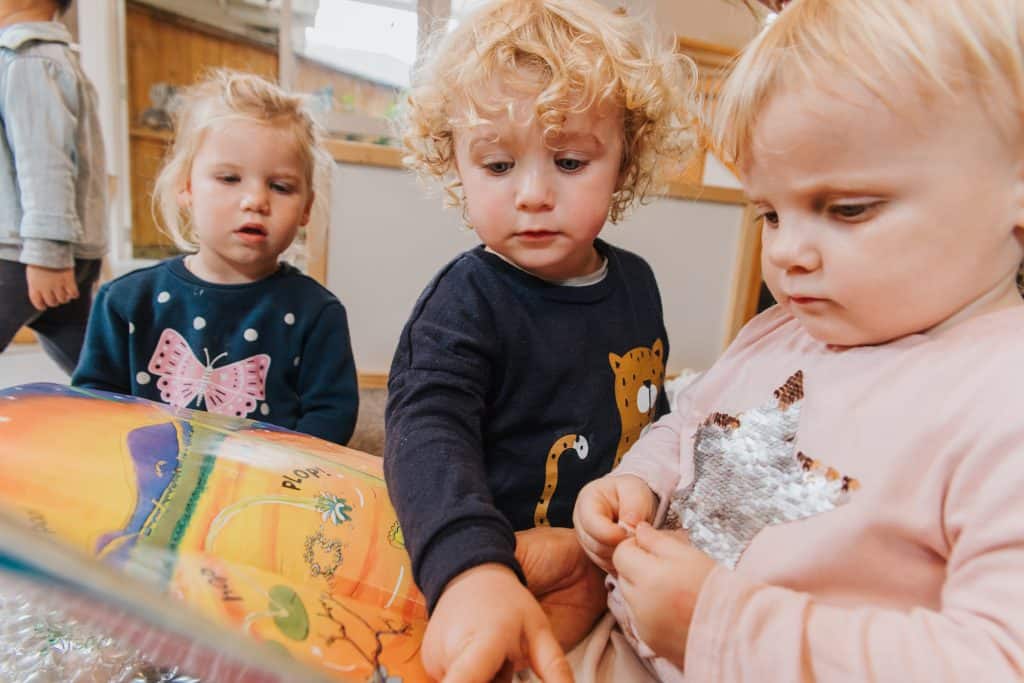
Supporting the social and emotional competence of infants and toddlers
Dr Karyn Aspden and Linda Clarke from Massey University discuss their research into the teaching practices that support social-emotional competence of infants and toddlers.
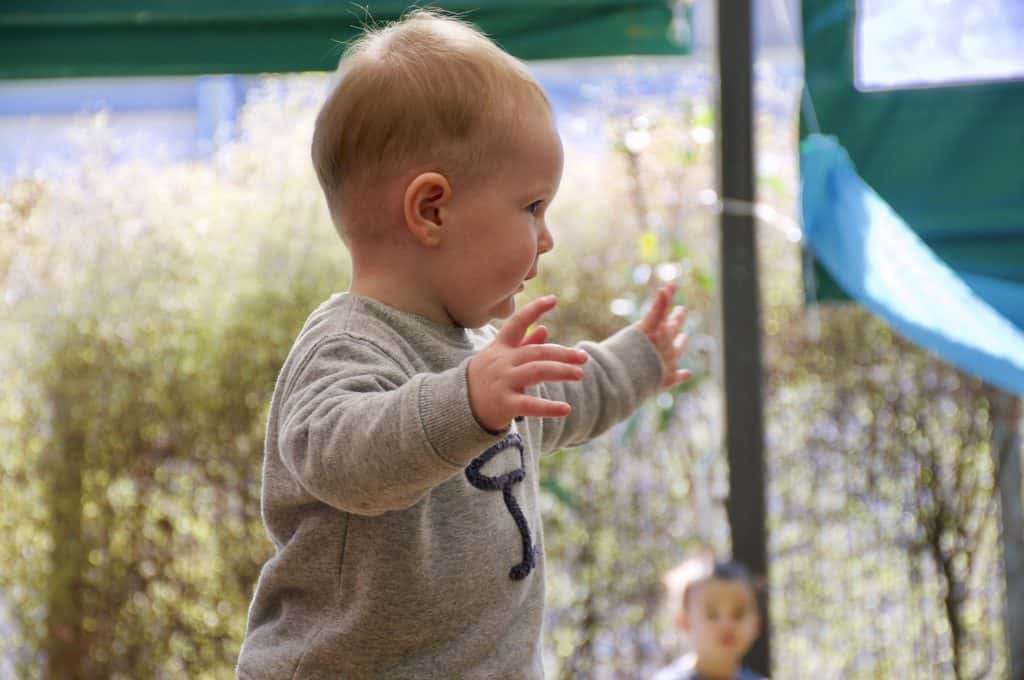
Infants and toddlers
Jean Rockel and Lorraine Manuela in conversation with Vicki Hargraves, discussing infant and toddler education and care

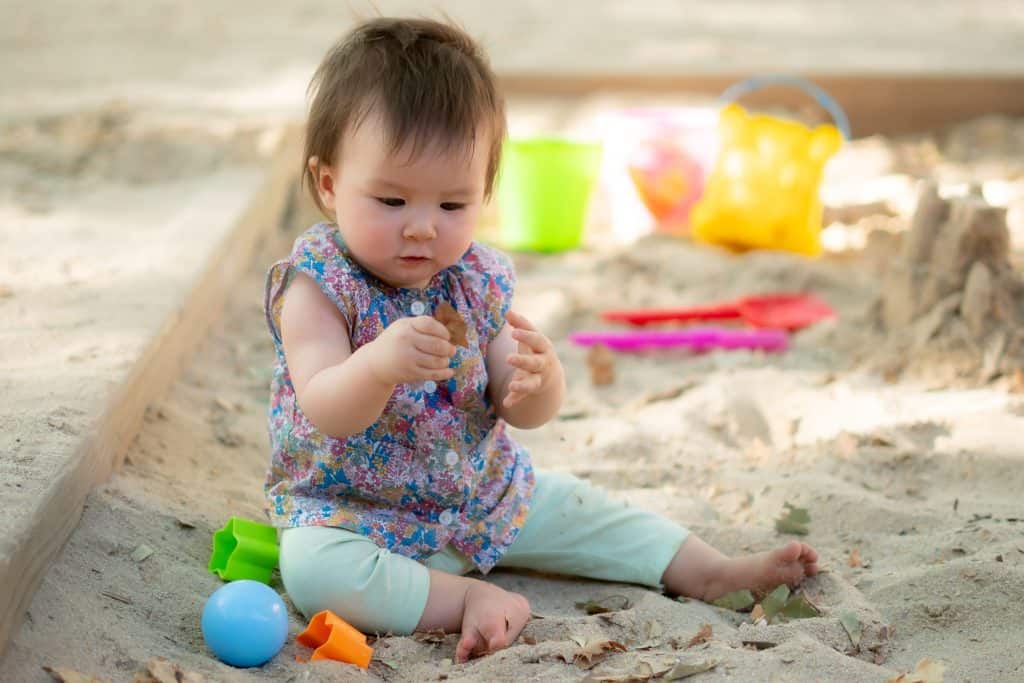
Rethinking time to enhance infants’ and toddlers’ experiences and learning
Key insights from a webinar with Associate Professor Gloria Quiñones from Monash University.
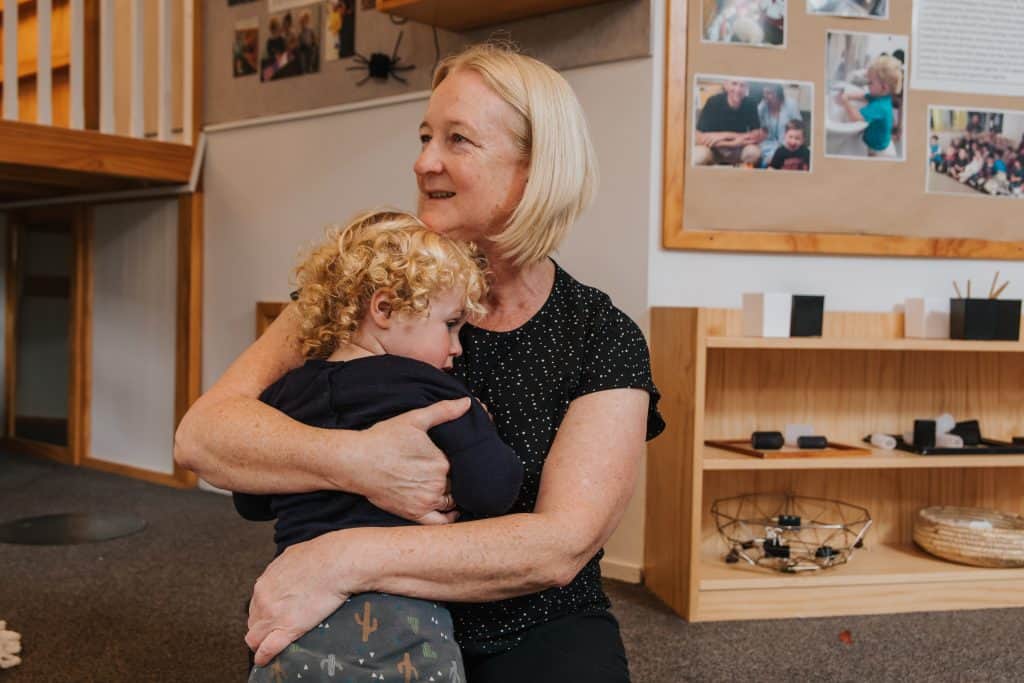
Love as a lens in infant pedagogy
Key insights from a webinar with Dr Andrea Delaune.
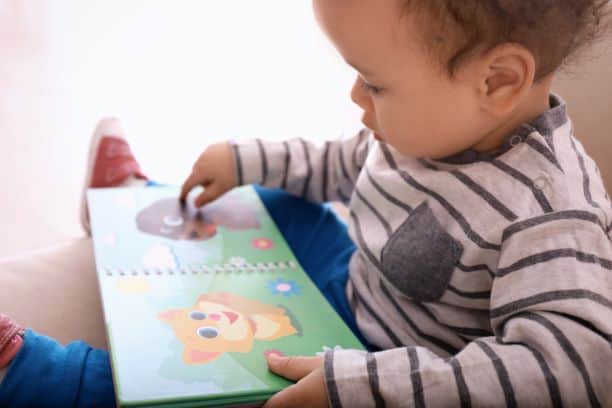
Specialised practices for infants and toddlers
Key insights from the webinar with Professor Carmen Dalli and Dr Karyn Aspden.

An interview with Tina Tacken about the importance of observation in infant and toddler care
Tina Tacken, leader or the infant and toddler space at the AUT Childcare Centre, discusses how she balances Magda Gerber’s concept of respectful practice with the need to develop a rich language environment
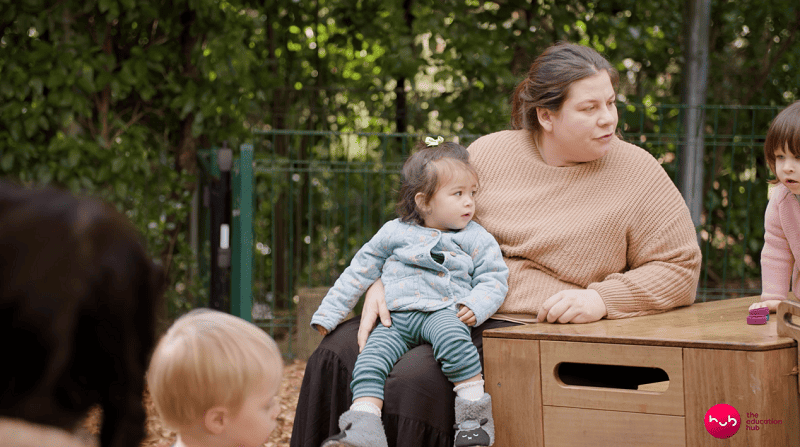
Early literacy tools for infants and toddlers
Intentional strategies for supporting infants’ early engagement with literacy.
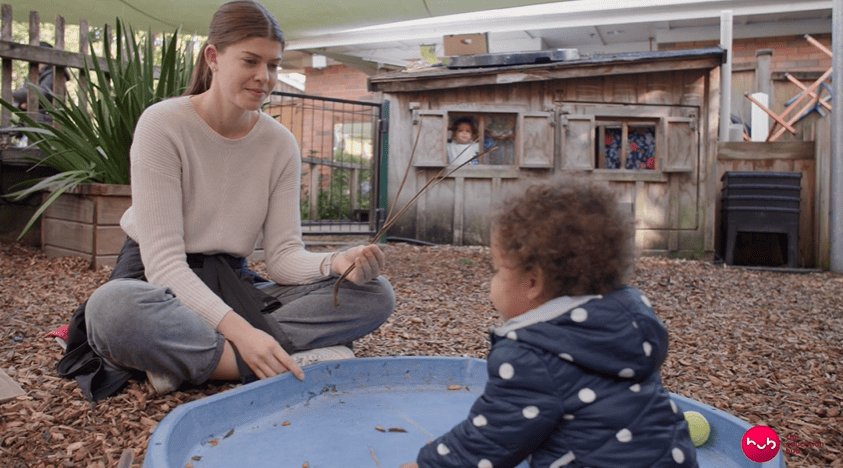
Intentional interactions with infants and toddlers
Using deliberate strategies to support infants’ and toddlers’ emotional wellbeing and learning.
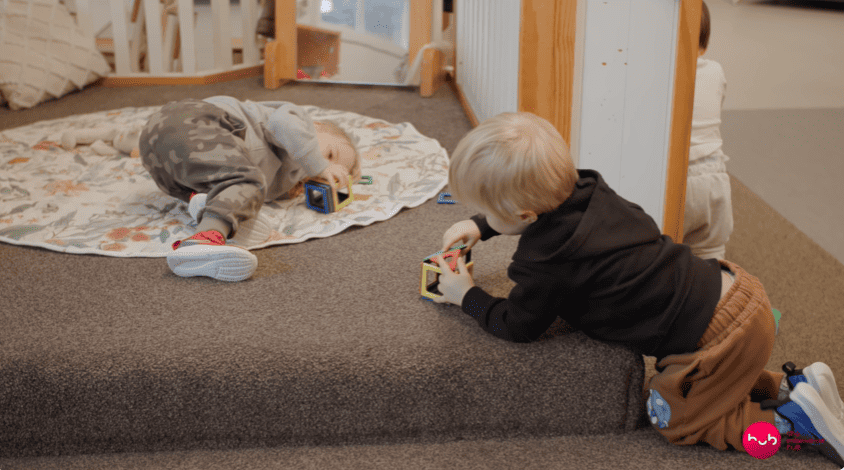
Environments and resources for infants and toddlers
The benefits of open-ended resources and environments for supporting learning and exploration.
Teaching strategies for infants and toddlers: Anchoring
Using anchoring to support infants’ and toddlers’ exploration, learning, and emotional wellbeing