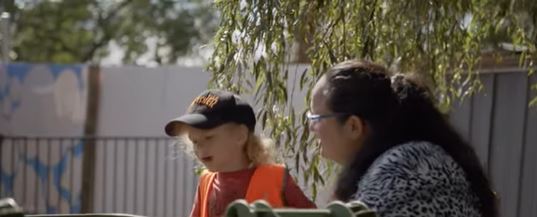
Intentional teaching
Intentional teaching within a play-based environment is associated with children’s greater progress and achievement.
Definition
Intentional teaching involves always thinking about what you are doing as a teacher and how it will support or enable children’s development and learning. It requires you to have an awareness of and to be deliberate, thoughtful, considered and purposeful in your teaching behaviours, actively planning and acting with specific goals or outcomes for children’ learning in mind.
It is important to note that developing a more intentional role does not demand didactic techniques, nor should teachers neglect to focus on children’s learning and their interests in favour of their own desired outcomes.
Relevance
Early childhood teachers have over 1000 interactions with children during a day, many of which are spontaneous and unplanned. Being intentional can help teachers make the most of these interactions. Intentional teaching techniques such as questioning, scaffolding and sustained shared thinking for extending children’s learning are found to contribute to greater learning and positive outcomes for children. Studies of well-resourced free play environments, on the other hand, suggest that free play does not regularly lead to sustained and meaningful encounters that support learning.
State of the evidence
There is an emerging body of research emerging in New Zealand exploring the extent of teacher’s intentionality in pedagogical decision-making, without, however, investigating the impact on children’s learning and achievement. A well-established body of literature from the UK highlights that intentional teaching practices such as sustained shared thinking, teacher planning of group work involving challenging activities, and teachers’ active involvement in play are associated with children’s greater progress and achievement.
In practice
Intentional teaching hinges upon teachers’ and families’ aspirations for children, and determining and clarifying these is the very first step of an intentional approach to teaching. Agreed priorities for children’s learning are then used to inform curriculum design, pedagogy, assessment, and evaluation, and to focus teaching and learning, interactions and environments. Intentional teachers might:
- sensitively observe children and intentionally plan to deepen, extend and sustain children’s interests
- organise and maintain the physical environment to ensure access to appropriate resources and optimal support for positive experiences
- create specific challenges and plan interactions designed to extend children’s capabilities and higher-order thinking skills
- model and demonstrate skills as well as provide specific direction or instruction
Guiding questions
- Do you agree and clarify learning priorities for the children in your setting?
- Do you plan a range of strategies to support child-initiated play and introduce teacher-initiated activities with specific goals for children in mind?
- Do you participate in child-initiated play activities with intent to extend specific learning?
- Do you plan for effective questioning of children to promote your desired goals?



Extending and challenging children’s thinking
In this webinar, Professor Amanda Bateman from Birmingham City University will explore the sequences of talk that occur during shared inquiry in early childhood settings, demonstrating how teaching and learning are co-constructed — one utterance at a time — between teachers and children.
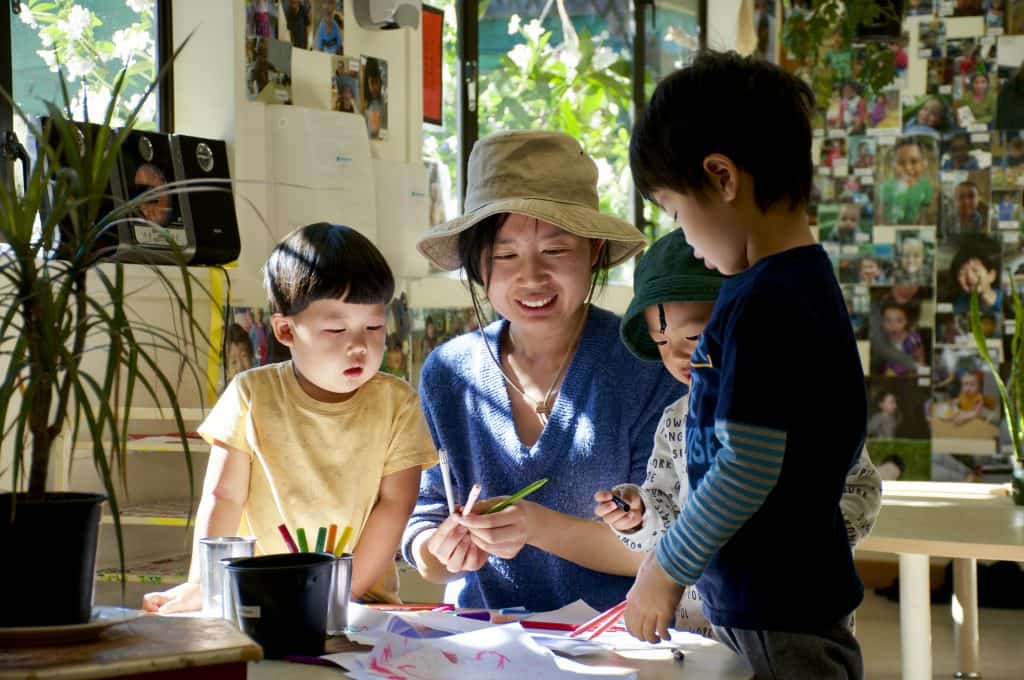
Intentional teaching and investigations; Daisies part two
Discover and learn about intentional teaching through the investigation process. Hear examples of investigations at Daisies, and what helped them flow.

Intentional teaching and sustained shared thinking
Sue Cherrington and Tara McLauglin discuss how early childhood teachers can be intentional in their teaching, with a particular focus on the concept of sustained shared thinking.
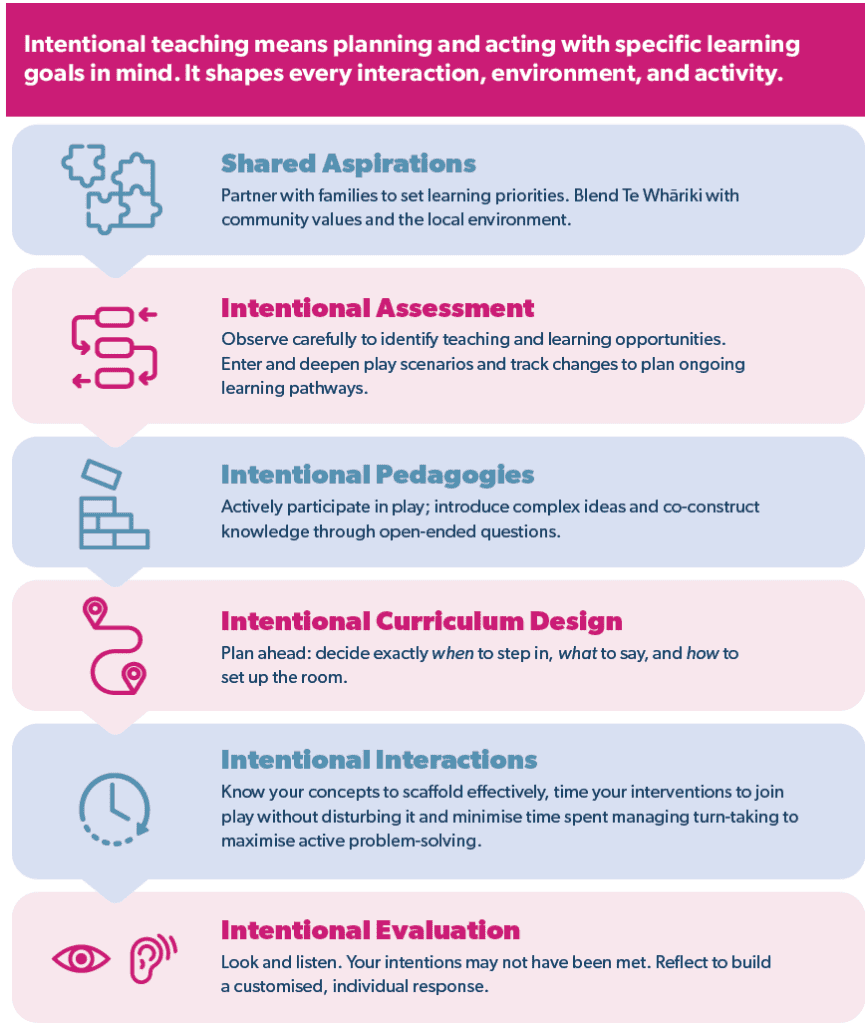

Key insights from conversation analysis for extending and challenging children’s thinking
Insights from a webinar with Professor Amanda Bateman.
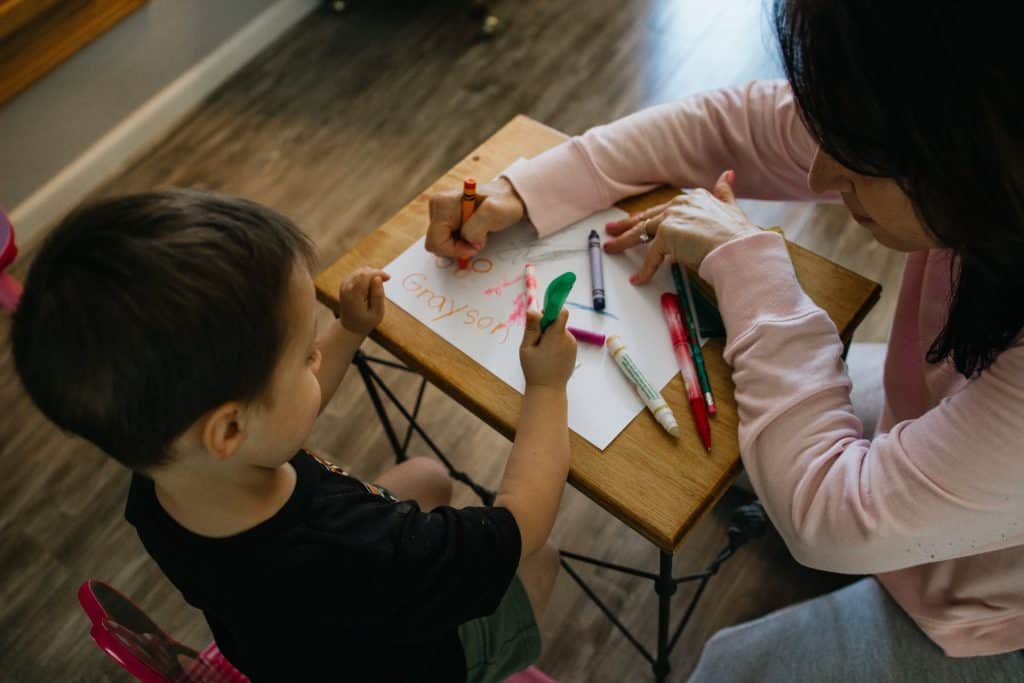
Intentional teaching using the practice of sustained shared thinking
Key insights from the webinar with Associate Professor Sue Cherrington and Dr Tara McLaughlin.

Intentional teaching and investigations
Key lessons from Anne Meade and Meg Kwan on designing an authentic, local curriculum