
Trauma-informed practice
It is estimated that a significant percentage of children and young people will experience at least one potentially traumatic event by the age of 16.
Definition
Trauma-informed practice does not mean that teachers are trained to treat trauma, but rather that they understand the wide-ranging impact that trauma can have on children, their development, their wellbeing, and their ability to learn and interact in early childhood settings.
Relevance
Traumatic experiences in childhood can impact a child’s mental, physical, social, or emotional wellbeing and their ability to function in early childhood centres and other settings. Exposure to trauma and adversity can have serious short- and long-term impacts for children and young people.
State of the evidence
Research is clear that exposure to trauma early in life can result in neurological, psychological, physical, social, and learning challenges across the lifespan. Recent research has also shown that, when teachers respond sensitively to the impact of trauma, it helps children to engage, gives them a sense of belonging, and helps to reduce disruptive behaviours.
In practice
It is important to ensure that teachers and leaders know about the prevalence and consequences of childhood trauma. The more that teachers know and understand about childhood trauma, the more confident and better equipped they are to appropriately support children who have experienced trauma.
Guiding questions
- How can we build teachers’ knowledge and understanding about childhood trauma?
- Do we have policies in place to support children who have experienced trauma?
- How can we support teachers to develop practices and approaches that are responsive to children who have experienced trauma?

Trauma-informed practices and pedagogies for early childhood teachers
A closer look at some of the ways that teachers can approach their practice in a trauma-informed way.
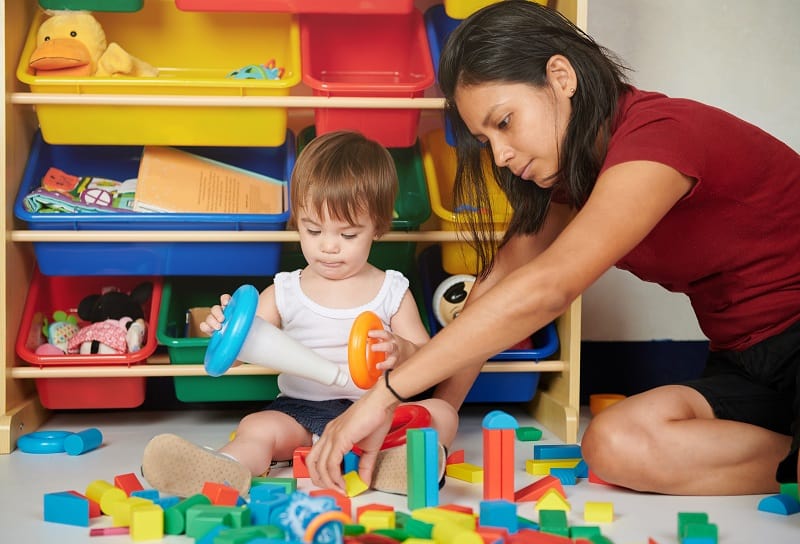
Trauma-informed practice in early childhood education
Taking a trauma-informed approach in early childhood settings.
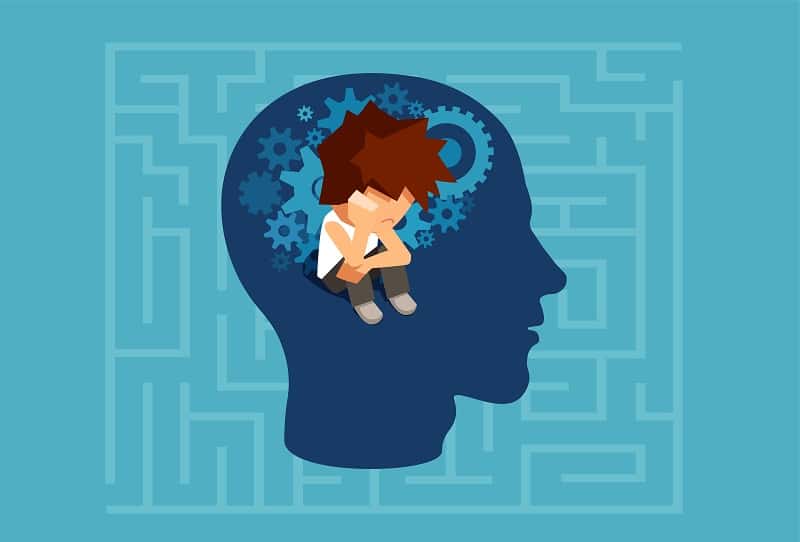
Childhood trauma and its impact
An introduction to childhood trauma and the serious and lasting effects it can have.

Trauma-informed practices for supporting children with challenging behaviour
With more children entering early childhood centres with complex needs, this webinar with Lucy Wood will support you to transform challenging moments into opportunities for growth, resilience, and connection, and to create safe, supportive environments that promote the wellbeing of both tamariki and kaiako.

Using trauma-informed practices to support neurodivergent students
Tami Harris of Acorn Neurodiversity explores how using a trauma-informed lens to support neurodivergent students in school settings can help teachers to mitigate challenges

Teachers supporting children, whānau, and communities post-disaster
Professor Carol Mutch (University of Auckland) shares her research from over 12 years of supporting schools through different disasters and crises both in Aotearoa and the wider Asia-Pacific
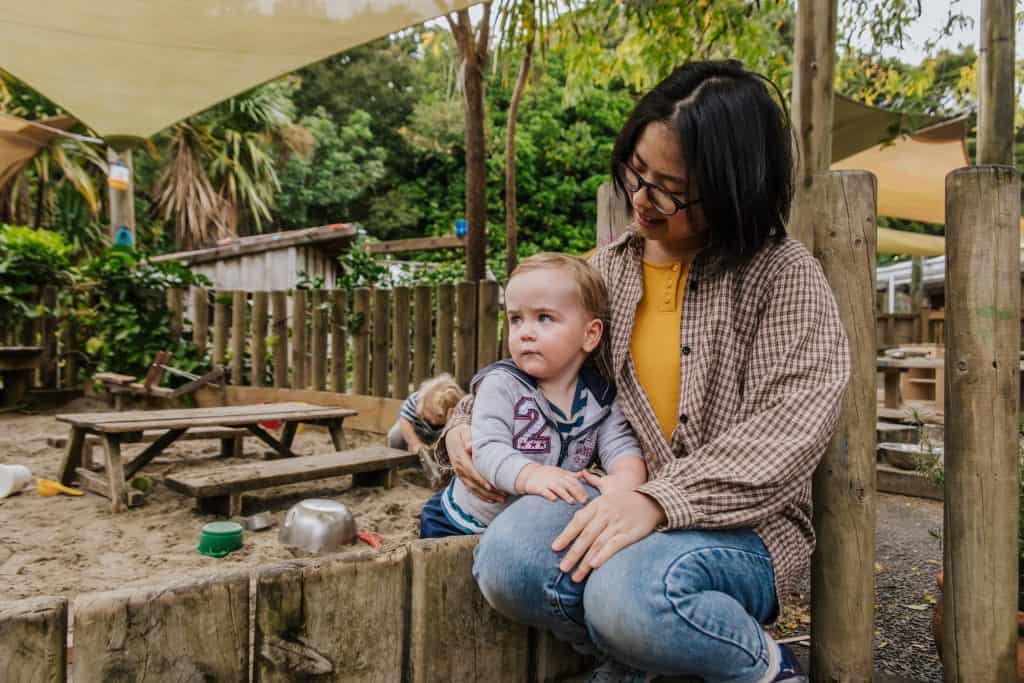
Trauma-informed early childhood education
Caring and trauma-informed approaches can make a world of difference to young children, their wellbeing, and their learning.


Understanding trauma and how it can influence behaviour
Key insights from a webinar with Lucy Wood.
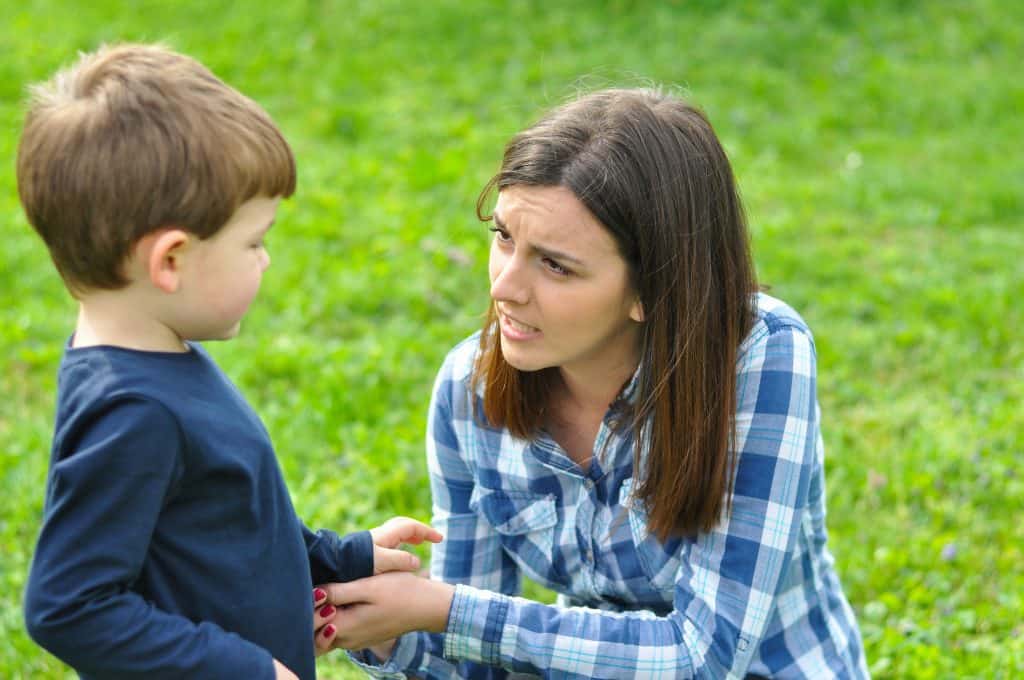
How trauma-informed practices can support neurodivergent and trauma-affected children
Key insights from a webinar with Tami Harris from Acorn Neurodiversity.

The vital role of schools and teachers in helping communities respond to disasters
The key insights from our webinar with Carol Mutch on schools' responses to disasters and traumatic events.

Caring and trauma-informed approaches can make a world of difference to young children’s wellbeing and learning
Key insights from our webinar with Madeleine Dobson on social justice and trauma-informed practice in early childhood education.