Bullying
A shared understanding of bullying, and a consistent approach to addressing and preventing it, is important for all teachers.
Definition
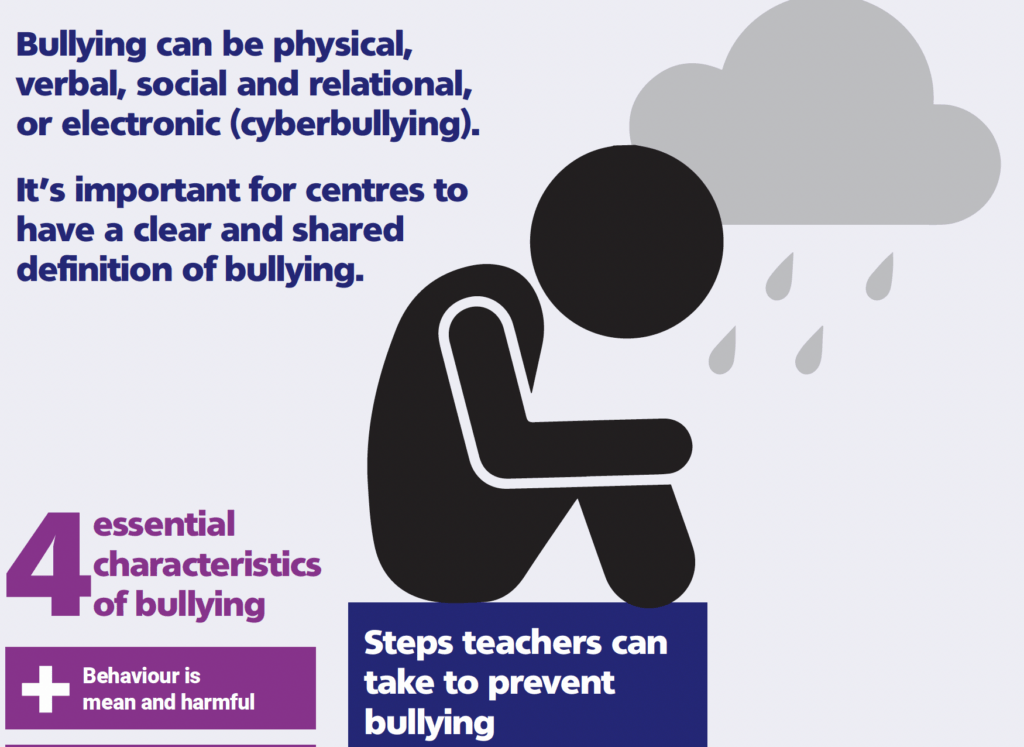
Bullying is a form of mean, hurtful behaviour with four essential characteristics:
- it is mean and harmful
- it is repeated, persistent and ongoing
- it is carried out on purpose with the intent to cause harm, fear, or distress
- there is a perceived or real power imbalance between the perpetrator and victim
Not all aggressive or harmful behaviour is considered bullying, and it is important to use the term carefully and accurately. Bullying evolves through childhood and can take a number of forms, including physical, verbal or social bullying as well as cyberbullying.
Relevance
New Zealand has one of the highest reported rates of bullying among OECD countries. In order for teachers, early childhood centres, schools and communities to identify and implement appropriate strategies and interventions to address and prevent bullying, a consistent approach to defining and understanding bullying is essential.
State of the evidence
Bullying is known to have serious immediate, short- and long-term physical, social, emotional and psychological impacts, and ongoing harmful behaviour has been shown to impede the healthy development of a child. In addition to the risk of physical injury, bullying can lead to a lack of social connection, lowered self-esteem, anxiety and depression. It also has an impact on children’s learning. Bullying is not a normal part of childhood and children do not go through a bullying ‘phase’.
In practice
All adults are crucial in creating and maintaining a safe and supportive environment. It is important to establish a shared understanding of bullying and how best to respond, so that everyone is looking for the same types of behaviours before labelling a person as a bully. Incorrectly labelling a child as a bully can also lead to stigmatisation and harm. Adults play an important role in responding to and intervening in bullying behaviours, and it’s important that adults are aware of the signs that could indicate a child is being bullied.
Guiding questions
- Does your centre have a shared understanding of the nature of bullying behaviours?
- How confident do you feel to identify genuine bullying from other forms of mean or aggressive behaviour?
- How confident do you feel to intervene in, respond to and prevent bullying?

Aggression and bullying in early childhood
How to tell the difference between aggressive and bullying behaviours in young children, and strategies for addressing and preventing bullying in early childhood education.

What is bullying?
A guide to understanding what differentiates bullying from other mean and hurtful behaviours, and myths about bullying busted.