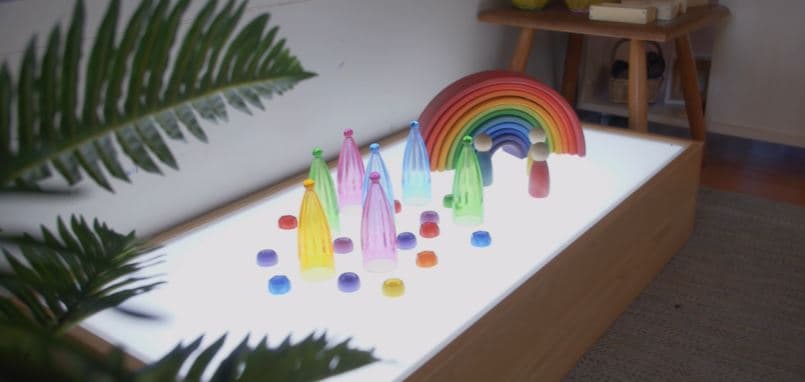
Indoor spaces
The design of indoor spaces in early childhood settings supports the learning and wellbeing of both children and adults.
Definition
Indoor spaces in early childhood settings are used for a wide range of activities and experiences including many different types of play as well as sleeping, eating and nappy changing. It is important to consider how to use design to ensure these spaces fully support the experiences of both the children and the adults using them.
Relevance
The design, layout and organisation of indoor spaces in early childhood education can influence the types of learning and experiences that children will have in those spaces, and affect the health and wellbeing of both children and adults. It is important to consider these factors at the design stage of a new early childhood centre or when renovating and retrofitting an existing centre.
State of the evidence
There is a growing body of evidence regarding the importance of providing lighting, heating, ventilation and noise control measures that meet or exceed minimum required standards. The impact on the physical health of adults who are required to use furniture and other equipment that places a strain on their back and joints is also well documented. Currently, there is only preliminary research exploring other dimensions of indoor space.
In practice
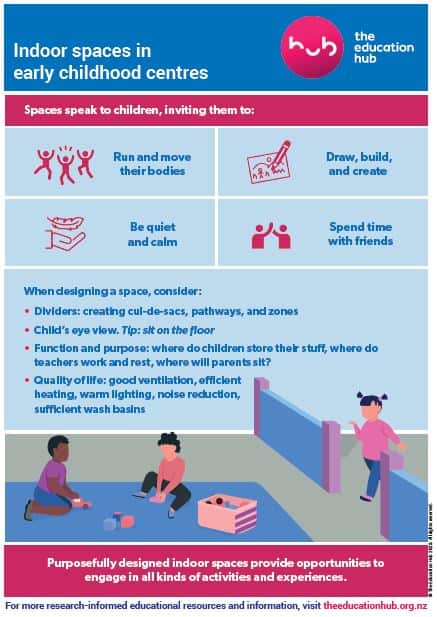
Consider the ways in which your indoor spaces create affordances for a range of different types of activities and experiences, and look for opportunities to use the existing space to maximise the potential of spaces for quiet, restful time, messy play, positive sleeping and waking experiences, and the other experiences that are important in your setting. Review key infrastructure such as heating, lighting and ventilation to look for potential improvements in terms of both experiences and wellbeing. Consider whether the furniture and non-contact space provided for teachers could be improved to further promote health and wellbeing. Look at the spaces you have provided for parents and whānau to determine whether or not they support positive transitions and strong relationships between the setting and home.
Guiding questions
- How do the indoor spaces at your setting promote and support a range of meaningful experiences and learning opportunities for children?
- How can you create protected spaces for cosy, restful experiences as well as a range of different play activities?
- How well do your heating and ventilation systems contribute to a healthy environment?
- How well do the furniture and equipment used by adults in your centre support their physical wellbeing?
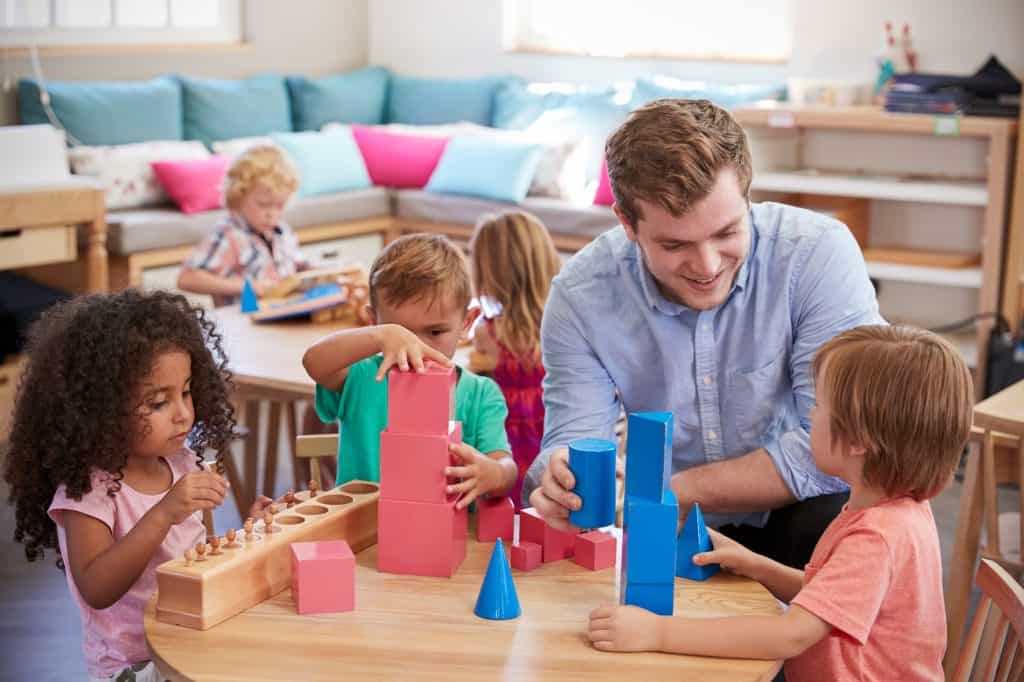
Designing indoor spaces for living and learning in early childhood education
A guide to some key considerations when designing and adapting indoor spaces in early childhood settings.
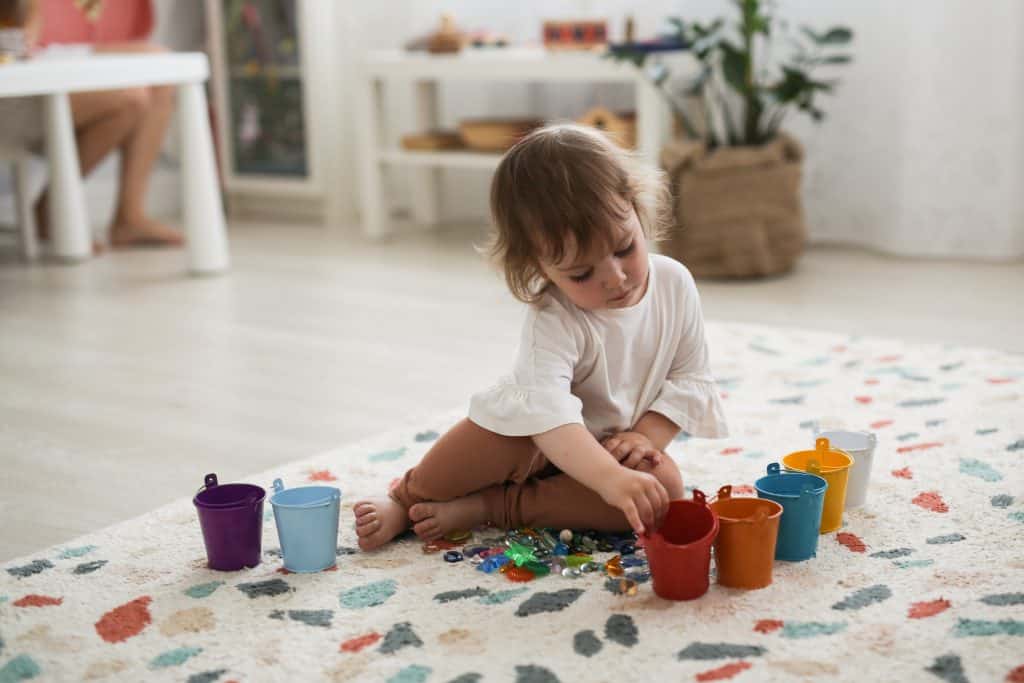
Materials for play: Infants and toddlers
A short guide to using loose parts to enrich the play of infants and toddlers.
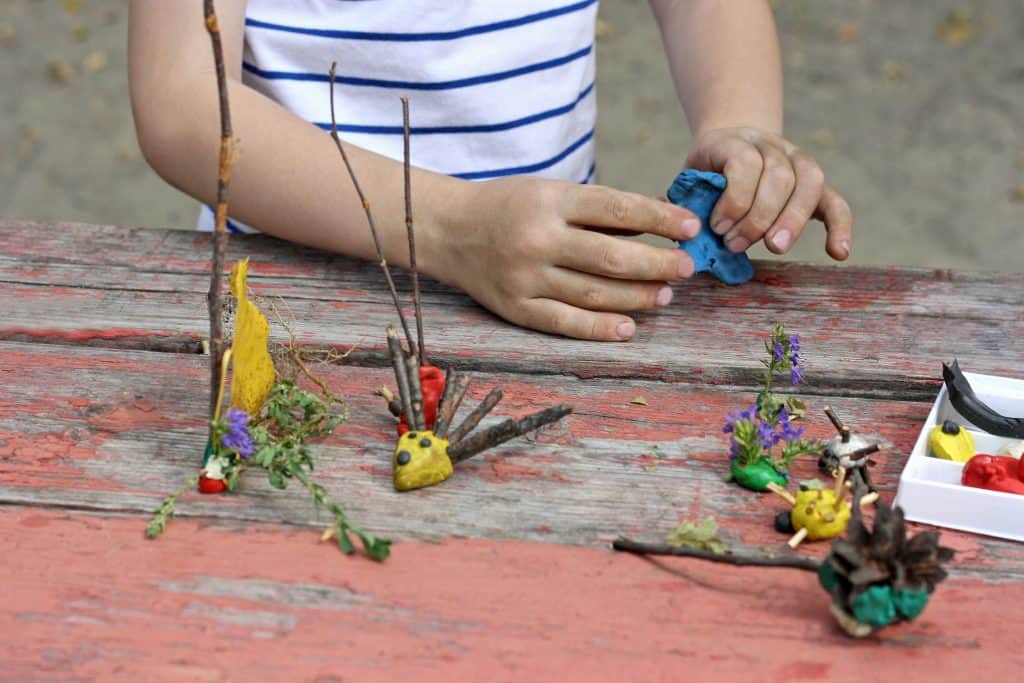
Materials for play: A short guide to selecting loose parts
How to choose loose parts to afford a wide range of possibilities for play and exploration.
Materials for play: Why open-ended loose parts are important
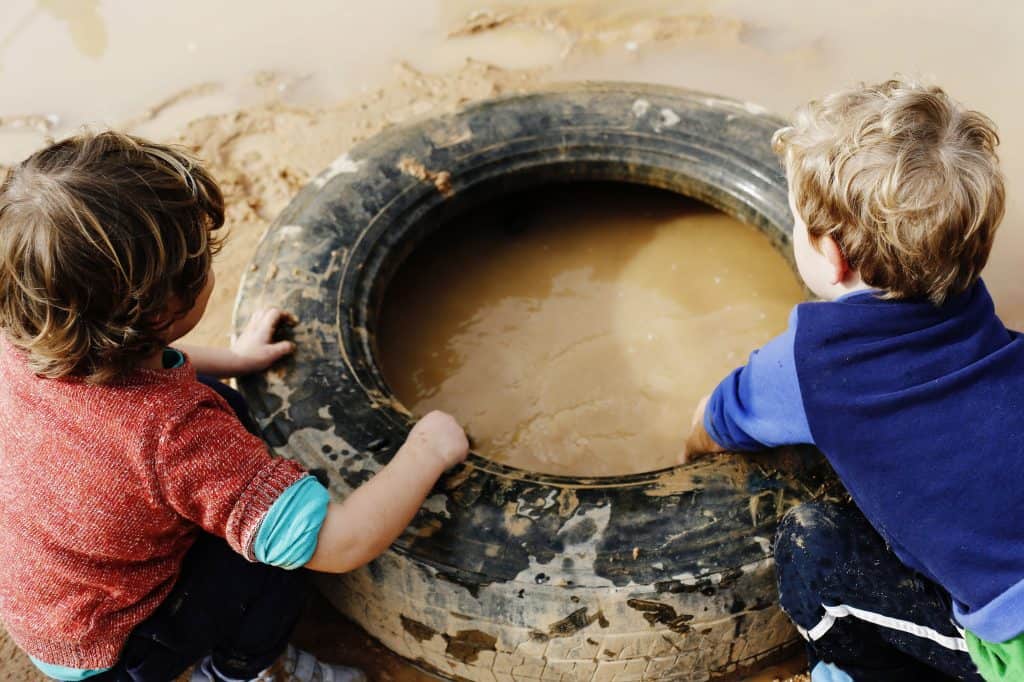
An overview of the research on loose parts and their known and theorised benefits, and how to inquire into and improve on your loose parts provision.