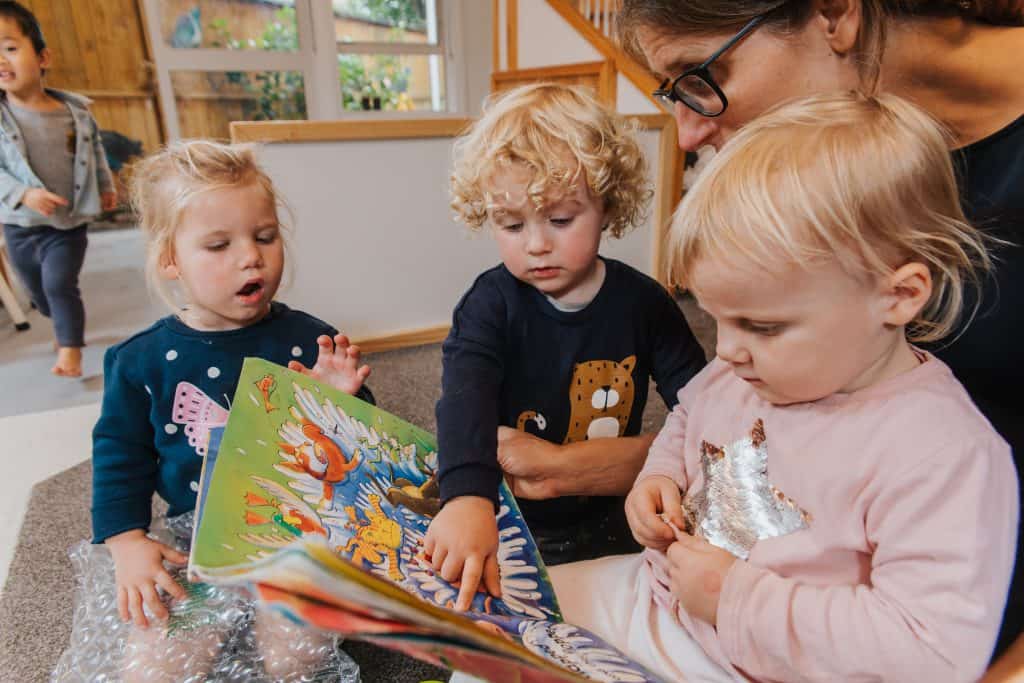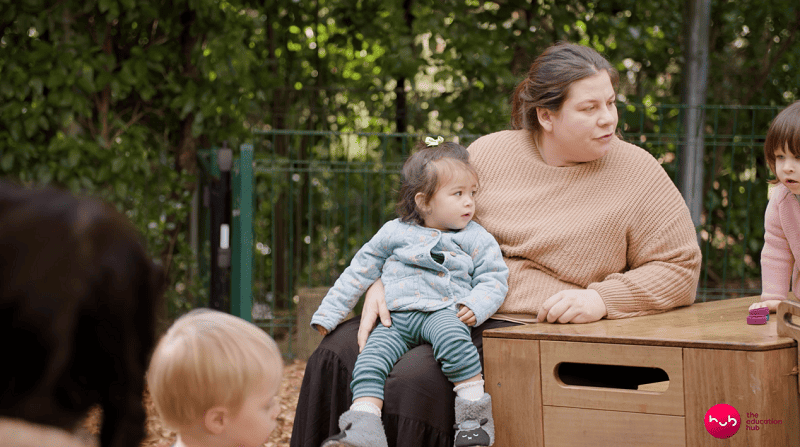
Early literacy
Teachers in early childhood settings can foster early literacy learning to support children’s journey towards becoming literate adults
Definition
Literacy can be defined as the ability to identify, understand, interpret, create, communicate and compute using printed and written materials associated with varying contexts. The development of literacy, often referred to as early or emergent literacy, begins from birth, well before children formally learn to read, write or talk.
Relevance
Teachers can provide a range of experiences that support children’s developing literacy skills and their progression towards valued learning outcomes in the early childhood setting, as well as helping to prepare them to start school. Early literacy understandings children need to develop include: strong oral language; alphabetic knowledge; phonological awareness (being aware of sounds in words); the ability to rapidly name letters, numbers, objects, and colours; the ability to write their own name; the ability to remember spoken information for a short period of time; the ability to match and discriminate visual symbols; and an understanding of print conventions and concepts.
State of the evidence
There has been considerable research over the last 30 years into early literacy, which has identified that the stronger children’s understandings from their experiences in homes and early childhood settings are, the more readily they learn to read and write. The research is clear that early childhood teachers can make a big difference to children’s literacy development. This is particularly important for those children who may not have families who are able to offer a rich language and literacy environment in the home. There is also a growing body of research on how to assess literacy acquisition both prior to and after school entry.
In practice
- Involve families by including suggestions for literacy activities in the newsletter that goes home to families
- Use nursery rhymes to promote phonological awareness
- Encourage alphabet awareness and knowledge of beginning sounds
- Use story book reading to promote knowledge about language
- Encourage children to recognise and write their own name on name boards and artwork
Guiding questions
- How can we intentionally support and promote children’s alphabetic knowledge and phonological awareness?
- How can we use a range of books and stories to build children’s enjoyment of reading and knowledge of language?
- How can we involve families in supporting emergent literacy at home?
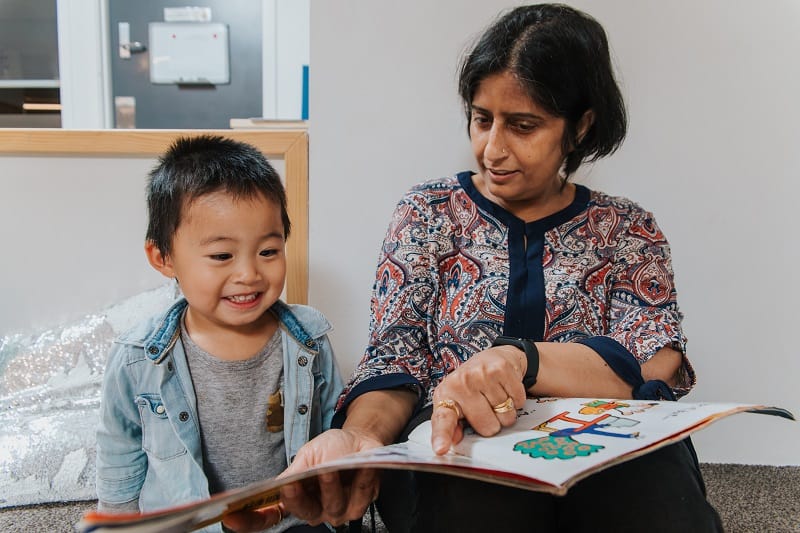
The role of stories in literacy development
The importance of stories for literacy and identity, and the many ways to share stories in early childhood education.
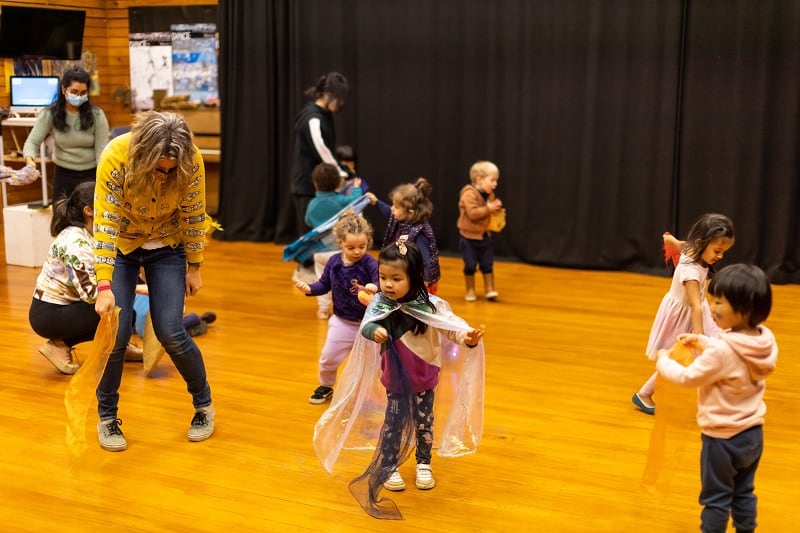
Embodied literacies in early childhood environments
An introduction to the various embodied and nonverbal modes that young children use to communicate.

Fostering early literacy in early childhood settings: principles, practices, and progression
An introduction to the research on supporting and promoting early literacy in early childhood settings, along with strategies for practice.
An introduction to supporting early literacy
An introduction to early or emergent literacy and how early childhood teachers can support its development in young children.

Literacy practices, language, and friendship in early childhood education
Dr Rebecca Hopkins supports teachers to broaden their conceptualisation of literacy, and their intentional practices
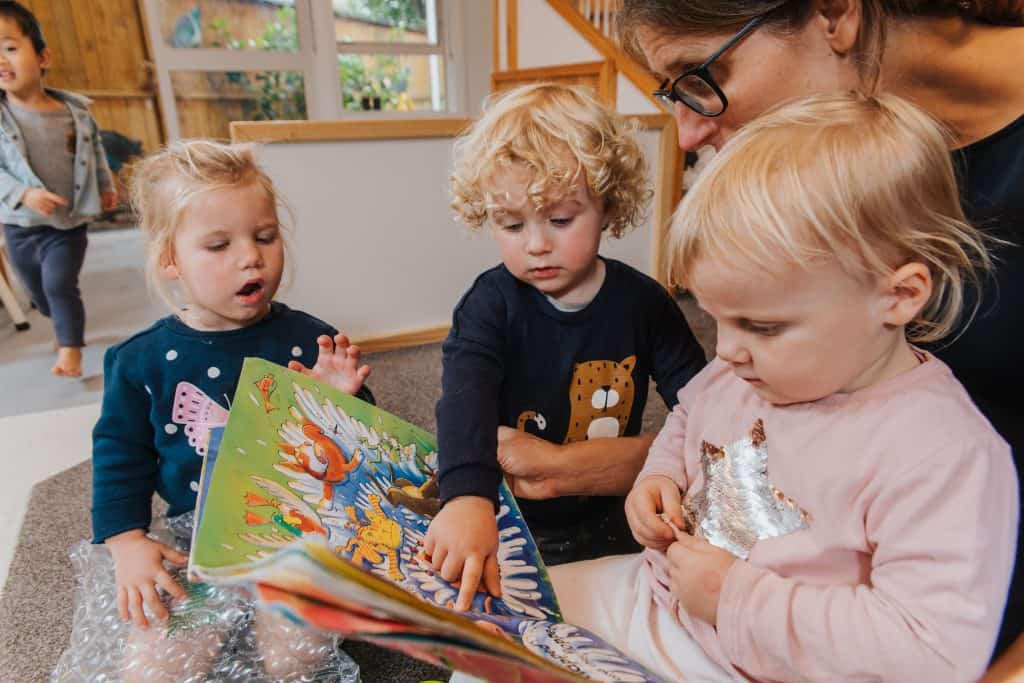
Fostering literacy in early years settings
Claire McLachlan from Federation University Australia explores how literacy can be fostered in early childhood settings.

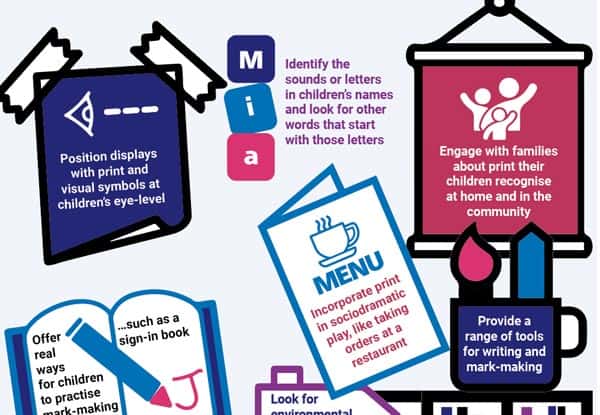
Supporting print awareness in early childhood environments
Strategies for promoting awareness of print in early childhood education.
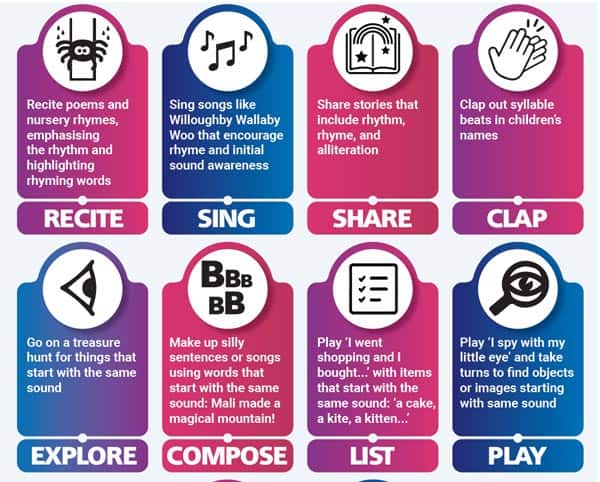
Supporting phonological awareness during everyday play and conversations
How to support phonological awareness in early childhood settings.
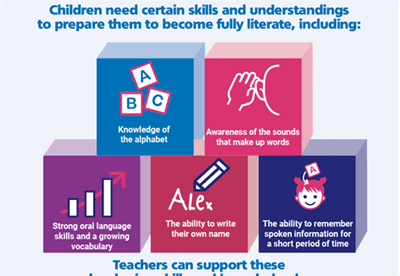
Early literacy infographic
The building blocks of early literacy and how teachers can support its development.