
Child development
It is important for early childhood teachers and leaders to have a sound understanding of the key aspects of child development, and what they mean for early childhood education and care provision.
Definition
A child’s brain grows rapidly in the early years, starting before birth and continuing into early childhood. This means that, while the brain continues to develop and change into adulthood, the first 8 years of a child’s life build the foundation for their future success in terms of health, education, and life more broadly. How well a child’s brain develops depends on their genes as well as other factors including proper nutrition and their experiences and interactions with other people and the world. Nurturing and responsive care for a child’s body and mind is the key to supporting healthy brain development.
Relevance
The early years of a child’s life are very important for their health and development. Healthy development means that all children have their social, emotional, and educational needs met. Safe, caring environments and strong, reciprocal relationships are essential to a child’s healthy development. Proper nutrition, exercise, and sleep also can make a big difference.
State of the evidence
There is an extensive body of evidence that establishes what is required for a child’s healthy physical, cognitive, emotional, and social development.
In practice
Some of the factors that have been demonstrated to support healthy development in children include responding to children in a predictable way, showing warmth and sensitivity, and having routines and rules. Sharing books and talking with children, promoting movement and exercise, and following effective nutrition and feeding practices also contribute in important ways. Being aware of developmental milestones, which give a general idea of the changes to expect as a child gets older, is also useful, although it is important to remember that all children develop at their own pace.
Guiding questions
- How can we ensure our environment is safe, caring, and warm?
- How can we ensure responsive, reciprocal interactions with all children?
- How do we support a range of movement and physical activity?
- How well do our feeding practices support nutrition and positive body image?
- How can we provide lots of opportunities for talk and sharing stories?

Neuroscience and neuromyths in early childhood education
This webinar with Professor Kate Williams provides early childhood teachers with evidence-based guidance to navigate neuroscience in education, distinguish fact from myth, and strengthen professional practice.
Establishing positive educational trajectories in early childhood education
Professor Claire McLachlan and colleagues share their project exploring how early childhood settings can inspire positive educational trajectories among young children
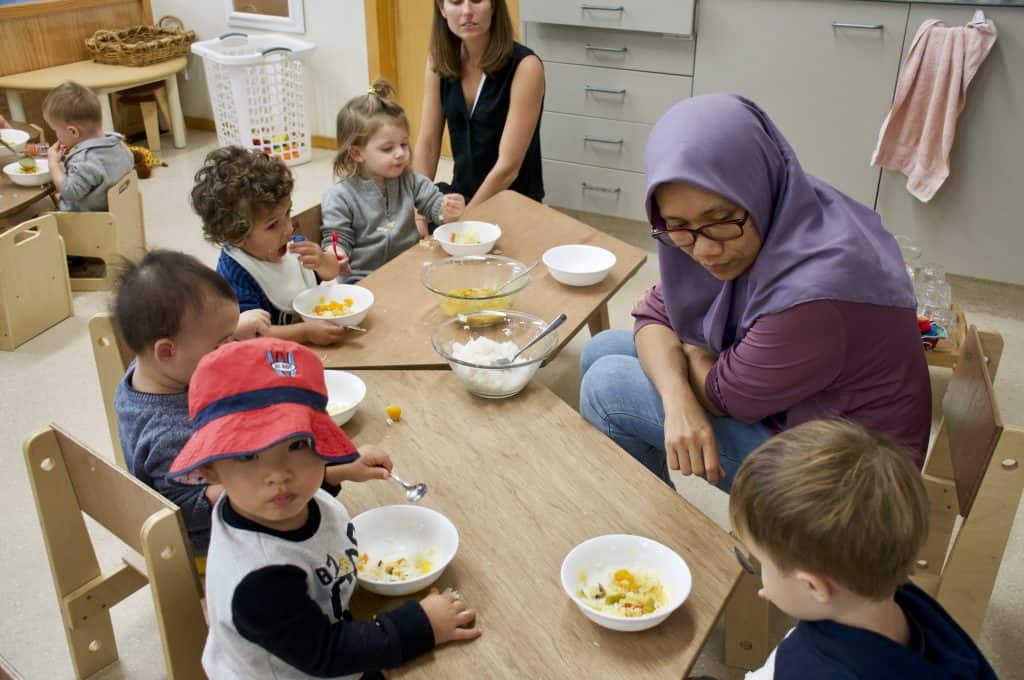
Supporting positive food environments in early childhood settings
Gabrielle Orr discusses the research into effective nutrition and feeding practices that support children to develop a positive relationship with food and their bodies.
Distinguishing neuroscience from neuromyth in early childhood education
Key insights from a webinar with Professor Kate Williams from the University of the Sunshine Coast.

Inspiring children’s career aspirations and building knowledge about the world of work
Key insights from the webinar with the Possible Me research team.
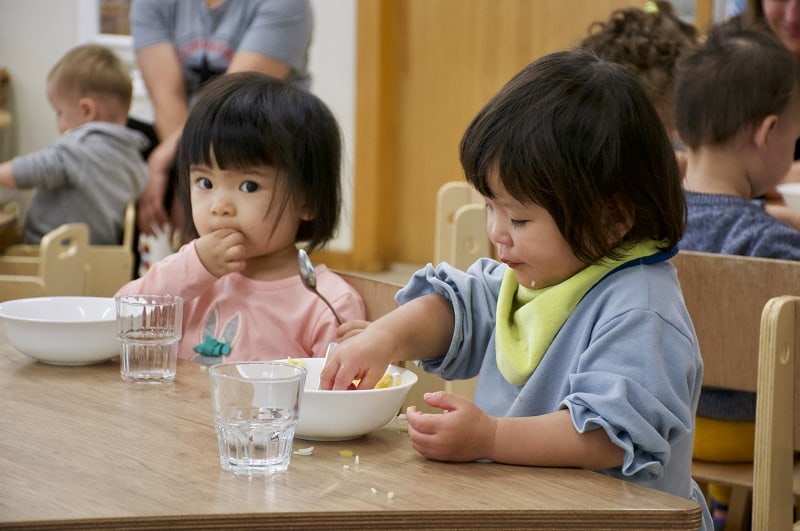
Positive eating practices for supporting children’s healthy relationships with food
The key ideas and strategies from our webinar with dietitian Gabrielle Orr.