
theteam@theeducationhub.org.nz
Postal Address
The Education Hub
110 Carlton Gore Road,
Newmarket,
Auckland 1023
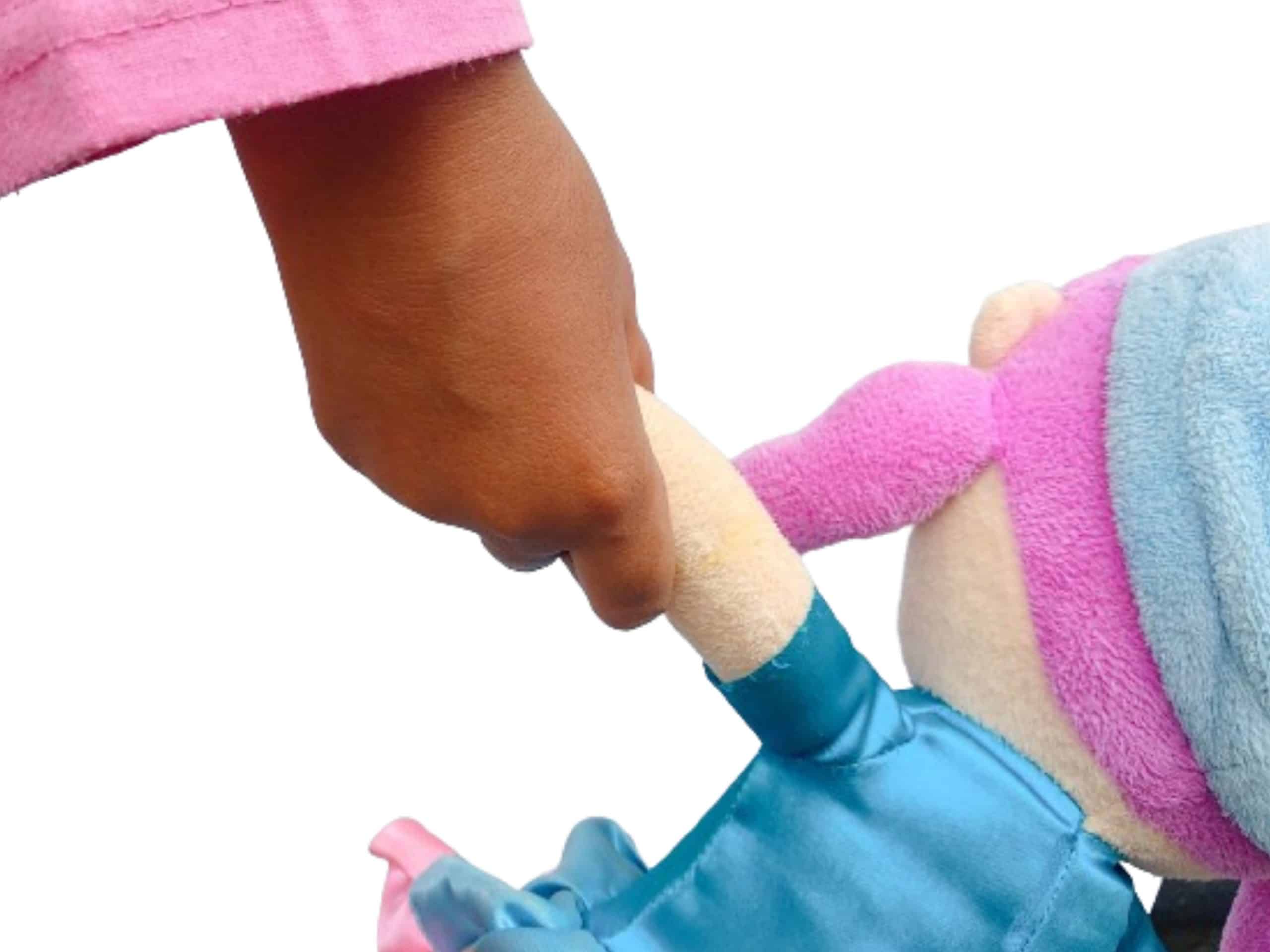
In our webinar, Dr Sonya Gaches from the University of Otago explored how objects associated with home serve as holders of narratives that create a sense of belonging for children and connect them to their histories, their people, and their stories. An understanding of the potential of objects from home in the early childhood setting is related to the importance of listening deeply to tamariki and their many related rights.
The key ideas explored were:
Belonging is crucial to children’s sense of well-being. Children’s belonging is promoted when children experience their early childhood setting as a safe and secure space in which they are treated with respect and their diversity is valued. Belonging can also support children to foster learning dispositions such as curiosity and courage, which enable them to take an interest in their environment, and to explore and make sense of their experiences (to learn!). Belonging depends on teachers knowing children well so that they can offer an inclusive curriculum which accepts children for who they are, offers them meaning and purpose, and enables them to make valued contributions.
Belonging is strongly related to children’s recognition that their unique identity, related to their languages, cultures, family histories, and their stories, is valued and welcomed in the setting. Children bring their evolving identities to the early childhood setting, and as children learn about other people, places, and things, they have multiple opportunities to shape and mould their identities in new ways. Stories are important here because they shape how people make sense of the world. These stories include stories we tell about ourselves, stories other people tell about us, and stories we tell about the world and our experiences that help us make sense of and understand who we are and how the world works. Learning stories, printed out in portfolio books, are a wonderful example of collections of stories about children’s identity.
Children’s things from home can carry many stories that are integral to children’s identity. When children bring things from home, they bring part of who they are, offering an amazing opportunity for teachers to develop important relational knowledge about children. For example, a ‘lovey’ belonging to a child will have stories of significance attached to it, about why it was that that particular toy became the child’s lovey, or who it was that gave them the lovey, why it is important to the child, and what kind of adventures it has been on with the child. Something brought from home might also be connected to important funds of knowledge for the child and their family. When children bring an item connected to their funds of knowledge into the setting, they are bringing that knowledge, and those people connected to that knowledge, with them.
Pedagogies of deep listening are needed for teachers to really understand what children have brought from home, why, and when they use them during the day. For example, children may want their special toy to help them regulate, or to broker a friendship with someone else. When teachers take the time to stop and listen to why the child brought an item in, they enhance the child’s emotional safety and sense of belonging, and enact a deep relational engagement with children that is at the core of effective early childhood education and care. Children and their families may use special language to talk about important toys, and when teachers demonstrate their ‘insider’ knowledge of children’s unique names for their special toys, they create deeper bonds of familiarity with children.
Things from home can become a vehicle for teachers’ understanding and engagement with children which can support them to provide meaningful and purposeful learning experiences for children that go beyond surface level interests. A car tucked into a child’s pocket may be connected to something they were playing at home that the child wishes to continue in the early childhood setting, or it might be connected to the working theories they are currently exploring. Interactions around things from home build teachers’ relational knowledge of the child, so that teachers come to understand how what children bring from home relates to the stories they want to tell, to their learning and how they are exploring the world, and to their sense of belonging and capacity to participate in the early childhood setting.
Things from home offer opportunities for teachers to build children’s language and communication skills. Bringing something from home serves as a non-verbal act of communication in itself, but children may also choose to tell the stories of why they brought these objects. In fact, favourite objects from home can be considered oral language devices! Things from home are usually things children want to talk about, with teachers perhaps just needing to ask questions to get them started. Sometimes children can communicate messages through their things from home that they can’t convey more directly. Children might also tell imaginary stories about their objects from home, and teachers can even help children create books about the special toys with photos or children’s drawings, offering meaningful literacy practices and purposeful engagement with print and text.
Supporting children’s intentions to bring things from home into the setting upholds children’s rights. Things from home are carriers of children’s right to their identity (Article 8 of the United Nations’ Convention on the Rights of the Child), and bringing and using things from home in the early childhood setting is an important part of children’s right to their voice, and their right to have their interests, connections, and perspectives being given due consideration (Article 12). When children use things from home to communicate ideas, they are enacting their right to express themselves in ways that are meaningful to them (Article 13). Things from home can support children’s rights to relax and to play (Article 31), as well as their right to an education that develops their talents, abilities, and interests (Article 29). Children’s right to privacy (Article 16) may also be relevant. This means respecting that children may not want to ‘show’ things from home in a public forum, such as a circle time with the whole group, but just with a favourite teacher.
It is important to plan for the management of things from home in the setting. This means thinking about how things from home might support and align with local priorities for learning, as well as how teachers and children might manage things from home in the space. Teachers can have concerns about precious toys getting lost, stolen, or damaged, or that things from home will distract children from the learning opportunities available in the setting. Teachers and children need to talk about where they might keep special things so they are safe, but also accessible when needed. When teachers show respect for children who choose to bring things from home into the setting, and demonstrate interest in those items, they provide a model for other children and whānau which can, over time, create a culture of sharing stories and things from home in the centre.
Access to things from home is important for children’s development of self-regulation. The difficulties that do arise with special things from home also can be seen as promoting children’s resilience and skills in problem-solving and negotiating. Part of planning can involve thinking through some ‘what if?’ scenarios (What if it falls in the mud? What if we lose it?), and, if they occur, teachers have an opportunity to empathise with children’s distress and to support them to come up with solutions. Helping children to deal with the childhood traumas of lost and damaged objects creates experiences of resilience that children can draw upon in future.
Further resources
Bruner, J. (1991). The narrative construction of reality. Critical Inquiry, 18(1), 1-21.
Carr, M. (2006). Learning dispositions and key competencies: A new curriculum continuity across the sectors?. Early Childhood Folio, 10, 21-27.
Carr, M. & Lee, W. (2012). Learning Stories: Constructing learning Identities in Early Education. Sage Corwin.