
theteam@theeducationhub.org.nz
Postal Address
The Education Hub
110 Carlton Gore Road,
Newmarket,
Auckland 1023
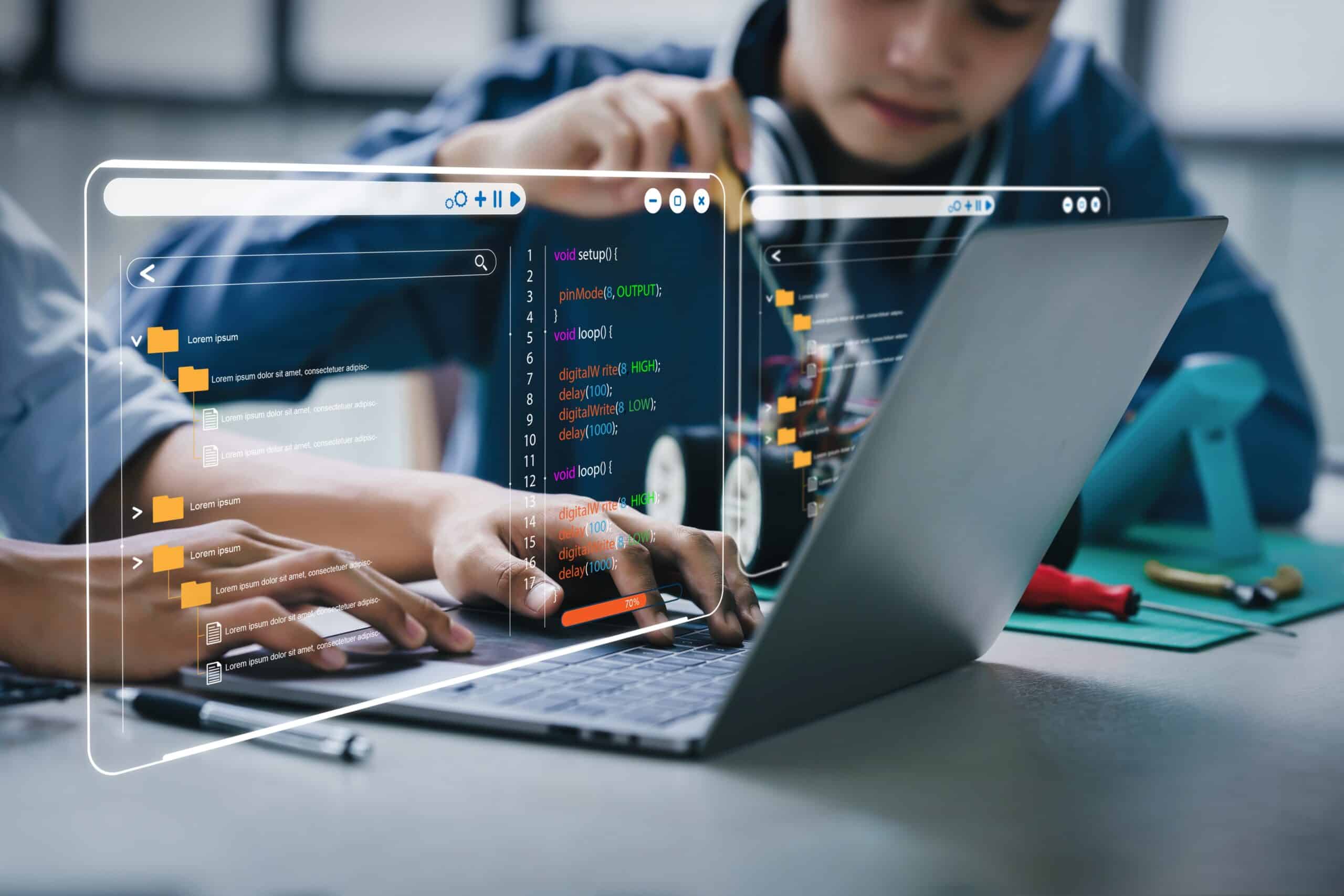
In a webinar, Professor Rebecca Eynon of the University of Oxford discusses her extensive literature review into technology and inequality. Four main themes emerged from the literature: digital equity, data-driven technologies, socio-technical interaction, and equity-oriented pedagogies.
The key insights she shared under each theme are as follows:
Digital equity: This used to be understood in a very simplistic, binary way – some people had access to devices and the internet, and some people did not. However, since 2000 (barring a regression during the pandemic) the understanding of digital equity has become more nuanced, with a greater understanding that there is more to digital equity than just access. For example, people need to know how to use technology, require ongoing funds to continually pay for internet access, and need the right device rather than just any device.
Perhaps unsurprisingly, the research shows that digital inequities echo other societal inequities along race, gender, and disability lines, and further entrench them. Access to technology correlates with better results for students, although Rebecca warns against the belief that access alone has that result, as technology’s impact depends on how it is used. Digital inequity is also not just at the student level but also the school level, affected by purchasing power and decision making. However, when schools are able and choose to invest in technology, it can, alongside libraries, be a compensatory agent for digital inequities, giving opportunities to students who might otherwise miss out. It should be noted though that access through public places comes with a loss of privacy and other constraints, such as time limitations, not faced by those with technology available in their home.
Data-driven technologies: These are touted as being able to address equity concerns through aspects such as personalisation, predictive analytics, and early interventions. However, the research suggests that this intention is not always played out in reality. Instead, biases are written into artificial intelligence and can have a real-world impact on students. For example, facial recognition software has a harder time recognising darker skinner people, and exam proctoring software has a tendency to flag behaviour that is not neurotypical.
The research has identified a few different areas of concern:
Socio-technical interaction: There was not a great deal of literature under this topic and the majority of it was from the USA. In fact, the research on this theme raised more questions than it answered, such as:
For this reason, this area is the focus of ongoing research. However, this section did show that schools in different socio-economic areas used technology differently. In low socio-economic schools, technology was predominantly used for drill and practice, whereas in higher socio-economic schools it was used to empower students for self-directed learning.
Equity-oriented pedagogies: This theme included a diverse range of papers that looked at ways to make learning environments more equitable. It was composed of a range of topics including:
You can learn more about the project informed by this literature review here.