
Nature play and STEAM
08 Sep 2025
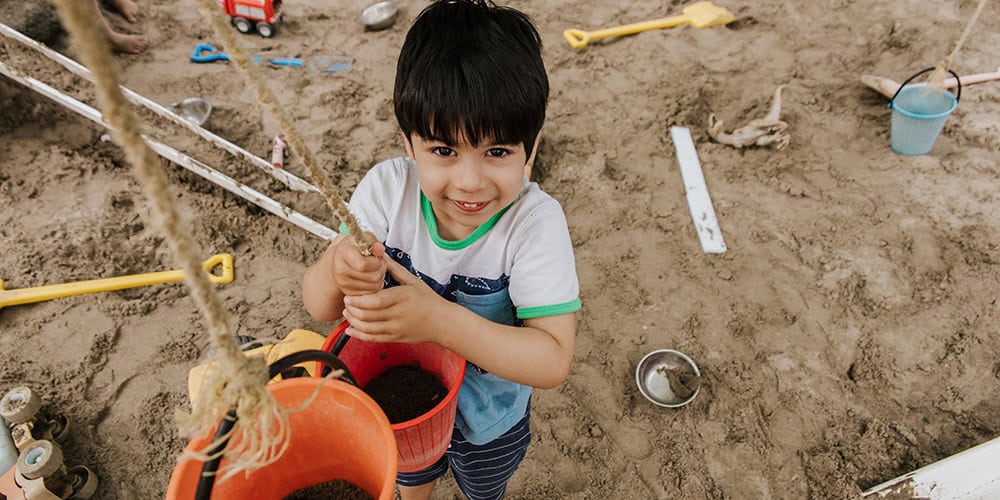
Learning and playing in natural spaces both inside and outside early childhood settings are increasingly promoted as valuable for children’s education. With opportunities to extend learning outcomes related to STEAM [Science, Technology, Engineering, Arts, and Mathematics] and the Exploration strand of Te Whāriki by going outdoors, our webinar with Professor Karen Malone encourages teachers to consider their role in children’s encounters with nature and nature play.
Engaging with the stories of Karen’s recent forays into the outdoors with children, and also drawing on her recent research, there is also an opportunity for teachers to reflect on and be attentive to the ethics of multi-species engagement. Karen shares how pedagogical practices such as ritual and gratitude, paying attention, attuning to nature, and documenting experiences through shared visual diaries, can help teachers notice and respond to the tensions and challenges that sometimes arise as they seek ethical ways to engage with the outdoors.