
theteam@theeducationhub.org.nz
Postal Address
The Education Hub
110 Carlton Gore Road,
Newmarket,
Auckland 1023
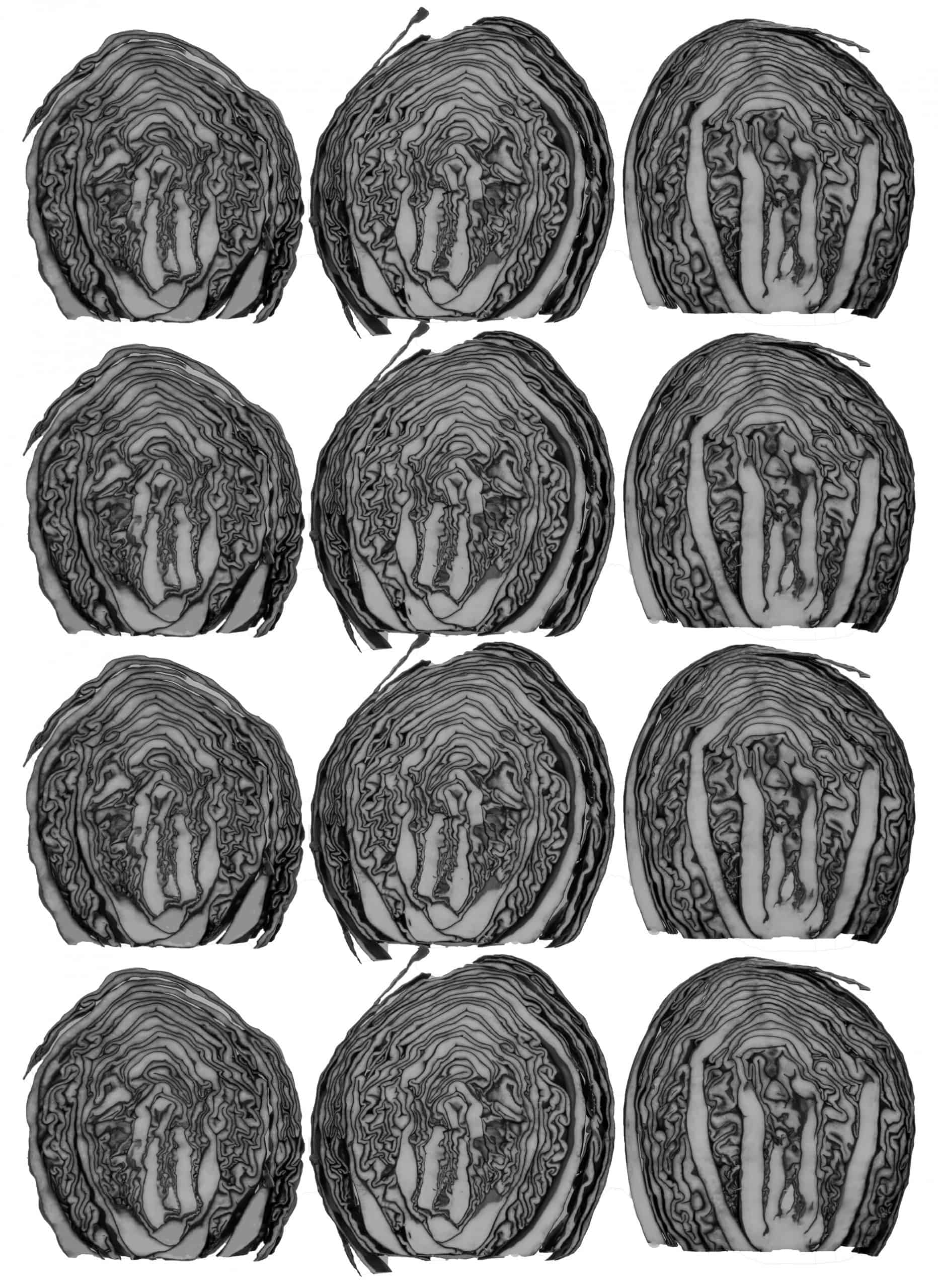
Summary: a fun experiment using red cabbage water as a pH indicator to test the acidity or alkalinity of liquids, with surprising results
Set-up: 10 mins preparation, 30 mins until ready
Play: 30 mins – 1 hour
Complexity: Medium
Plus various liquids and substances to test such as orange juice, fizzy drinks, soap / dishwashing solution, tomato juice, honey, milk, coffee…
Cut up the cabbage and boil in a saucepan for 5 minutes, then take off the heat and let it rest (and cool) for 30 minutes. Talk to your child about pH as a measure of how acid or alkaline something is. What is an acid? Talk about things like vinegar or lemons, things that your child may recongise as having a sour or sharp taste. Depending on the acidity / alkalinity of the liquid, the cabbage water will turn various shades of pink, purple or green.
Drain the cabbage, retaining the water. Pour small amounts of the purple water into several different jars or tall glasses. Now try adding the other substances and watch what happens. Add lemon juice to see the purple water turn red – this is because the lemon is acidic. Try adding vinegar to another jar/glass. Add a spoonful of bicarbonate of soda to a different jar / glass of cabbage water – watch it turn red. This is because bicarbonate of soda is alkaline.
Proceed to test other liquids and substances in your kitchen, encouraging your child to make a prediction about what will happen when they add they to the cabbage pH indicator. Encourage them to notice differences and make comparisons, for example, “that did not turn as red as when we added the lemon juice, what do you think that tells us?”
Make a list or chart of your results – can your child try to order them from most to least acidic?
Make your own pH indicator strips by soaking strips of coffee filter in the cabbage water, then hanging them to dry.
By Dr Vicki Hargraves