
theteam@theeducationhub.org.nz
Postal Address
The Education Hub
110 Carlton Gore Road,
Newmarket,
Auckland 1023
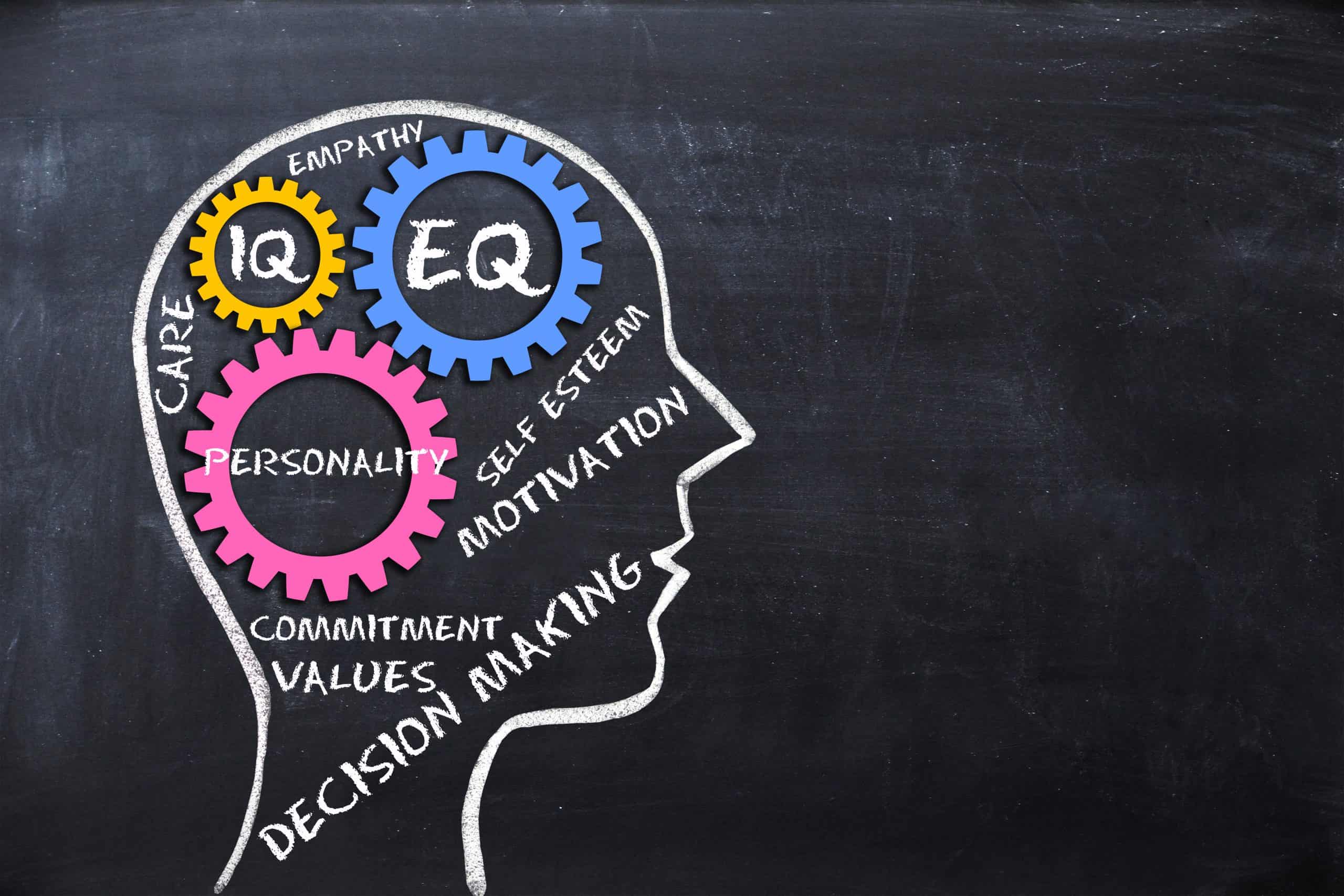
Self-awareness of your own emotional experience, needs and preferences can help you to build stronger relationships with all children and better support their emerging social and emotional skills. Your own emotional awareness and beliefs about emotional expression are key factors alongside teacher-child relationships and use of emotional coaching strategies in the creation of positive emotional climates.
What is your preference for social interactions? For example, are you introverted or extroverted?
How was emotion managed in your family? How free were you to express feelings and how were you supported to express emotions?
What kinds of role models did you have in terms of emotional expression?
With which children do you have strong relationships? Which children do you find more challenging? Why do you think this is? Is there a relationship to your own preferred style for social interaction and emotional expression?
What kinds of feelings do difficult situations (such as hurting/biting, conflict, unkind words, bullying) raise for you? How can this awareness help you to manage these situations?
What are your beliefs about intervening in conflict situations, and under what circumstances?
Do you think that your positive feelings towards the children are being effectively conveyed? Are you naturally quite reserved about showing feelings such as affection? If so, might you experiment with being more expressive and see the effect it has on the children?