











theteam@theeducationhub.org.nz
Postal Address
The Education Hub
110 Carlton Gore Road,
Newmarket,
Auckland 1023
Literacy is an essential life skill, not only for accessing education but for participation in society more broadly.
The purpose of literacy is to share meaning between an author and a reader – to understand what others have written, and to share your own ideas with others. Literacy depends upon a wide range of language and cognitive skills. Most children begin to learn to read and write following many years of experience understanding and speaking spoken English. While spoken language usually develops spontaneously given sufficient exposure to speech, literacy normally depends upon explicit instruction.
Children who struggle to read and write will find it difficult to access all areas of the curriculum. Adults with low literacy not only have limited employment opportunities but also worse health outcomes. It is crucial that we support learners to attain good literacy skills.
Literacy is one of the areas of education in which there is a good deal of high-quality research. For example, evidence over the last twenty years has clearly demonstrated that providing systematic, explicit teaching in phonics (which can include either analytic or synthetic phonics) is more effective than whole language or embedded phonics approaches. There is also extensive evidence that learners show better reading comprehension when they have relevant background knowledge about a topic. However, some care is needed when making research-informed decisions on how to teach. While there is ample research on what to teach, there is relatively little research on how to teach.
It is important to pay attention to non-cognitive factors such as motivation and reading self-concept in literacy teaching. Literacy is an area of learning in which motivation is particularly important, because evidence shows that learners who read for pleasure outside of school can substantially improve their vocabulary and reading skills. The role of background knowledge, both in terms of a broad base of general knowledge as well as more specific domain knowledge, is also critical in literacy teaching.
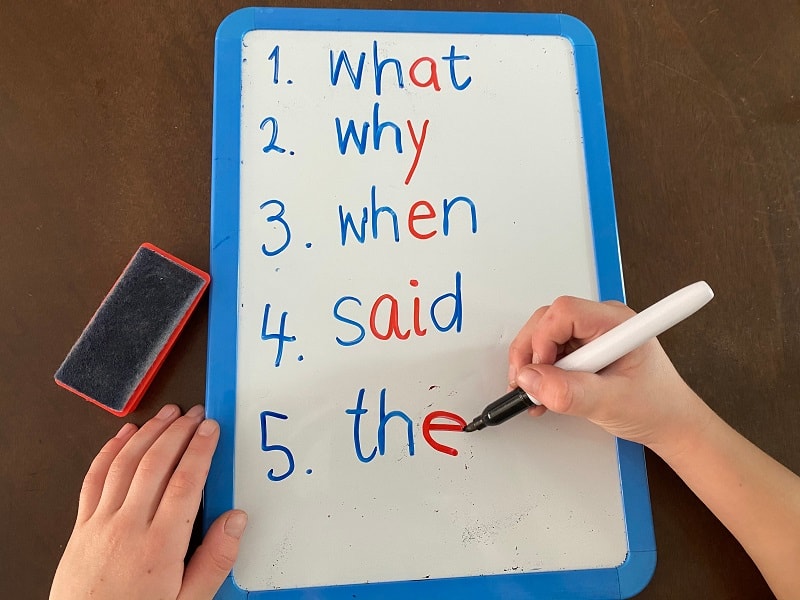
Key principles and strategies for teaching spelling across all levels of primary school.
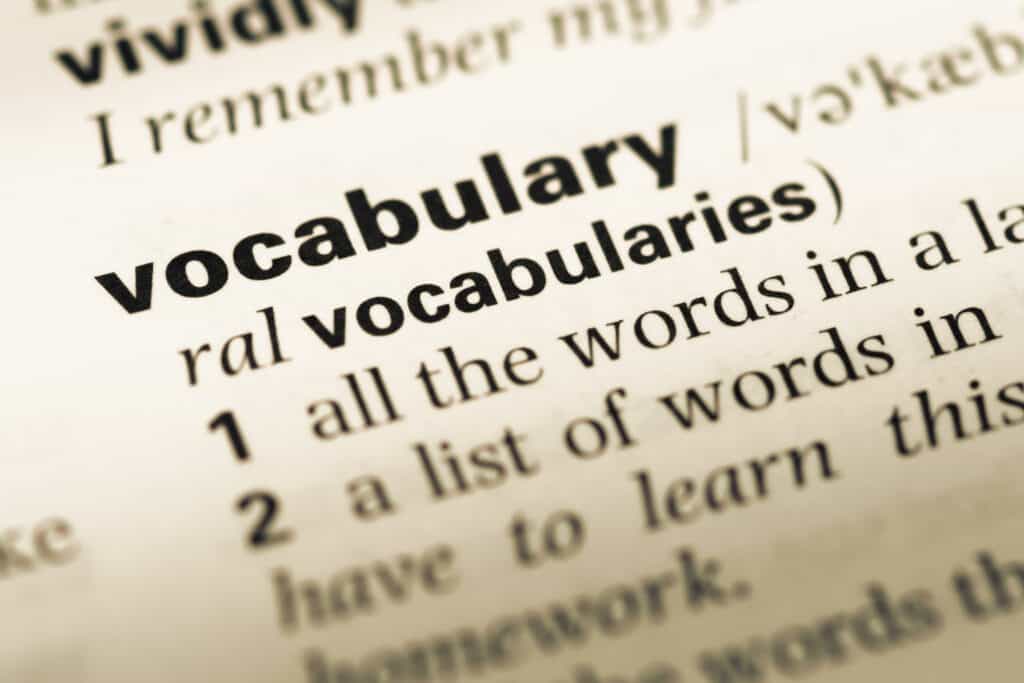
The importance of vocabulary knowledge and how to teach it in literacy programmes and across the curriculum.
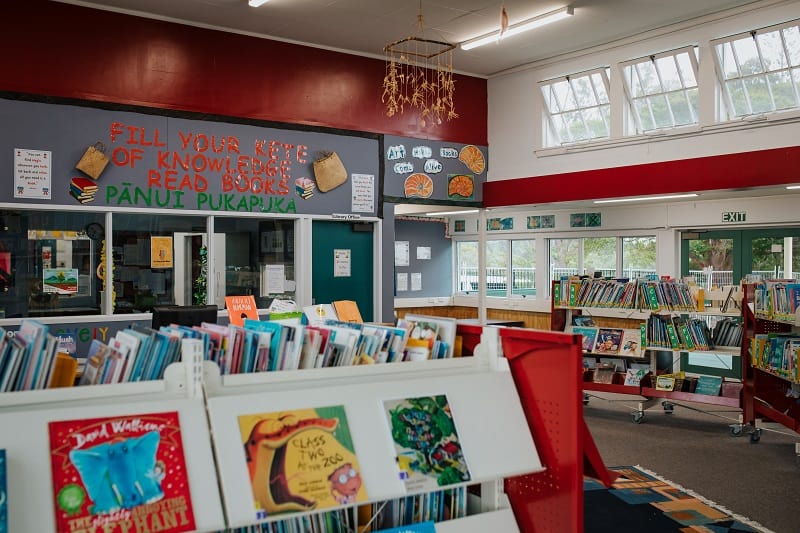
The role and value of school libraries.
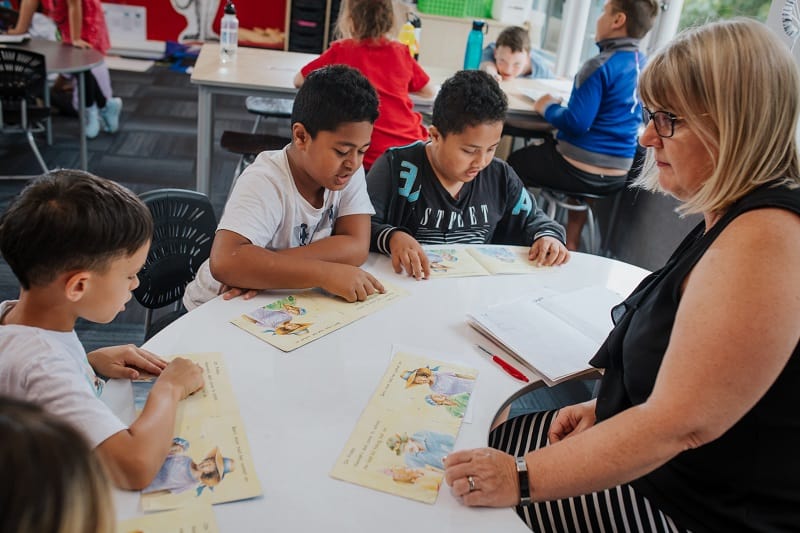
Priorities and guidelines for developing a school-wide literacy policy.

Research-based strategies for encouraging boys to read for enjoyment.
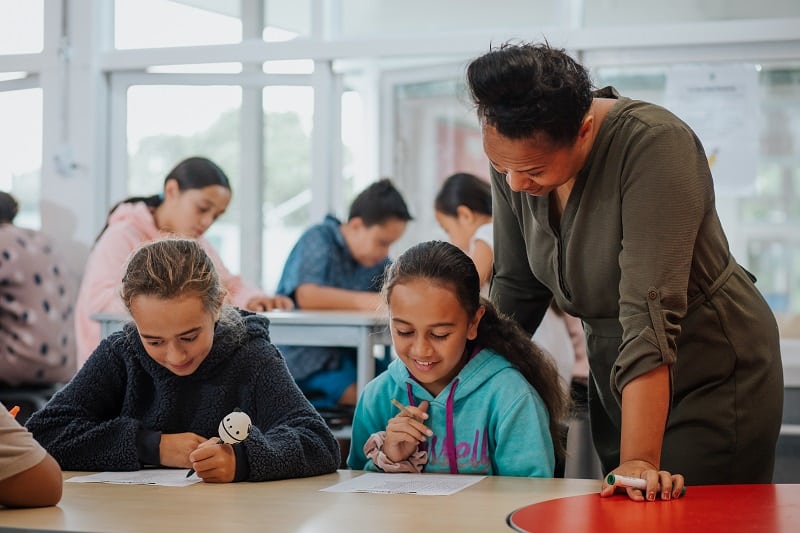
How to build on early writing instruction in the middle and upper primary years

Coming in August
In this webinar, Dr John Milne will discuss how reading not only improves wellbeing directly — through the joy of stories and the connections they create — but also indirectly, by building the social cohesion and shared experiences that communities thrive on. He will also share insights into his own research on reader identity, and explore ways that teachers can help further the joy of reading in their own classrooms.

Coming in April
Internationally recognised expert Professor Paul Nation shares insights from his decades of experience in supporting vocabulary acquisition.

Dr Christine Braid of Massey University talks about a range of books that students of all ages can read independently, as well as great books for teachers to read aloud

Michelle McKinlay shares her insights into supporting ESOL (English for speakers of other languages) students in English medium classrooms.

Daisy Christodoulou discusses how comparative judgement can help schools improve students’ writing.
Teachers from Pupuke kāhui ako discuss their work to improve the continuity and coherence of literacy learning from early childhood education to Year 13.

Key insights and book recommendations from a webinar with Dr Christine Braid from Massey University.
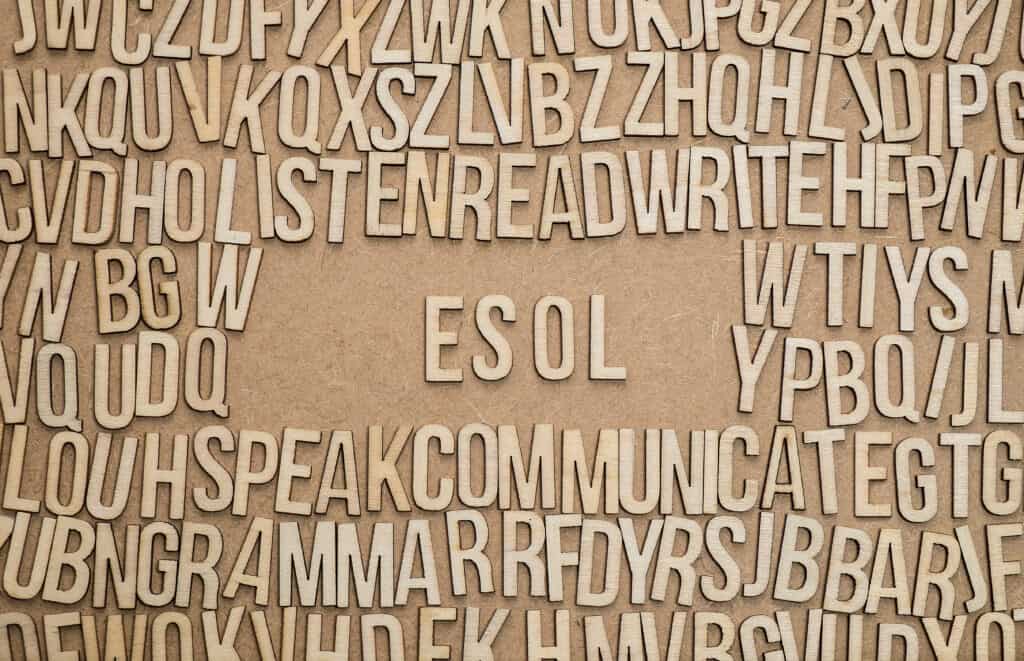
Key insights from a webinar with Michelle McKinlay from the University of Auckland.

Key insights from the webinar with Professor Emerita Naomi Baron of American University on the impact of digital tools on how we write.

Key insights from the webinar with the leaders of the Pupuke Kahui Āko.

An innovative but highly reliable approach to marking writing.

The key insights from our webinar with Professor Naomi Baron on the research into reading print versus digital texts.