


theteam@theeducationhub.org.nz
Postal Address
The Education Hub
Suite 4, Palm Space
PO Box 69-234
Glendene
Auckland 0645
English is the study, use, and enjoyment of the English language and its literature, communicated in a range of forms and genres for a range of purposes and audiences. It involves making meaning from texts that are read, heard, and watched, and creating meaning through texts that are written, spoken, and communicated visually.
English teaching and learning is centred on students learning to understand, engage with, and produce oral, written, and visual texts of increasing complexity. Engaging with a range of texts and types of text supports students to become increasingly proficient and sophisticated in the skills associated with English, including writing, reading, speaking, listening, presenting, and viewing.
Studying English gives students access to the knowledge, skills, and understanding they need to participate fully at school and in the world. It supports students to become effective communicators who can think deeply and critically. Literacy is essential for educational success and underpins a student’s ability to access the breadth of the curriculum and achieve highly across it. Students who lack adequate levels of literacy risk experiencing a narrowed curriculum, ongoing difficulties with self-expression, and limited future pathways. Beyond formal education, literacy is an important factor when it comes to a range of life outcomes, from income levels to improved happiness and health. In addition, the study and critical interrogation of local and global literature contributes to students’ developing sense of identity, as well as their understanding of the world.
The evidence is clear that there are few skills more important to acquire than literacy. Literacy is a gateway to academic achievement and a significant influence on outcomes as diverse as earning potential and health and wellbeing. High levels of literacy across society are vital to happy, healthy, and fulfilling lives.
Learning in English should involve reading and engaging with a range of texts and contexts from the past and present, and originating from places within and beyond the student’s own country. It also involves students developing and honing their skills in expressing and communicating ideas and information. This includes developing proficiency in speaking, creating visual texts, and writing in a range of genres and for a range of purposes and audiences. Students should learn about the purposes and audiences of a range of texts, the language features that characterise texts, and the structure of texts, and develop their ability to critically interrogate ideas and imagery of those texts.

Approaches to teaching and learning Shakespeare that draw on critical and performance history.
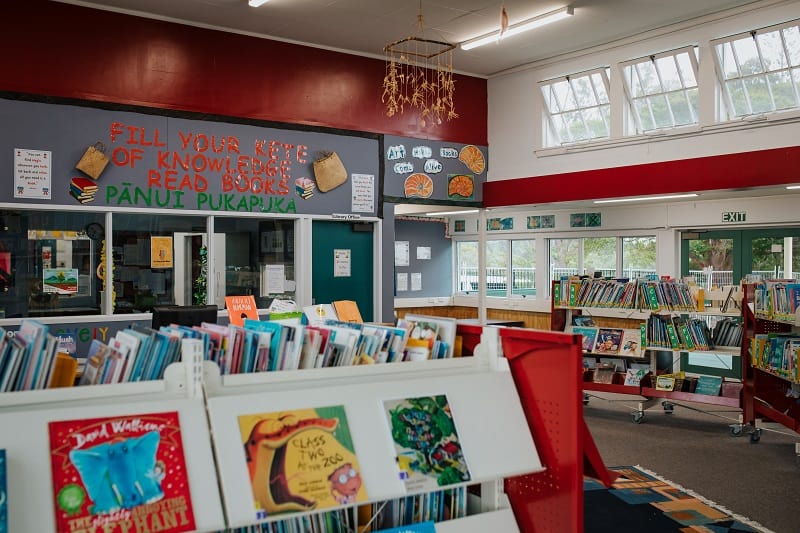
The role and value of school libraries.

Research-based strategies for encouraging boys to read for enjoyment.

Why reading for pleasure is so beneficial for teenagers' learning and wellbeing, and what the research says about getting them to read more.

Coming in August
In this webinar, Dr John Milne will discuss how reading not only improves wellbeing directly — through the joy of stories and the connections they create — but also indirectly, by building the social cohesion and shared experiences that communities thrive on. He will also share insights into his own research on reader identity, and explore ways that teachers can help further the joy of reading in their own classrooms.

There are many considerations when choosing which texts to teach. Teachers Taylor Hughson and Jordan Tricklebank, along with Claudia Rozas from University of Auckland, explore the factors influencing teachers’ decision-making

Dr Christine Braid of Massey University talks about a range of books that students of all ages can read independently, as well as great books for teachers to read aloud