Transitions
Positive transitions during a child’s life have far-reaching benefits.
Definition
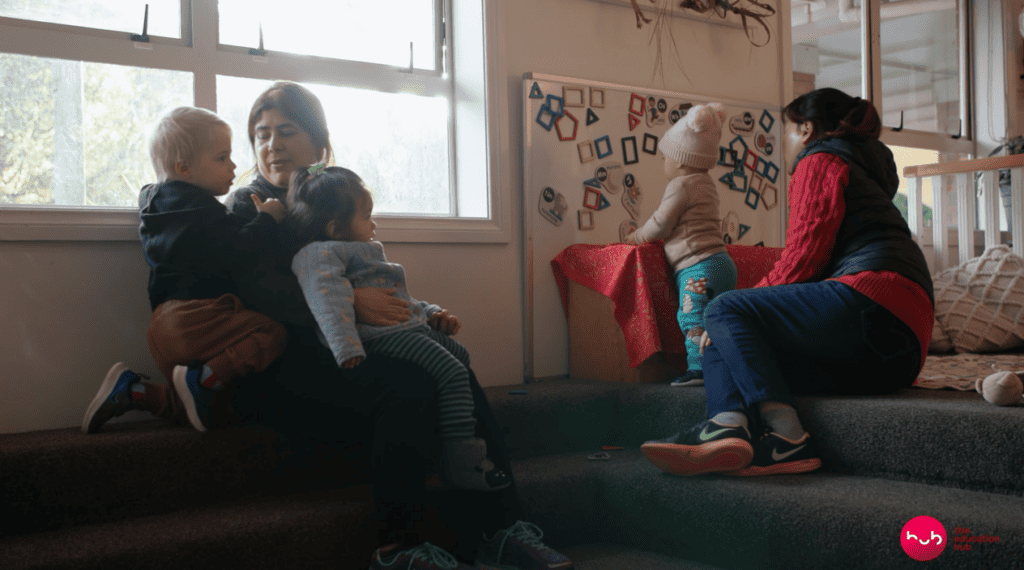
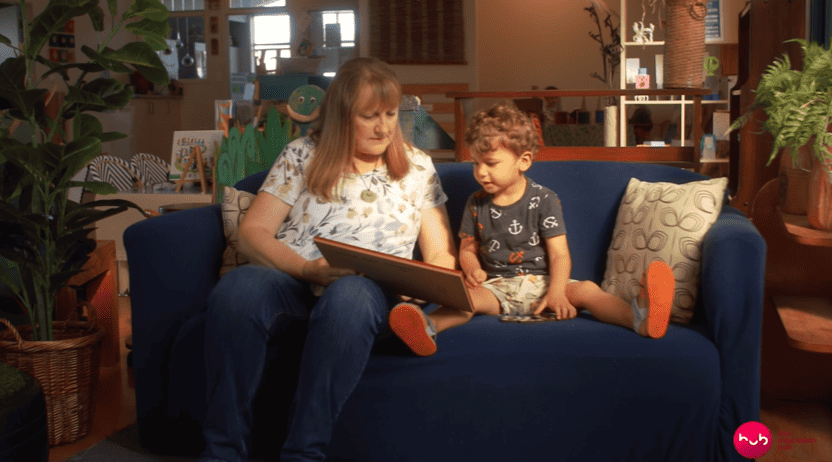
During early childhood, children make a number of transitions. In addition to starting at an early childhood centre and moving from there to school, children also undergo transitions within early childhood settings, such as the transition from one group, room or carer to another. Children may also shift from one early childhood setting to another as the result of moving house or for other reasons.
Relevance
Research indicates that the success of any major transition in the early years of life has a positive correlation with the success of other transitions people experience throughout their lives. Starting school is as significant to children as many other major life events. In terms of meaningful lifetime transitions, starting school is on a par with the likes of the birth of a sibling, moving to a new house, the separation of parents, or even the loss of a loved one.
State of the evidence
A number of studies have established the importance of transitions in young children’s lives as well as the key factors that contribute to positive and successful transitions. It is particularly important to attend to children’s social emotional competence and readiness for transitions, and to build their resilience by retaining an element of challenge and uncertainty in any transition.
In practice
Transitions should be thought of as a process that takes place over several months rather than as a single event. The evidence on positive transitions indicates that they rely on close collaboration and communication between the graduating and the receiving school or centre, and among children, teachers and families. It is important to pay careful attention to the practical steps involved in the transition process as well as the academic and social emotional challenges they create for children.
Guiding questions
- How does your centre manage the transition for children who are arriving or leaving?
- How can you ensure that you begin preparing for the transition early?
- How can you work with parents and whānau to evaluate children’s social and emotional readiness for school?
- How can you involve parents and whānau in the process and support them to support their children?
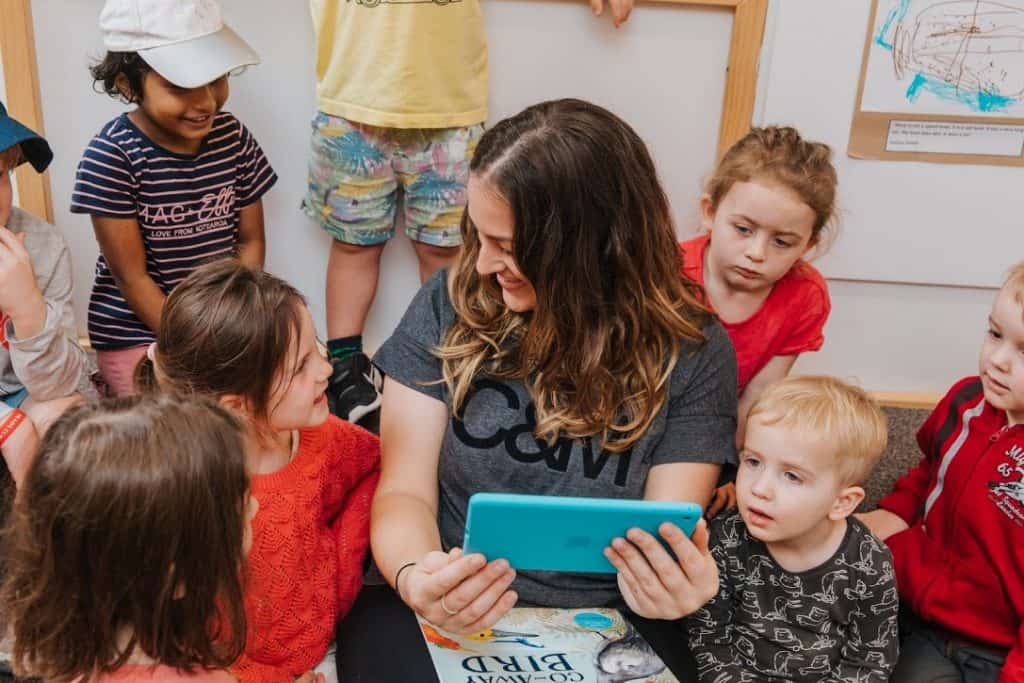
Using social media to support the transition from early childhood education to school
Innovative ways to use Facebook and other social media tools to support the transition to school.
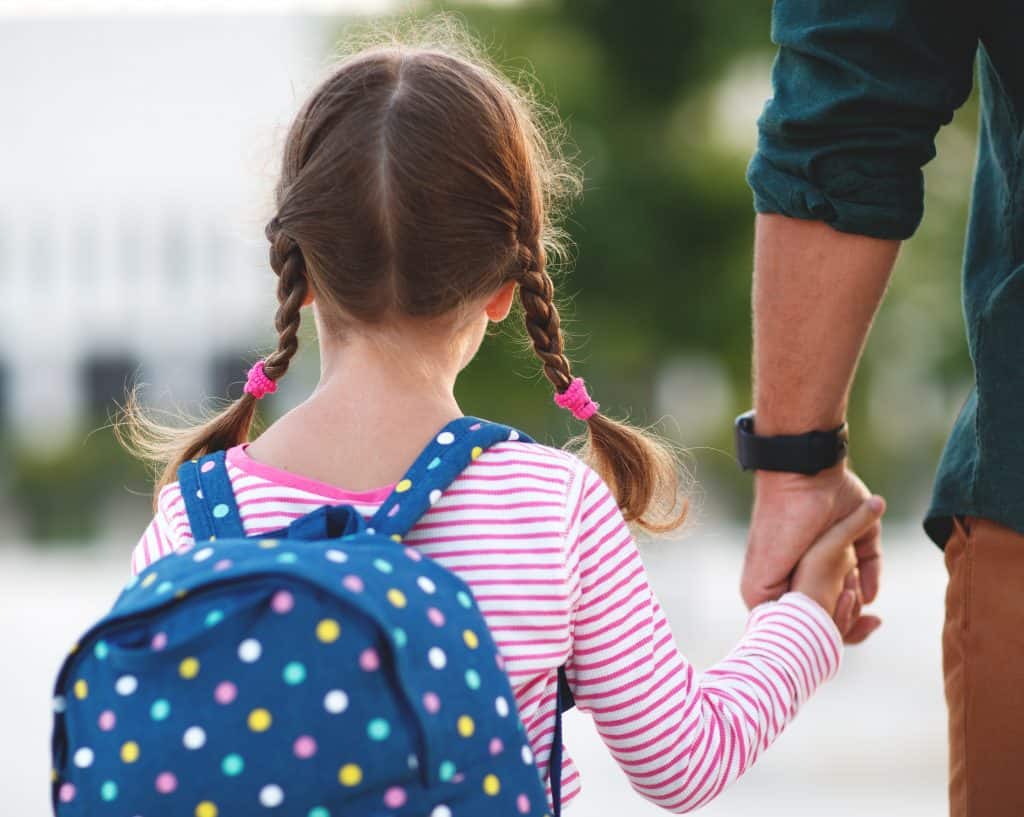
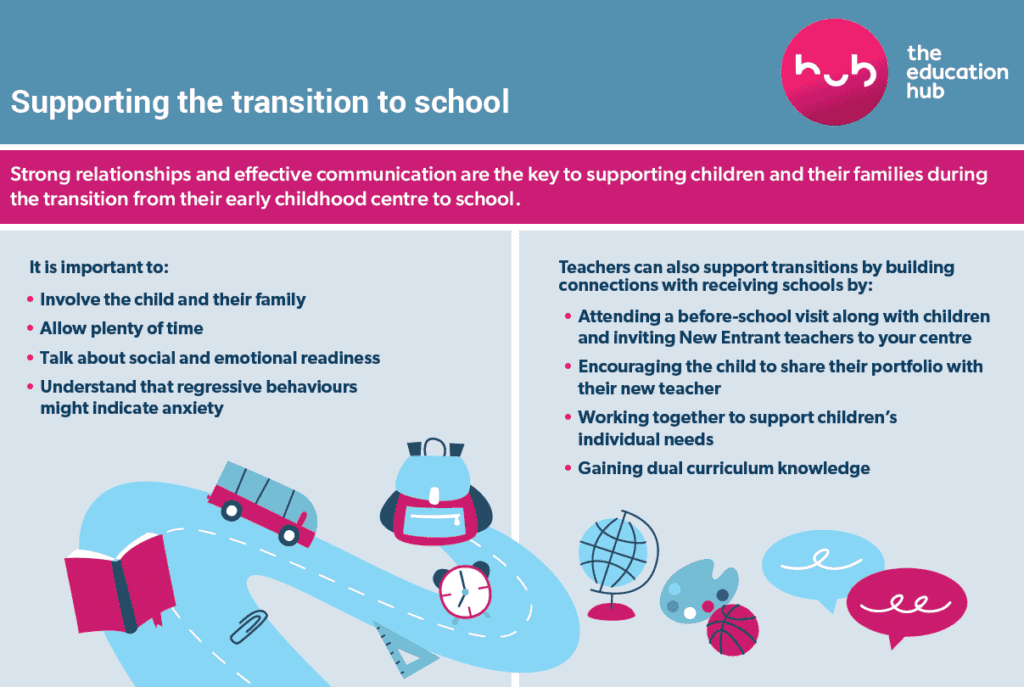
Supporting children and their families through the transition to school
Practical ways that early childhood education and primary school teachers can help ensure that the transition to school is a positive and successful experience for children and their families.
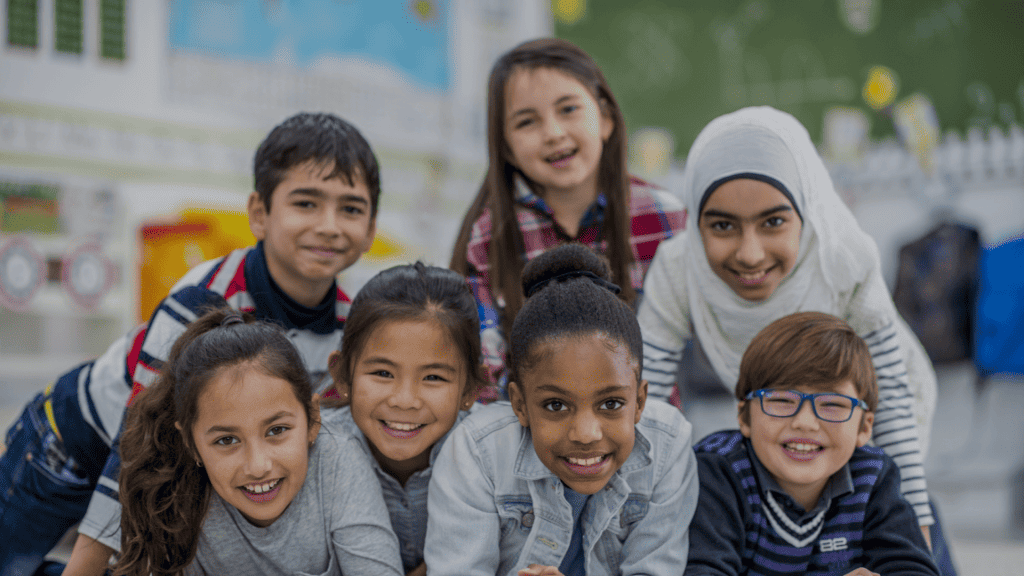
Supporting positive transitions for refugee and migrant children
This webinar for early childhood and school teachers and leaders shares insights from research by Professor Sally Peters and Dr Hazel Woodhouse which highlights the powerful role of early childhood settings, schools, Settlement Centre staff, and families in supporting positive educational experiences and transitions.
Acorns to Oaks: Rewriting the story of inclusive transitions
This webinar with Lisa Winiata and Tara Solomon from Kaitiaki Kindergartens and Tami Harris from Acorn Neurodiversity shares findings from the research partnership between Kaitiaki Kindergartens and Acorn Neurodiversity which investigated how kaiako can support neurodivergent tamariki through the transition to school.
Supporting the transition to school
This webinar with Jennifer Neill offers valuable insights and practical strategies to ensure a child’s transition from early childhood education to school is as smooth and positive as possible
Early transitions into, between, and out of early childhood education
This webinar speaks to earliest transitions in early childhood education as threads of significance in and across time.
Transitions from early childhood education to school – Part 2
This webinar examines the Pathways section of Te Whāriki and its potential to support learning as children transition from early childhood education to school.
Understanding and enhancing young children’s transitions – Part 1
Sally Peters and Hazel Woodhouse from the University of Waikato explore transitions in the early years.
Transitioning neurodiverse tamariki into school: Insights from the Acorns to Oaks project
Key insights from a webinar with Tami Harris from Acorn Neurodiversity and Tara Solomon and Lisa Winiata from Kaitiaki Kindergartens.
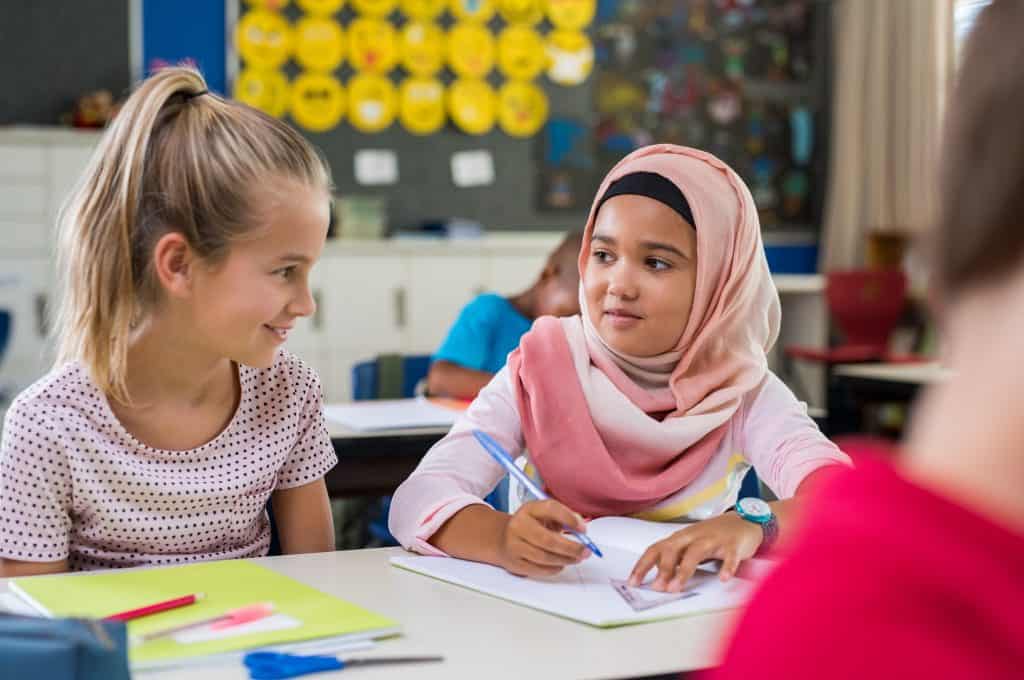
Positive transitions into school and early childhood settings for refugee and migrant children
Key insights from a webinar with Professor Sally Peters and Dr Hazel Woodhouse.
Key insights on the transition to school from early childhood and primary perspectives
Insights from a webinar with Jennifer Neill on the transition to school.
Supporting early transitions in early childhood education
Key insights from a webinar about the international research project exploring transitions in early childhood education.

Making connections between Te Whāriki and the NZC to support transitions
Further insights from our second webinar with Sally Peters and Hazel Wodhouse on supporting enriching transitions from early childhood education to school.

Supporting children’s transitions in the early years
Key insights on transitions from Sally Peters and Hazel Woodhouse.