
theteam@theeducationhub.org.nz
Postal Address
The Education Hub
110 Carlton Gore Road,
Newmarket,
Auckland 1023
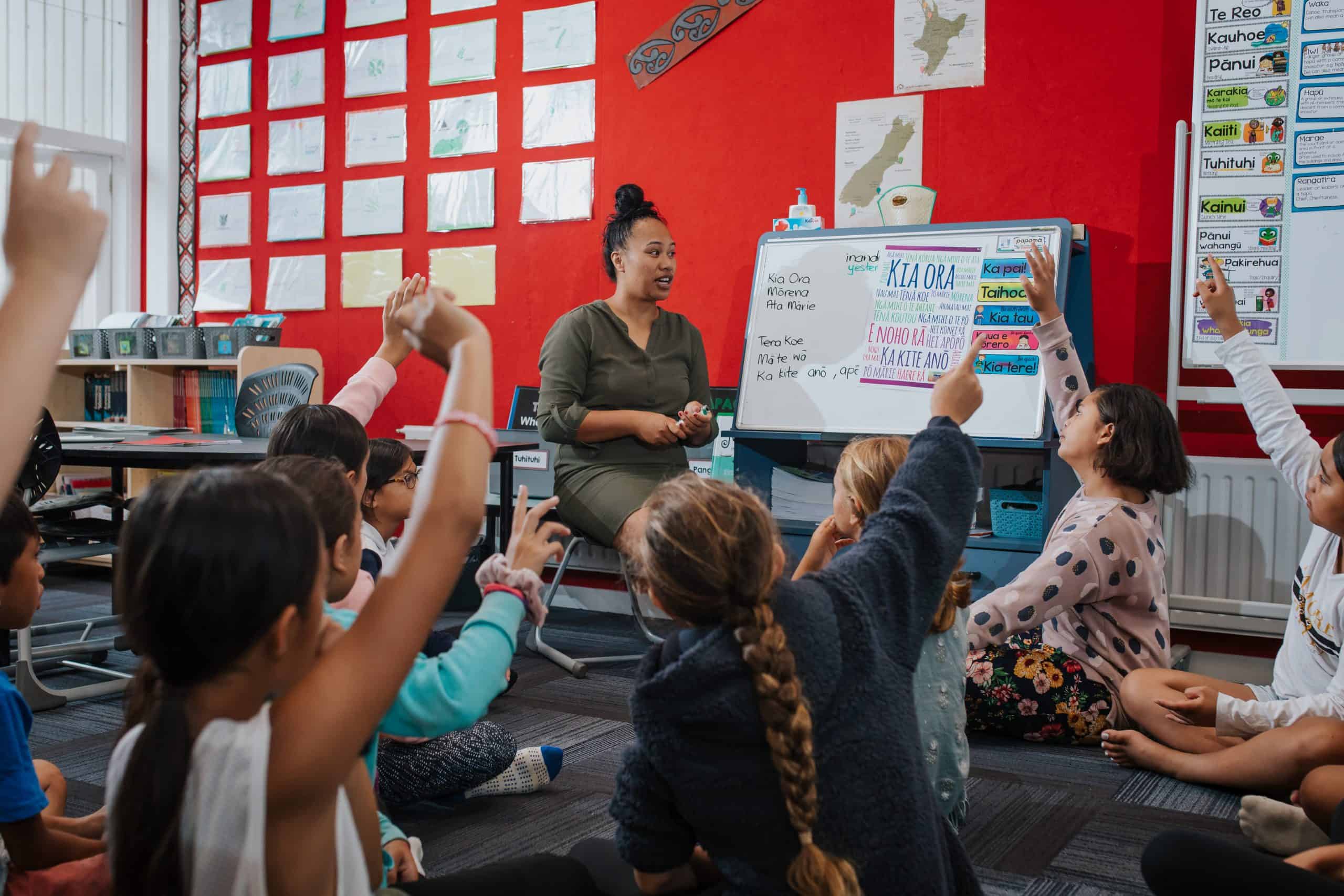
In order for students and teachers to achieve maximum benefit from the learning experience, it is critical to facilitate a positive classroom climate with active student and teacher engagement. Actively engaging students with increased opportunities to respond enhances teacher-student relationships, increases on-task behaviour, and decreases the opportunities for students to engage in problem behaviour. Actively engaging students during instruction is one of the most effective evidence-based classroom practices within a classroom management system. No matter how well a classroom is organised or how often the expectations, routines, and procedures are taught, if instruction is not engaging, other practices will not be sufficient to support appropriate behaviour and facilitate an optimum learning experience.
By actively engaging students, teachers provide a variety of opportunities for student response that include the use of prompts and precorrections to maintain pacing and instructional momentum1 (such as brisk pace with 5-second wait/think time). Opportunities to respond are classroom practices that promote active engagement by requiring interaction with students through asking a question or making a request. Providing high rates of opportunities to respond increases instructional pacing (the time students are directly engaged in the learning process), delivers ongoing feedback about student learning, and provides feedback on the effectiveness of the teaching strategy2. This form of actively engaging students is effective with any content area, age, or setting (whole group, small group, cooperative pairs, and so on), and works best in the classroom when other evidence-based practices (maximising structure, teaching expectations, routines and procedures) have been well-established and are actively implemented (by acknowledging appropriate behaviour, responding to inappropriate behaviour, and so on) during instruction. Two types of opportunities to respond with examples are described below.
Research indicates that an average of 4-5 opportunities to respond per minute is effective when teaching new material, but increases to 10 response opportunities per minute when reviewing previously learned information3. While many instructional strategies exist to increase student learning, it is critical that all students are actively engaged by being provided with a high rate of opportunities to respond, regardless of the selected strategy used in the classroom.
It is ideal when school leadership supports and endorses a school-wide system that establishes consistent practices within and across classrooms for a cohesive approach to learning that benefits all.
References
By Dr Heather Peshak George