
theteam@theeducationhub.org.nz
Postal Address
The Education Hub
110 Carlton Gore Road,
Newmarket,
Auckland 1023
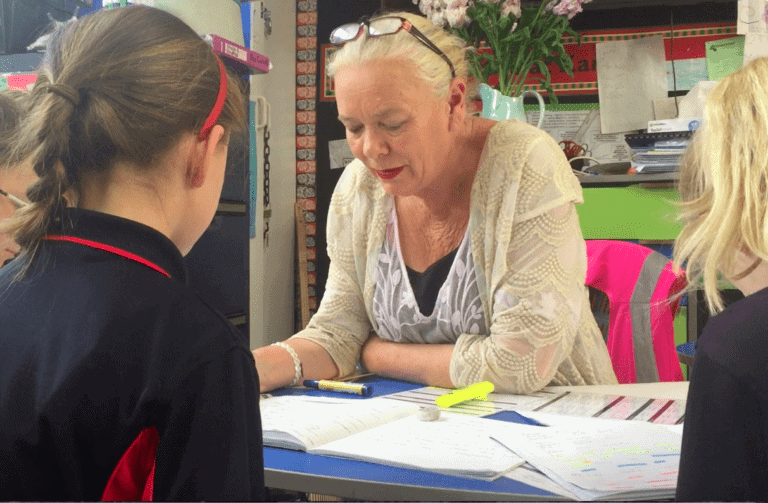
Suzanne Corlett, a teacher with over 30 years of experience, has recently begun the journey of integrating assessment for learning into your Year 3 and 4 class. While originally skeptical about the impact, Suzanne has found her students’ have made accelerated progress and that there is a very noticeable lift in their achievement. What’s more, adopting AfL has created a more purposeful classroom environment, where the focus is on learning and the learner. This has resulted in a shift in the locus of control, with self-motivated students, greater collaboration and a new found common language for learning.
The following are the key AfL components in Suzanne’s classroom.
Assessment is not separate from the lesson, instead it is embedded in everything we do. For example, I am assessing moment-to-moment when working with a small group on a specific goal. I often scribble in my modelling book and initial the names of those students who need extra support. I tend to give a little extra tuition immediately and frequently have to adjust the lesson plan to assist students’ learning.
The AfL framework means that my assessment is incorporated within the actual processes of teaching and learning. This mainly occurs through dialogue (talking). I try to be with my students talking with them about the task and seeing if there has perhaps been a misinterpretation or another bit that could be worked on. Dialogue scaffolds the learning.
I really get to know how each student feels and thinks when I discuss their learning with them. This is a two-way process. As well as scaffolding learning for the student as we talk about the task, the student tells me how they are going with the task. Together we work out if more time is needed or if they are ready to move forward.
My students want me talking to them about their own personal learning tasks. I have found the conversations I have when I am working with my small groups or with individuals introduces the other students within the wider classroom environment to new learning. They need to hear their teachers and fellow students talking, engaging in learning conversations frequently, and moving forward in their learning.
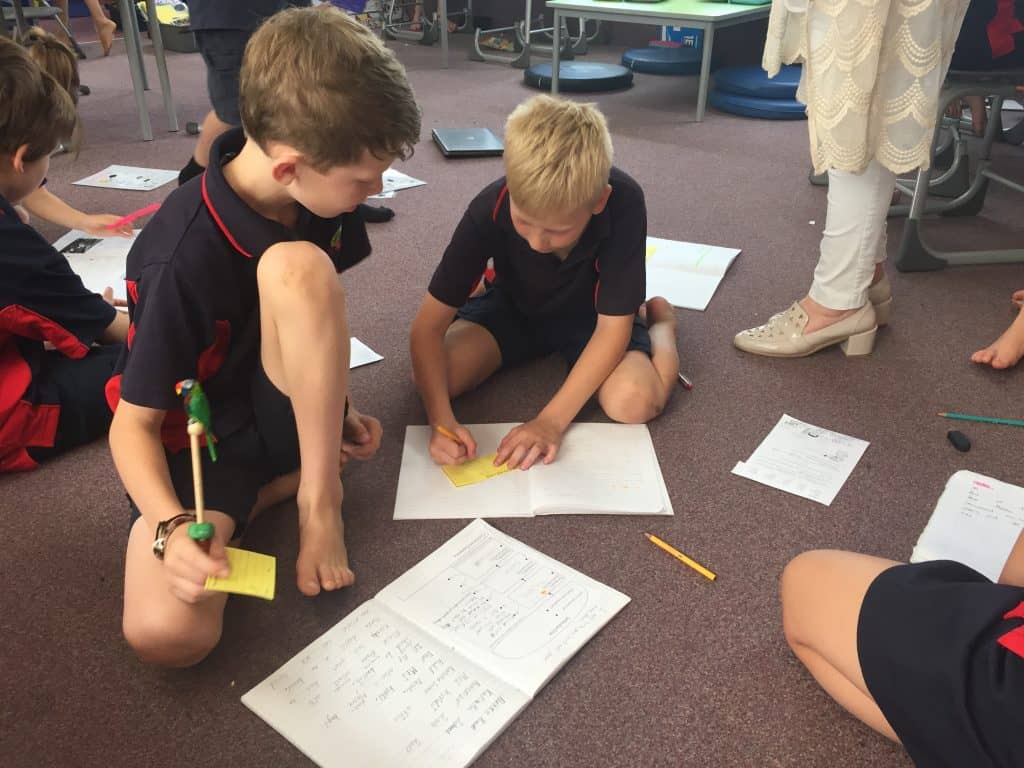
My students have their individual goals written on sticky notes, which are either displayed on our goal wall or in their workbooks. These goals are co-constructed with the students approximately every 2 weeks. As the goals change I simply put them into a modeling book for a quick reference if I need them later. It is part of my evidence.
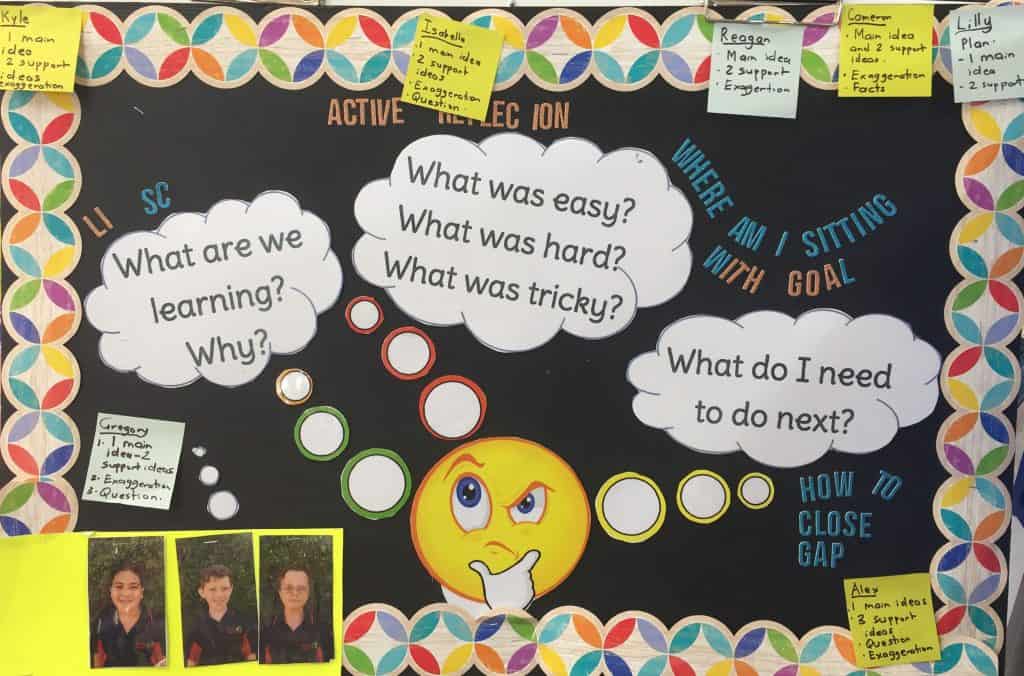
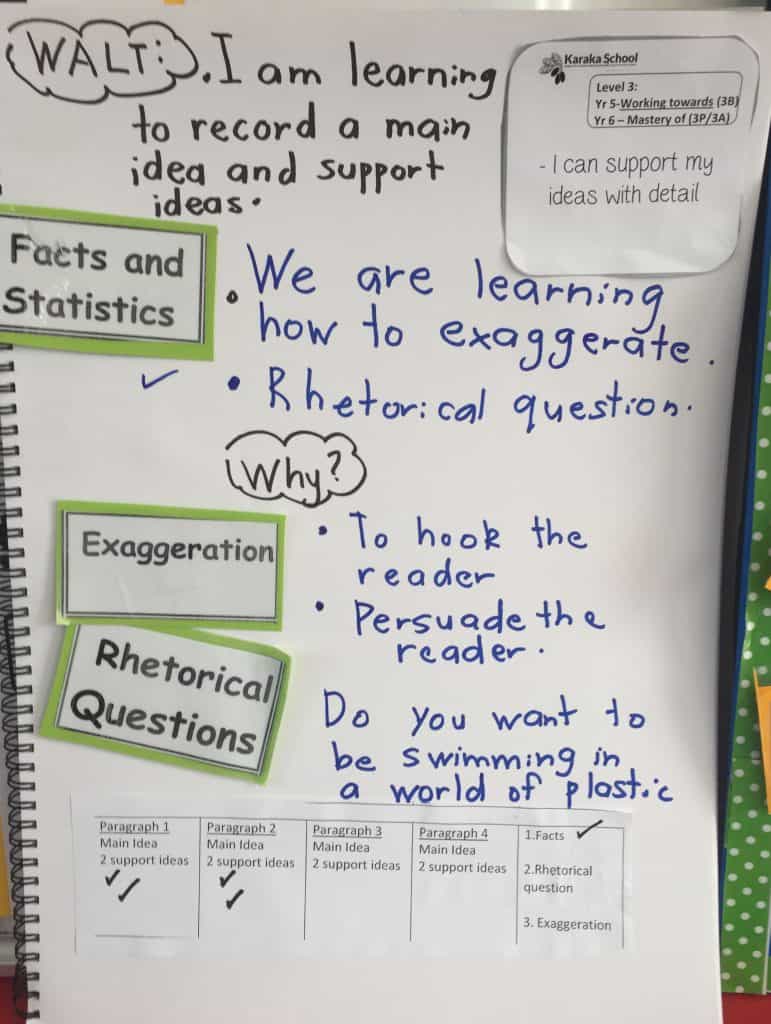
Students want their teachers alongside them. They don’t want to engage in too much self-directed learning with little teacher dialogue or input to guide the learning process. Teaching in a AfL classroom is a very active role and requires detailed curriculum knowledge. We must be really familiar with the curriculum and have a clear understanding of where we are heading – we are in the classroom for approximately four and a half hours a day – not long, so there is no time to waste.
Students like a reasonable pace, consolidation, and they love absolutely love being exposed to a challenge. Sometimes strategies simply have to be front-loaded to enable acceleration and clarity. I firmly believe that a classroom that emphasises curriculum content knowledge opens up the students to wider conceptual connections and creates happy focused learners.
My learning intention is recorded in the modeling book. I have numerous modeling books – at least one for each individual reading/written language/maths group (probably 8 to 10 in total). Students often refer back to the strategies recorded in the book. It is critical to make the learning intentions and the WALTs (we are learning to) very specific and manageable.
My success criteria are always co-constructed with students. For example, how many metaphors should we put into each paragraph? Or, What steps do we need to understand our new strategy. The success criteria should be simple and clear enough for students to be able to individually or peer assess.
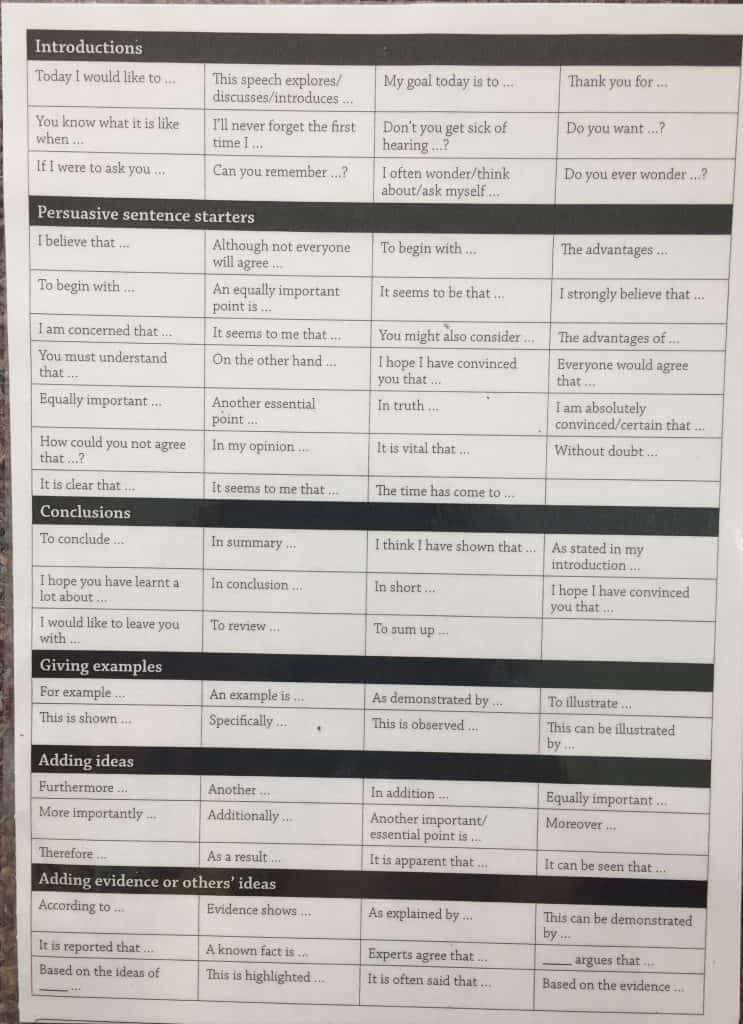
My students can access whiteboards, word charts, and equipment freely. Exemplars are best as ‘hands on’ examples that can be pulled out of a box and highlighted or photocopied. I have a box that I add to continuously. TKI has great written language exemplars that I have blown up into A3. Exemplars are on the wall too but I find it more valuable to have quick access.
For example, Persuasive text levels 2 and 3, what can we see with the introduction? What has the author done well? How does each idea feature differ? Why is one more successful than the other?
We also have “word jars” providing interesting words on particular topics that they can use in their writing.
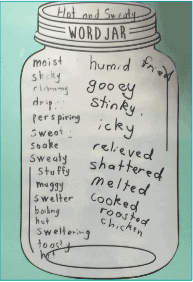
Peer and self-assessment – with guided support
I like to find evidence of the learning but the students also are responsible for providing me with evidence too. In writing this might involve highlighting their main ideas and two to three supporting sentences.
In math I often find another student that is keen to volunteer and assist with those that need extra help. The students are relaxed enough to ask for help to find the ‘bit’ that needs working on. I have not yet found a peer that cannot evaluate and assist if they themselves have mastered the new learning.
When starting off with peer and self-assessment it is very useful to use prompts that guide the students through the process. Now my students are able peer assess using the two stars and one wish feedback form without any support from me or a guide.
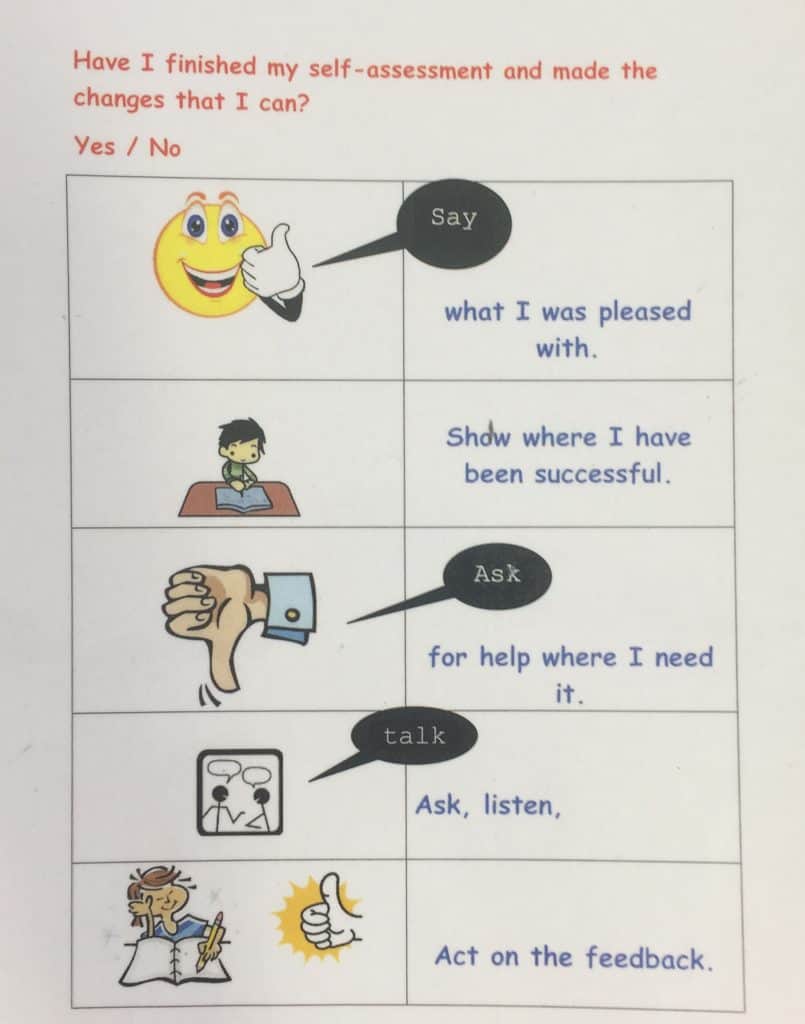
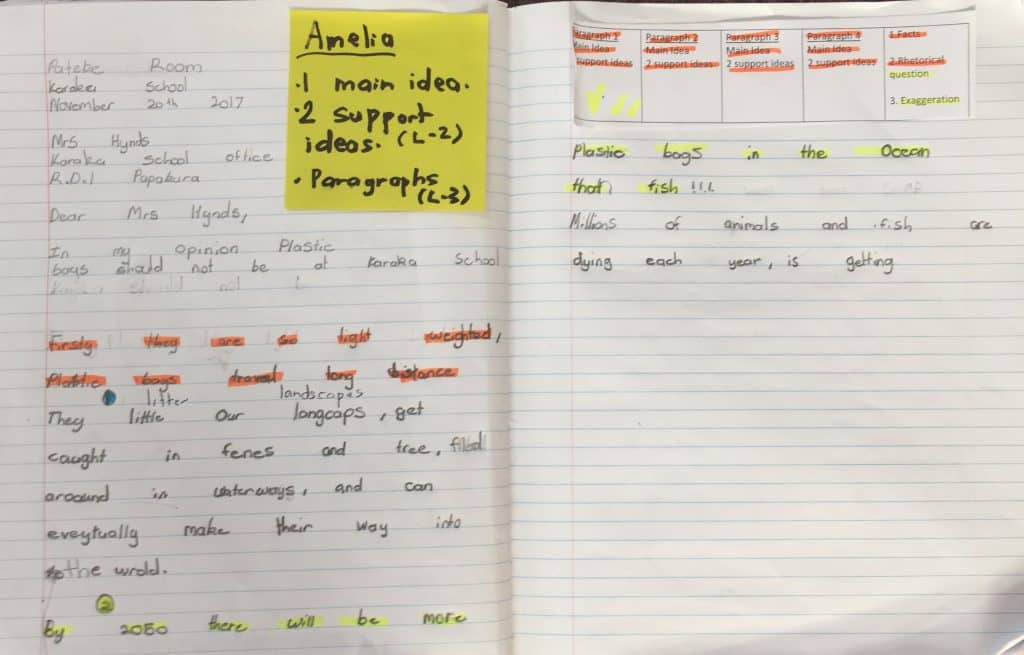
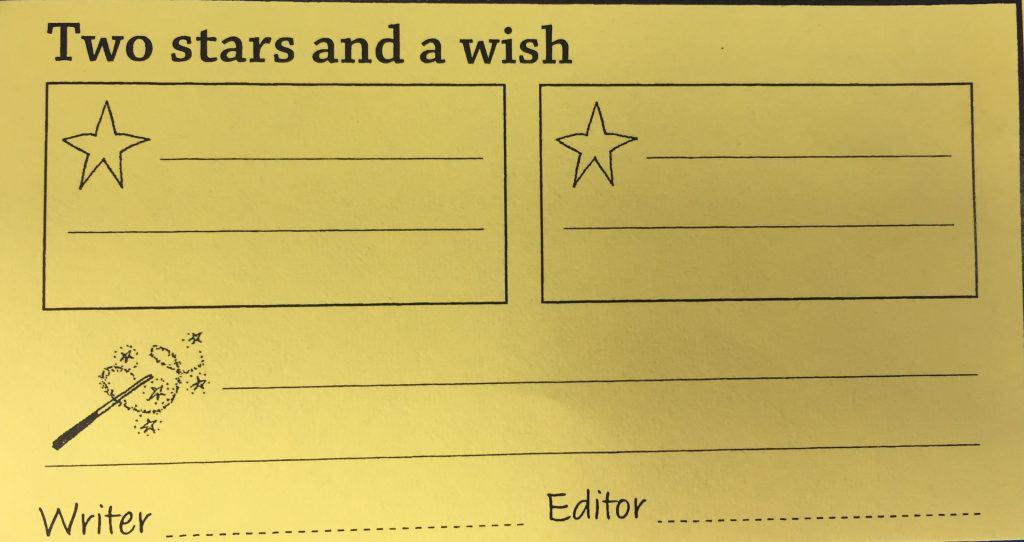
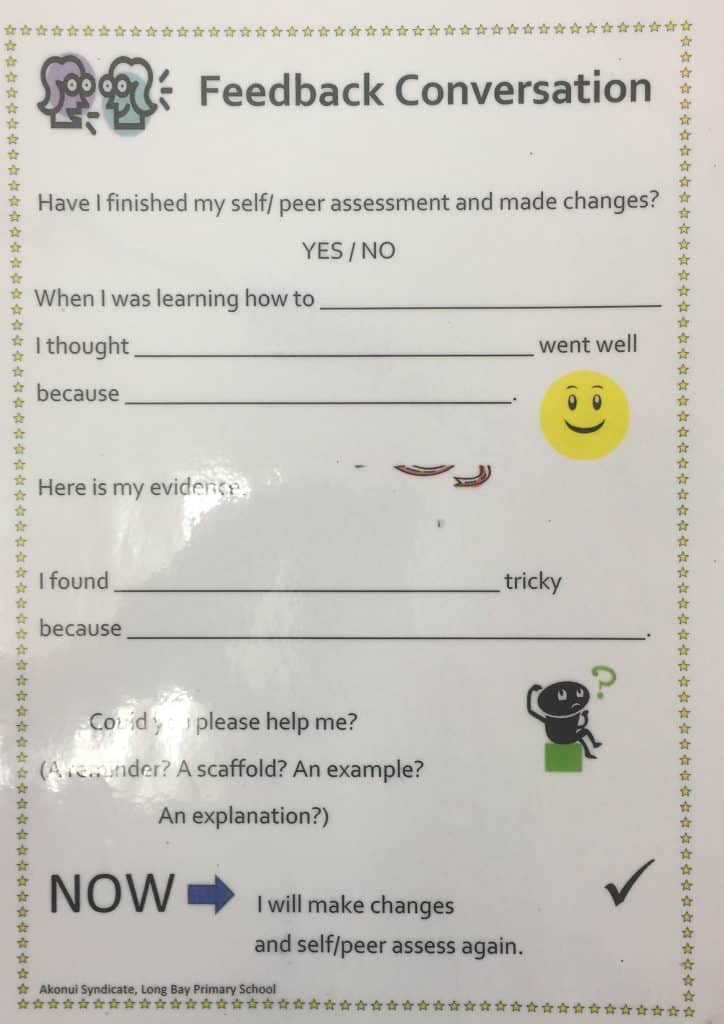
What to avoid: Too much focus on lots of checklists and too much lengthy feedback, too many lengthy instructions, and too little teacher- student dialogue does not work – they most definitely tune out.
Must do
Must have
Suzanne recommends building up slowly and implementing two per term.
Capability 1: Building learning focused relationships
Capability 2: Clarity about what is to be learned
Capability 3: Assessment for learning
Capability 4: Promoting further learning
Capability 5: Active Reflection
Capability 6: Clarity about next steps