
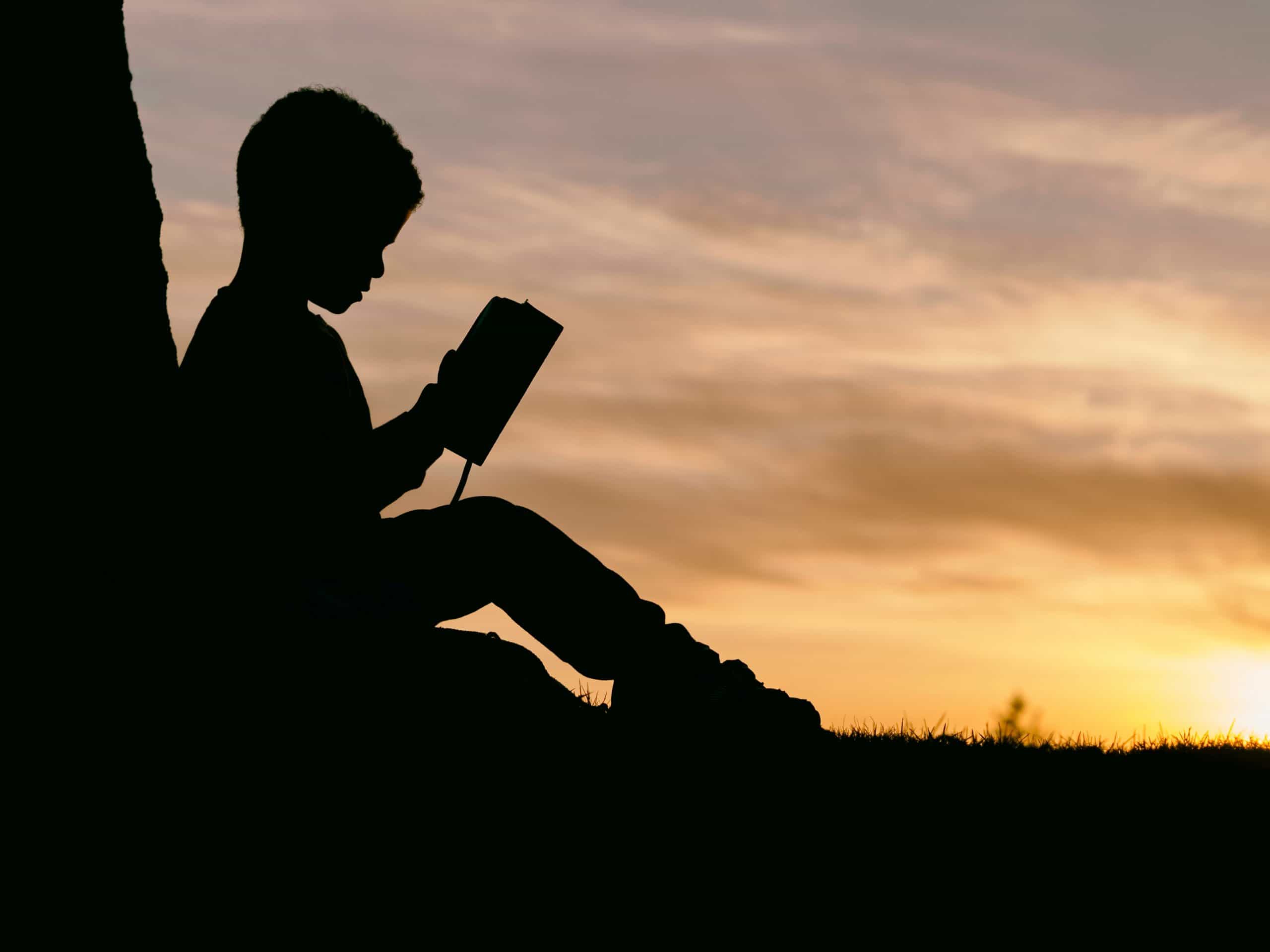
Story time! Great stories available as audiobooks for your children
Reading books with your child is an incredibly powerful way of supporting your child’s learning. We’ve put together a list of stories that are available as audiobooks (one for each day of the week) that we think make for great listening. The lists are divided into stories appropriate for 3-5 year olds and stories more appropriate for children aged 6+.
We’ve also created some guidance for parents about reading together at home with young children.
For preschoolers (3-5 years)
Monday: Listen to Dick Weir read Doctor Grundy’s Undies by Dawn McMillan (5 mins)
Tuesday: Listen to Oliver Jeffers read The Incredible Book-Eating Boy (19 mins)
Wednesday: Listen to Heather Forest read Stone Soup (7 mins)
Thursday: Listen to Fraser read The Smartest Giant in Town by Julia Donaldson (7 mins)
Friday: Listen to Maria Rose MacDonald read Whako Kakapo by Yvonne Morrison (9 mins)
For older children (6 years +)
Monday: Listen to Grace Lin read a chapter of Where the Mountain Meets the Moon (12 mins)
Tuesday: Listen to David Walliams read a chapter from one of his The World’s Worst Children volumes (around 20 mins – story changes each day)
Wednesday: Listen to Fiona Samuel read Northwood by Brian Falkner (each chapter 12-14 min, 10 chapters)
Thursday: Listen to Peter Bland read Starkey the Gentle Pirate (a poem, 7 mins)
Friday: Listen to Curtis Sisco read Rikki Tikki Tavi by Rudyard Kipling (35 mins)