
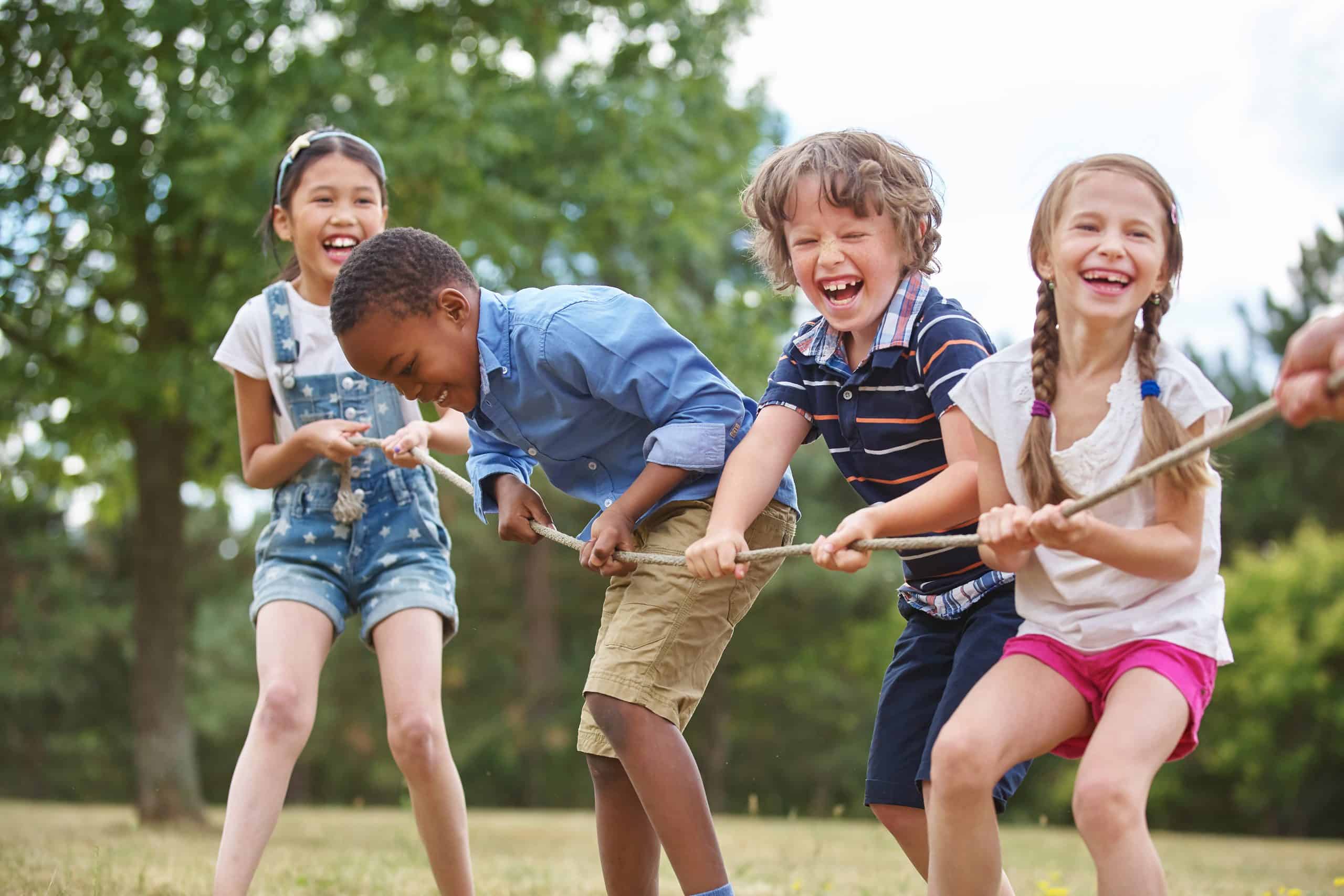
Creating a positive social and emotional climate
Children’s personal experiences of emotions and social interactions in their families and communities is hugely influential in shaping the social and emotional wiring of the brain, and patterns for behaviour and for social interactions can be set early in childhood. Researchers agree that early childhood is a critical period for helping children to develop skills in self-regulation, social skills and emotion knowledge, and these skills are ideally consolidated before school entry when the demands on children’s independence and self-management increase.
Teachers can support and nurture children’s emotional wellbeing and support them in the development of social and emotional competencies. This might be particularly important for children from low socioeconomic areas, or children from families with relationship difficulties or mental health issues, who, research shows, are more likely to develop social and emotional difficulties.
One of the first foundations to put in place to support the development of social and emotional skills is a supportive social and emotional climate. Positive emotional climates support children’s wellbeing, positive behaviour and ongoing engagement within the early childhood setting, as well as positively influencing children’s social and emotional behaviours beyond the setting. Warm and supportive emotional climates are also thought to reduce conflict, aggression and challenging behaviours in children.
A positive climate can be developed when teachers focus on developing:
- an intentional focus on social and emotional competence
- strong relationships
- consistent expectations and positive tones
A positive social and emotional climate is also supported when teachers embed specific and intentional strategies for supporting children’s emotional development , for scaffolding children’s social skills, and for supporting children to self-manage their behaviour and learning.
An intentional focus on social and emotional competence
Having a policy or an intentional focus on supporting children’s social and emotional competence can lead to better awareness, clearer expectations and consistent practice. A lack of formal policy has been reported in the literature to contribute to a lack of intentional practice to support social and emotional learning.
Intentional practice can be built through:
- Self-review developing shared understandings and consistent practices regarding social and emotional competence amongst your team. Effective teaching practice is easier to implement when teaching teams share philosophies and objectives.
- Policies which contain guidance about strategies for supporting children’s social and emotional development rather than focusing on procedures for dealing with challenging behaviour only. Involve families in reviewing policies and guidance, and use this as an opportunity to find out about families’ beliefs about and expectations of appropriate behaviours for their children, as well as beliefs about the best way for children to develop these behaviours.
- Reflective practice focused on emotions, and on discussing and reflecting on relationships that you hold with individual children.
- Displays, assessments, and conversations with families about children’s learning that focus on children’s developing social and emotional competencies.
Strong relationships
Strong, positive relationships and supportive interactions between teachers and children are found to form a foundation for children’s appropriate social and emotional development. Children’s ability to engage in learning opportunities and eventual school success are hugely influenced by their ability to establish a strong relationship with a teacher. Children with secure attachment relationships are more likely to have good social skills and emotional literacy and regulatory skills. Research also suggests that children with insecure attachments to their parents are able to create secure relationships with teachers in compensation, resulting in the same positive consequences for their social and emotional learning.
Strong relationships enable teachers to support children to develop confidence, self-efficacy and positive representations of themselves. Children with high self-esteem are more resilient and better able to regulate emotions because they have high expectations for being able to manage difficulties and achieving success. They also allow teachers to teach prosocial and emotionally appropriate behaviours through being a trusted model. Children pay more attention to teachers that are responsive and caring towards them. Strong relationships help children with regulating their emotions (which will influence their capacity to develop self-regulation and resilience), and offer a sense of safety (which can help reduce challenging behaviours). They also encourage the development of language and social skills, with early language in particular important for sophisticated social interaction. Strong relationships also support children to develop successful relationships with peers, as the experience of warm and sensitive relations with adults influence children’s expectations of other relationships and lead them to recreate similar relations with their peers.
Strong relationships can be built through:
- Transition processes that focus on welcoming, continuity and belonging, as well as daily welcoming of every child and whānau by name.
- Plenty of one-to-one interactions with each child, conversing about shared interests and experiences, following the child’s lead in play, and developing episodes of sustained shared thinking. Research shows that teachers’ relationships with children can be strengthened when teachers focus on strengthening daily interactions with children. Listen attentively and appreciatively to children’s communications, be emotionally available and respond to children’s emotional cues and perspectives.
- Positive feelings, attention and warmth towards children, praise and encouragement. Consider children’s preferences and cultural expectations when expressing warmth and affection or praising diverse children, including children whose behaviour you find challenging (who are often the ones who need it most). Smile at children and use affectionate words or terms of endearment, brief tickles, pats on the back, special handshakes, and cuddles on your lap. Expression of affection by teachers is found to be linked to children’s ability to appropriately show emotion and interact appropriately with peers, while negative interactions are associated with increases in behaviour issues.
- Synchronising emotions through coordinating actions, facial expressions, vocalisations and eye contact.
- Home visits and sharing positive news and notes with families.
Consistent expectations and positive tones
Consistent expectations and routines and positive, supportive environments contribute to a positive climate by helping to reduce anxiety for children and supporting them to be competent and capable in the setting. Consistent and well-understood expectations also serve to communicate and enact key values related to social and emotional competence, such as being considerate and showing kindness and empathy.
Consistent expectations and a positive atmosphere enable children to openly communicate feelings and distress and play and interact with each other in positive, sociable ways. They also allow children to practice social and emotional skills, experiment and take risks while feeling secure and trusting that the environment is predictable, consistent and fair. Consistent expectations and a positive tone also support children to take initiative and share ideas in ways that enhance their self-esteem.
Consistent expectations can be built through:
- Key values which guide practices in your setting, and are linked to expectations of behaviour. Refer to these often during interactions with children.
- Clear expectations for behaviour which children have helped to construct, and which are used to ensure consistent responses to children’s behaviour. Use simple language and plan how you will teach, prompt and model these expectations (encourage older children to help with this). Use child-friendly visual cues to remind children of expectations.
- Clear and calm routines with explanations about how these keep everyone safe and activities running smoothly. Review expected behaviours and routines regularly with children to ensure they are still useful and appropriate.
- Acknowledgment for children’s attempts to meet expectations. Comment on ways in which children are demonstrating key values such as becoming more caring or more responsible..
- Opportunities for children to take responsibility for the needs of the group, or show others important routines and valued actions, for example, through peer tutoring or leadership roles.
A positive tone to your early childhood setting can be created through:
- Supportive language, friendly tones, and a focus on affirming children and families. Share the positive aspects of the day with families as children leave and celebrate children’s successes and achievements. Avoid expressing negative emotions, criticism, nagging, yelling and reprimands.
- Well-organised materials and environments that promote children’s active and appropriate engagement and enable relaxed and playful interactions between teachers and children so that teachers do not need to spend time managing children’s inappropriate behaviour.
- Rich, meaningful, and well-resourced curricular programmes, that are responsive to children’s needs and preferences. Children are more likely to be engaged, cooperative and demonstrate positive behaviours when they are involved with the people and activities that they enjoy. Offering a choice of activities and materials gives children a sense of control or power over their environment, increasing motivation and participation.
- Physical and emotional safety for children, promptly reassuring, comforting and supporting children in a calm and considered way at moments of heightened emotion. Anticipate problems and prevent or redirect problem behaviour.
- Teacher wellbeing. Maintain your own emotional wellbeing by, for example, developing self-awareness and mindfulness, which leads you to be more positive, calm and reflective rather than reactive. Learn about your triggers for negative emotions, strategies for dealing with emotions and ways to prevent emotional exhaustion, such as balancing personal and professional needs, and asking for and accepting support.
Further reading
McLaughlin, T., Aspden, K., & McLachlan, C. (2015). How do teachers build strong relationships? A study of teaching practices to support child learning and social-emotional competence. Early Childhood Folio, 19(1), 31-38.
Nelson, H. J., Kendell, G. E., & Shields, L. (2014). Neurological and biological foundations of children’s social and emotional development: An integrated literature review. The Journal of School Nursing, 30(4), 240-250. doi: 10.1177/1059840513513157
Ostrosky, M. M., & Jung, E. Y. (n.d.). Building positive teacher-child relationships. What Works Briefs, 12. Center on the Social and Emotional Foundations for Early Learning. Retrieved from: http://csefel.vanderbilt.edu/briefs/wwb12.html
Twardosz, S. (n. d.). Expressing warmth and affection to children. What Works Briefs, 20. Center on the Social and Emotional Foundations for Early Learning. Retrieved from: http://csefel.vanderbilt.edu/briefs/wwb20.html