For many young children, the way they experience and respond to sensory information can be overwhelming, confusing, and difficult to manage. The behaviours we observe are often closely connected to these sensory experiences. Neuromotor competencies are a common source of sensory processing differences in early childhood.
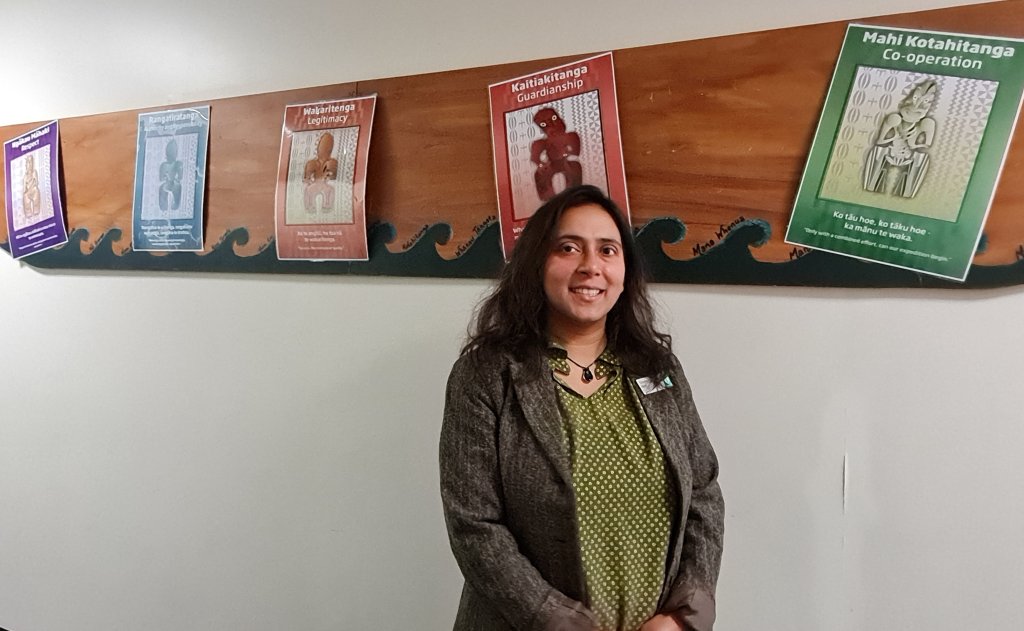
Drawing on both personal and professional experience, Tahera Afrin will explore the links between neuromotor and sensory processing differences, and why this is important for supporting learning. Viewing children’s behavioural responses as coping strategies and expressions of children’s resilience in response to the many demands of busy early childhood environments, this webinar will:
- develop your understanding of the neuromotor and sensory differences that shape children’s experiences in early childhood settings
- interpret Te Whāriki with greater attention to sensory and neuromotor differences, in order to provide safe and responsive spaces for early learning
- explore how kaiako might partner with children to best to promote their resilience
Join us to reflect on your practice and discover practical ways to create more inclusive learning environments where every child can thrive.