Supporting the success of ākonga Māori
Coming in June 2026
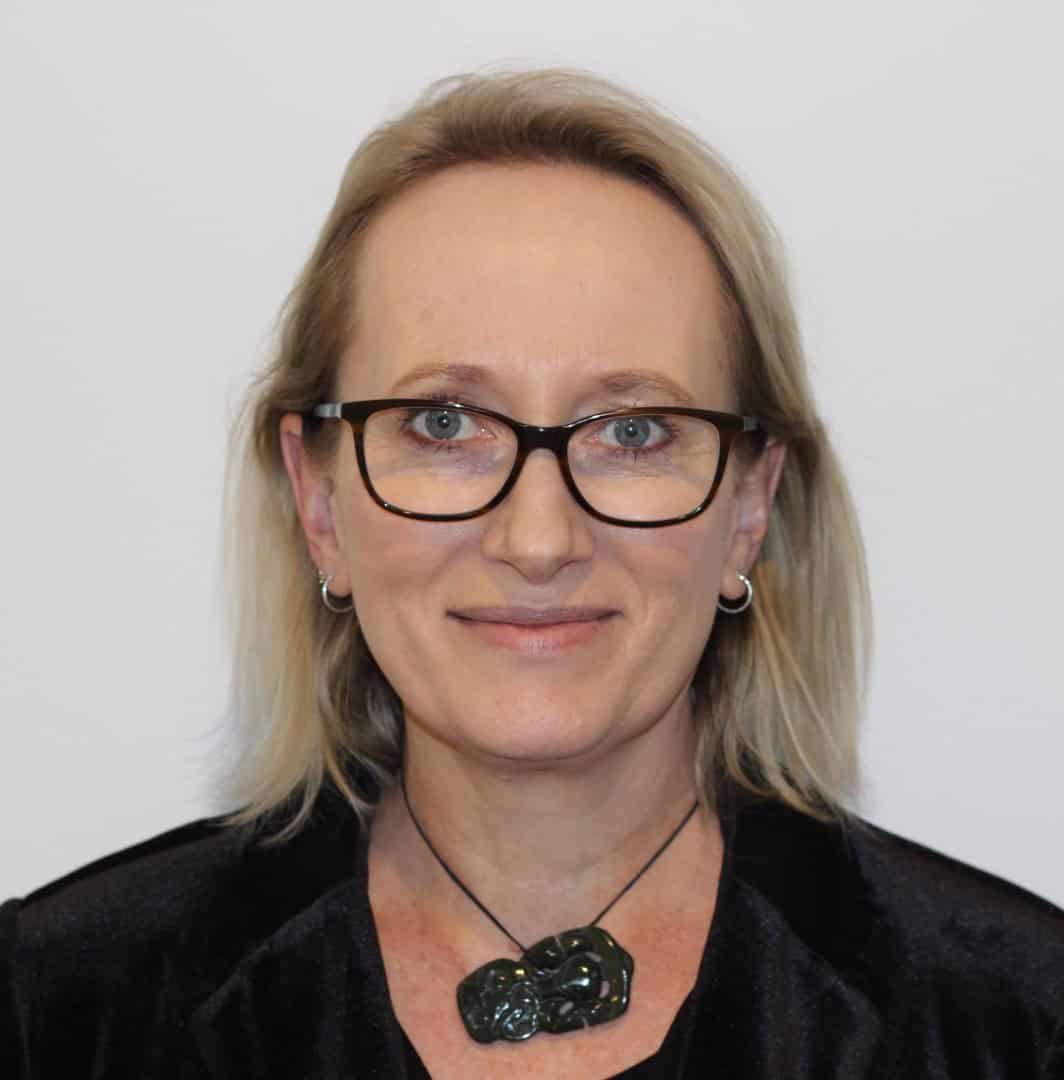
How can teachers and schools meaningfully support the success and wellbeing of Māori learners? In this webinar, Dr Hana Turner-Adams from Waipapa Taumata Rau | University of Auckland will share insights from her extensive research into Māori student success, teacher expectations, and the powerful impact of culturally sustaining practices.
Drawing on the experiences of Māori teachers and learners, Hana will explore how relationships, identity, and culture shape learning experiences, and why educators play a crucial role as agents of change within their classrooms and wider school communities. She will offer practical strategies for disrupting inequities by fostering belonging, raising expectations, and creating learning environments where ākonga Māori feel valued, challenged, and supported to excel.
Whether you are a classroom teacher, school leader, or simply committed to strengthening Māori educational success, this webinar will deepen your understanding and offer actionable approaches for making a positive difference. Join us for a thought-provoking session focused on centring Māori learners and transforming educational practice so that all ākonga can thrive.
If you have a webinar subscription
We will email you to remind you about webinars that are coming up. Simply log in and go to the right webinar within your Account on the day to join in.
You can access our extensive selection of past webinars from your Account section too